10.08.2026
3Q 2026 Market Insights
This video is a recording of a live webinar held October 22 by Marquette’s research team analyzing the third quarter…


This week’s chart looks at current U.S. Syndicated Loan Underwriting Volume in comparison with the new business environment created by the Dodd-Frank Wall Street Reform and Consumer Protection Act (“Dodd-Frank”). Dodd Frank was enacted by President Obama in 2009 – 2010 with stated objectives of increasing financial accountability and transparency, ending “too big to fail” institutions requiring corporate bailouts, and protecting consumers. However, the ability of the Act’s provisions to accomplish these goals has been the subject of fierce debate. Amidst many new regulations imposed on the Financial Services Industry, Dodd-Frank restricts the types of proprietary trading activities that financial institutions are allowed to practice. This restriction comprises part of what is known as “The Volcker Rule”, which was implemented on July 21, 2012.
One of the major criticisms of the Volcker Rule has been one voiced by Canadian, British, and Japanese government finance ministers and bankers. These countries say the Volcker Rule is a disincentive for their banks to transact with their American counterparts because the Volcker Rule exempts U.S. government securities from its restrictions on proprietary trading but leaves similarly-rated foreign institutions out of the exclusion. Volcker Rule proprietary trading prohibitions would thus apply even if a transaction were between foreign parties wherein an American bank is involved only in an ancillary (ex. clearinghouse) capacity. Under this theory, in order to avoid this interference, foreign banks may avoid syndicating with U.S. banks.
Given that as of 1Q2013, North American deals constitute 82.1% of all Global Syndicated Loans1, the number of domestically-originated syndicated loans which receive financing should be significantly affected if these doomsayers’ warnings ring true. However, per this week’s chart, over three quarters have passed since the Volcker Rule has become effective, and U.S. Syndicated Loan Underwriting Volume has recovered to pre-subprime crisis levels. Thus, while Dodd Frank and Volcker will continue to be scrutinized along other lines, it would seem that the hypothesized downward pressure on syndicated deals has been much to do about nothing.
1Bloomberg
The opinions expressed herein are those of Marquette Associates, Inc. (“Marquette”), and are subject to change without notice. This material is not financial advice or an offer to purchase or sell any product. Marquette reserves the right to modify its current investment strategies and techniques based on changing market dynamics or client needs.

10.08.2026
This video is a recording of a live webinar held October 22 by Marquette’s research team analyzing the third quarter…

10.22.2026
Anyone who has run a marathon knows the last six miles are brutal — no matter how well the first…
10.19.2026
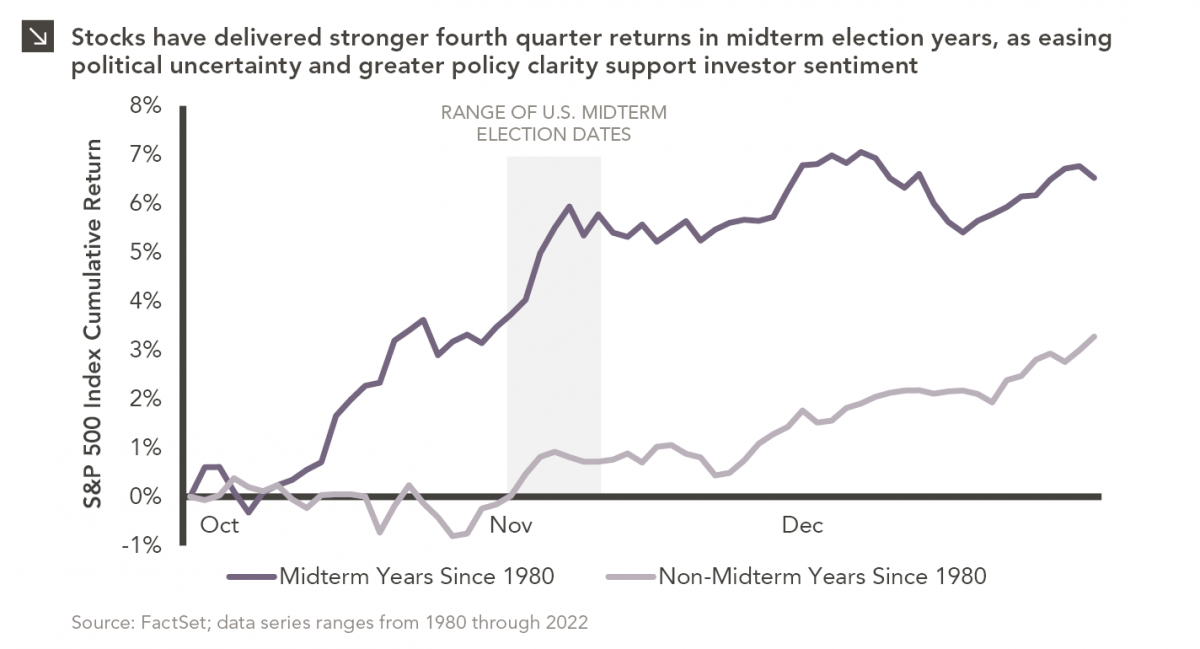
Since 1980, the S&P 500 Index has generally performed well in the weeks surrounding U.S. midterm elections. Specifically, the index…
10.12.2026
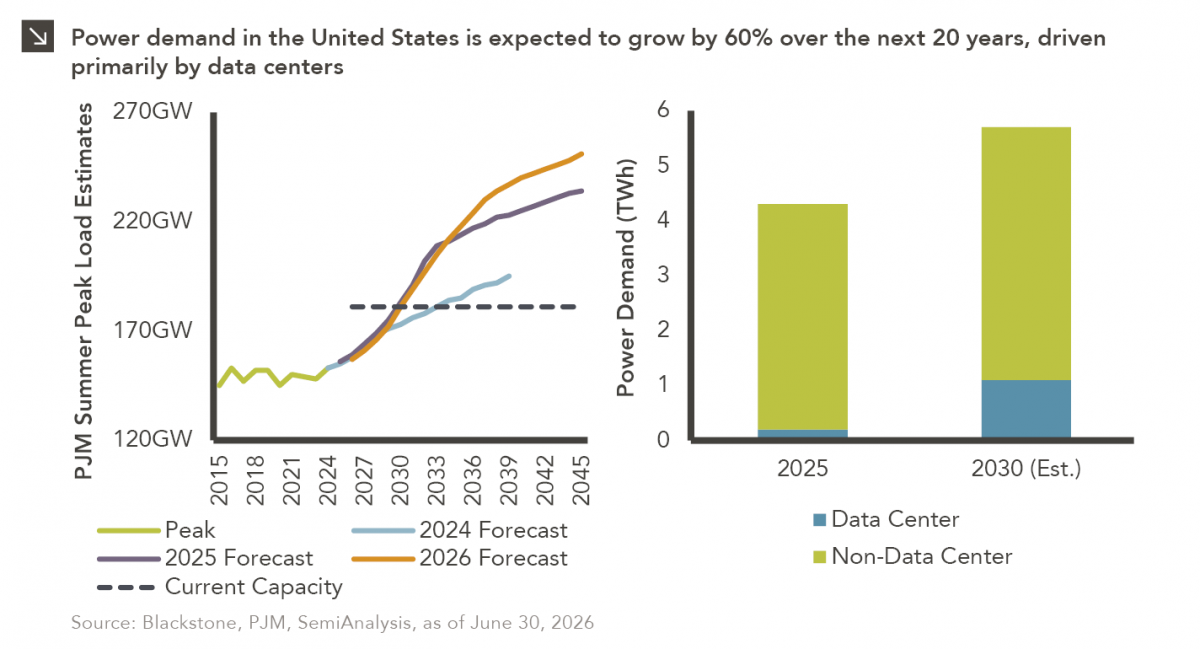
This week’s chart highlights the accelerating growth of electricity demand in the U.S., which has been driven primarily by the…
10.05.2026
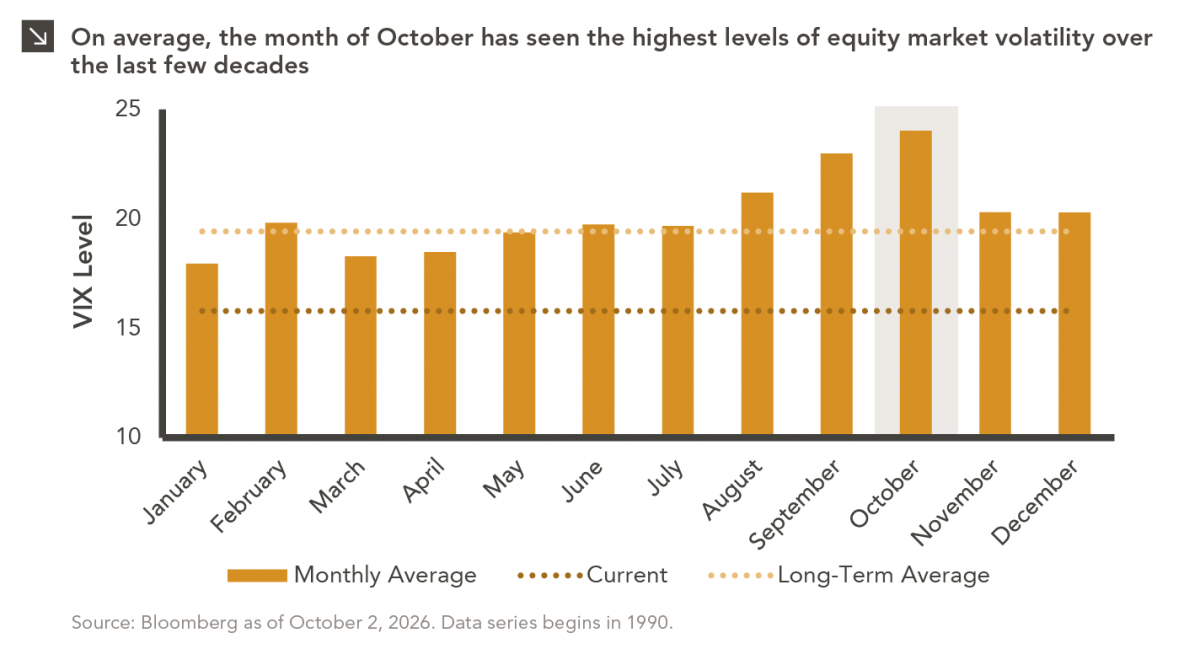
For investors, the spookiest thing about October might not be the ghosts and monsters that are bound to show up…
09.28.2026
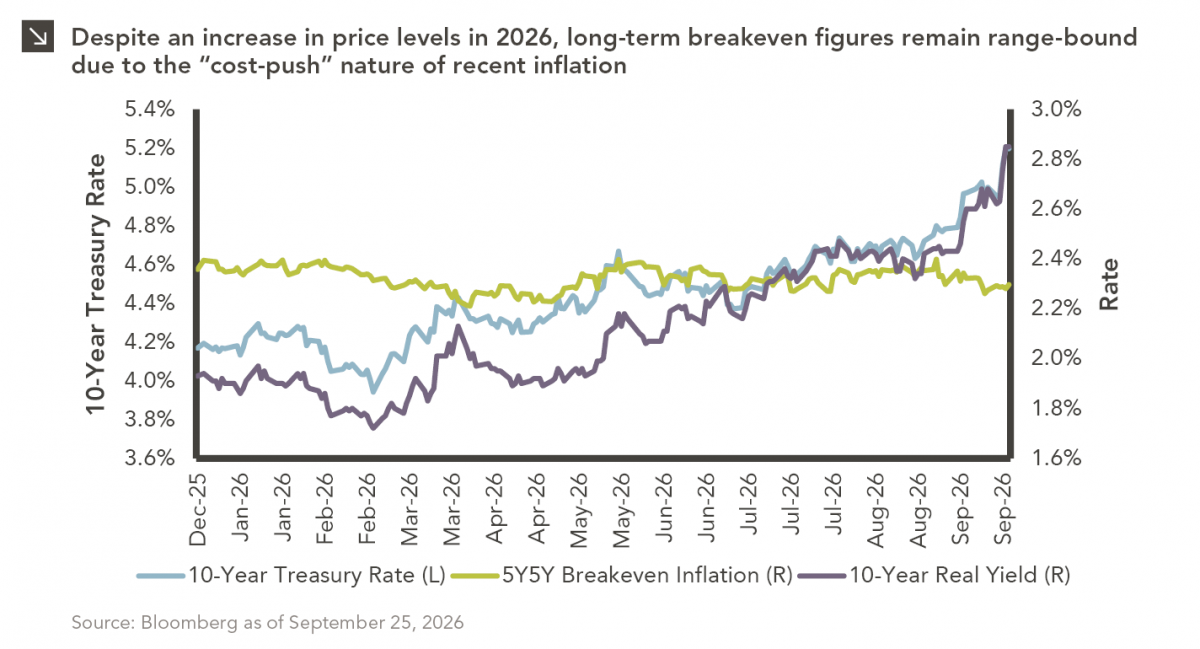
The phrase “expectations of higher inflation” has become a staple in financial news to explain the increase in nominal U.S….
Research alerts keep you updated on our latest research publications. Simply enter your contact information, choose the research alerts you would like to receive and click Subscribe. Alerts will be sent as research is published.
We respect your privacy. We will never share or sell your information.
If you have questions or need further information, please contact us directly and we will respond to your inquiry within 24 hours.
Contact Us >