Greg Leonberger, FSA, EA, MAAA, FCA
Partner, Director of Research


This weekend’s clash between Saudi Arabia and Russia at the OPEC meeting launched an oil price war that saw prices plummet over 20% with oil now trading at approximately $35 per barrel. This is salt on the wound for the global markets as coronavirus cases roughly tripled last week in the U.S., Europe, and the rest of Asia outside of China. Somewhat predictably, the S&P 500 suffered its biggest drop yesterday (March 9th) since 2008, dropping 7.6%; this was the 19th largest drop in its history.
This newsletter updates investors on yesterday’s market turbulence and in particular provides a projected outlook for core bonds’ expected returns in 2020. While the path forward from yesterday is unknown, the analysis included should hopefully provide investors some guidance on potential paths and returns for the remainder of the year.
Read > The Oil Price War and Coronavirus: What Does it Mean for Bond Returns?

The opinions expressed herein are those of Marquette Associates, Inc. (“Marquette”), and are subject to change without notice. This material is not financial advice or an offer to purchase or sell any product. Marquette reserves the right to modify its current investment strategies and techniques based on changing market dynamics or client needs.
10.19.2026
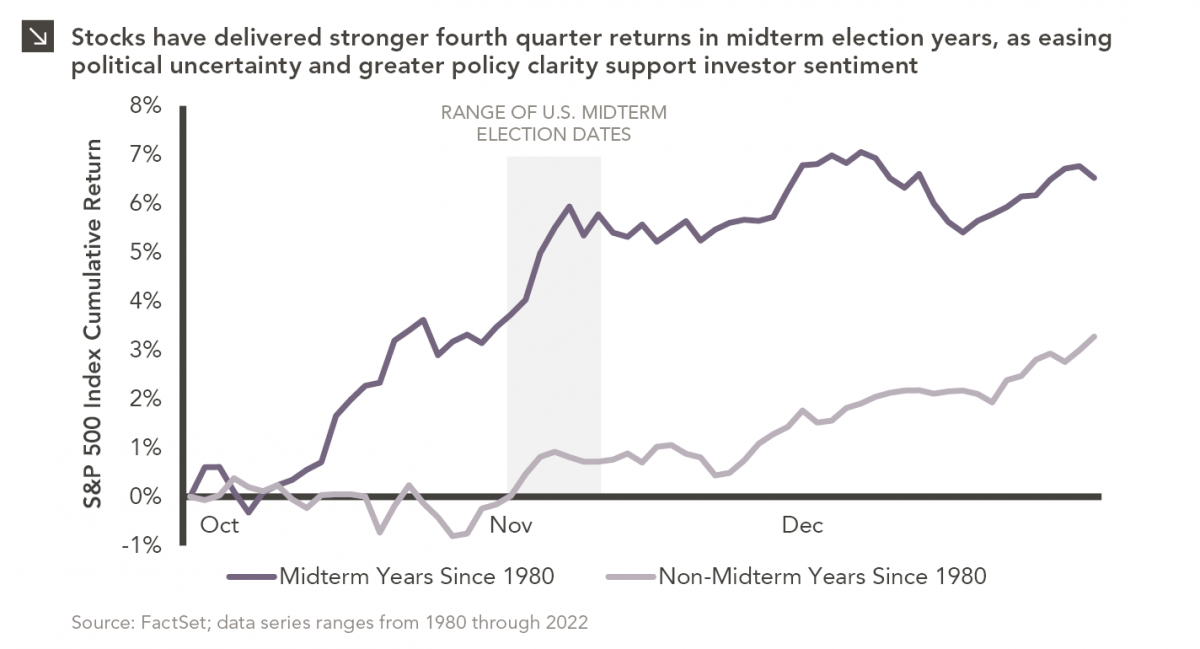
Since 1980, the S&P 500 Index has generally performed well in the weeks surrounding U.S. midterm elections. Specifically, the index…

10.08.2026
LIVE WEBINAR — OCTOBER 22 Please join Marquette’s research team for our 3Q 2026 Market Insights Webinar…
09.28.2026
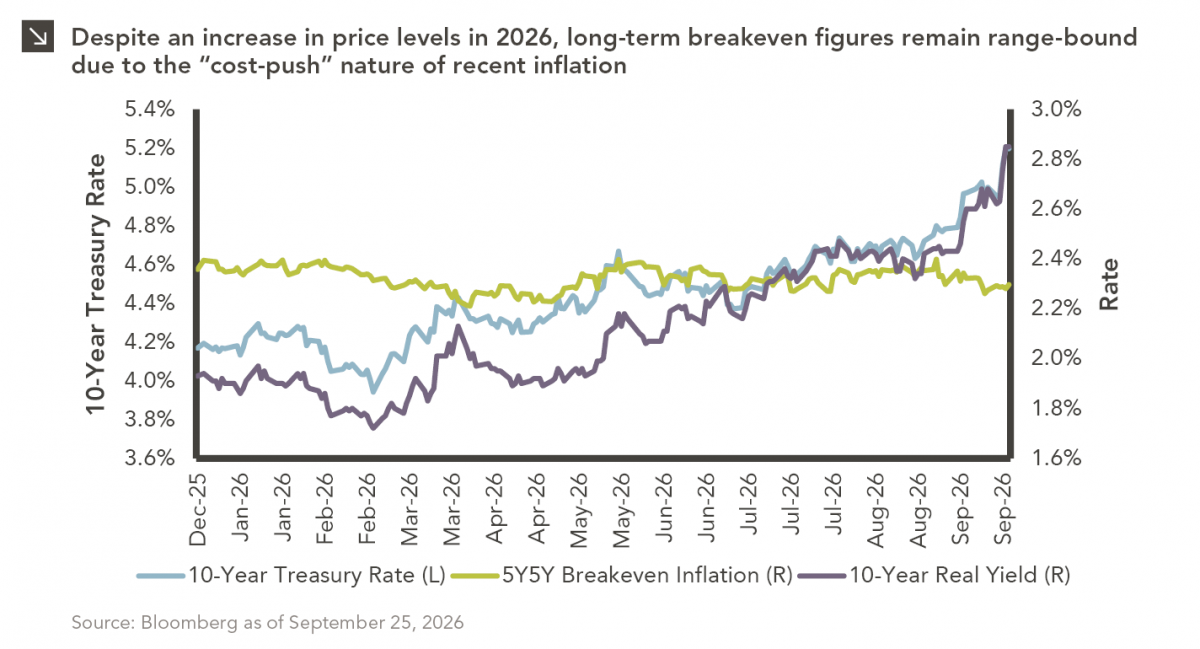
The phrase “expectations of higher inflation” has become a staple in financial news to explain the increase in nominal U.S….
09.21.2026
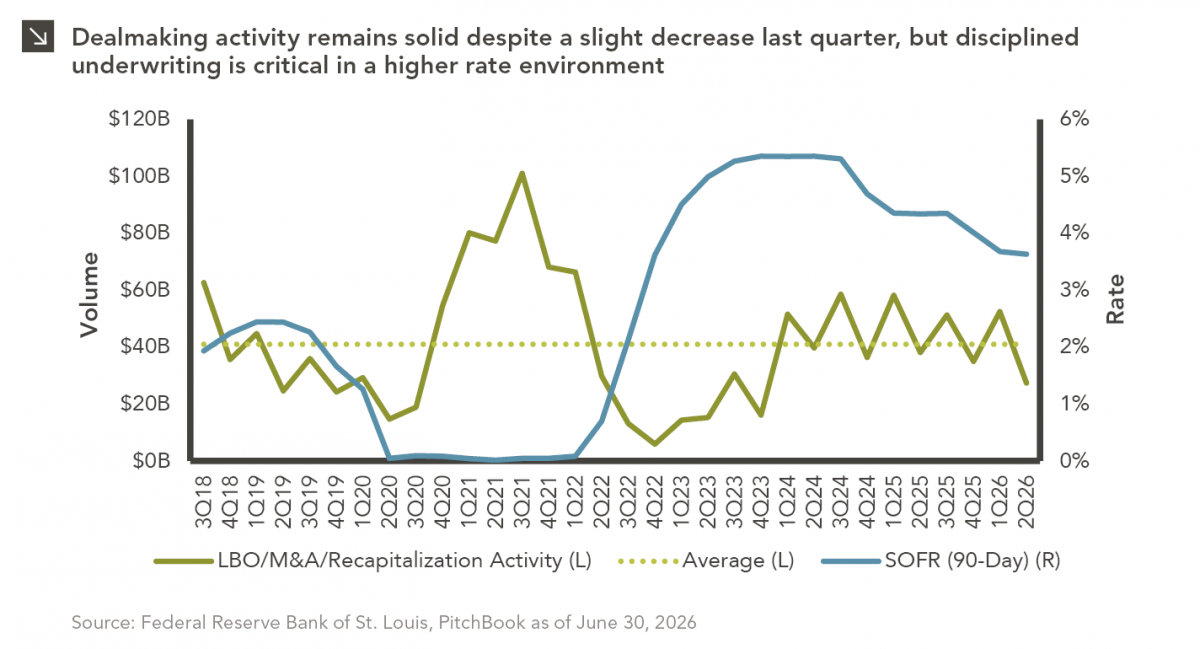
For much of the past several years, the conventional view has been that higher interest rates and stretched valuations would…
09.15.2026
Over the past decade, continuation vehicles (“CV”) have become one of the fastest-growing trends in private equity. Private equity funds…
09.14.2026
There are many great things about working at Marquette Associates, but “Free Lunch Tuesday” is right at the top of…
Research alerts keep you updated on our latest research publications. Simply enter your contact information, choose the research alerts you would like to receive and click Subscribe. Alerts will be sent as research is published.
We respect your privacy. We will never share or sell your information.
If you have questions or need further information, please contact us directly and we will respond to your inquiry within 24 hours.
Contact Us >