Nat Kellogg, CFA
President


The last week in the markets has seen a huge increase in market volatility. This week’s chart examines the largest daily moves (the ten worst and ten best) in the S&P 500 index since 1950, in an effort to provide some historical context to the recent volatility. As the chart shows, the recent market moves are not unprecedented, but they are historic. Over a course of just six trading days, the S&P 500 had three of its worst — and one of its best — days in the last 70 years. Beyond just the magnitude of the market moves, this week’s chart attempts to highlight a few important reminders for investors.
First, market volatility tends to move in both directions. We have color-coded the market moves by event, and it is worth noting that in the wake of the 1987 stock market crash, the Global Financial Crisis, and the recent volatility around the coronavirus, U.S. equity markets have seen some of the worst — and best — days ever. While all this volatility clearly creates opportunities for rebalancing, the market volatility can create a significant amount of short-term timing risk. This is one reason why clients should consider gradual rebalancing over a period of days or weeks to limit the risk of short-term market volatility.
Print PDF > Market Volatility Moves in Both Directions

The opinions expressed herein are those of Marquette Associates, Inc. (“Marquette”), and are subject to change without notice. This material is not financial advice or an offer to purchase or sell any product. Marquette reserves the right to modify its current investment strategies and techniques based on changing market dynamics or client needs.
07.07.2026
JULY 23 — 1:00pm CT Please join Marquette’s research team for our 2026 Halftime Market Insights Webinar…
07.06.2026
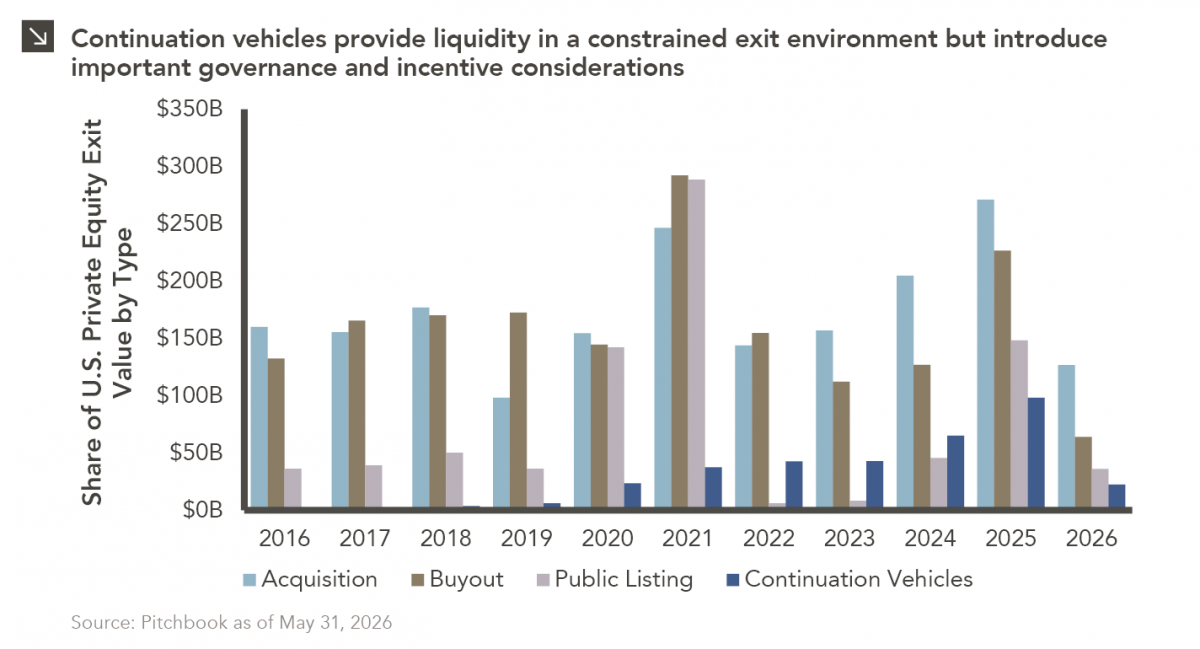
Since traditional exit routes have remained constrained in recent years due to higher interest rates, valuation gaps, and a subdued…
06.29.2026
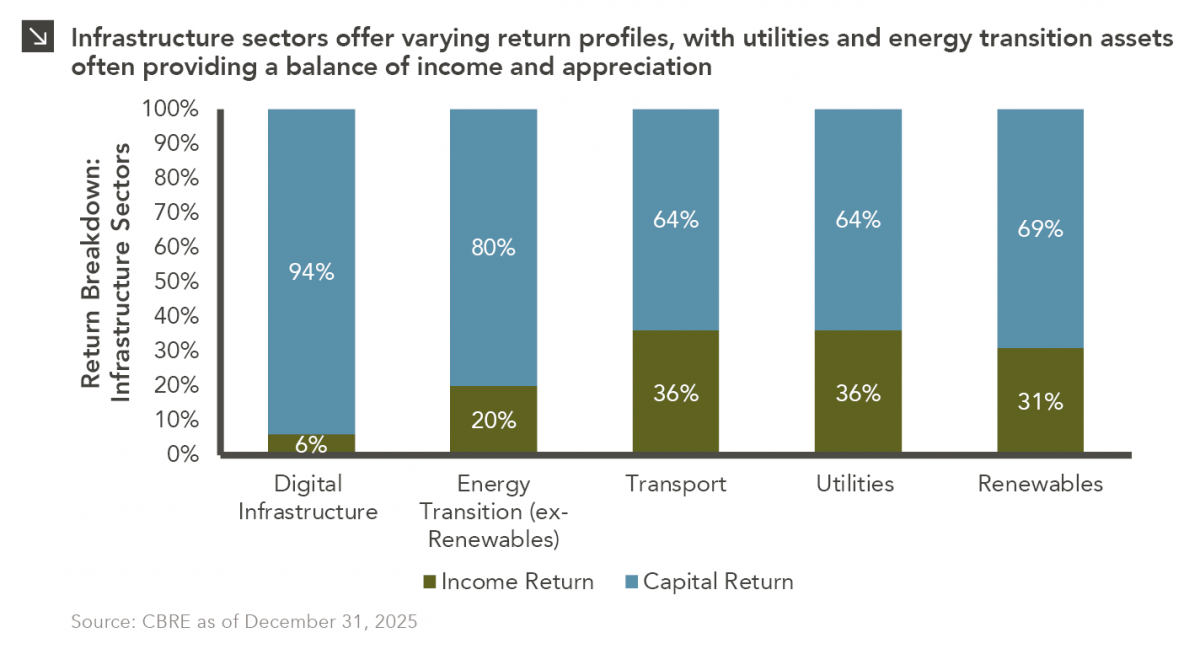
This week’s chart highlights the varying return profiles across key infrastructure sectors by illustrating the split between income and capital…

06.25.2026
Commodities represent a unique asset class within global financial markets. Like equities and bonds, commodity prices are influenced by the…
06.22.2026
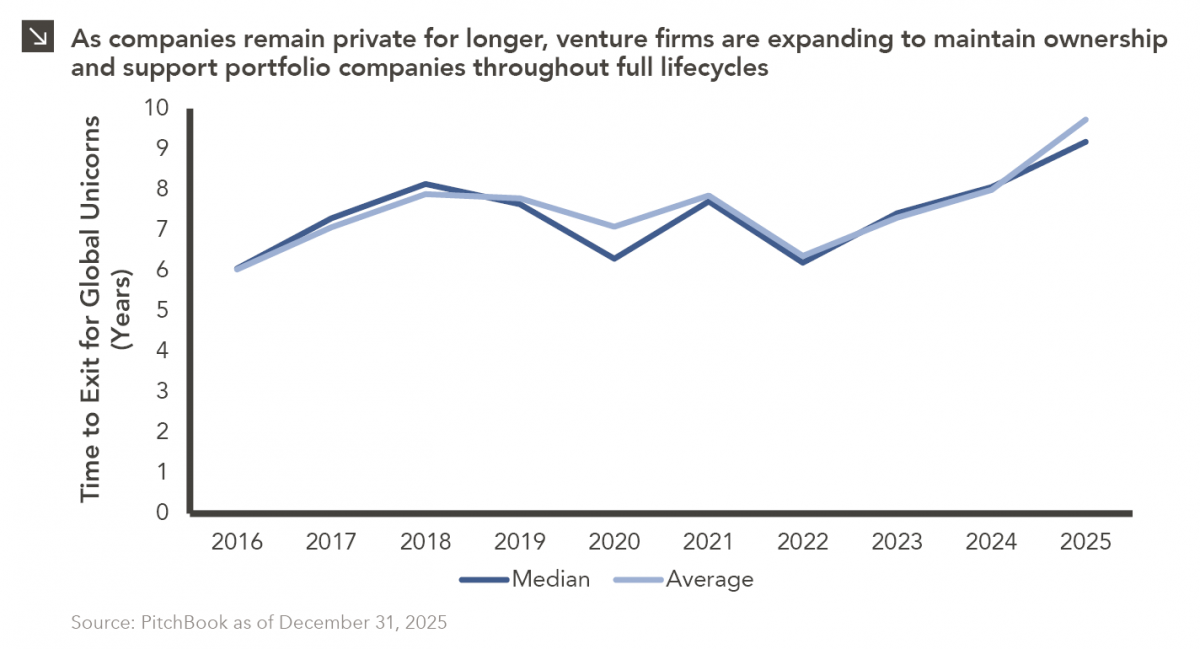
When Benchmark, one of Silicon Valley’s most renowned early-stage venture capital firms, closed $2 billion across two new funds this…
06.15.2026
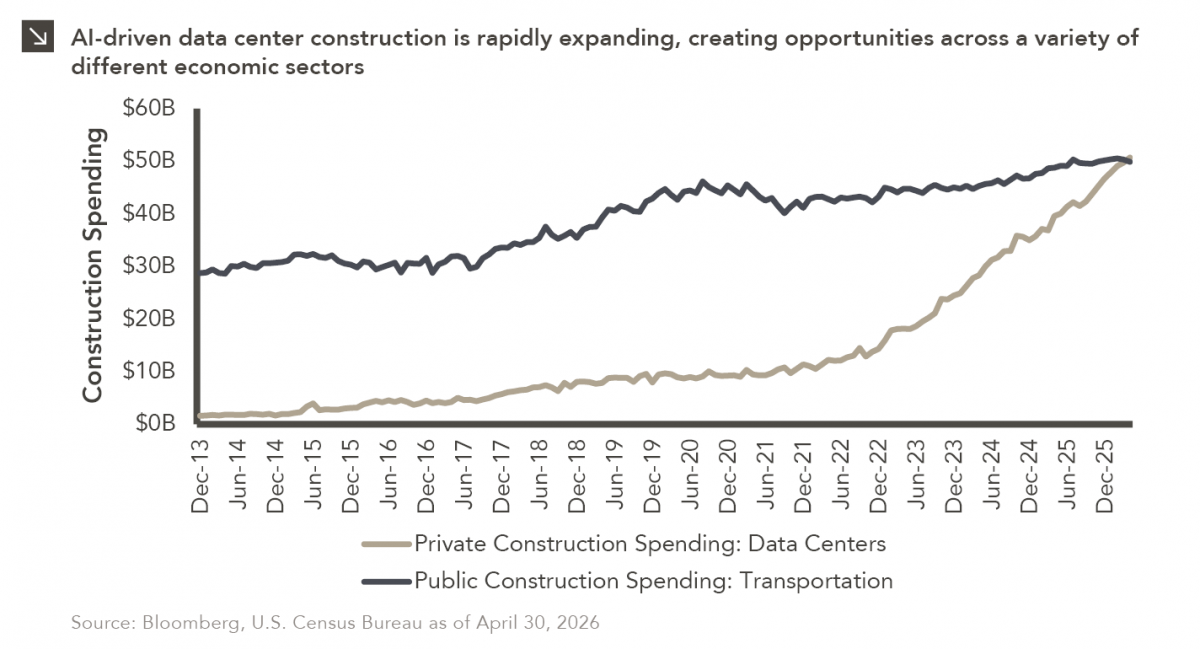
The rapid buildout of artificial intelligence infrastructure is reshaping the U.S. investment landscape. According to recent Census Bureau data, spending…
Research alerts keep you updated on our latest research publications. Simply enter your contact information, choose the research alerts you would like to receive and click Subscribe. Alerts will be sent as research is published.
We respect your privacy. We will never share or sell your information.
If you have questions or need further information, please contact us directly and we will respond to your inquiry within 24 hours.
Contact Us >