10.08.2026
3Q 2026 Market Insights
This video is a recording of a live webinar held October 22 by Marquette’s research team analyzing the third quarter…


The European Central Bank (ECB) announced Thursday it will begin a quantitative easing (QE) program in which it will buy €60 billion worth of assets a month. The program, which will commence in March and continue through September 2016, will purchase both government and private sector bonds as well as other institutional debt securities. This move comes after the U.S. and U.K. have ended their own QE programs following declining unemployment and modest GDP growth.
Though there are a wide variety of opinions on the effectiveness — and consequences — of QE, the ECB hopes it will be the economic jump start that many of the countries in the Eurozone desperately need. The most recent GDP growth for the region was 0.8%, while unemployment was 11.5%. Additionally, the latest IMF forecast gave the Euro Area a 38% chance of falling into another recession. But the most troubling issue for the Eurozone is its inflation rate, which fell to -0.2% in December. Deflation can make it more difficult to pay back debt, which is especially worrisome for countries such as Greece, Italy, and Spain that have debt exceeding 100% of GDP. If the ECB is successful in achieving its 2% target inflation, this, in theory, would lead to further devaluation of the Euro, which has already fallen over 17% against the U.S. dollar since the start of last year.
How QE will affect the different parts of the Eurozone is difficult to predict. Unlike other QE programs, this one spans multiple countries and banking systems, some of which are opposed to this monetary policy. Stronger economies, such as Germany, warn that this shouldn’t be used as a method to avoid structural reforms while others feel the move was long overdue. Either way, with the threat of a third recession since 2008 looming, Europe appears to be left with little choice.
The opinions expressed herein are those of Marquette Associates, Inc. (“Marquette”), and are subject to change without notice. This material is not financial advice or an offer to purchase or sell any product. Marquette reserves the right to modify its current investment strategies and techniques based on changing market dynamics or client needs.

10.08.2026
This video is a recording of a live webinar held October 22 by Marquette’s research team analyzing the third quarter…

10.22.2026
Anyone who has run a marathon knows the last six miles are brutal — no matter how well the first…
10.19.2026
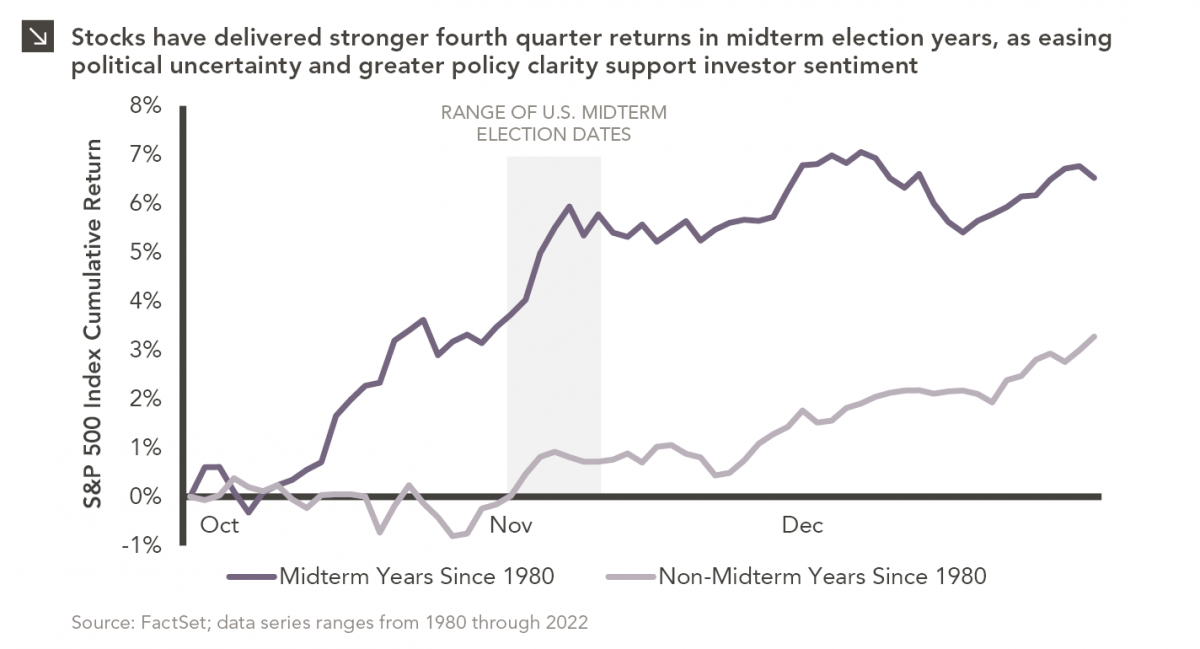
Since 1980, the S&P 500 Index has generally performed well in the weeks surrounding U.S. midterm elections. Specifically, the index…
10.12.2026
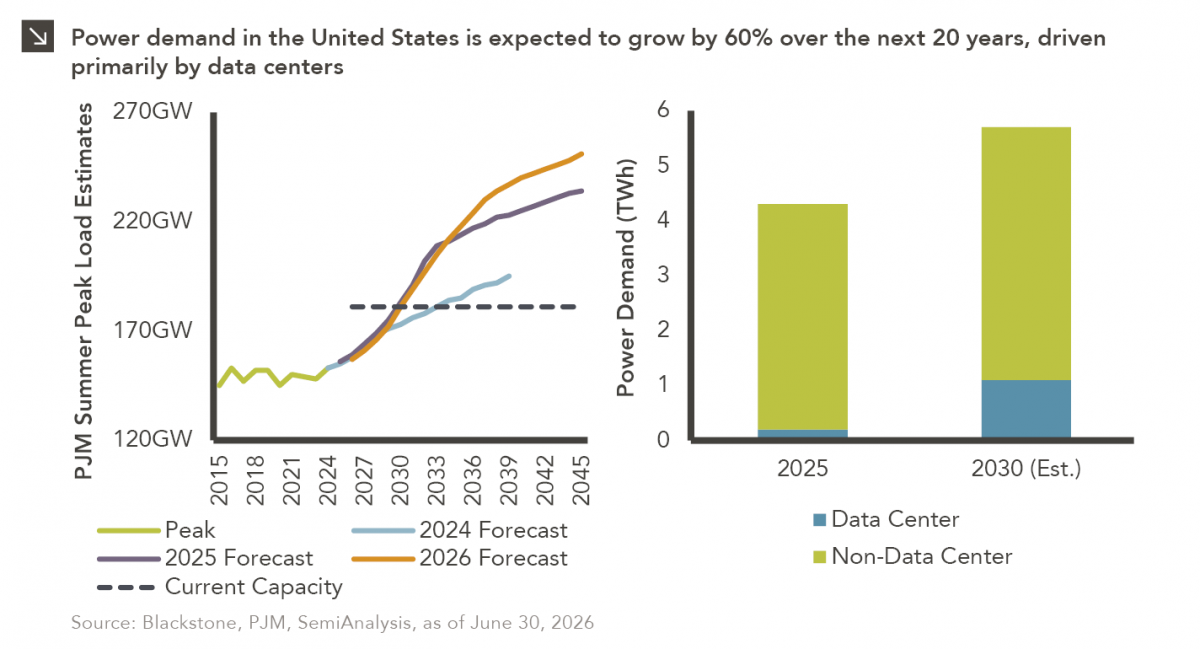
This week’s chart highlights the accelerating growth of electricity demand in the U.S., which has been driven primarily by the…
10.05.2026
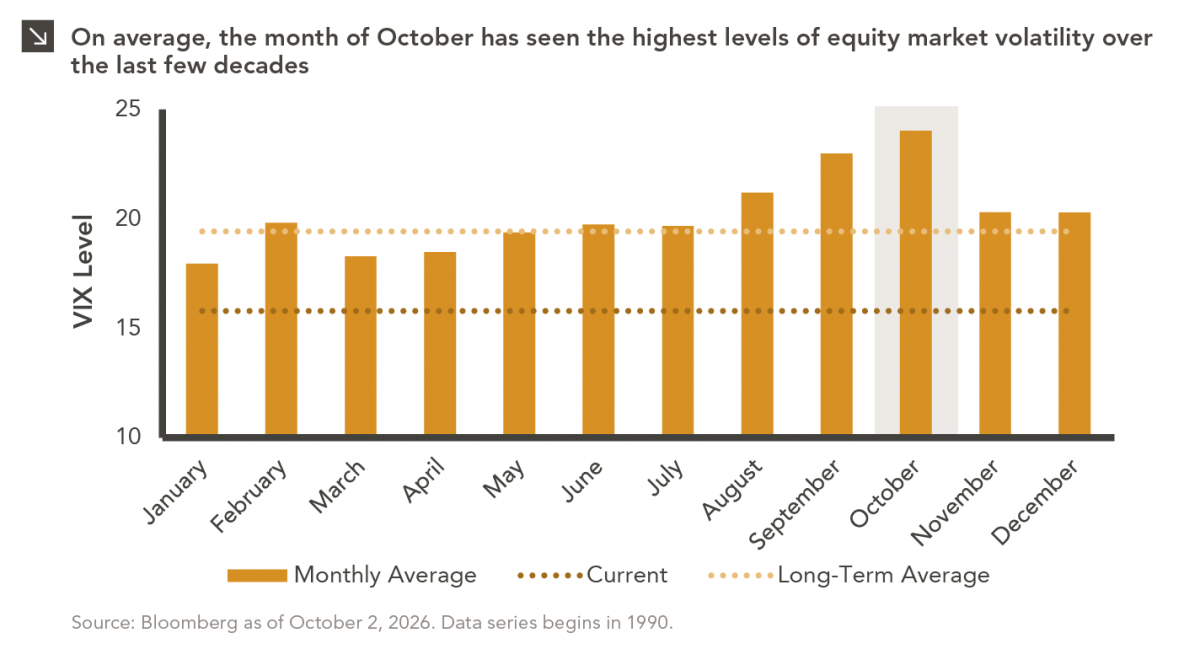
For investors, the spookiest thing about October might not be the ghosts and monsters that are bound to show up…
09.28.2026
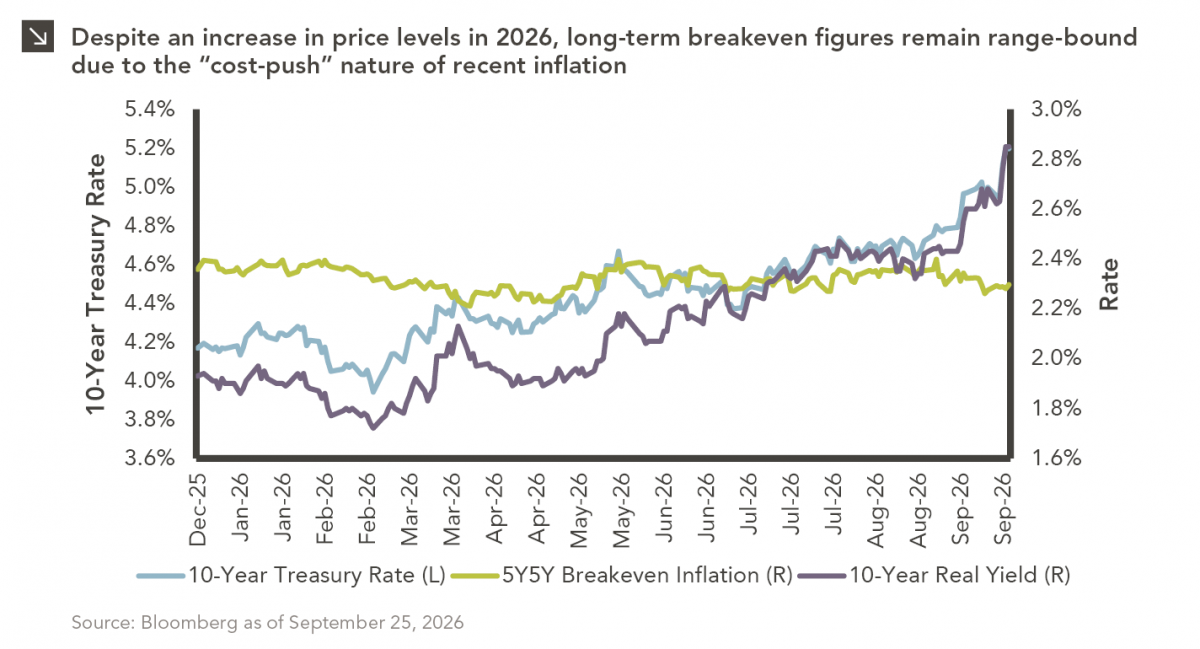
The phrase “expectations of higher inflation” has become a staple in financial news to explain the increase in nominal U.S….
Research alerts keep you updated on our latest research publications. Simply enter your contact information, choose the research alerts you would like to receive and click Subscribe. Alerts will be sent as research is published.
We respect your privacy. We will never share or sell your information.
If you have questions or need further information, please contact us directly and we will respond to your inquiry within 24 hours.
Contact Us >