10.08.2026
3Q 2026 Market Insights
This video is a recording of a live webinar held October 22 by Marquette’s research team analyzing the third quarter…


This week’s chart shows broad asset class returns through July 31st of this year. Perhaps the most surprising performer has been international equity, which has outperformed even U.S. equities. Much of the outperformance is due to the strong U.S. dollar, which has increased international developed countries’ exports. The same factor has in turn contributed to the lower performance of U.S. equities. With so many of the S&P 500 companies’ revenues dependent on international growth (about 46%), the strong dollar has weighed heavily on EPS growth. In addition, the same factors many of our readers have heard before — the slowdown in the energy sector and the cold winter — have also played major roles.
The other darling this year, as widely predicted, has been Real Estate. Throughout the first half of the year, growth has in large part been due to income, lease turnover, and appreciation (most notably in the Southwest U.S.). The remainder of the year is likely to see less contribution from income and more contribution from appreciation.
Now let us turn to the poor performers. Bonds, both Global and U.S., continue their same old story: the specter of the Fed rate hike continues to loom, in addition to the Greek debt crisis and China’s now not-so-secret efforts to prop up growth. Emerging Markets have been the worst performers this year, thanks in large part to their dependence on commodities and the domino effect of China’s slowing growth which has translated into weakening currencies.
Where will the rest of the year take us? As the issues we have discussed will continue to weigh on asset classes, it will not be surprising if meandering to disappointing returns across asset classes continue for the rest of 2015.
1 Real Estate Returns through 6/30/15; Private Equity Returns through 3/31/15
The opinions expressed herein are those of Marquette Associates, Inc. (“Marquette”), and are subject to change without notice. This material is not financial advice or an offer to purchase or sell any product. Marquette reserves the right to modify its current investment strategies and techniques based on changing market dynamics or client needs.

10.08.2026
This video is a recording of a live webinar held October 22 by Marquette’s research team analyzing the third quarter…

10.22.2026
Anyone who has run a marathon knows the last six miles are brutal — no matter how well the first…
10.19.2026
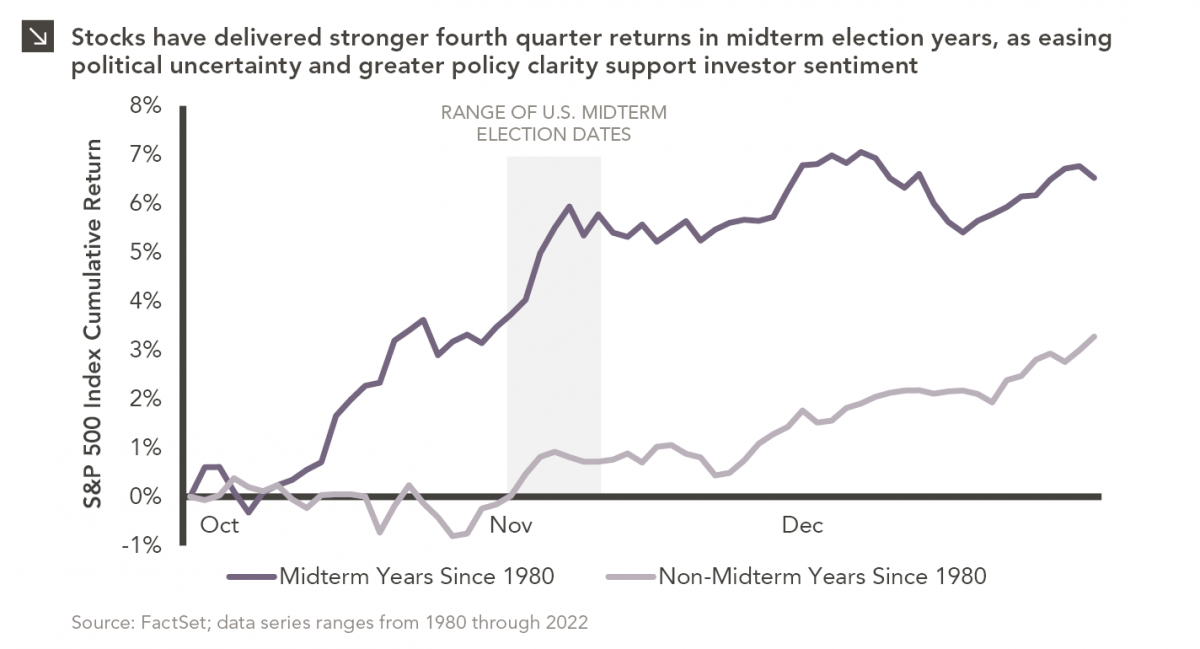
Since 1980, the S&P 500 Index has generally performed well in the weeks surrounding U.S. midterm elections. Specifically, the index…
10.12.2026
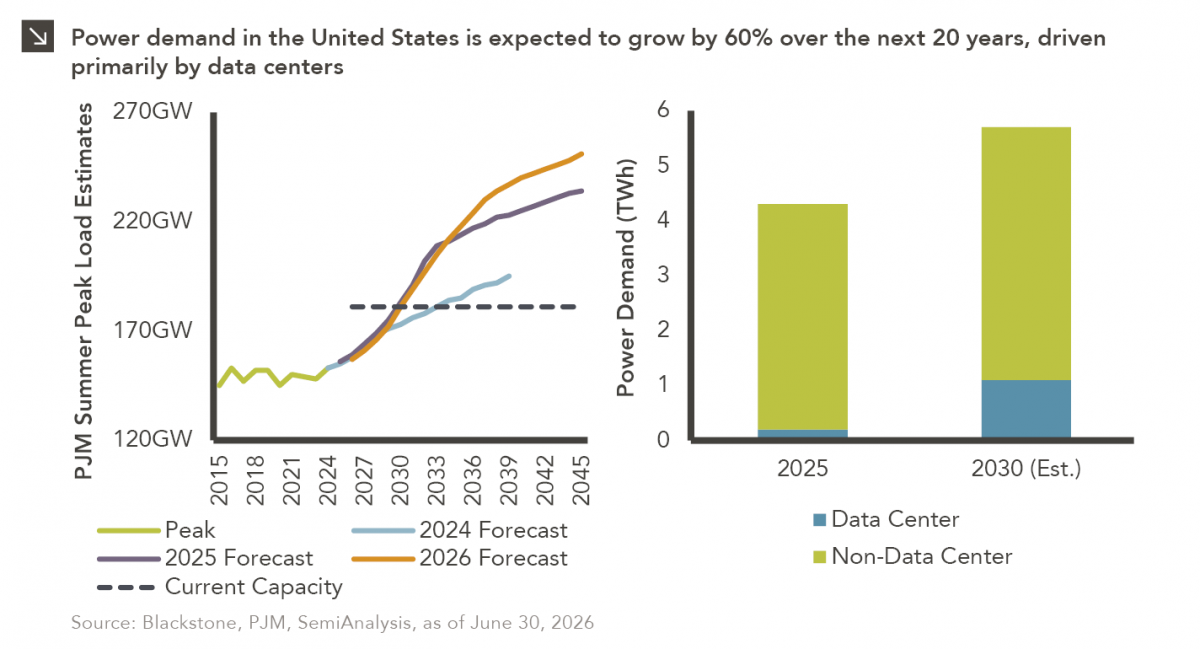
This week’s chart highlights the accelerating growth of electricity demand in the U.S., which has been driven primarily by the…
10.05.2026
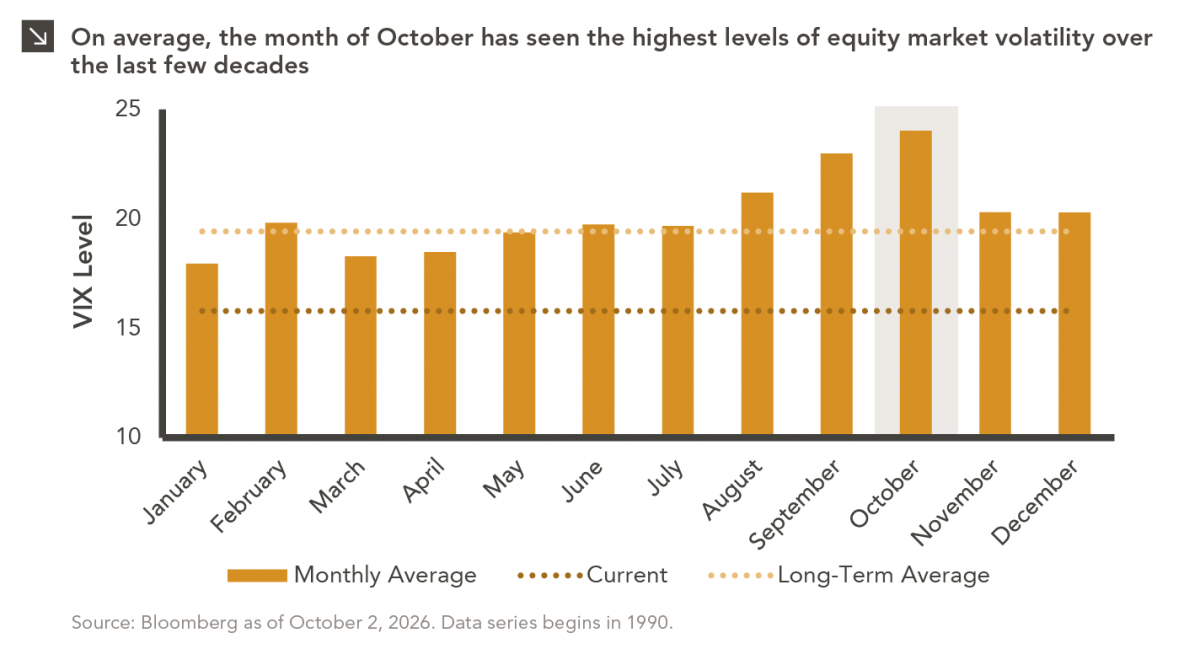
For investors, the spookiest thing about October might not be the ghosts and monsters that are bound to show up…
09.28.2026
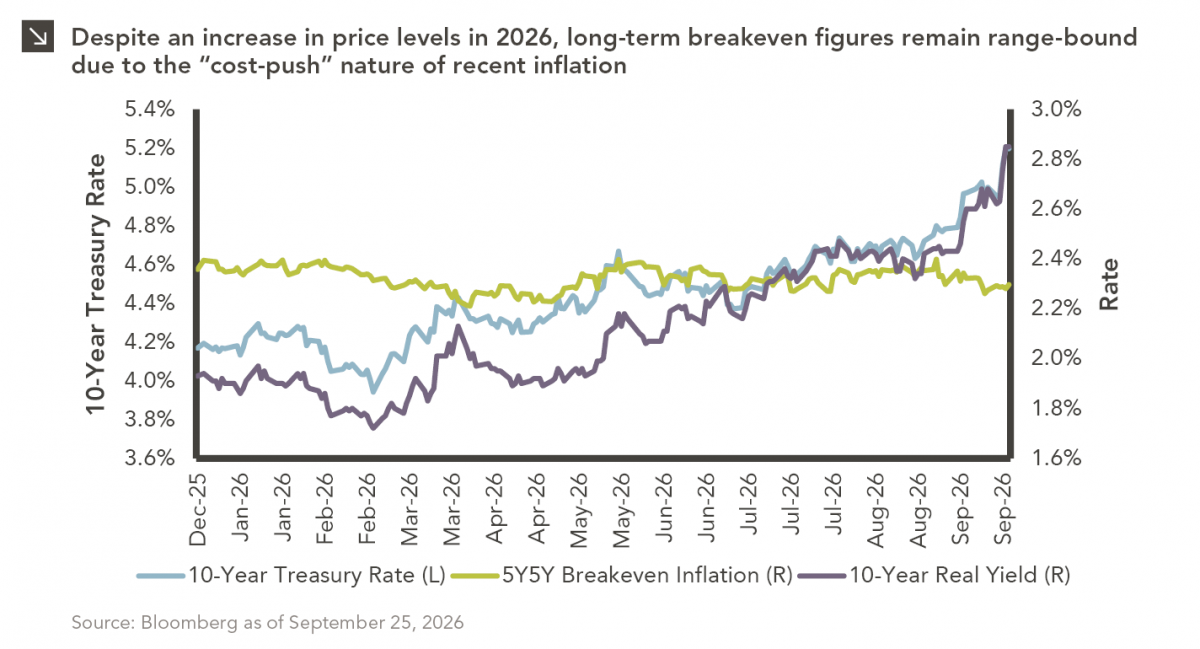
The phrase “expectations of higher inflation” has become a staple in financial news to explain the increase in nominal U.S….
Research alerts keep you updated on our latest research publications. Simply enter your contact information, choose the research alerts you would like to receive and click Subscribe. Alerts will be sent as research is published.
We respect your privacy. We will never share or sell your information.
If you have questions or need further information, please contact us directly and we will respond to your inquiry within 24 hours.
Contact Us >