Mike Spychalski, CAIA
Vice President


This week’s chart of the week looks at the recent drop in South Korean exports, which fell by 14.7% in the 12 months ending August 31. South Korean exports have historically been a reliable and early indicator of the state of global trade, so much so that they have earned the nickname, the “canary in the coal mine” of the global economy. This is largely due to the fact that South Korean exports are a diversified mix of raw materials (such as oil, iron, and steel), intermediate goods (such as semiconductors and machine parts), and finished goods (such as cars, ships, and consumer electronics), as well as the fact that South Korea exports goods to both developed and emerging markets.
The fact that exports dropped by 14.7% in August (the largest drop since August 2009) is notable, especially considering that the consensus forecast was for a decrease of 5.9%. Even more concerning, this was the eighth consecutive month in which exports contracted. Since 1970, every prolonged drop in South Korean exports (defined as at least six consecutive monthly declines) has coincided with a material slowdown in the global economy. This was witnessed during the oil crisis of the mid-1970s, the Asian financial crisis of the late-1990s, the bursting of the tech bubble in the early-2000s, as well as the financial crisis of 2008.
While it is too soon to tell if the canary in the coal mine is accurately predicting trouble on the horizon, this prolonged drop in exports is clearly concerning. However, there are a few factors that could be causing this signal to be a false alarm this time around. For one, exports to China (currently representing about 25% of all South Korean exports) are a greater share of exports than they have been historically, so the slowdown in China is having a larger impact on exports than in the past. In addition, the steep plunge in commodity prices over the past year has had a major impact on South Korea’s exports of oil products, petrochemicals, as well as iron and steel. These three export sectors, which represent 6.4%, 7.3%, and 6.1% of all South Korean exports respectively, have seen the largest declines of any major sector, declining 40.3%, 25.7%, and 17.4% respectively.

The opinions expressed herein are those of Marquette Associates, Inc. (“Marquette”), and are subject to change without notice. This material is not financial advice or an offer to purchase or sell any product. Marquette reserves the right to modify its current investment strategies and techniques based on changing market dynamics or client needs.
10.12.2026
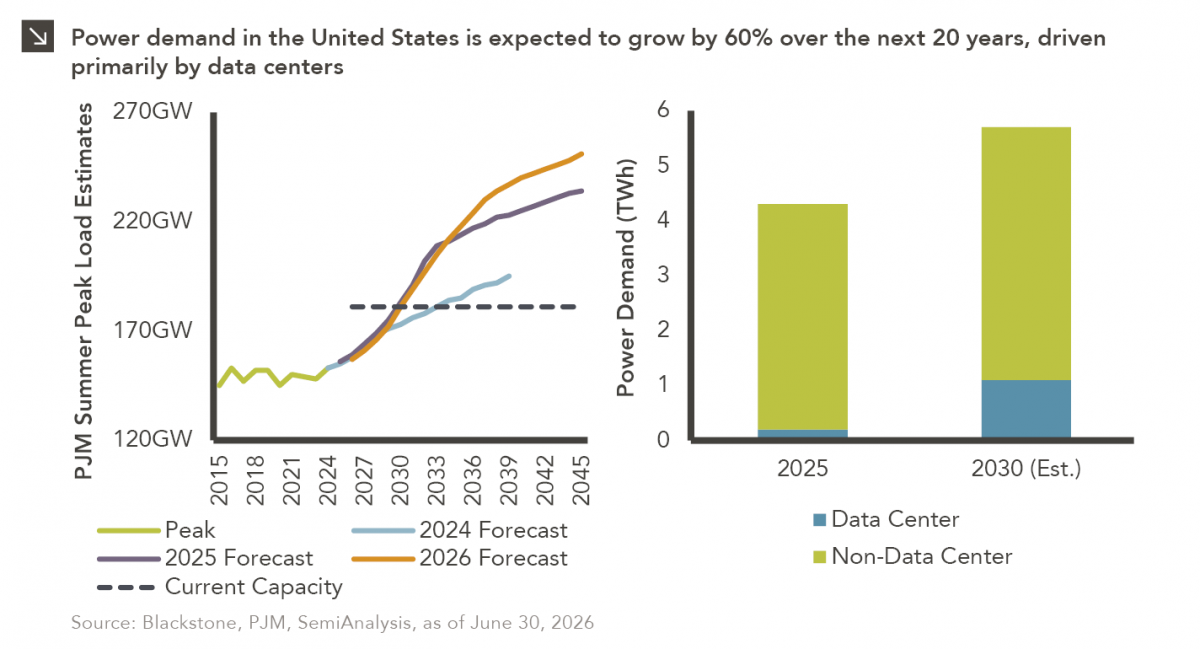
This week’s chart highlights the accelerating growth of electricity demand in the U.S., which has been driven primarily by the…

10.08.2026
LIVE WEBINAR — OCTOBER 22 Please join Marquette’s research team for our 3Q 2026 Market Insights Webinar…
10.05.2026
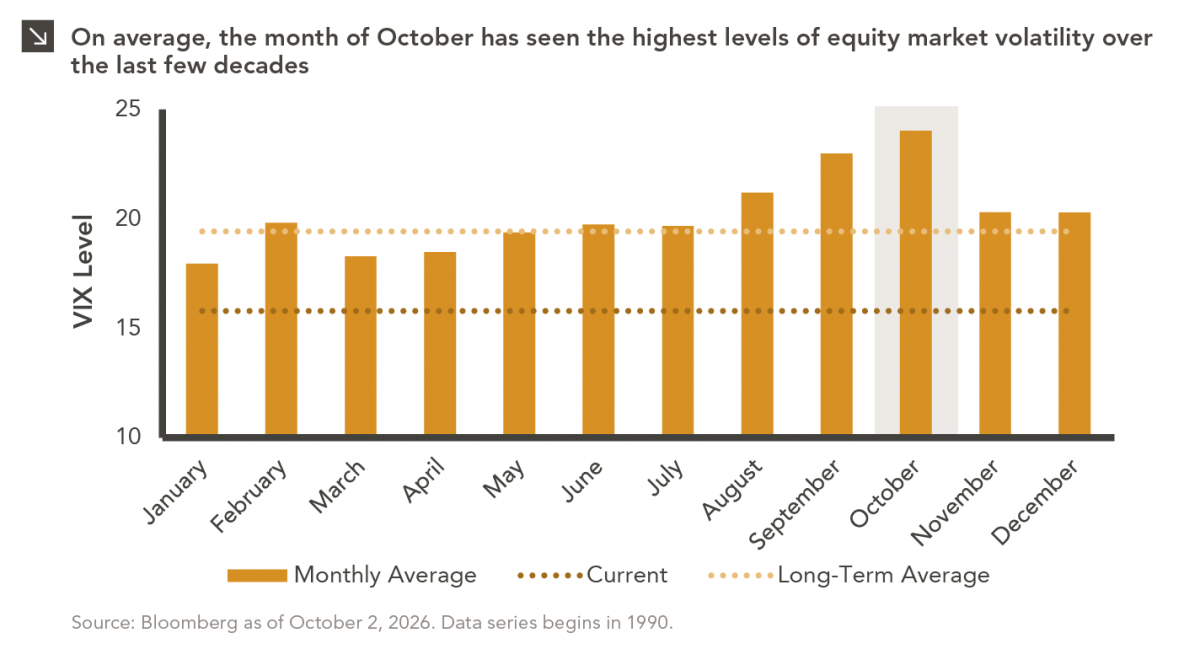
For investors, the spookiest thing about October might not be the ghosts and monsters that are bound to show up…
09.28.2026
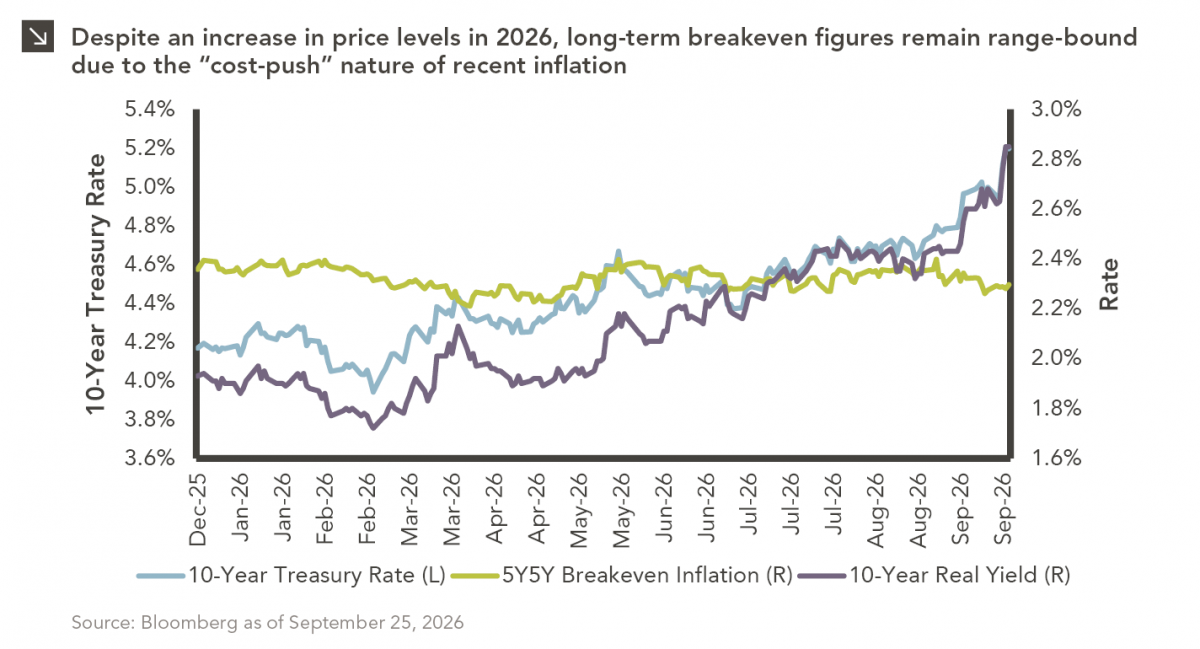
The phrase “expectations of higher inflation” has become a staple in financial news to explain the increase in nominal U.S….
09.21.2026
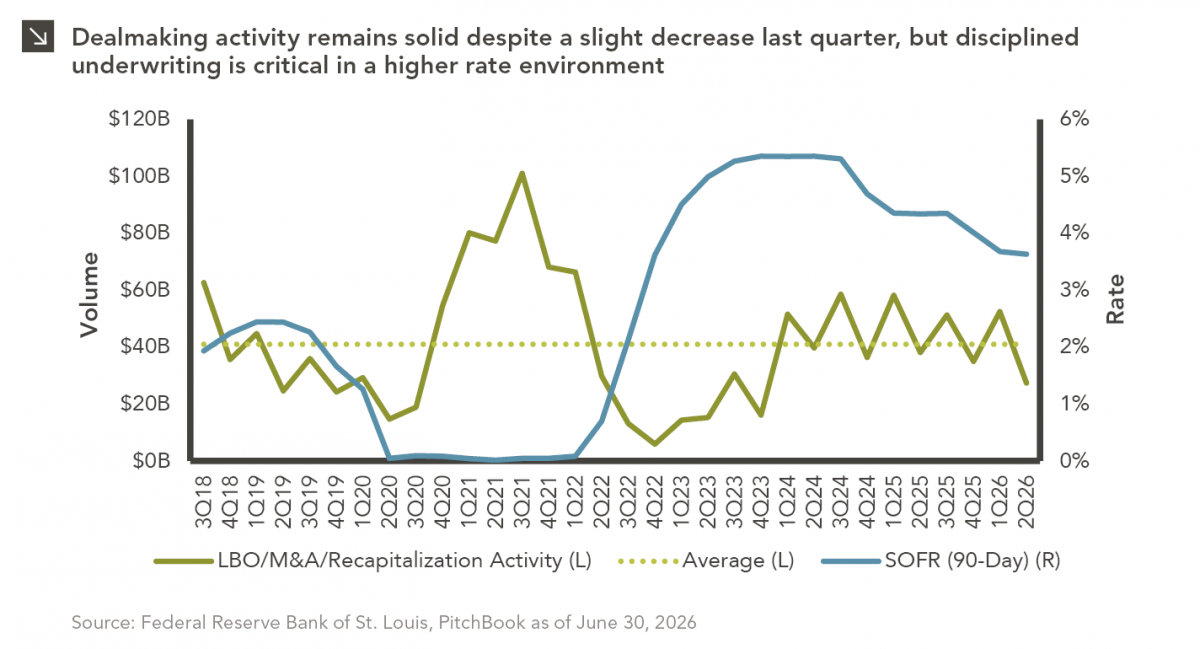
For much of the past several years, the conventional view has been that higher interest rates and stretched valuations would…
09.14.2026
There are many great things about working at Marquette Associates, but “Free Lunch Tuesday” is right at the top of…
Research alerts keep you updated on our latest research publications. Simply enter your contact information, choose the research alerts you would like to receive and click Subscribe. Alerts will be sent as research is published.
We respect your privacy. We will never share or sell your information.
If you have questions or need further information, please contact us directly and we will respond to your inquiry within 24 hours.
Contact Us >