10.22.2026
Will Higher Rates Cramp the Markets?
Anyone who has run a marathon knows the last six miles are brutal — no matter how well the first…


What has become known as the Great Recession officially came to an end in June 2009. Since then, GDP has expanded to new real highs, we are approaching full employment, and the U.S. dollar is the strongest it has been in the past decade. Though various issues remain within the economy, overall things seem to be going well.
The question on many people’s minds is how long can this last? Currently, we are 78 months out from the trough of the recession. Of the recessions since WWII, on average the period from the end of one recession to the start of the next lasts 58 months, suggesting we may be due. However, the last three recovery/expansion phases lasted longer than this and during the 1990s this period lasted 120 months leading up to the Tech Bubble.
Additionally, recessions do not occur simply with the passage of time; generally, there has to be a catalyst for the drop. Potential current areas of concern include slower wage growth, lower productivity, and the Fed tightening monetary policy. However, the worst shocks to the economy are often unexpected; very few people predicted the housing crash. At this point though, there don’t seem to be any major red flags. The IMF’s most recent World Economic Outlook predicted only a 16% chance of the U.S. entering a recession through the first half of 2016. Also, with the last recession the worst since the Great Depression, it is plausible that the next crisis could be delayed as a result of people exhibiting more caution as it relates to spending and speculation. Ultimately, it is impossible to accurately predict when a recession will occur, so while the U.S. could enter a recession at anytime, we may still have several more years of expansion ahead of us.
The opinions expressed herein are those of Marquette Associates, Inc. (“Marquette”), and are subject to change without notice. This material is not financial advice or an offer to purchase or sell any product. Marquette reserves the right to modify its current investment strategies and techniques based on changing market dynamics or client needs.

10.22.2026
Anyone who has run a marathon knows the last six miles are brutal — no matter how well the first…
10.19.2026
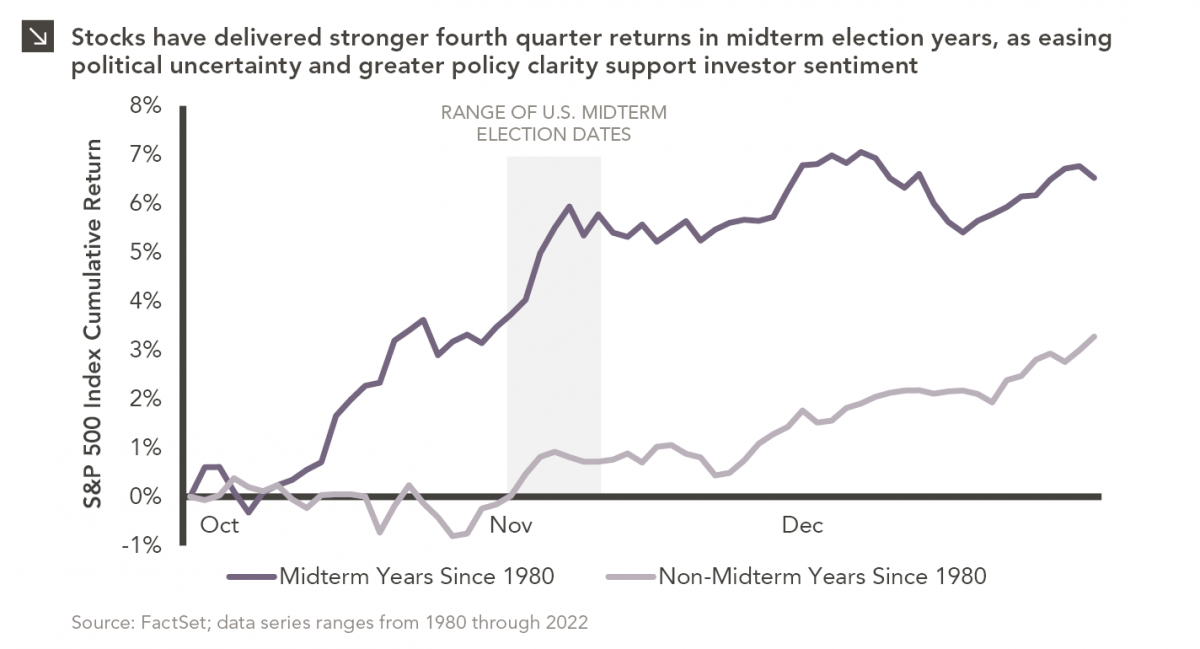
Since 1980, the S&P 500 Index has generally performed well in the weeks surrounding U.S. midterm elections. Specifically, the index…
10.12.2026
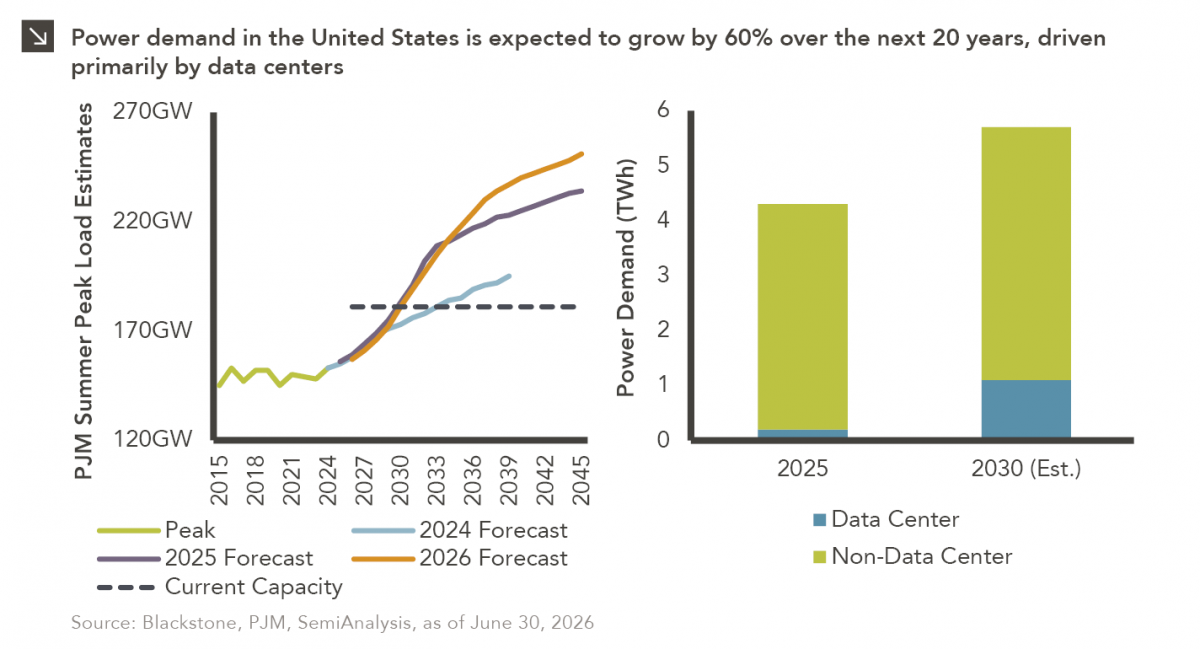
This week’s chart highlights the accelerating growth of electricity demand in the U.S., which has been driven primarily by the…

10.08.2026
LIVE WEBINAR — OCTOBER 22 Please join Marquette’s research team for our 3Q 2026 Market Insights Webinar…
10.05.2026
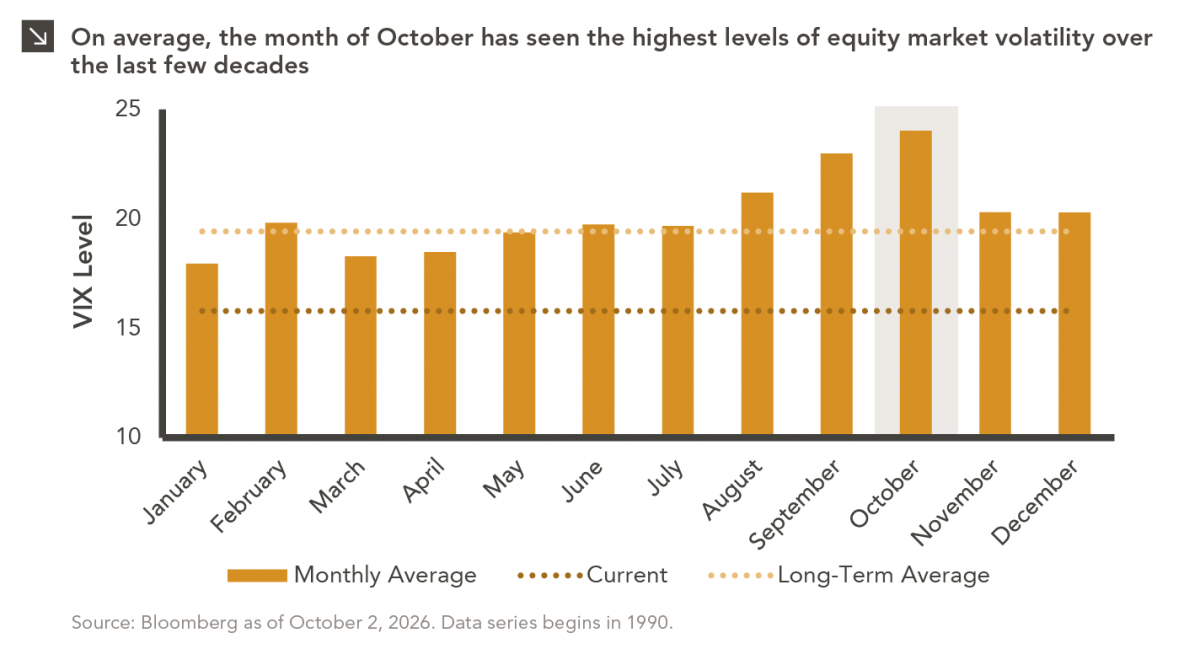
For investors, the spookiest thing about October might not be the ghosts and monsters that are bound to show up…
09.28.2026
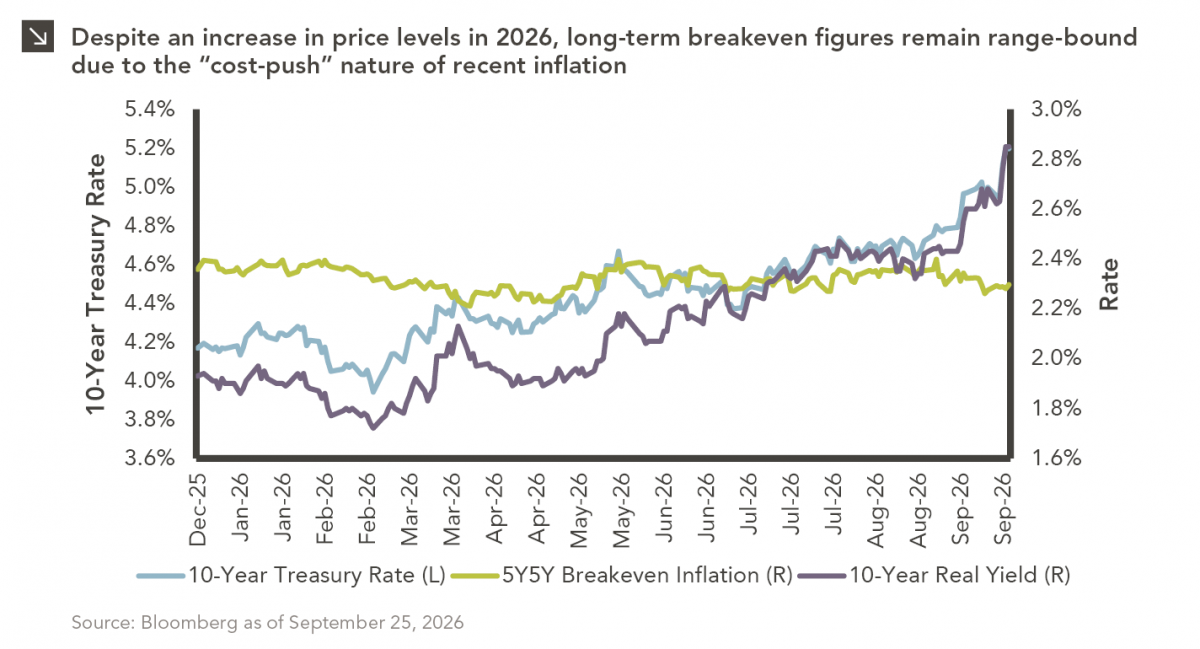
The phrase “expectations of higher inflation” has become a staple in financial news to explain the increase in nominal U.S….
Research alerts keep you updated on our latest research publications. Simply enter your contact information, choose the research alerts you would like to receive and click Subscribe. Alerts will be sent as research is published.
We respect your privacy. We will never share or sell your information.
If you have questions or need further information, please contact us directly and we will respond to your inquiry within 24 hours.
Contact Us >