10.22.2026
Will Higher Rates Cramp the Markets?
Anyone who has run a marathon knows the last six miles are brutal — no matter how well the first…


Lost among all the chatter about China and its effects on oil prices, global economies, and capital markets is the evolution of its workforce, which can at least partially explain some of the “hard landing” scenarios discussed for the country. More specifically, the slowing growth in China’s working age population is not expected to reverse, and this trend could have a meaningful impact on future growth prospects, both domestically and abroad. If its workforce is aging and growing at a rate slower than past generations, future economic growth may be muted.
Shown here in the red line is China’s working age population, using the left-hand axis, as it grew from about 800 million in 1990 to about 1 billion today, and its projected decline projected to about 750 million in 2050. We similarly plotted Japan’s working age population, using the right-hand axis, but 20 years earlier, in the blue line. Japan showed a similar trajectory of working age population growth, from about 70 million in 1970 to a peak of about 85 million in 1995, and is projected to drop to 70 million in 2030. In other words, China’s working age population growth and decline pattern are almost identical to that of Japan’s, but only one generation behind.
With Japan’s working age population currently less than its peak in 1995, economic growth has slowed as the non-working age population increasingly lives off of the economic growth generated by the working age population. Japan has had to resort to fiscal stimulus, monetary easing, and structural reforms (Japanese Prime Minister Shinzo Abe’s “Three Arrows” Abenomics policies) to battle this slowdown. If the current trajectory of its workforce continues, China may also have to implement similar measures in the decades to come. While continued technological and production efficiencies as well as a delay in the retirement age may help mitigate this slowdown, it is a dynamic that bears watching in the coming years.
The opinions expressed herein are those of Marquette Associates, Inc. (“Marquette”), and are subject to change without notice. This material is not financial advice or an offer to purchase or sell any product. Marquette reserves the right to modify its current investment strategies and techniques based on changing market dynamics or client needs.

10.22.2026
Anyone who has run a marathon knows the last six miles are brutal — no matter how well the first…
10.19.2026
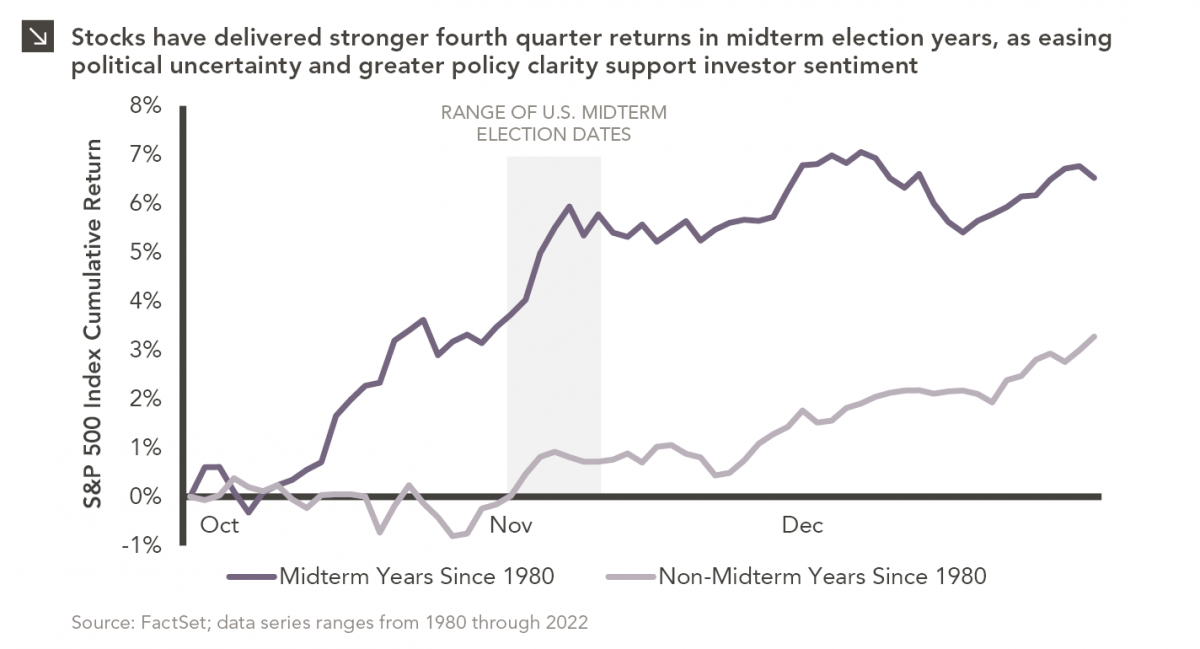
Since 1980, the S&P 500 Index has generally performed well in the weeks surrounding U.S. midterm elections. Specifically, the index…
10.12.2026
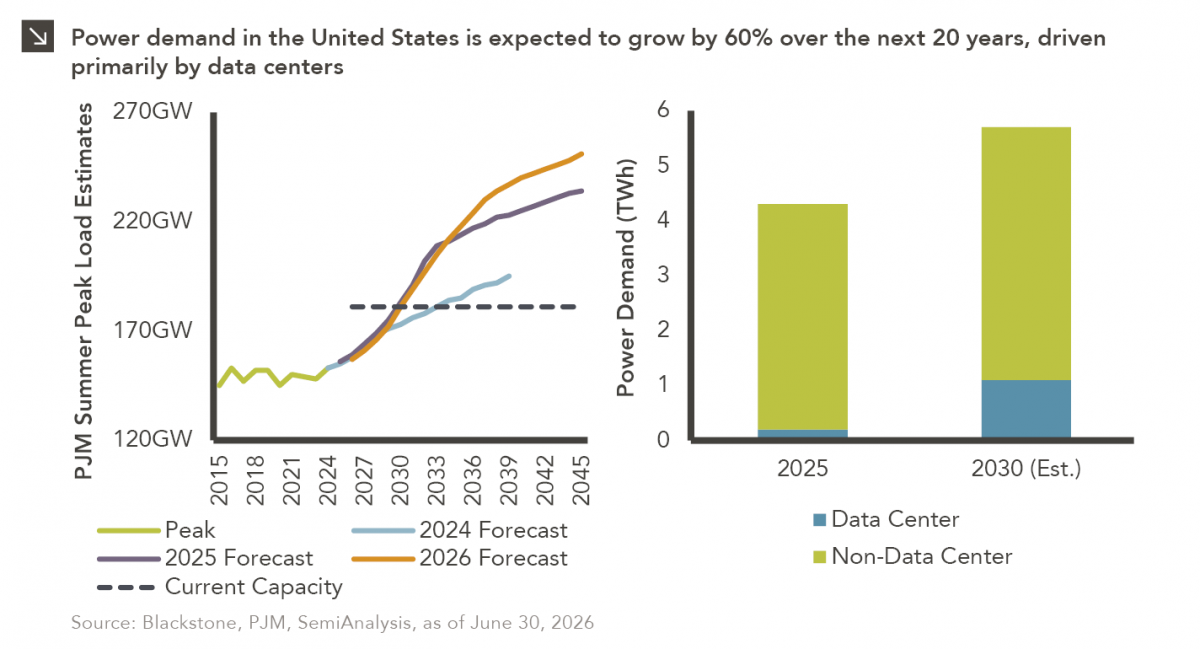
This week’s chart highlights the accelerating growth of electricity demand in the U.S., which has been driven primarily by the…

10.08.2026
LIVE WEBINAR — OCTOBER 22 Please join Marquette’s research team for our 3Q 2026 Market Insights Webinar…
10.05.2026
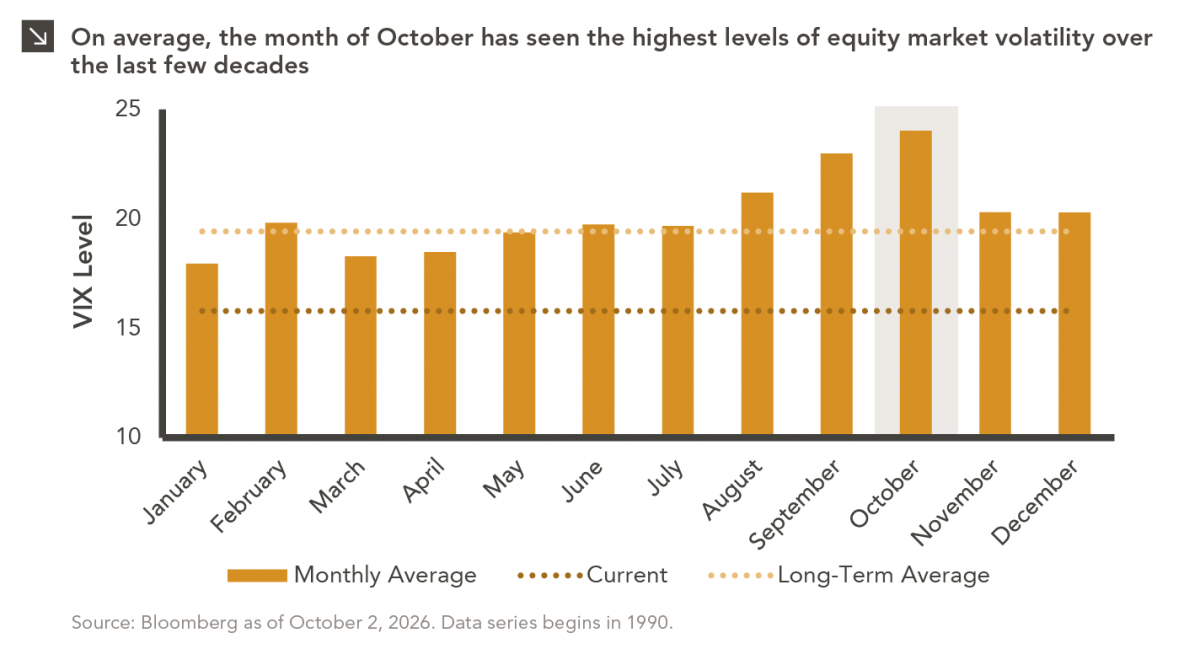
For investors, the spookiest thing about October might not be the ghosts and monsters that are bound to show up…
09.28.2026
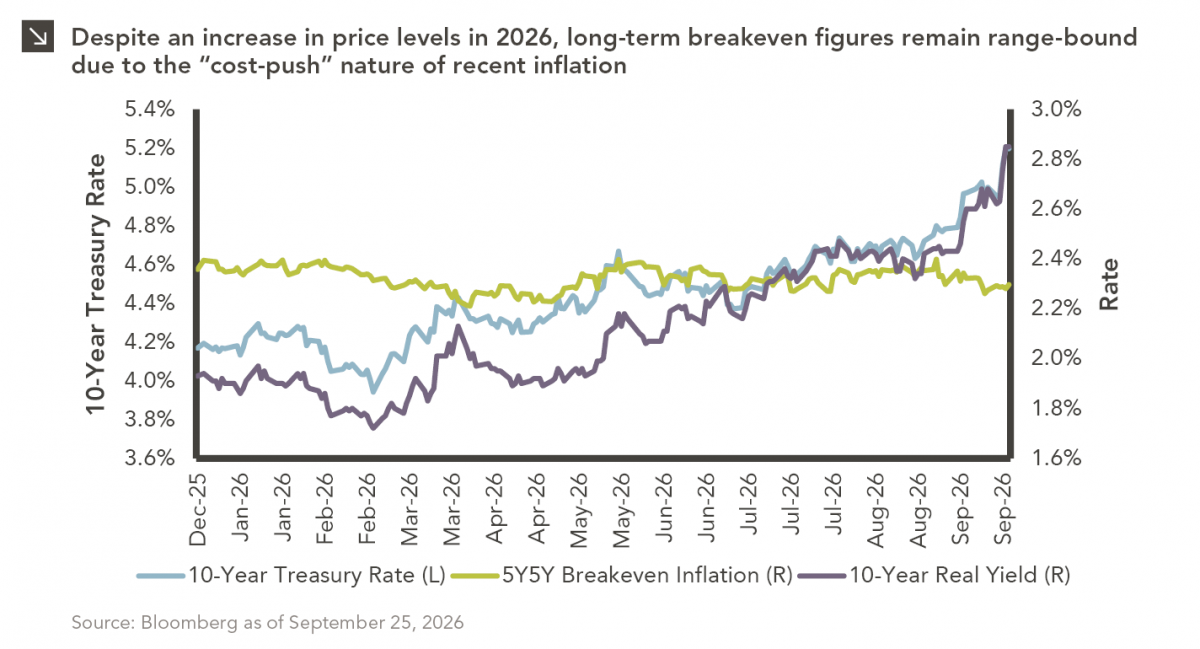
The phrase “expectations of higher inflation” has become a staple in financial news to explain the increase in nominal U.S….
Research alerts keep you updated on our latest research publications. Simply enter your contact information, choose the research alerts you would like to receive and click Subscribe. Alerts will be sent as research is published.
We respect your privacy. We will never share or sell your information.
If you have questions or need further information, please contact us directly and we will respond to your inquiry within 24 hours.
Contact Us >