10.22.2026
Will Higher Rates Cramp the Markets?
Anyone who has run a marathon knows the last six miles are brutal — no matter how well the first…


The biotech industry has taken a beating and dropped about 35% since its peak last summer as many investors have come to regard it as too speculative and risky. However, a contrarian view indicates that the Nasdaq Biotech Index is trading at a discount relative to its historical price-to-earnings and price-to-book ratios, and now may be an attractive buying opportunity.
Charted, we see the recent dip in Nasdaq-listed biotechs, though earnings have recently recovered and book value has steadily grown since the beginning of the biotech rally. The majority of the book value growth has been in intangible assets indicating that companies are expanding their patent arsenal. This buildup of intellectual property is a positive sign given the increased expenditures in research & development. Though only a few of these advancements will come to fruition in the marketplace, the thought is that those that make it will pay off handsomely for investors.
While fundamentals appear steady, investor skepticism is beginning to impact fundraising. Only $483 million has been raised via 8 biotech IPOs through May of 2016 while over $2 billion was raised via 17 IPOs during the same time period in 2015. Larger and more financially stable firms, such as Celgene, have capitalized on lower valuations through share buybacks. Smaller firms seeking cash to develop their pipelines, however, may begin to suffer if the sentiment of investors does not change. For now, the current ratio of this index has remained stable, indicating that there is no near-term liquidity problem for the industry.
Ultimately, the industry retains great potential. Drugs are shifting from blanket treatments that may only be partially effective for a mass population to specialized approaches for smaller populations with significantly increased efficacy. This increases revenue opportunities as a few specialized treatments are now regularly combined for a more potent approach. In an age when manipulating a genome is commonplace, revenue and earnings growth potential is seemingly unbounded. Though many of these technologies may prove unviable, investor sentiment for the industry may be overly negative given current valuations, stable fundamentals, and the sea of promising advancements available in the field.
The opinions expressed herein are those of Marquette Associates, Inc. (“Marquette”), and are subject to change without notice. This material is not financial advice or an offer to purchase or sell any product. Marquette reserves the right to modify its current investment strategies and techniques based on changing market dynamics or client needs.

10.22.2026
Anyone who has run a marathon knows the last six miles are brutal — no matter how well the first…
10.19.2026
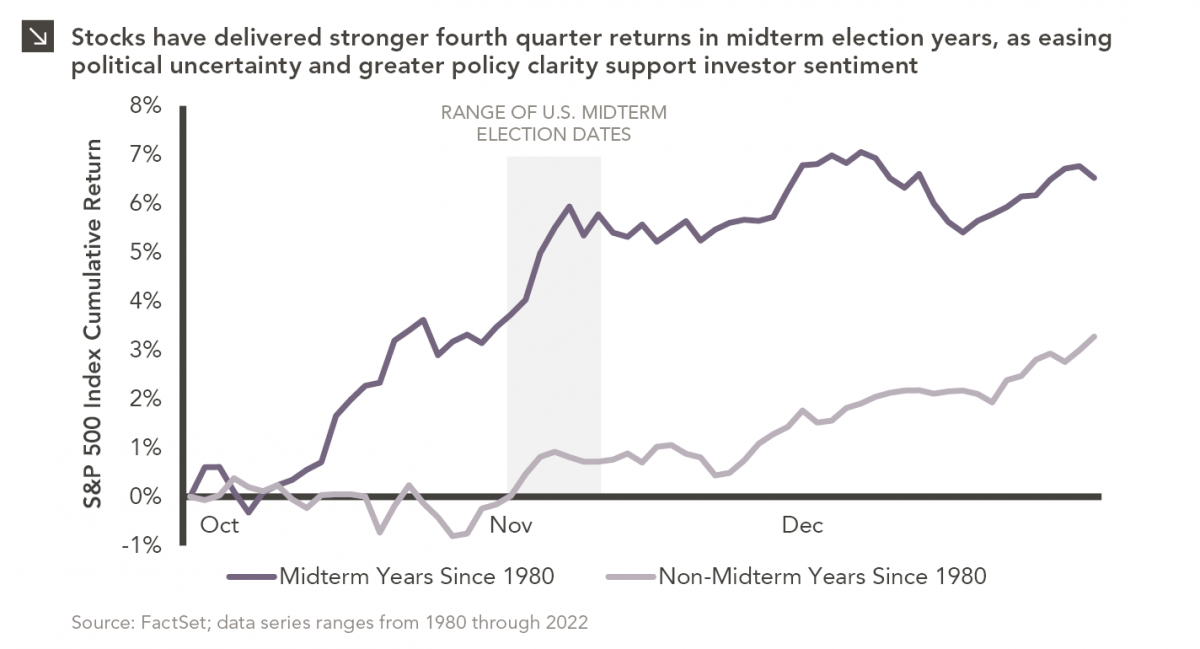
Since 1980, the S&P 500 Index has generally performed well in the weeks surrounding U.S. midterm elections. Specifically, the index…
10.12.2026
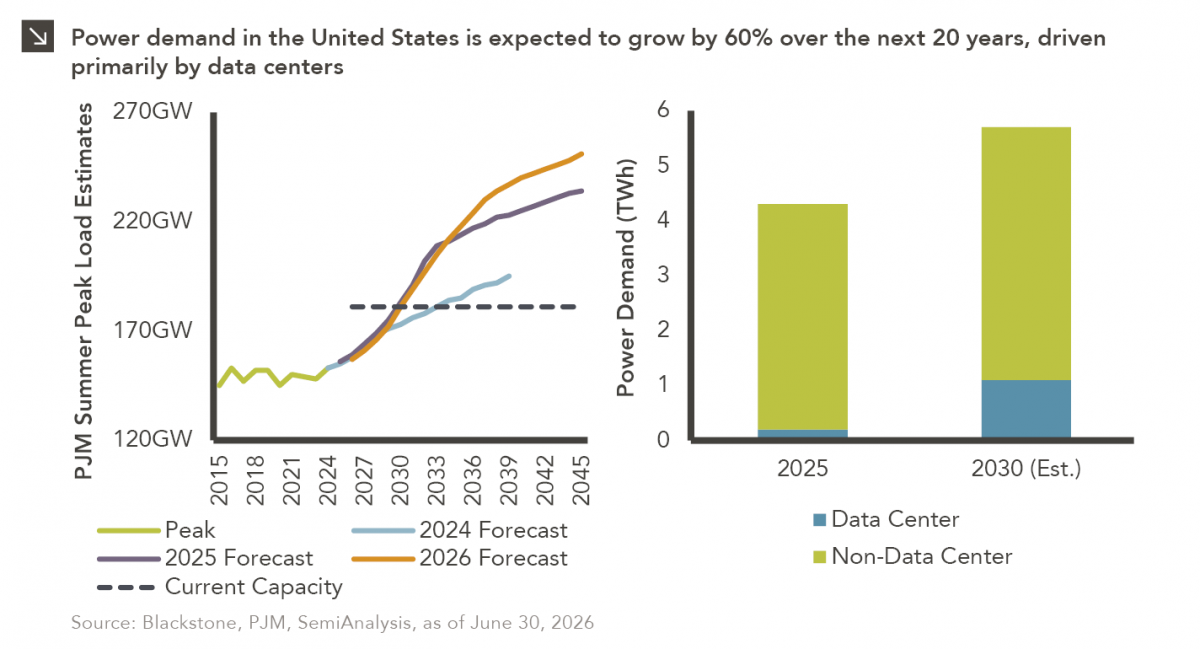
This week’s chart highlights the accelerating growth of electricity demand in the U.S., which has been driven primarily by the…

10.08.2026
LIVE WEBINAR — OCTOBER 22 Please join Marquette’s research team for our 3Q 2026 Market Insights Webinar…
10.05.2026
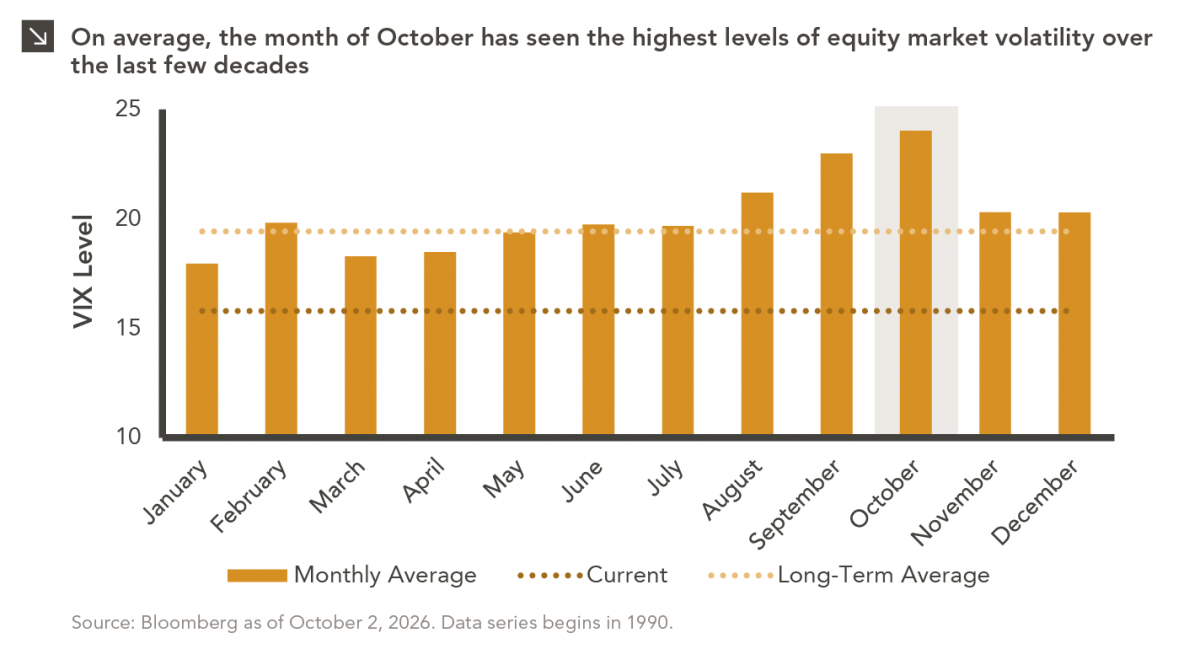
For investors, the spookiest thing about October might not be the ghosts and monsters that are bound to show up…
09.28.2026
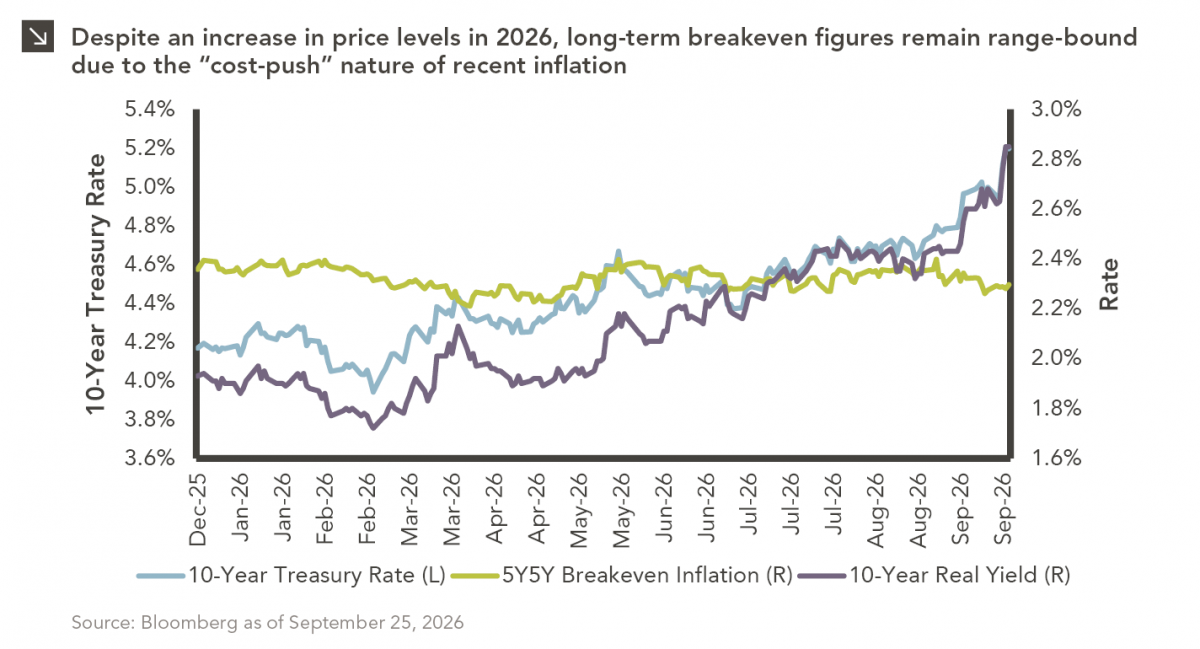
The phrase “expectations of higher inflation” has become a staple in financial news to explain the increase in nominal U.S….
Research alerts keep you updated on our latest research publications. Simply enter your contact information, choose the research alerts you would like to receive and click Subscribe. Alerts will be sent as research is published.
We respect your privacy. We will never share or sell your information.
If you have questions or need further information, please contact us directly and we will respond to your inquiry within 24 hours.
Contact Us >