Nic Solecki, CBDA
Research Analyst


Discussions surrounding cryptocurrencies and digital assets have become more common in recent months as investors seek opportunities for future growth amidst high headline inflation and mounting recession concerns. While the narratives regarding digital assets vary widely, one of the more intriguing dialogues to emerge is the broad adoption comparison between the internet and crypto.
Illustrated in green on the left is global internet adoption in its first 10 years; measured as the total number of internet users, global internet users as a percent of world population, and U.S. internet users as a percent of the U.S. population. Similarly, illustrated in blue on the right is global crypto adoption in its first 10 years; measured as total crypto owners, global crypto owners as a percent of world population, and an estimate of U.S. crypto owners as a percent of the U.S. population. At first glance, the commonality between the trends is hard to miss. However, there are some notable nuances.
First, as the U.S. led the digital revolution through the 1990s and into the 2000s, internet users and users as % of the U.S. population grew in tandem. Certainly, U.S. crypto adoption is increasing. However, the fluctuations in U.S. crypto adoption — notably from 2016 through 2020 — seems to imply that U.S. adoption has been less influential in crypto than it was with the internet. Global adoption appears to be a more consistent and prominent growth driver for crypto.
Second, the scale of internet adoption in its first decade was almost ten times greater than that realized by crypto. Although there are numerous explanations for this difference that extend beyond the scope of this causal analysis, the difference itself indicates that crypto has not realized the same breadth of adoption in its first decade as that experienced by the internet.
Naturally, no internet-crypto comparison would be complete without referencing the Dot-Com Bubble and the volatility in crypto markets. The third and final observation is the pattern of both internet and crypto adoption during market drawdowns. Despite the Dot-Com Bubble bursting in 2000, global internet adoption appears to have proceeded unphased. Similarly, when the crypto ICO (initial coin offering) bubble burst in 2018, global adoption seems to have steadily increased. In the context of adoption, this may suggest that both the excesses in secondary markets creating a bubble and the ramifications of a bubble bursting may be overplayed or overstated.
Much remains to be seen and there are many variables at play beyond the scope of this comparison. While the first 10 years of crypto adoption appears more modest than that of the internet, it can be said that crypto has steadily advanced on a trajectory comparable to the internet. History may not repeat itself, but it could rhyme. Past performance does not guarantee future results, but nonetheless, we are fascinated to watch this dynamic play out in the coming years.
Print PDF > What Do the Internet and Cryptocurrencies Have in Common?

The opinions expressed herein are those of Marquette Associates, Inc. (“Marquette”), and are subject to change without notice. This material is not financial advice or an offer to purchase or sell any product. Marquette reserves the right to modify its current investment strategies and techniques based on changing market dynamics or client needs.
10.12.2026
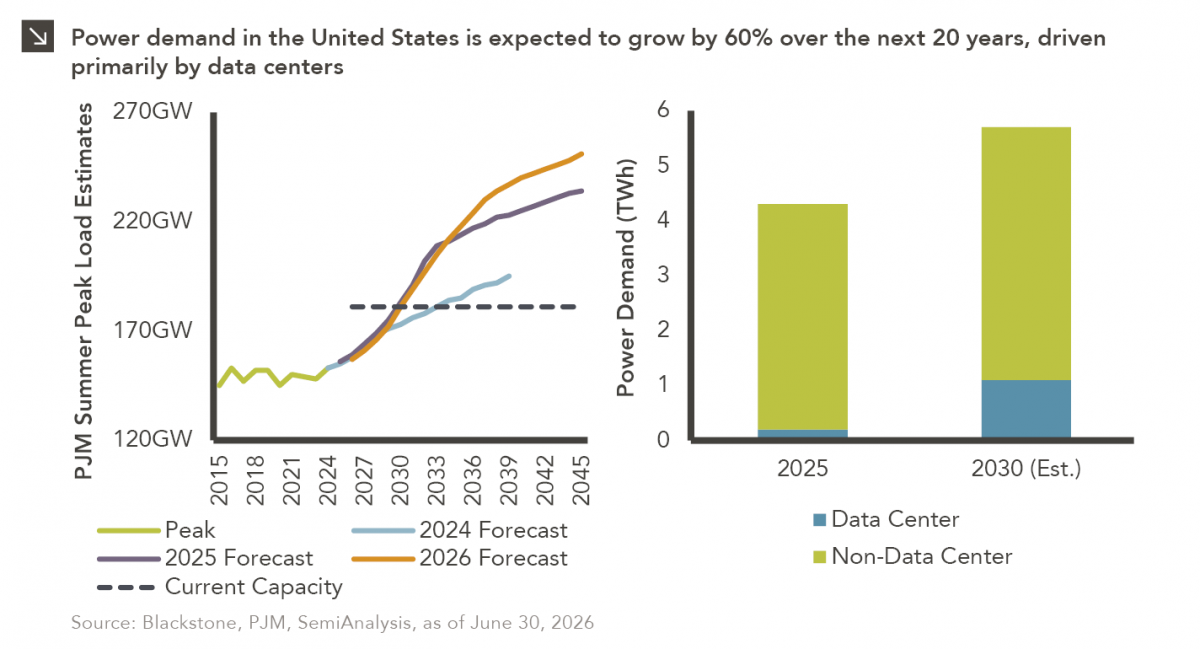
This week’s chart highlights the accelerating growth of electricity demand in the U.S., which has been driven primarily by the…

10.08.2026
LIVE WEBINAR — OCTOBER 22 Please join Marquette’s research team for our 3Q 2026 Market Insights Webinar…
10.05.2026
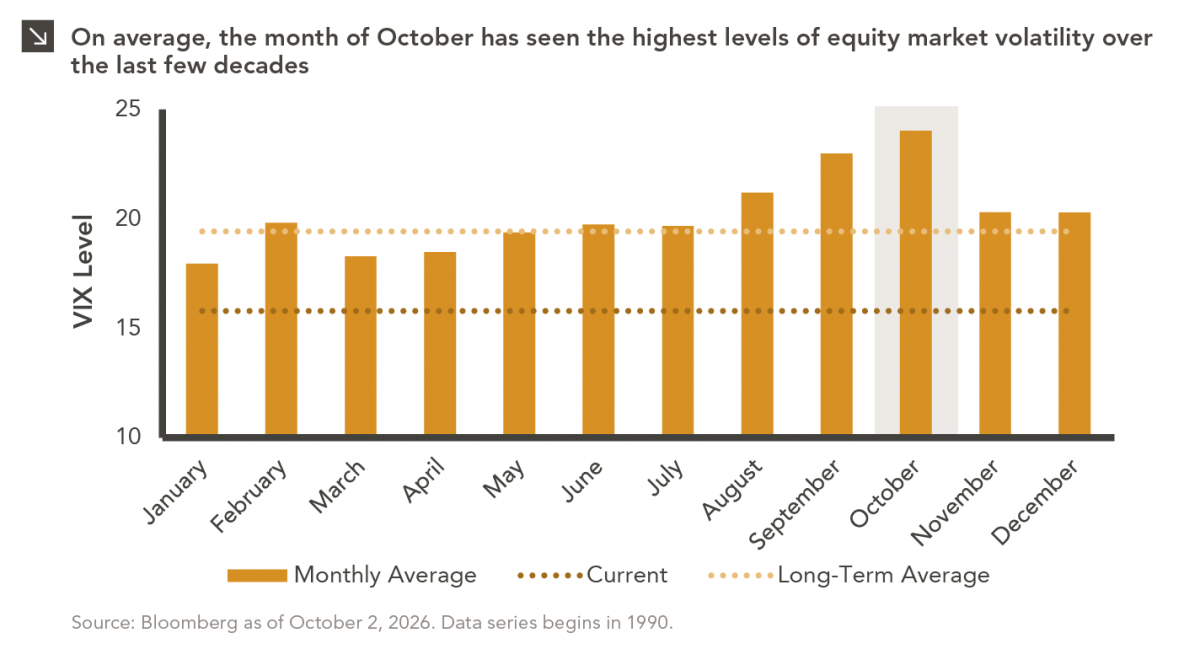
For investors, the spookiest thing about October might not be the ghosts and monsters that are bound to show up…
09.28.2026
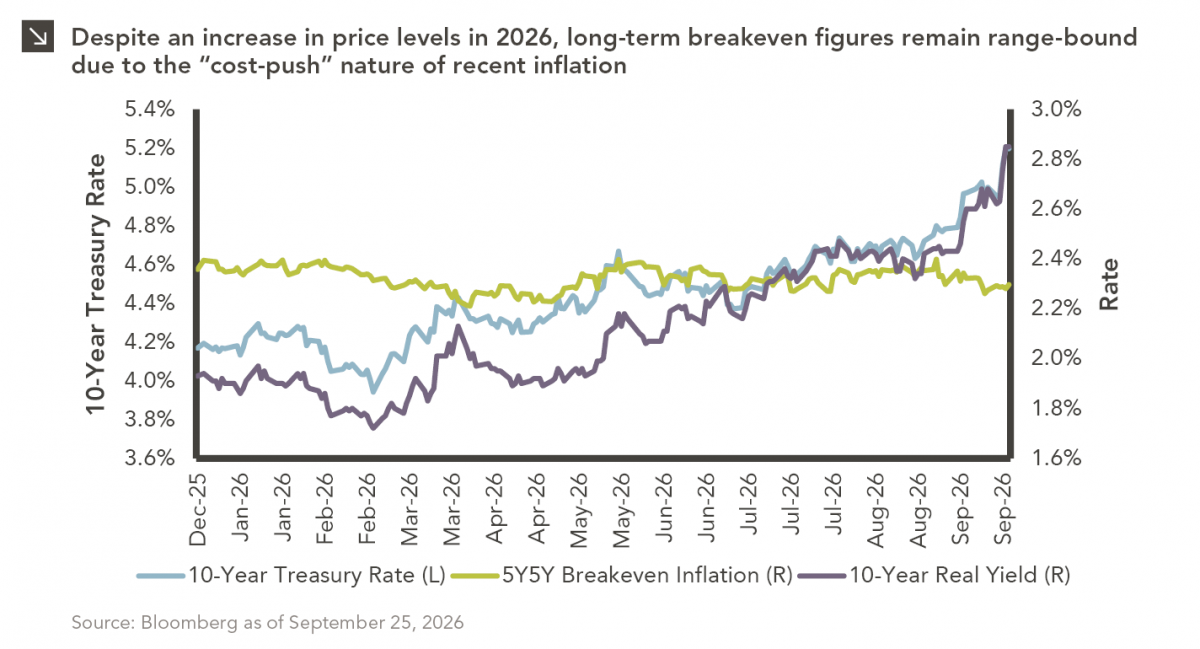
The phrase “expectations of higher inflation” has become a staple in financial news to explain the increase in nominal U.S….
09.21.2026
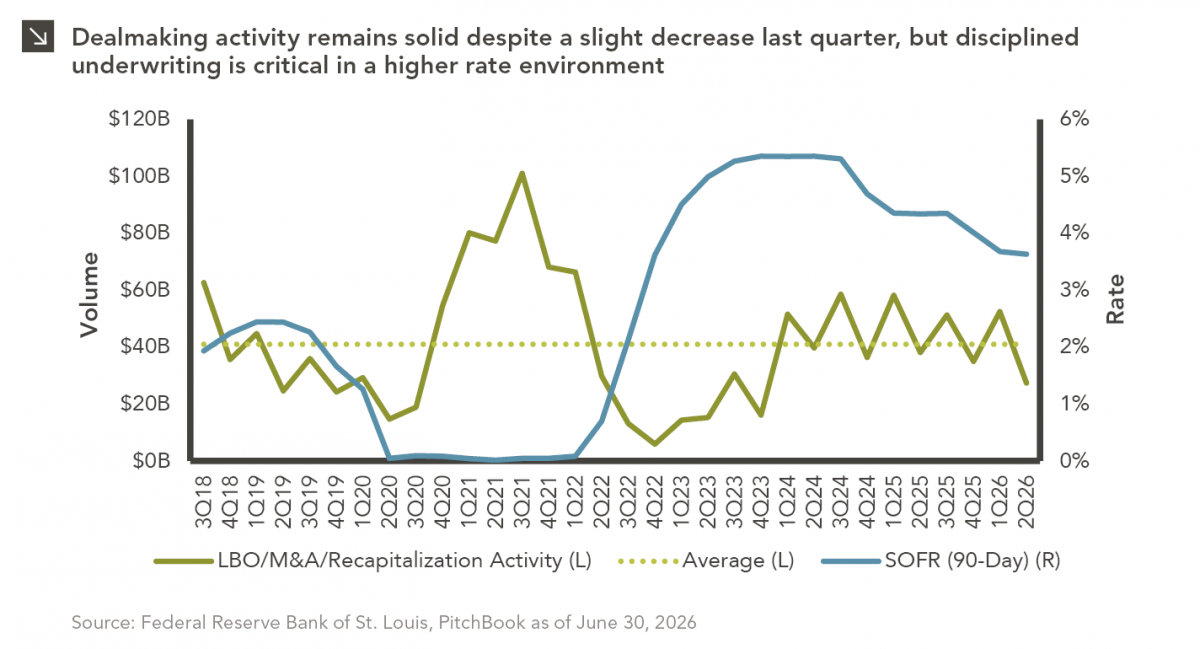
For much of the past several years, the conventional view has been that higher interest rates and stretched valuations would…
09.14.2026
There are many great things about working at Marquette Associates, but “Free Lunch Tuesday” is right at the top of…
Research alerts keep you updated on our latest research publications. Simply enter your contact information, choose the research alerts you would like to receive and click Subscribe. Alerts will be sent as research is published.
We respect your privacy. We will never share or sell your information.
If you have questions or need further information, please contact us directly and we will respond to your inquiry within 24 hours.
Contact Us >