Evan Frazier, CFA, CAIA
Senior Research Analyst


The leadership structure of the Federal Reserve is intentionally designed to promote continuity, independence, and institutional stability across political cycles. Specifically, the seven members of the central bank’s Board of Governors serve staggered 14-year terms, while the Chair is appointed to a renewable four-year term by the president and confirmed by the Senate. In this context, the nomination of Kevin Warsh by the Trump administration earlier this year to lead the Fed marks a potential inflection point for U.S. monetary policy leadership. Warsh brings a combination of public- and private-sector experience, having served as a Federal Reserve governor during the Global Financial Crisis, worked in mergers and acquisitions at Morgan Stanley, and later advised policymakers and investors as a fellow at the Hoover Institution and lecturer at Stanford. Warsh’s nomination, first announced in late January and now nearing final Senate confirmation, comes as Jerome Powell is set to end his term as Chair in the coming days, concluding a tenure defined by extraordinary economic shocks and aggressive policy responses. Recent developments have effectively cleared the path for this transition, with Warsh expected to assume the role shortly after Powell’s term expires, even as Powell has indicated he intends to remain on the Board of Governors through 2028 in a move aimed at preserving institutional continuity. Against this backdrop, Warsh is in position to take the helm of a Federal Reserve that has recently undergone a historic tightening cycle and is now navigating the late stages of the inflation fight, setting the stage for what is likely to be an evolution (rather than a reset) of policy direction.
Read > The Fed Tackles Succession Planning
The opinions expressed herein are those of Marquette Associates, Inc. (“Marquette”), and are subject to change without notice. This material is not financial advice or an offer to purchase or sell any product. Marquette reserves the right to modify its current investment strategies and techniques based on changing market dynamics or client needs.

10.08.2026
LIVE WEBINAR — OCTOBER 22 Please join Marquette’s research team for our 3Q 2026 Market Insights Webinar…

09.28.2026
The phrase “expectations of higher inflation” has become a staple in financial news to explain the increase in nominal U.S….
09.21.2026
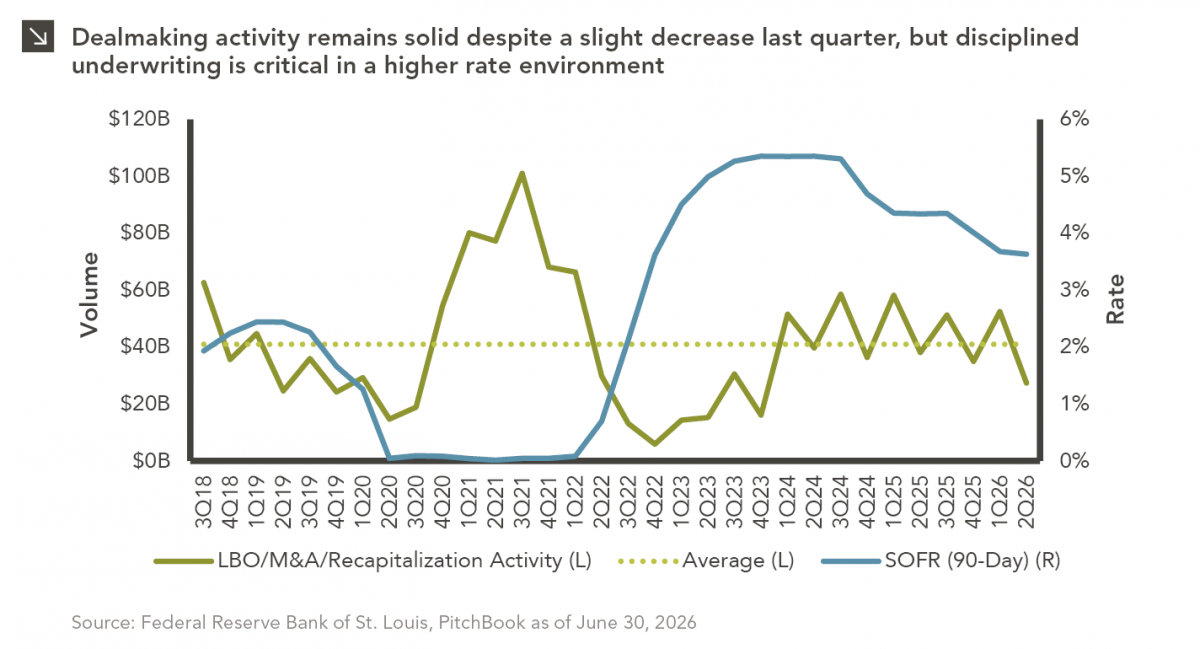
For much of the past several years, the conventional view has been that higher interest rates and stretched valuations would…
09.15.2026
Over the past decade, continuation vehicles (“CV”) have become one of the fastest-growing trends in private equity. Private equity funds…
08.24.2026
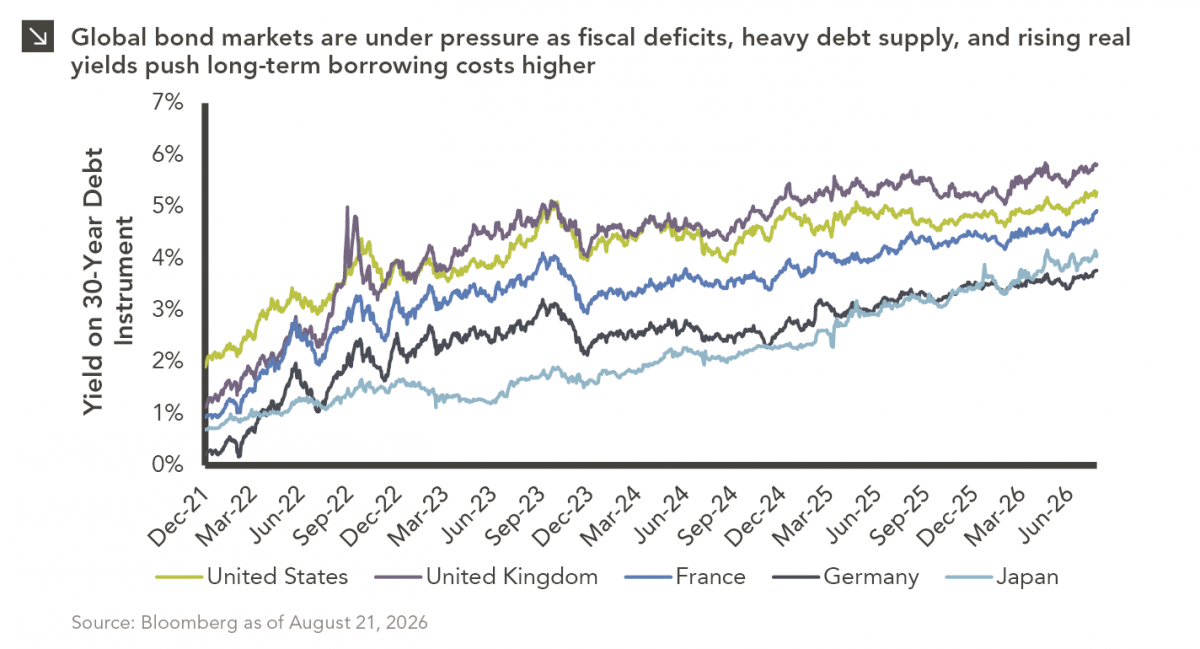
The global bond market is facing renewed pressure as investors demand higher yields to hold long-dated government debt, pushing borrowing…
08.10.2026
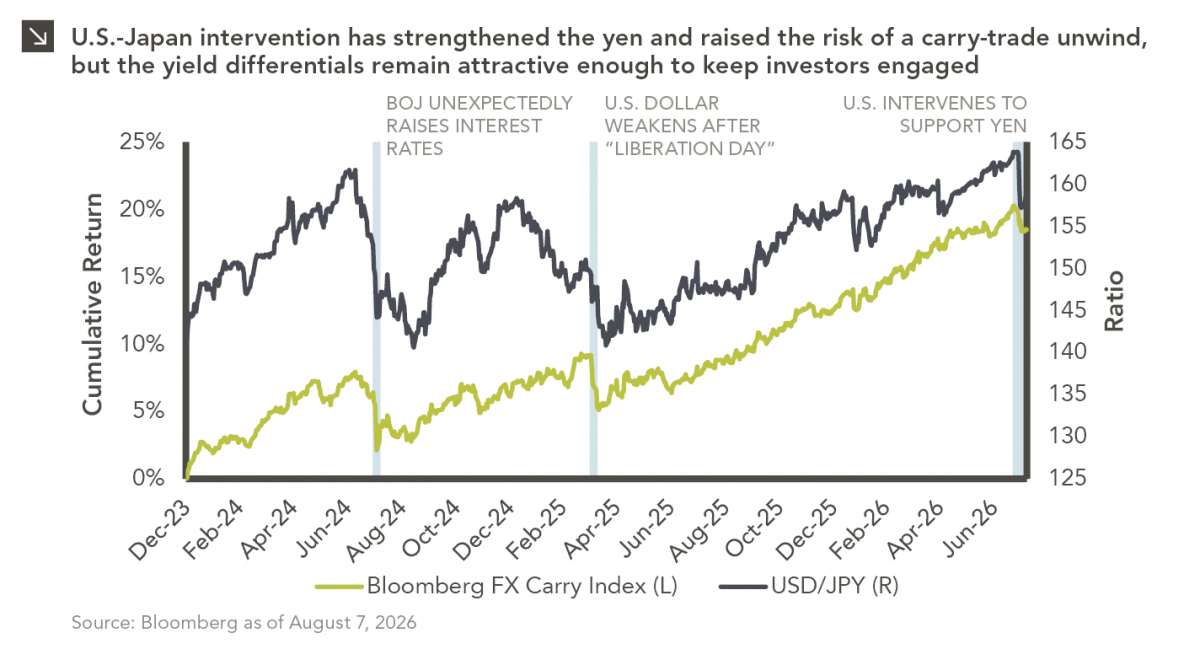
After reaching nearly ¥164 per dollar, its weakest level in roughly four decades, the yen had become a source of…
Research alerts keep you updated on our latest research publications. Simply enter your contact information, choose the research alerts you would like to receive and click Subscribe. Alerts will be sent as research is published.
We respect your privacy. We will never share or sell your information.
If you have questions or need further information, please contact us directly and we will respond to your inquiry within 24 hours.
Contact Us >