James Torgerson
Senior Research Analyst


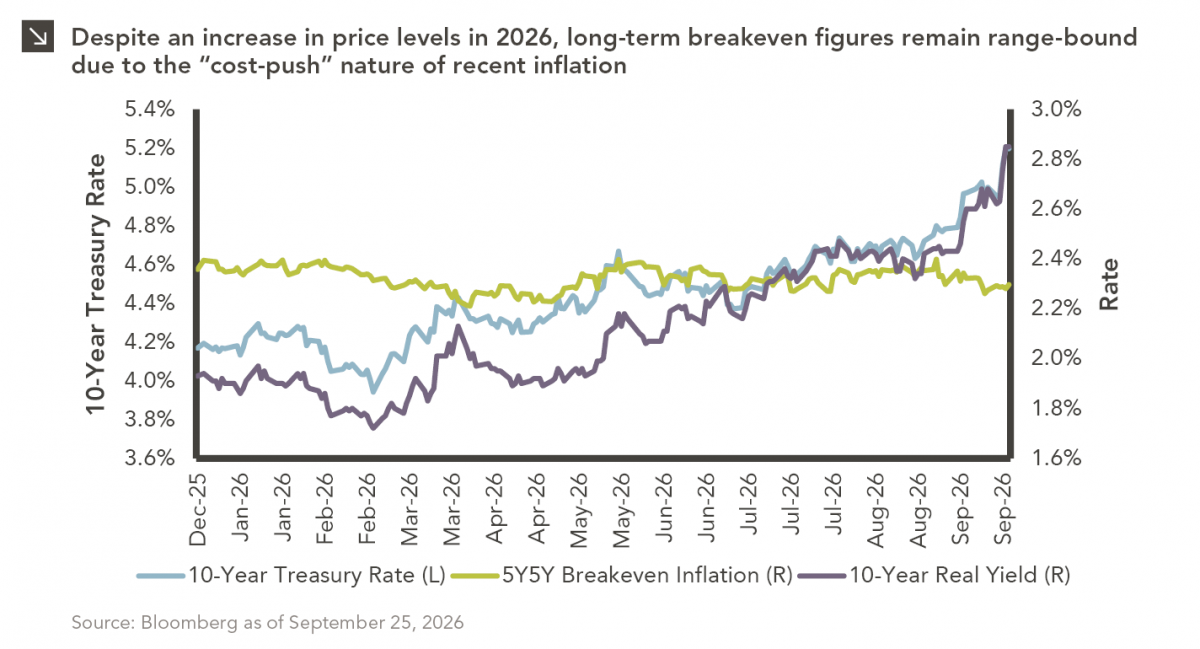
The phrase “expectations of higher inflation” has become a staple in financial news to explain the increase in nominal U.S. Treasury rates this year (e.g., the yield on the 10-year U.S. Treasury security has surged over 80 basis points since the start of 2026). Indeed, the U.S. has seen an uptick in inflation over the last few months, with the Consumer Price Index (CPI) reaching 3.4% on a year-over-year basis in August (up from 2.4% in February but down from an intra-year high of 4.2% in May). Higher energy prices due to the conflict in Iran are a major driver of the increase in CPI, and earlier this month the Federal Reserve hiked its benchmark interest rate for the first time in over three years in response to these price pressures. Given these dynamics, some might reasonably assume that expectations of higher inflation are putting upward pressure on interest rates, but a closer look at the data reveals there may be other factors at play.
This week’s chart shows the nominal 10-year U.S. Treasury rate, the real yield on the 10-year U.S. security, and the “5-Year Forward 5-Year Breakeven Inflation Rate,” which represents expected inflation over the five-year period beginning five years from today. As the chart indicates, the breakeven inflation rate has remained largely range-bound in 2026, meaning nominal interest rates and real interest rates have risen in tandem.
Why has the breakeven rate not increased this year? Traditionally, higher inflation occurs when there is too much money chasing too few goods (i.e., “demand-pull” inflation). Supply disruptions that temporarily increase prices, on the other hand, can lead to what is known as “cost-push” inflation. Notably, disruptions in supply chains during the COVID-19 pandemic caused transitory inflation to become embedded since the money supply also increased dramatically during that period. It is important to point out, however, that despite the closure of the Strait of Hormuz, Federal Reserve policy has remained largely restrictive in 2026 and broader monetary conditions have not loosened significantly. Indeed, commodity shocks often lead to temporary increases in price levels, and this dynamic helps explain why long-term inflation expectations have not increased meaningfully since the beginning of the year.
In effect, rising real yields, rather than higher expected inflation, are driving nominal yields higher. Real yields are driven by economic growth and policy dynamics, and recent movements in real yields are primarily a result of stronger growth forecasts combined with a higher term premium due to concerns around fiscal sustainability and government borrowing. While inflation remains an important consideration for investors, the data suggest that the recent rise in nominal yields is being driven more by changes in the economic and fiscal outlook than by expectations of persistently higher inflation.
Print PDF
The opinions expressed herein are those of Marquette Associates, Inc. (“Marquette”), and are subject to change without notice. This material is not financial advice or an offer to purchase or sell any product. Marquette reserves the right to modify its current investment strategies and techniques based on changing market dynamics or client needs.
10.19.2026
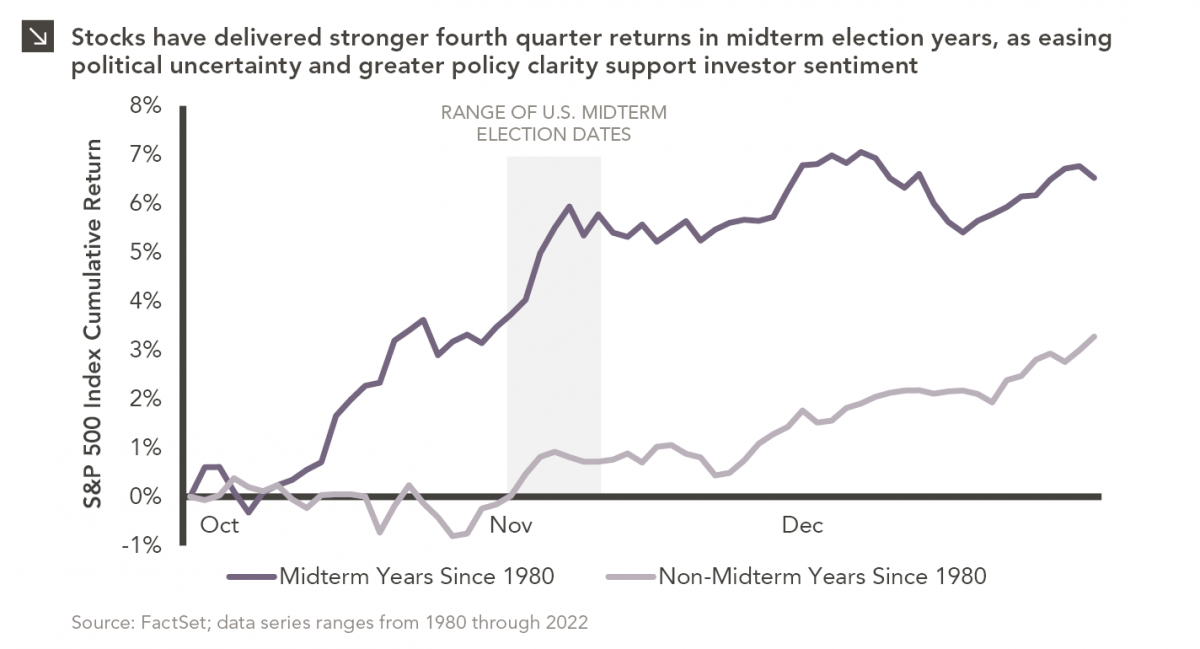
Since 1980, the S&P 500 Index has generally performed well in the weeks surrounding U.S. midterm elections. Specifically, the index…
10.12.2026
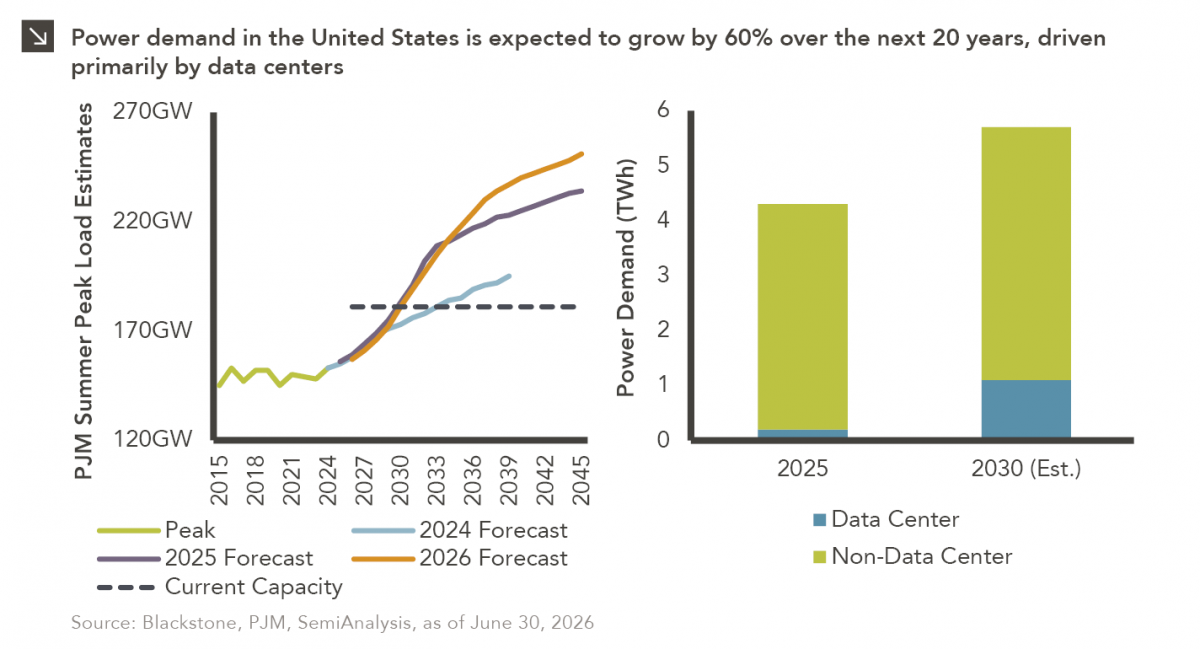
This week’s chart highlights the accelerating growth of electricity demand in the U.S., which has been driven primarily by the…

10.08.2026
LIVE WEBINAR — OCTOBER 22 Please join Marquette’s research team for our 3Q 2026 Market Insights Webinar…
10.05.2026
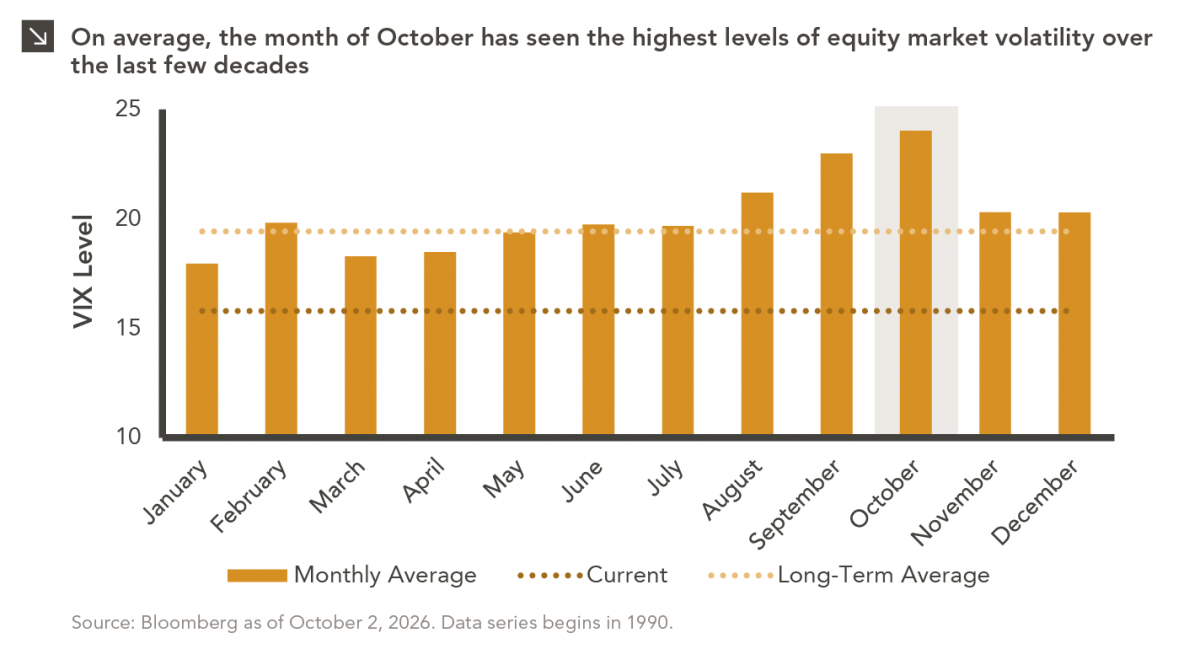
For investors, the spookiest thing about October might not be the ghosts and monsters that are bound to show up…
09.21.2026
For much of the past several years, the conventional view has been that higher interest rates and stretched valuations would…
09.14.2026
There are many great things about working at Marquette Associates, but “Free Lunch Tuesday” is right at the top of…
Research alerts keep you updated on our latest research publications. Simply enter your contact information, choose the research alerts you would like to receive and click Subscribe. Alerts will be sent as research is published.
We respect your privacy. We will never share or sell your information.
If you have questions or need further information, please contact us directly and we will respond to your inquiry within 24 hours.
Contact Us >