Catherine Hillier
Senior Research Analyst


U.S. small-cap equities have trailed their larger peers for over 13 years. Although the asset class has shown intermittent signs of strength throughout that period, including at the end of 2023 and in July of this year, a lasting shift in leadership continues to be elusive. When assessing the prospects of small-cap equities going forward, it may be helpful to analyze the high yield bond market, as the behavior of high yield spreads can serve as an indicator of small-cap strength. The primary reason for this relationship is likely that tighter spreads indicate economic strength and lower recession risk, and performance of small-cap stocks is closely tied to the health of the economy. To that point, over the last two decades when high yield spreads retreated below key levels outlined in this week’s chart, small-cap equities have tended to perform well. A recent example of this phenomenon came in late 2020, when spreads fell sharply, and the Russell 2000 Index advanced by over 22%. Spreads fell again in November of last year and remain tight to this day, and the Russell 2000 Index has advanced by roughly 36% over this period.
Although large-cap stocks continue to propel markets into the fourth quarter, there are several potential catalysts for small-cap equities that could be unlocked in the near future. First, forward valuations (e.g., price-to-earnings ratios) for small caps relative to large caps sit near historic lows. Additionally, investors may see a shift in Federal Reserve policy as a trigger for a market regime change, as small-cap equities are more negatively impacted by higher interest rates given the larger debt burdens these companies typically carry. Put simply, lower interest rates have historically been a tailwind for small-cap stock performance. Perhaps most importantly, the fundamental backdrop for small caps shows signs of improvement. Specifically, easing pressures from interest expenses and a reacceleration of sales may support earnings growth, which has fallen short of lofty expectations from the beginning of the year. Finally, the benefits of reshoring and recent government spending that will likely accrue to smaller companies have yet to be fully realized.
Despite these potential catalysts, a revival within the small-cap space remains elusive, at least for now. While a softer inflation reading in July spurred a brief rally in small-cap equities, the Russell 2000 Index has retreated by roughly 50 basis points since the Fed cut its policy rate. This figure is well below the 2.4% return notched by the S&P 500 Index since that time. Indeed, large-cap stocks may currently be perceived as a safe haven amid higher levels of market volatility, economic risk, geopolitical conflicts, and consumer weakness. Still, Marquette believes a dedicated allocation to small-cap stocks will ultimately prove beneficial to investors in the future given the diversification benefits offered by the space and the potential catalysts for stronger performance outlined above.
Print PDF
The opinions expressed herein are those of Marquette Associates, Inc. (“Marquette”), and are subject to change without notice. This material is not financial advice or an offer to purchase or sell any product. Marquette reserves the right to modify its current investment strategies and techniques based on changing market dynamics or client needs.
10.19.2026
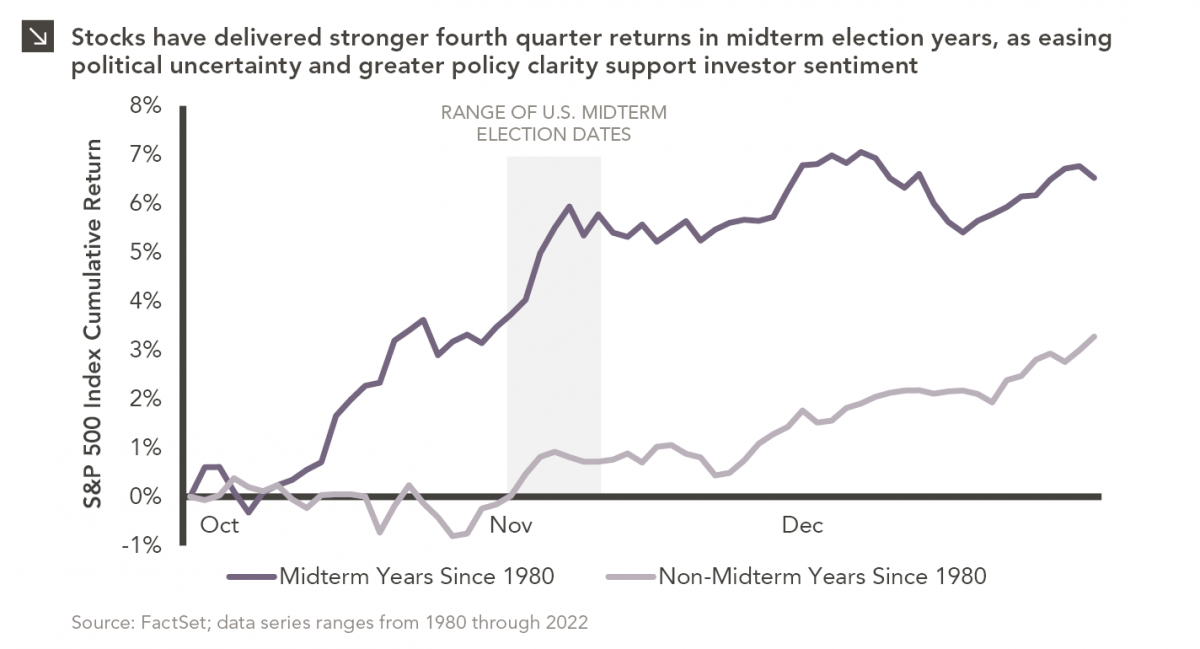
Since 1980, the S&P 500 Index has generally performed well in the weeks surrounding U.S. midterm elections. Specifically, the index…
10.12.2026
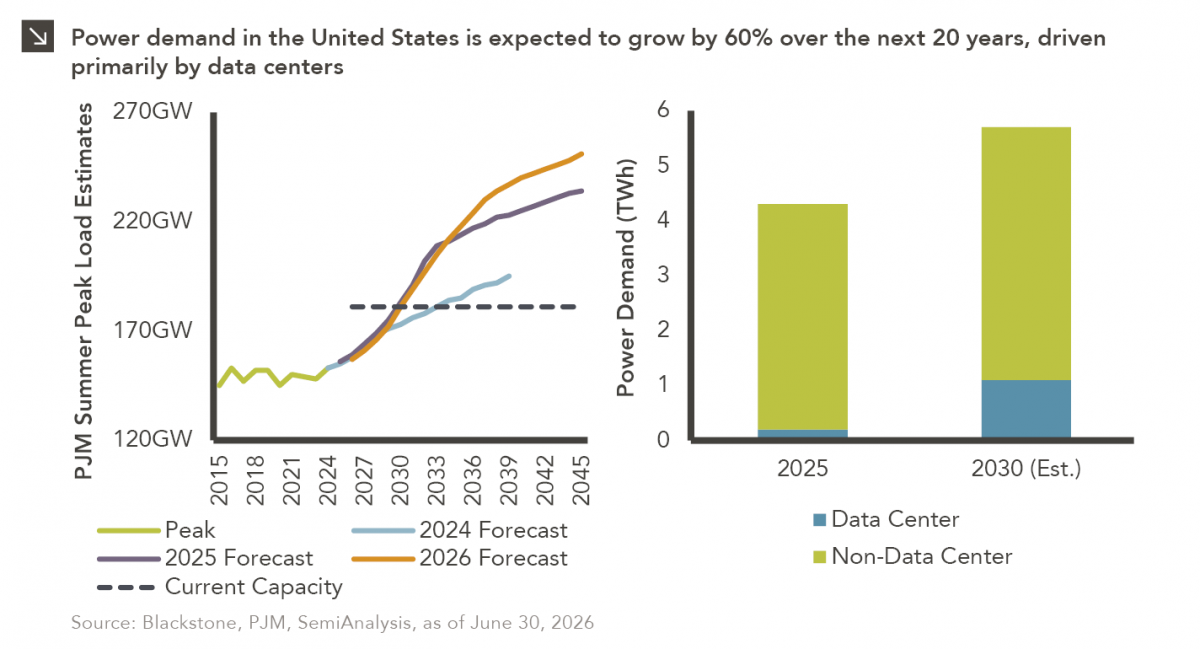
This week’s chart highlights the accelerating growth of electricity demand in the U.S., which has been driven primarily by the…

10.08.2026
LIVE WEBINAR — OCTOBER 22 Please join Marquette’s research team for our 3Q 2026 Market Insights Webinar…
10.05.2026
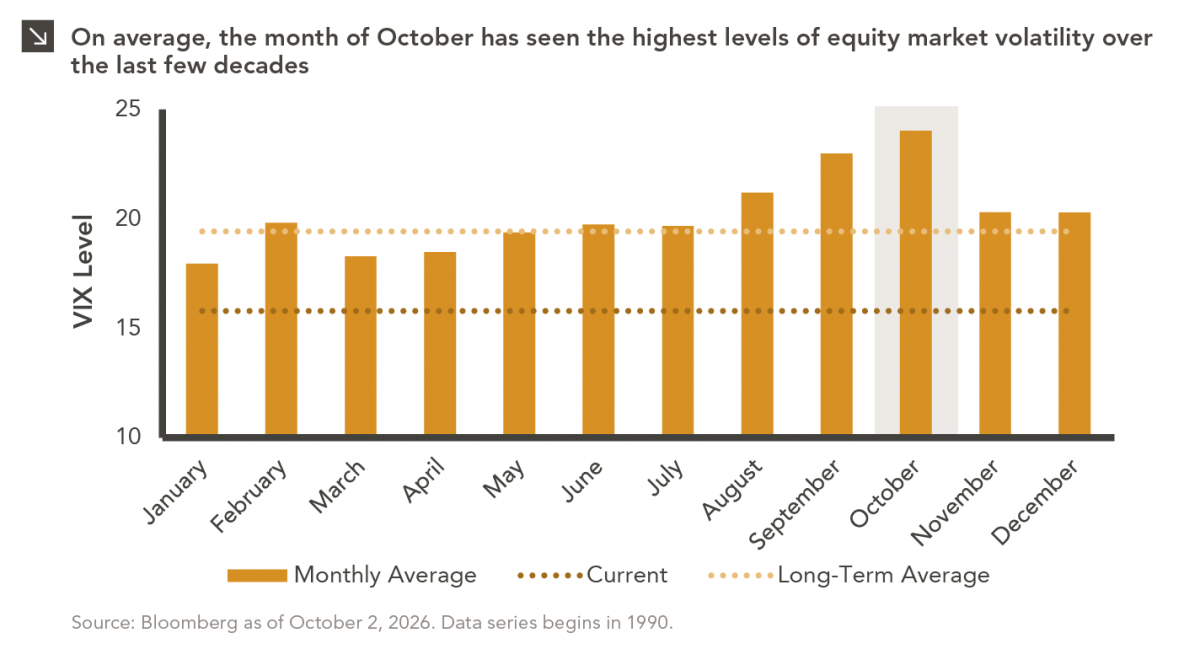
For investors, the spookiest thing about October might not be the ghosts and monsters that are bound to show up…
09.28.2026
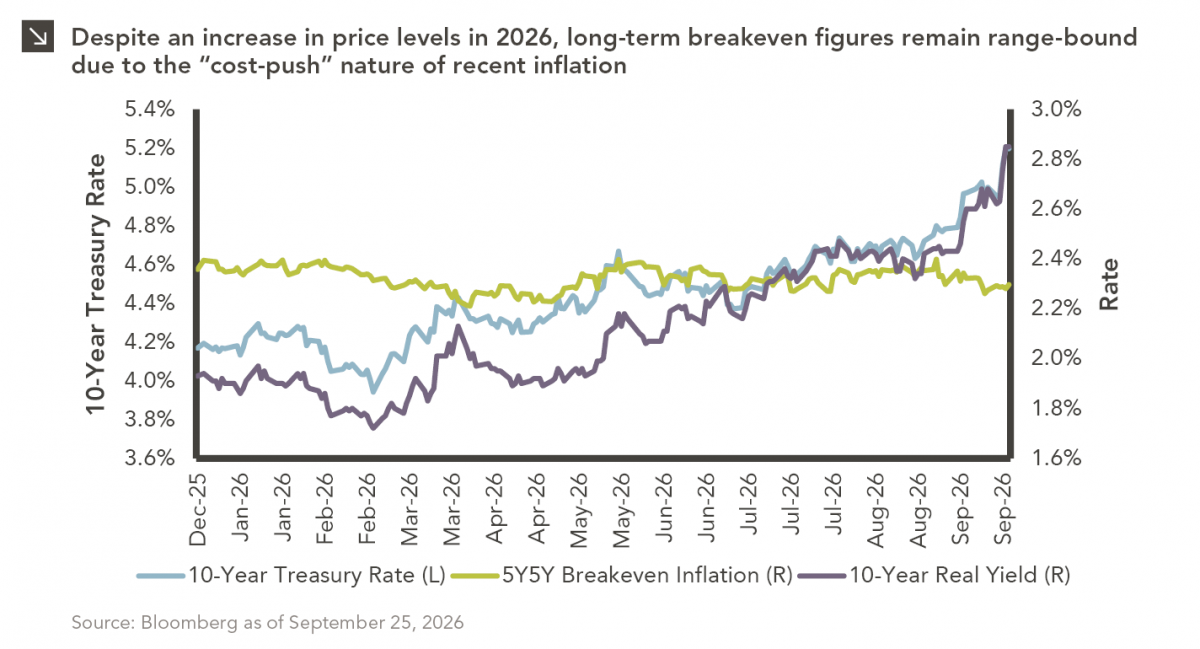
The phrase “expectations of higher inflation” has become a staple in financial news to explain the increase in nominal U.S….
09.21.2026
For much of the past several years, the conventional view has been that higher interest rates and stretched valuations would…
Research alerts keep you updated on our latest research publications. Simply enter your contact information, choose the research alerts you would like to receive and click Subscribe. Alerts will be sent as research is published.
We respect your privacy. We will never share or sell your information.
If you have questions or need further information, please contact us directly and we will respond to your inquiry within 24 hours.
Contact Us >