10.08.2026
3Q 2026 Market Insights
This video is a recording of a live webinar held October 22 by Marquette’s research team analyzing the third quarter…


This week’s Chart of the Week examines queue levels of core real estate managers. Real estate’s recent performance along with its yield premium has led to increased investor interest, and consequently the formation of contribution queues. Contribution queues are the value of the cumulative dry-powder to put to work, i.e., what could potentially get called by managers in a quarter. If 100% of capital is called, the contribution queue is eliminated: prior quarter queue − capital called + new investor commitments = current quarter contribution queue.
Queue levels have to be monitored carefully because they could potentially dilute investment returns. The pressure to call capital and earn management fees might outweigh adhering to investment discipline or paying fair value for an asset. Additionally, the pressure to put money to work could lead to style drift by going outside of appropriate geographies or property types in order to increase fund size. If a significant queue exists for a particular manager, he/she may feel the pressure to put this money to work and overpay for an asset, as opposed to adhering to a more disciplined investment process. Such a practice is critical in today’s market: if one overpays in the beginning, an asset’s return potential is decreased.
Evaluating the last two years of data, the industry’s quarterly contribution queue has averaged $6.3B. For the last two years, the average queue into a fund has ranged from $292M to $426M, but two funds are driving an upward bias with these values. Excluding these two managers, the quarterly average queue into a fund has ranged from $84M to $184M. Most important to note is that queue levels have remained relatively stable as prices have rebounded. Overall, the steady level suggests that managers are remaining disciplined when completing transactions and not rushing to put money to work.
The opinions expressed herein are those of Marquette Associates, Inc. (“Marquette”), and are subject to change without notice. This material is not financial advice or an offer to purchase or sell any product. Marquette reserves the right to modify its current investment strategies and techniques based on changing market dynamics or client needs.

10.08.2026
This video is a recording of a live webinar held October 22 by Marquette’s research team analyzing the third quarter…
10.19.2026
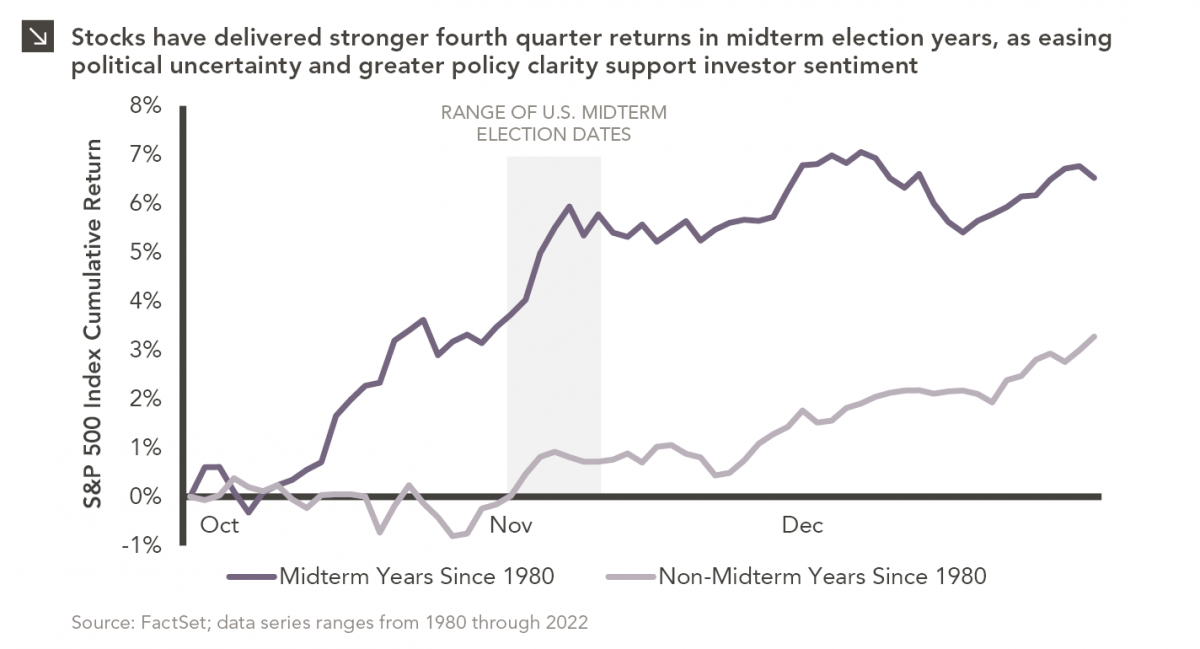
Since 1980, the S&P 500 Index has generally performed well in the weeks surrounding U.S. midterm elections. Specifically, the index…
10.12.2026
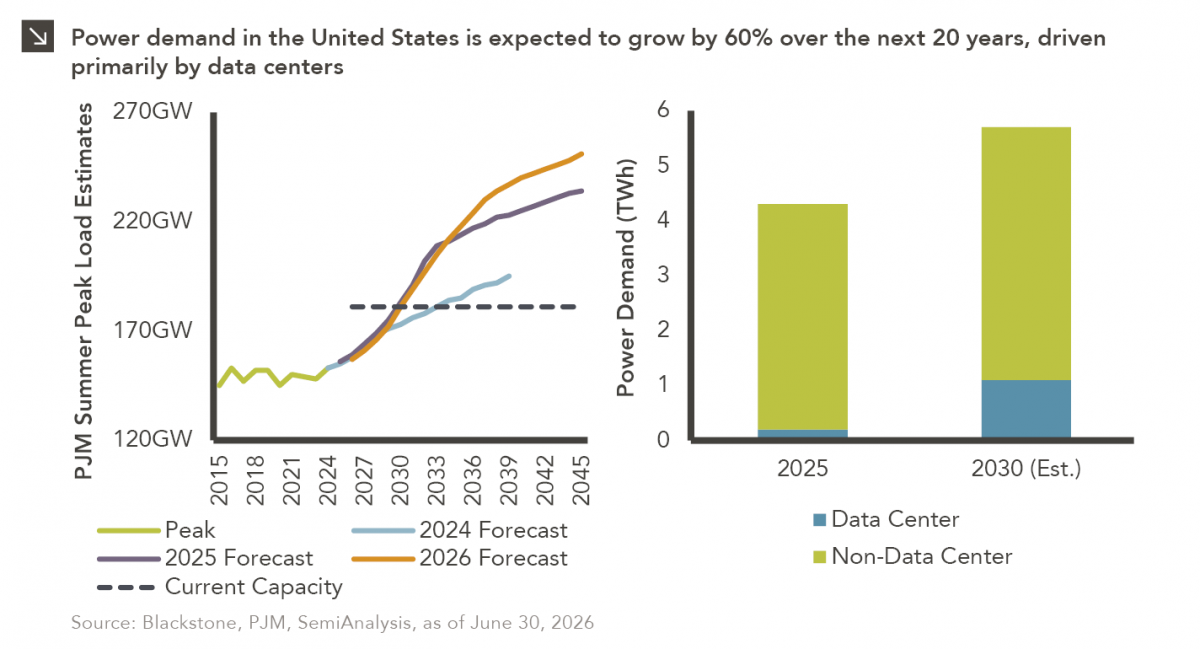
This week’s chart highlights the accelerating growth of electricity demand in the U.S., which has been driven primarily by the…
10.05.2026
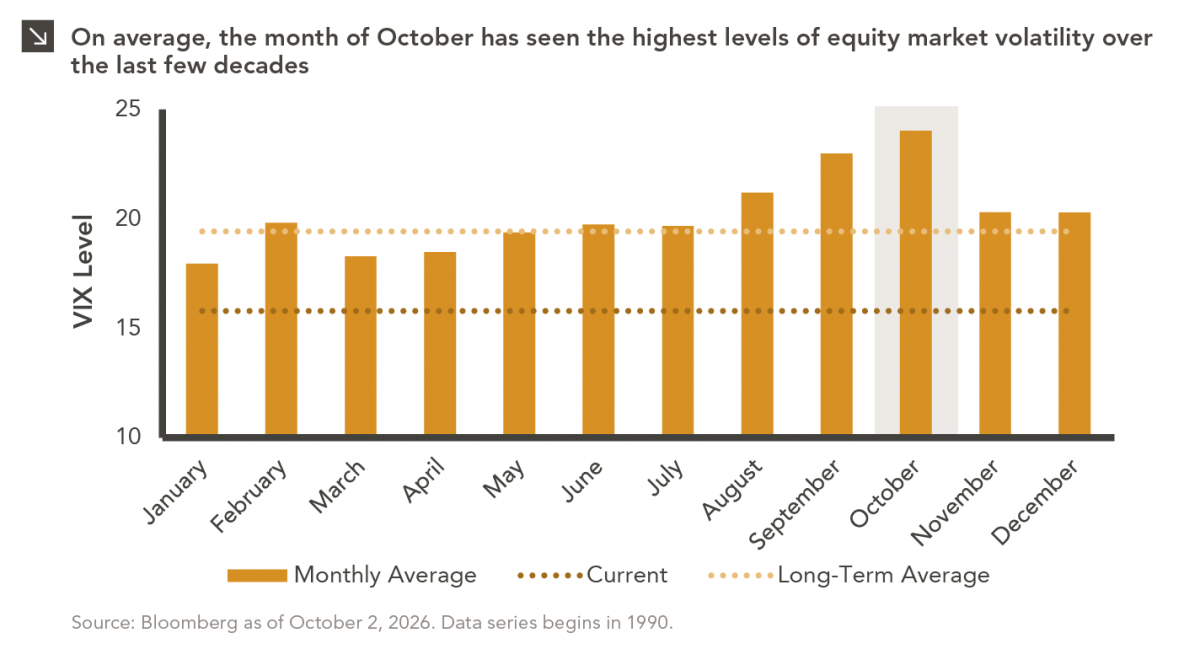
For investors, the spookiest thing about October might not be the ghosts and monsters that are bound to show up…
09.28.2026
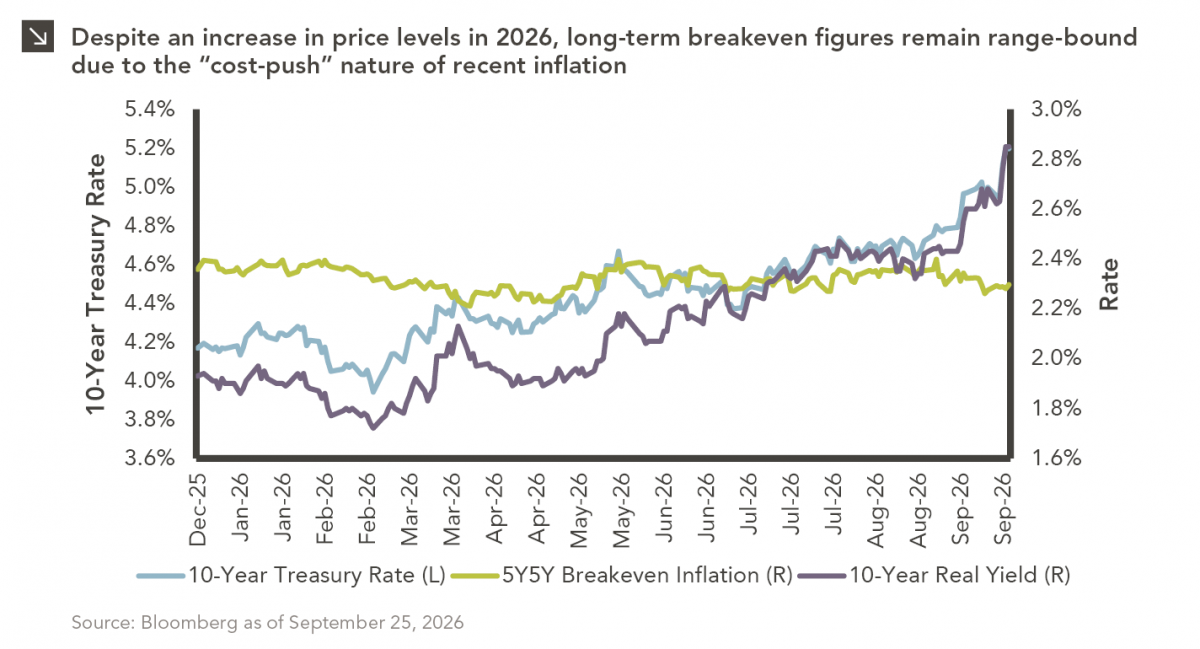
The phrase “expectations of higher inflation” has become a staple in financial news to explain the increase in nominal U.S….
09.21.2026
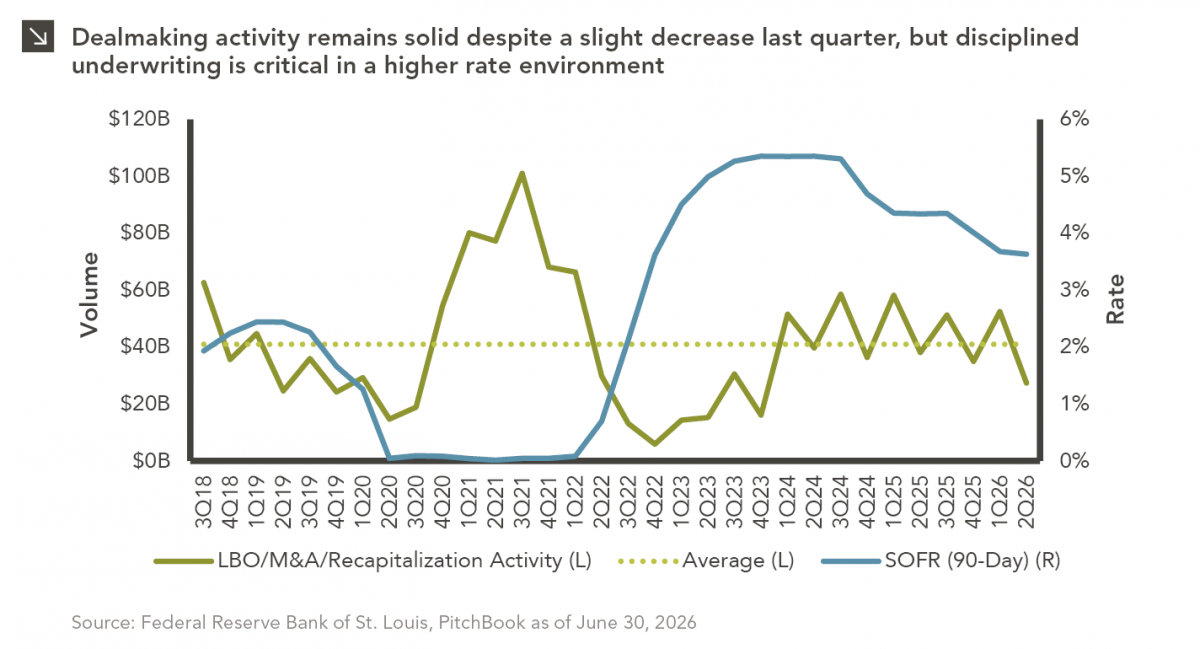
For much of the past several years, the conventional view has been that higher interest rates and stretched valuations would…
Research alerts keep you updated on our latest research publications. Simply enter your contact information, choose the research alerts you would like to receive and click Subscribe. Alerts will be sent as research is published.
We respect your privacy. We will never share or sell your information.
If you have questions or need further information, please contact us directly and we will respond to your inquiry within 24 hours.
Contact Us >