09.14.2026
No More Free Lunch?
There are many great things about working at Marquette Associates, but “Free Lunch Tuesday” is right at the top of…


This week we take a look at the unemployment rates among young people and the rising levels of student debt. Following the crash in 2008, the aggregate student debt has more than doubled, rising from $500 billion to over $1 trillion. This is the result of not only traditional students struggling to afford tuition, but also due to many people returning to school in the hopes of improving their skill sets in a tough job market. The drastic increase is even more worrisome given the high levels of unemployment facing those who carry the majority of this debt. Workers between the ages of 15 and 24 are significantly more likely to be unemployed than their elders, with their current unemployment rate at 14.2% compared to 6.1% for those ages 25-54.
However, this is not necessarily as bad as it seems. As high as the present unemployment numbers are compared to the rest of the population, they are fairly consistent with historical averages. Additionally, the systematically high youth unemployment is not unique to the U.S. Most recently available data shows this figure in the European Union as 23.3% compared to 10.8% for the total population, and 16.0% and 7.8% respectively, among OECD countries.
Ultimately, there are two primary worries about the massive level of student debt. The first — and most obvious — is a widespread pattern of defaults on this outstanding debt, a potential disruption to the credit markets, and by extension, a headwind for growth. The second — while not as severe but still a threat to economic growth — is a reduction in consumption from students who are spending a larger percentage of their income on debt service, rather than consuming goods and services. Collectively, these two forces could emerge as a drag on economic growth at a time when the U.S. economy seems to need all the help it can get.
The opinions expressed herein are those of Marquette Associates, Inc. (“Marquette”), and are subject to change without notice. This material is not financial advice or an offer to purchase or sell any product. Marquette reserves the right to modify its current investment strategies and techniques based on changing market dynamics or client needs.
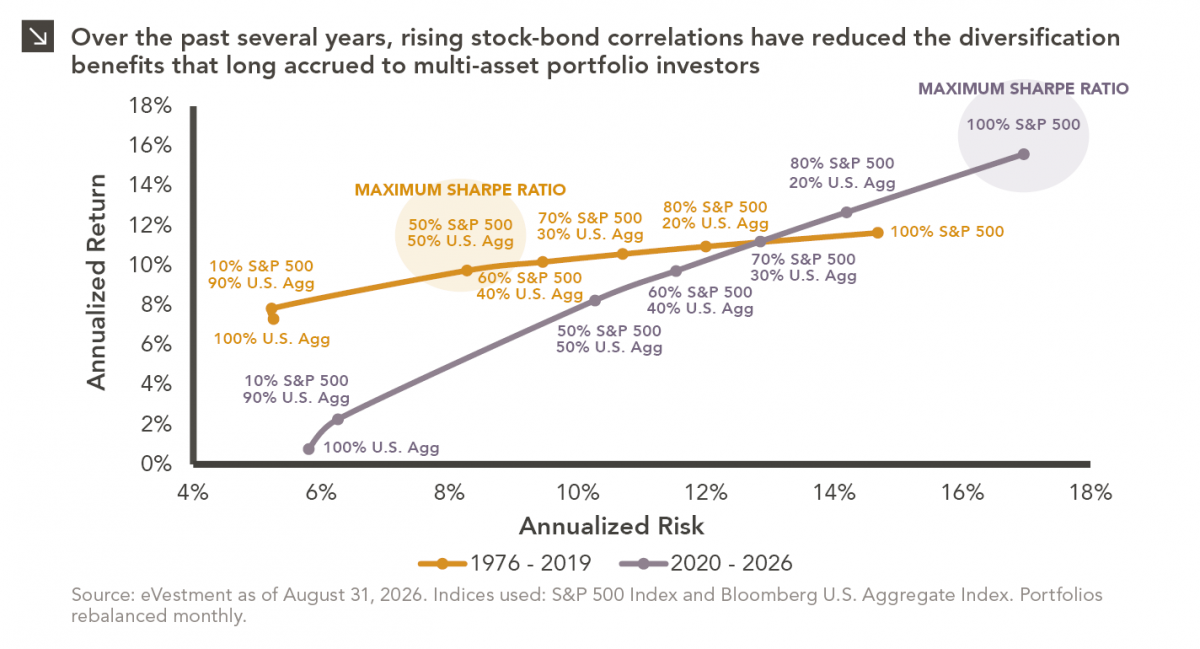
09.14.2026
There are many great things about working at Marquette Associates, but “Free Lunch Tuesday” is right at the top of…
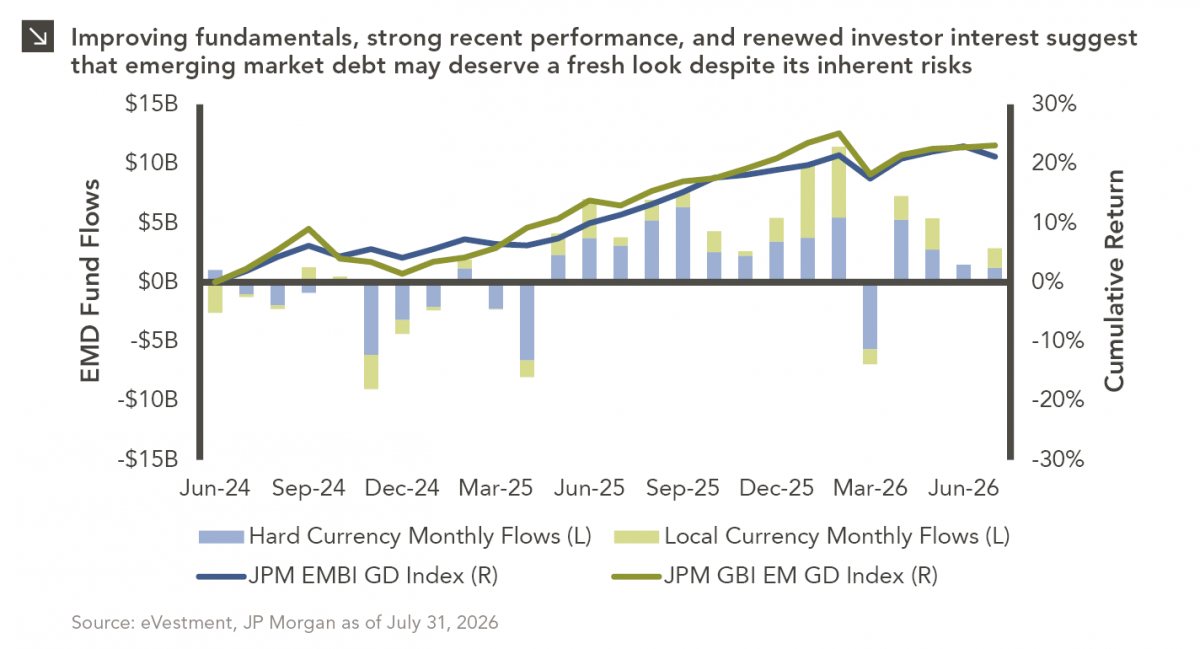
09.08.2026
Over the last several years, emerging market debt (EMD) has faced several headwinds, with rising yields across other fixed income…
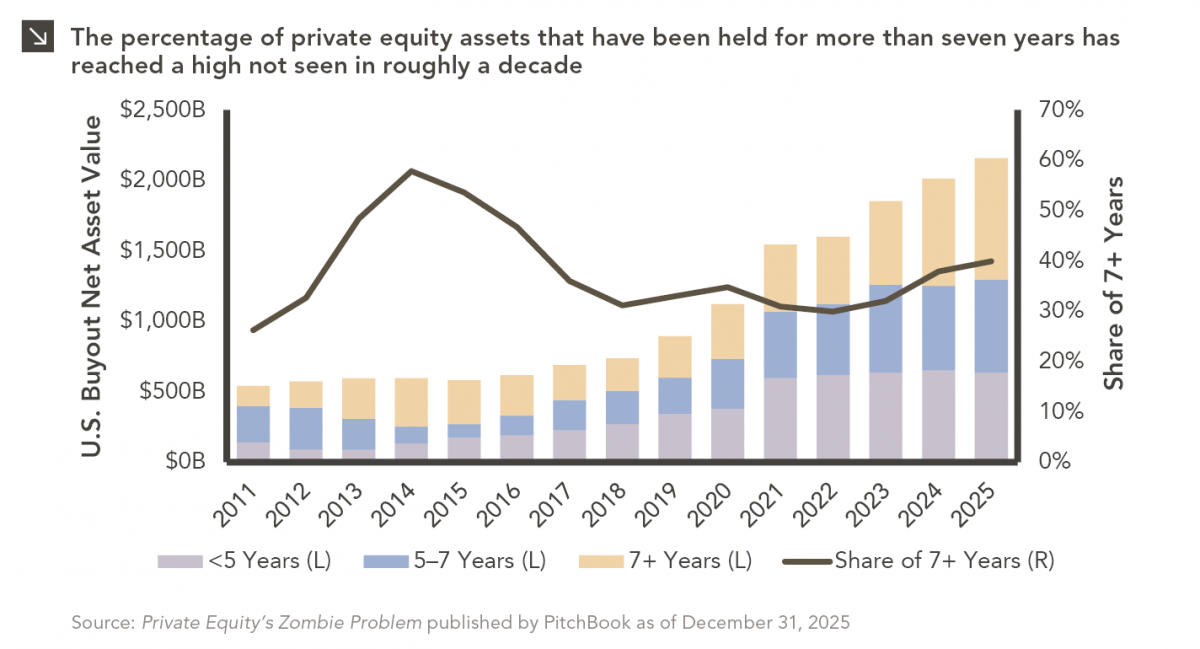
08.31.2026
Private equity has always had a few portfolio companies that refused to leave the party. Today, however, the industry appears…
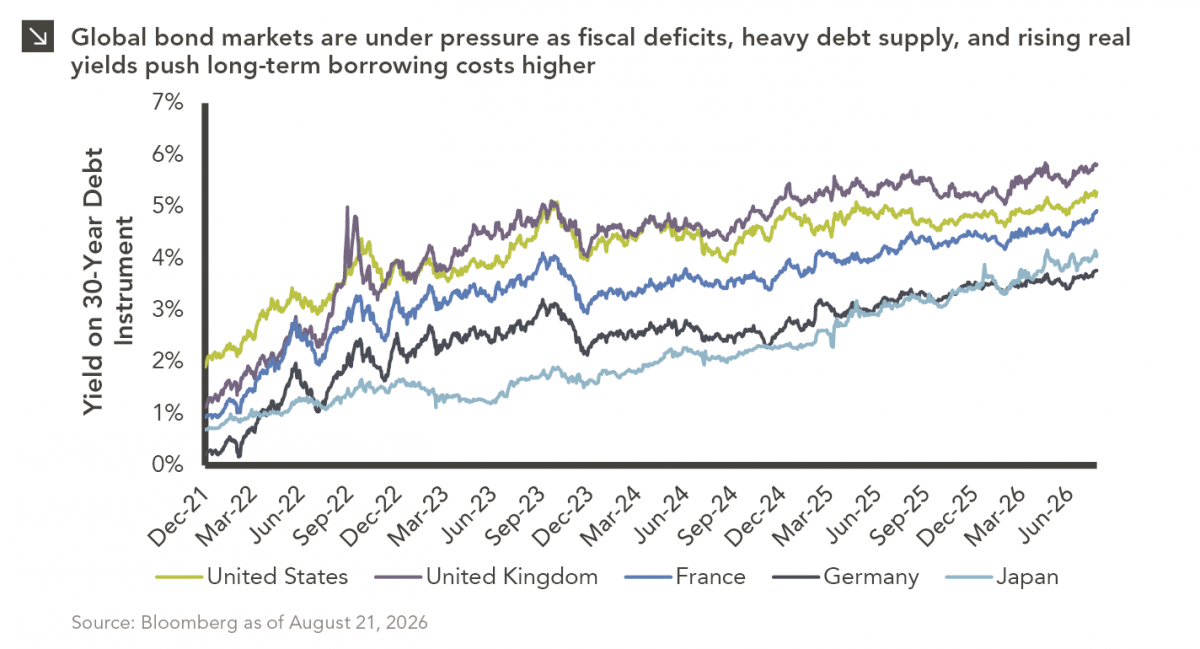
08.24.2026
The global bond market is facing renewed pressure as investors demand higher yields to hold long-dated government debt, pushing borrowing…

08.17.2026
As a college football player struggling to put on mass, the “supersizing” deal at McDonald’s was hard to beat. For…
08.10.2026
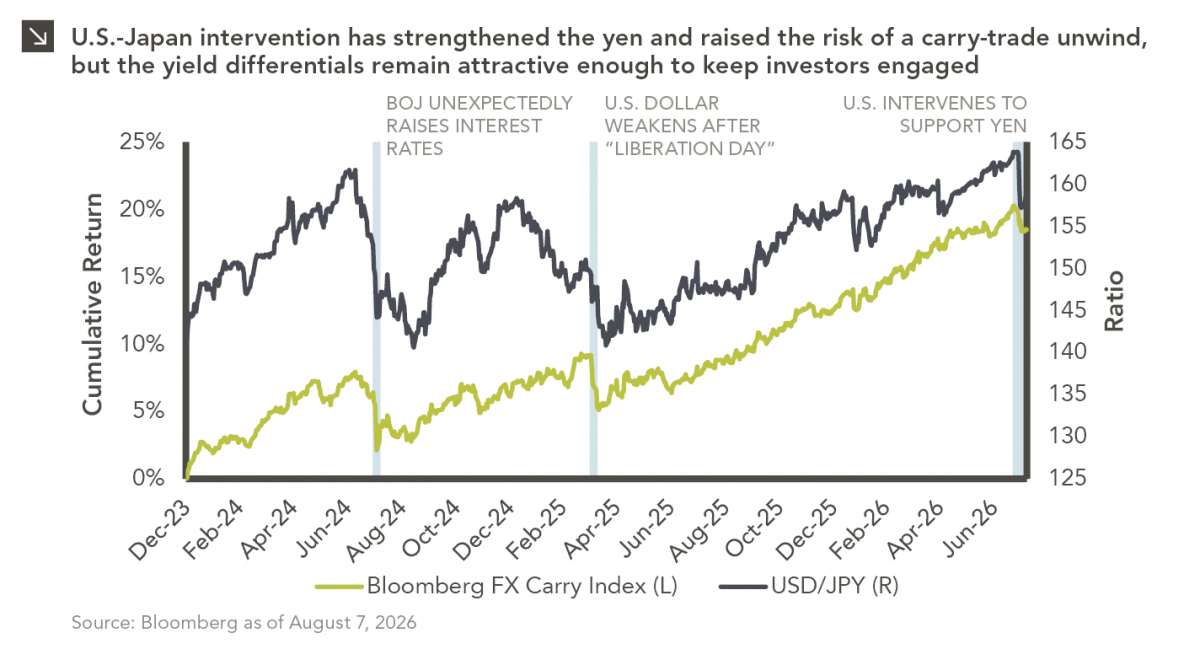
After reaching nearly ¥164 per dollar, its weakest level in roughly four decades, the yen had become a source of…
Research alerts keep you updated on our latest research publications. Simply enter your contact information, choose the research alerts you would like to receive and click Subscribe. Alerts will be sent as research is published.
We respect your privacy. We will never share or sell your information.
If you have questions or need further information, please contact us directly and we will respond to your inquiry within 24 hours.
Contact Us >