10.19.2026
Divided We Rise?
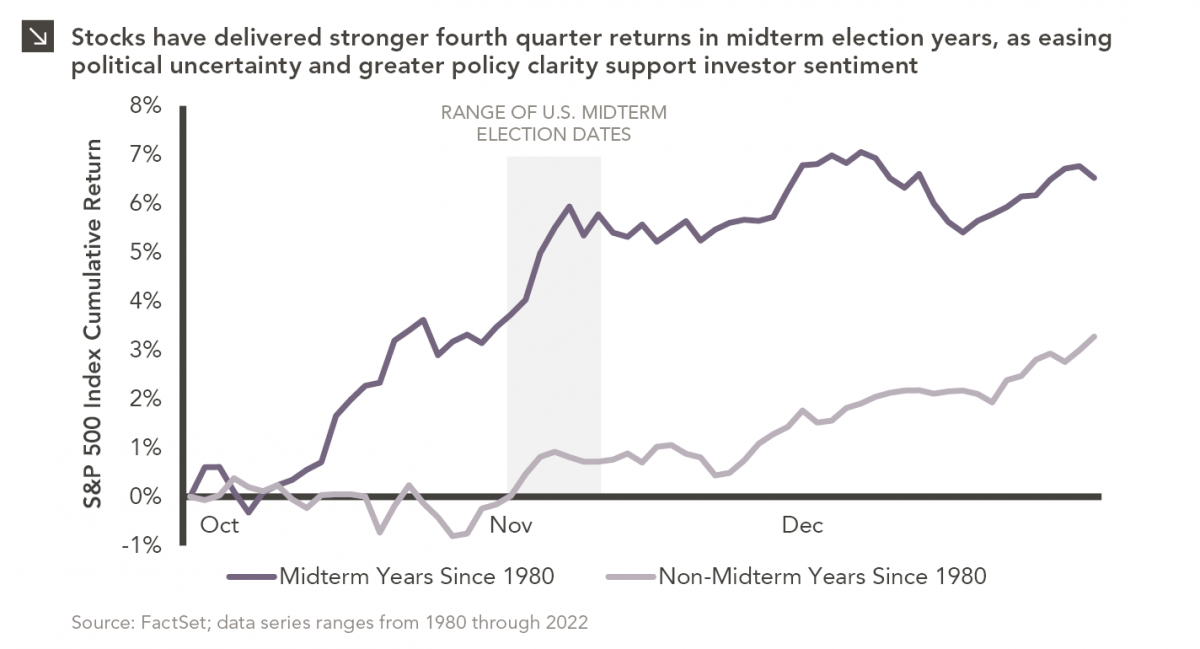
Since 1980, the S&P 500 Index has generally performed well in the weeks surrounding U.S. midterm elections. Specifically, the index…


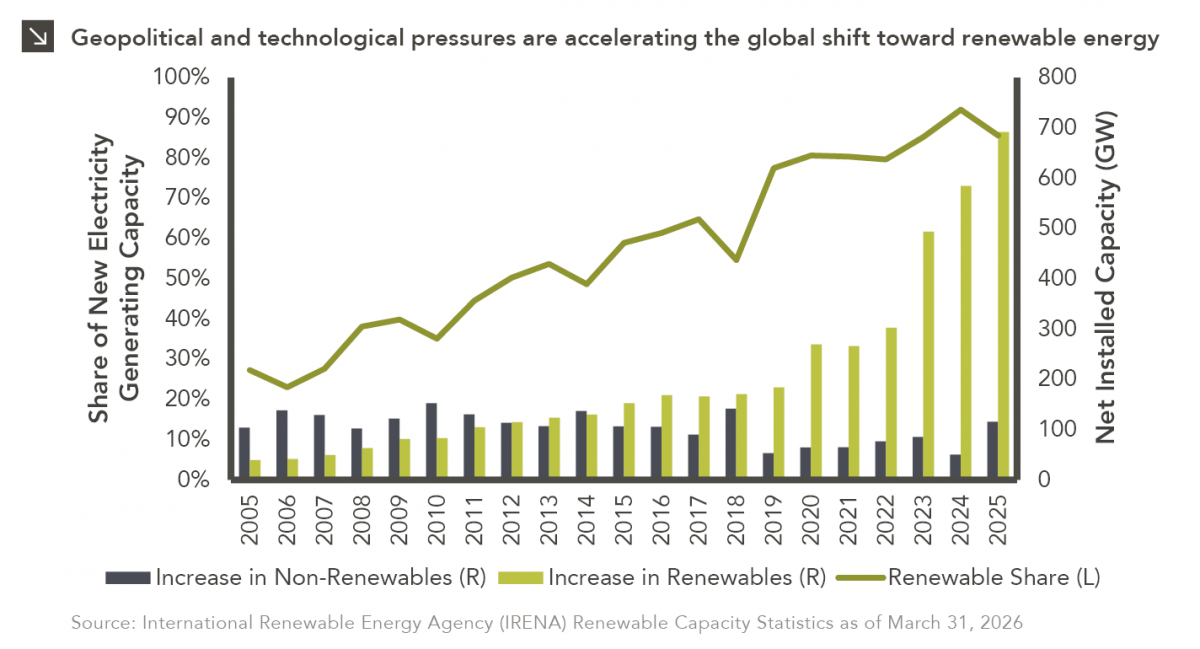
In addition to the humanitarian toll of the conflict in Iran, the world is currently confronting the impact that trade disruptions in the Strait of Hormuz are having on energy markets. To this point, oil importing nations in Asia are bearing the brunt of these disruptions, with many of these countries instituting measures like school and work closures, transportation restrictions, and manufacturing cutbacks in order to save on fuel costs. These dynamics underscore the strategic importance of energy independence and could ultimately result in meaningful shifts in how various countries power their economies.
While the conflict may lead governments to see the value of diversifying energy sources in a new light, the search for alternatives to fossil fuels is not new. Along with environmental concerns, reliance on finite resources imposes limitations on power generation capacity. Those limits are at odds with groundbreaking technological advancements in artificial intelligence, which are propelled by infrastructure that requires vast amounts of energy to operate. As illustrated in the chart above, more than half of newly installed energy capacity in the last five years has come from renewable sources like solar and wind, and that share is still increasing. Countries like China and Brazil are leaders on this front, with 58% and 87% of their energy capacity additions coming from renewables last year, respectively. Opportunities for investment should continue to emerge as countries around the world commit capital to expanding renewable energy infrastructure, making this a trend worth monitoring for investors going forward.
Print PDFThe opinions expressed herein are those of Marquette Associates, Inc. (“Marquette”), and are subject to change without notice. This material is not financial advice or an offer to purchase or sell any product. Marquette reserves the right to modify its current investment strategies and techniques based on changing market dynamics or client needs.
10.19.2026
Since 1980, the S&P 500 Index has generally performed well in the weeks surrounding U.S. midterm elections. Specifically, the index…
10.12.2026
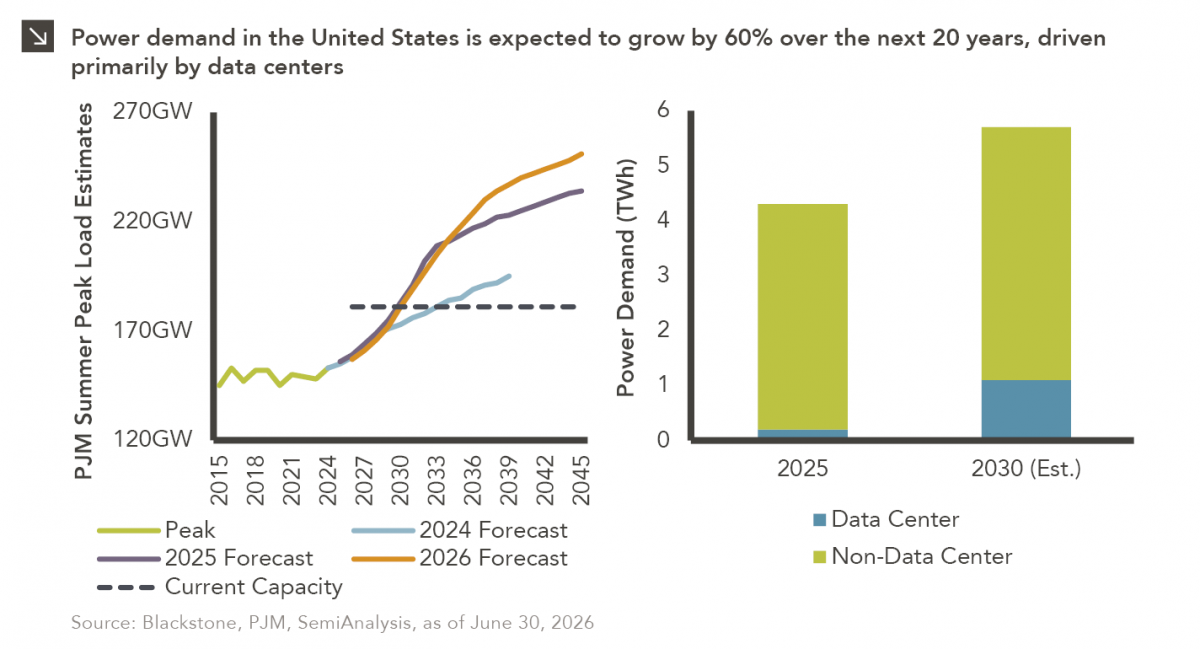
This week’s chart highlights the accelerating growth of electricity demand in the U.S., which has been driven primarily by the…

10.08.2026
LIVE WEBINAR — OCTOBER 22 Please join Marquette’s research team for our 3Q 2026 Market Insights Webinar…
10.05.2026
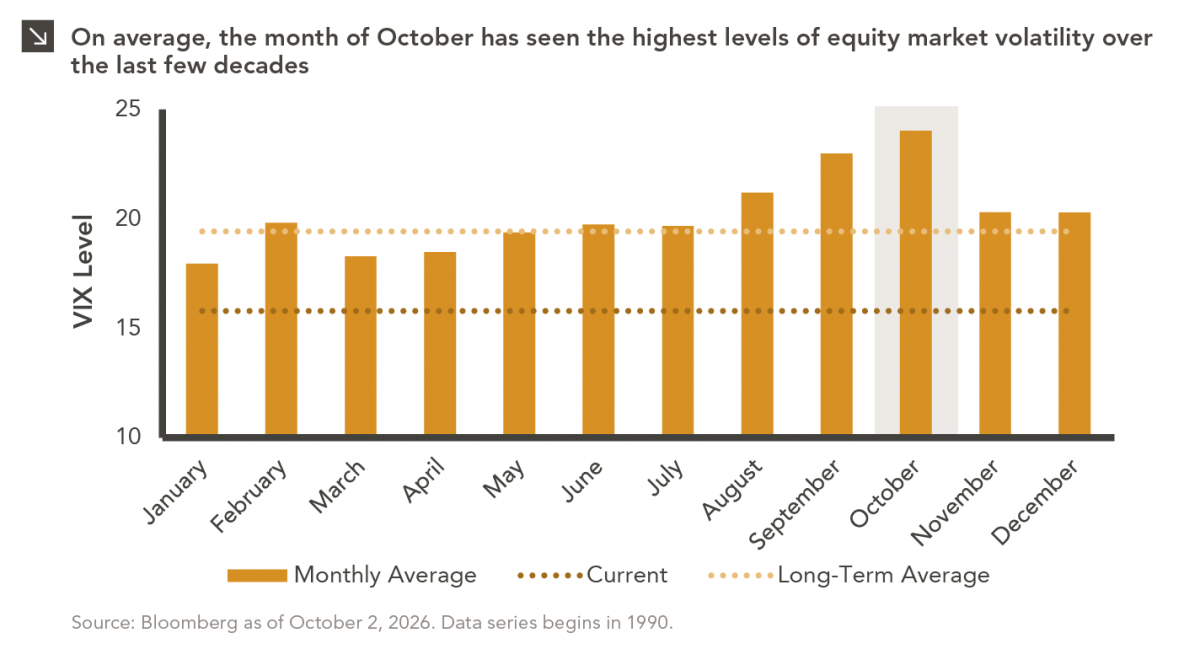
For investors, the spookiest thing about October might not be the ghosts and monsters that are bound to show up…
09.28.2026
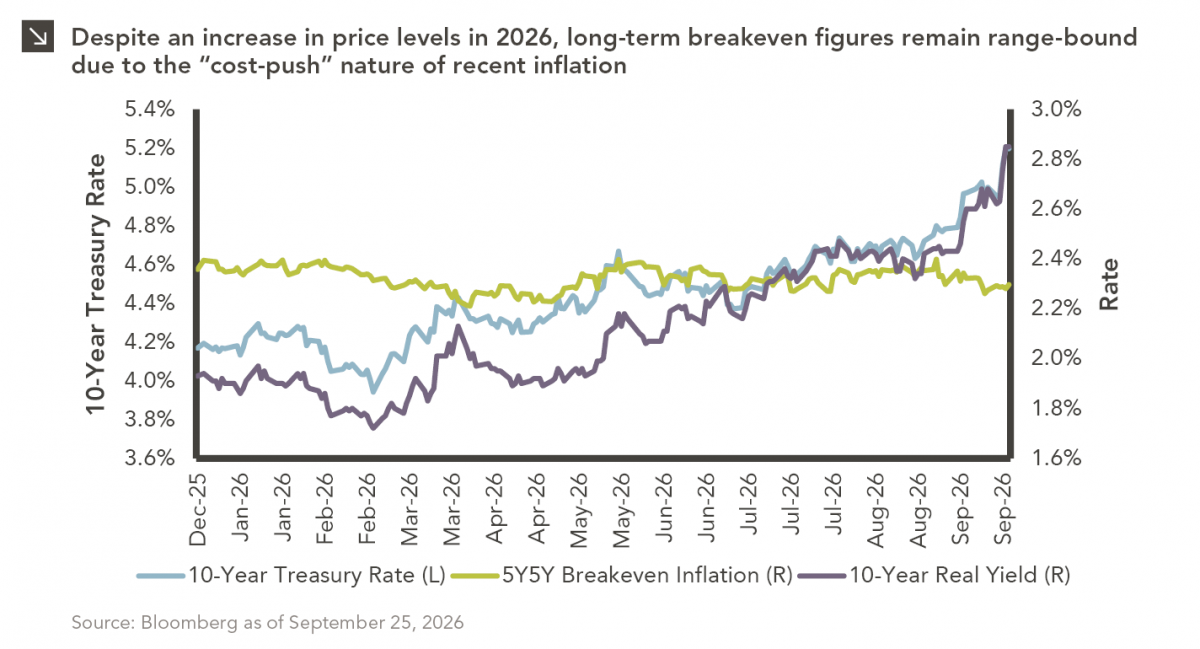
The phrase “expectations of higher inflation” has become a staple in financial news to explain the increase in nominal U.S….
09.21.2026
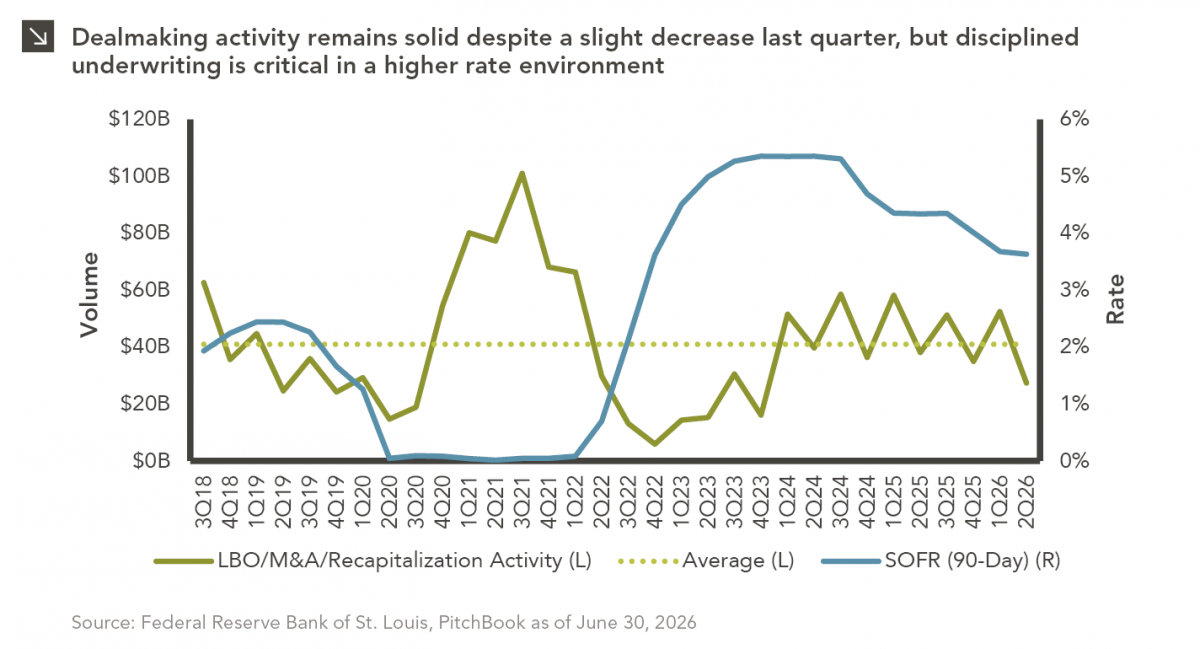
For much of the past several years, the conventional view has been that higher interest rates and stretched valuations would…
Research alerts keep you updated on our latest research publications. Simply enter your contact information, choose the research alerts you would like to receive and click Subscribe. Alerts will be sent as research is published.
We respect your privacy. We will never share or sell your information.
If you have questions or need further information, please contact us directly and we will respond to your inquiry within 24 hours.
Contact Us >