10.19.2026
Divided We Rise?
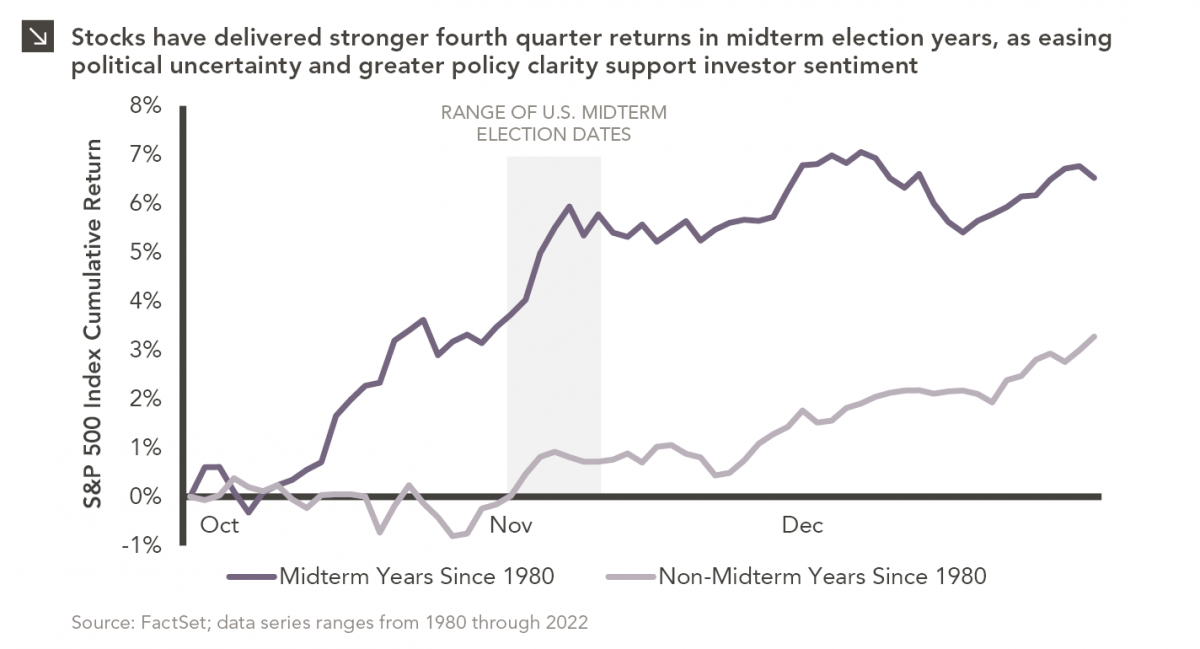
Since 1980, the S&P 500 Index has generally performed well in the weeks surrounding U.S. midterm elections. Specifically, the index…


Core real estate investments have flourished since the financial crisis, with the NCREIF Property Index1 (“NPI”) returning 13.3% in 2015, its sixth consecutive yearly gain after the real estate recovery began in 2010. Not surprisingly, investors are now wondering if this run can continue, or if it is time to pull back on their allocations to real estate. In this week’s chart, we look at the historical total returns of the NPI going back to 19782 broken out by appreciation and income. The NPI was first launched in 1978, and since then, real estate cycles have historically lasted more than 10 years. The first cycle featured 13 years of positive total returns followed by a negative 5.6% return in 1991 as a result of severe oversupply in the market. These negative returns only lasted two years before again turning positive from 1993 until 2008, when returns flipped negative due to the global financial crises.
Since the Global Financial Crisis, core real estate has made a robust recovery, generating double-digit returns over the past six years, but the real question is whether or not such impressive returns can continue. On one hand, supply for most commercial real estate sectors is still below their pre-recession averages, cap rates may compress further given their spread to Treasuries, income levels are favorable, leverage is manageable, and debt maturity profiles are appropriately structured. On the other hand, valuation levels are high as a result of price appreciation, and significant capital has flowed into the asset class. Ultimately, we do not believe that real estate returns are poised for a correction, but anticipate they will retreat from the double-digit territory we have seen over the past six years to a more realistic mid- to high-single-digit range.
1The NCREIF Property Index measures the return of individual commercial real estate properties that are acquired in the private market for investment purposes only.
2Inception year of the NCREIF Property Index was 1978
The opinions expressed herein are those of Marquette Associates, Inc. (“Marquette”), and are subject to change without notice. This material is not financial advice or an offer to purchase or sell any product. Marquette reserves the right to modify its current investment strategies and techniques based on changing market dynamics or client needs.
10.19.2026
Since 1980, the S&P 500 Index has generally performed well in the weeks surrounding U.S. midterm elections. Specifically, the index…
10.12.2026
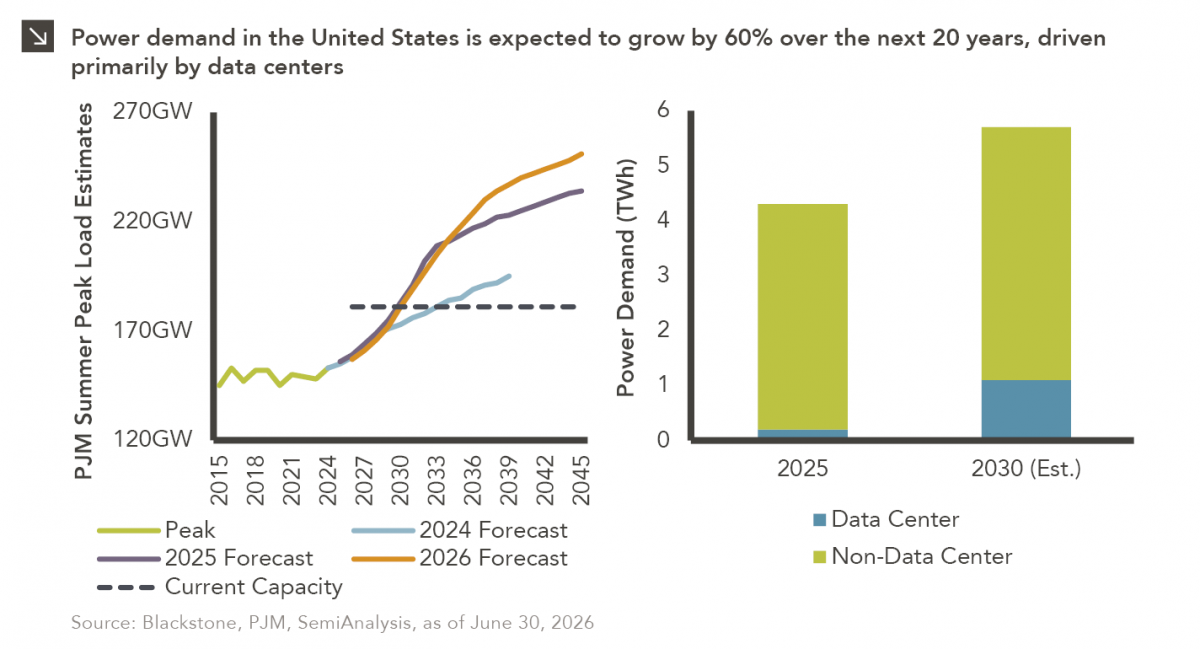
This week’s chart highlights the accelerating growth of electricity demand in the U.S., which has been driven primarily by the…

10.08.2026
LIVE WEBINAR — OCTOBER 22 Please join Marquette’s research team for our 3Q 2026 Market Insights Webinar…
10.05.2026
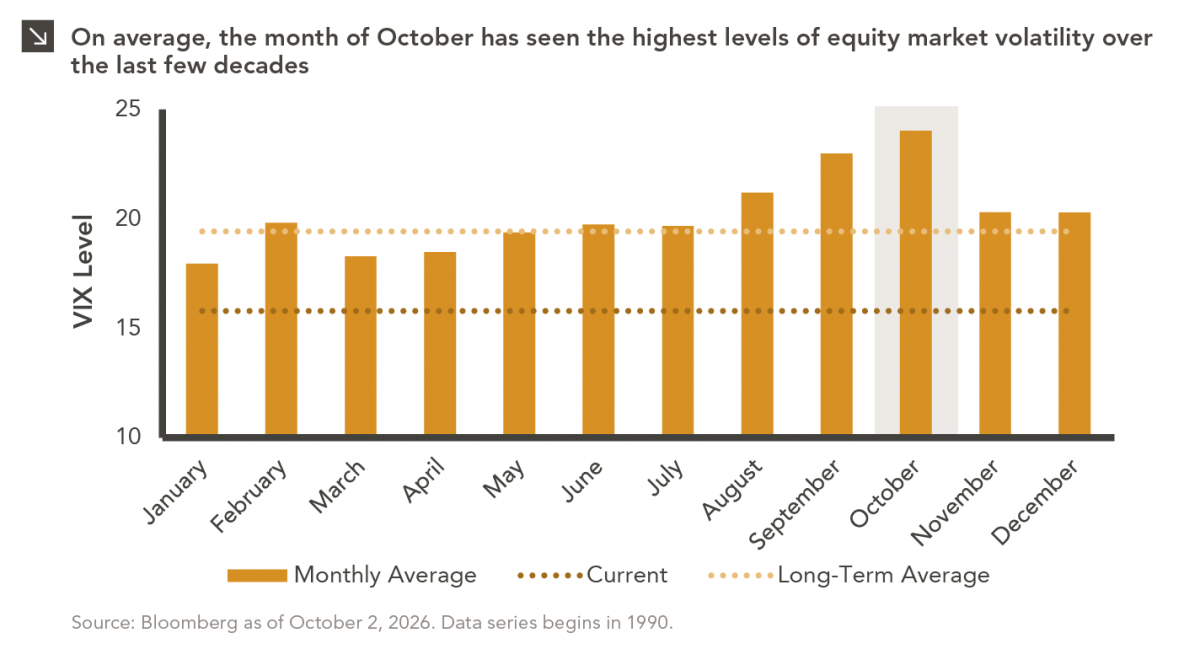
For investors, the spookiest thing about October might not be the ghosts and monsters that are bound to show up…
09.28.2026
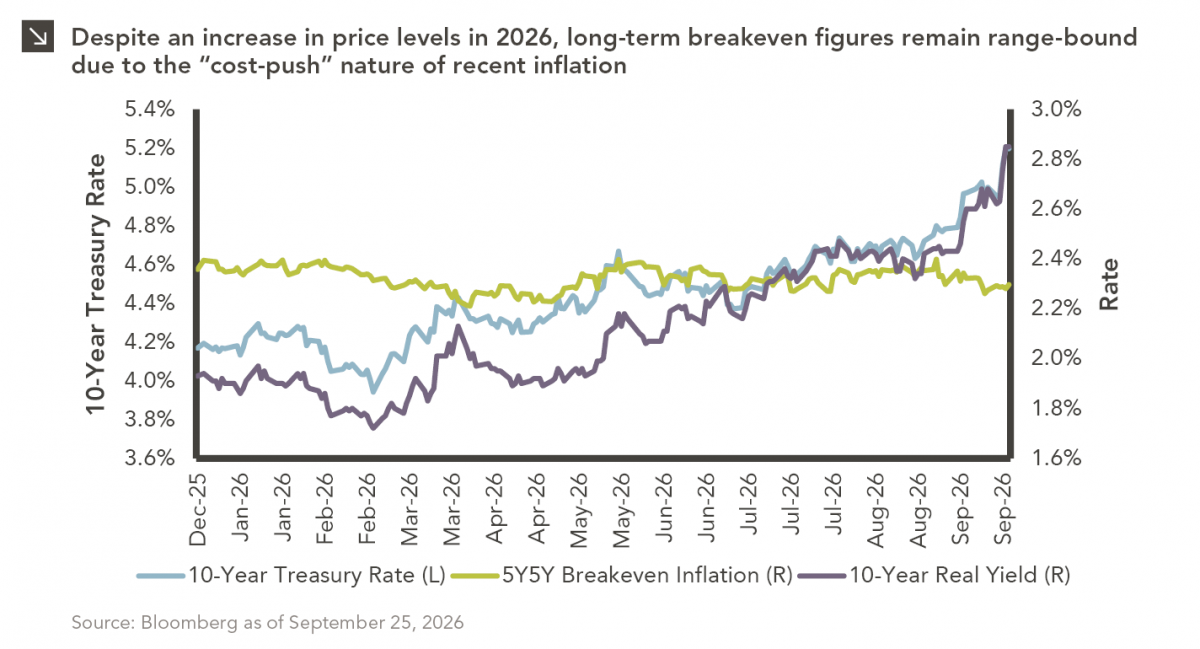
The phrase “expectations of higher inflation” has become a staple in financial news to explain the increase in nominal U.S….
09.21.2026
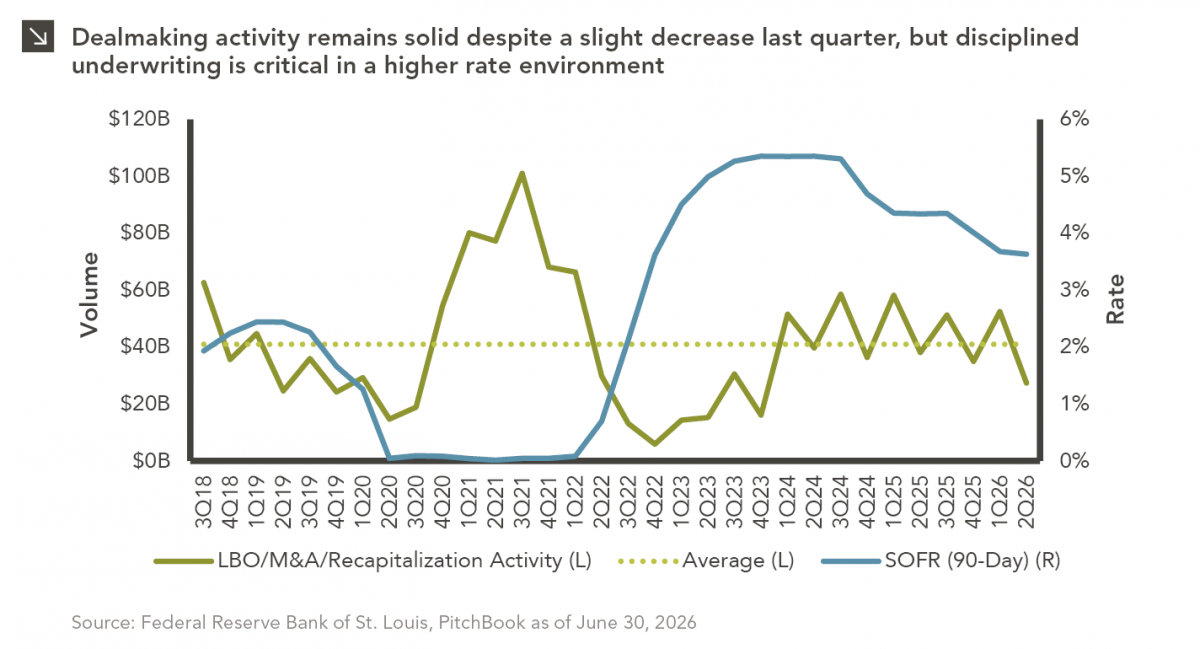
For much of the past several years, the conventional view has been that higher interest rates and stretched valuations would…
Research alerts keep you updated on our latest research publications. Simply enter your contact information, choose the research alerts you would like to receive and click Subscribe. Alerts will be sent as research is published.
We respect your privacy. We will never share or sell your information.
If you have questions or need further information, please contact us directly and we will respond to your inquiry within 24 hours.
Contact Us >