Nic Solecki, CBDA
Research Analyst


The cryptocurrency space is making waves again after a robust post-election rally drove bitcoin over $100,000 earlier this month. While it is tempting to attribute recent performance to speculation or momentum, a deeper understanding of the dynamics that fueled this surge may help investors navigate markets in 2025 and beyond. To that point, this week’s chart outlines the year-to-date performance of Bitcoin, Ethereum, XRP, and the MarketVector Digital Assets 100 Index, a market-cap weighted benchmark comprised of the top 100 cryptocurrencies (excluding stablecoins). The vertical line represents the beginning of the post-election cryptocurrency rally.
During the months leading up to the election, broad cryptocurrency performance appears to have been largely tied to bitcoin. As bitcoin is the most established, recognized, and capitalized digital asset, it follows that its liquidity and capital base would generally define the market. However, recent divergences between bitcoin and other cryptocurrencies are less intuitive and can largely be attributed to bitcoin’s position in a space beset by regulatory ambiguity and incongruous guidance. Put simply, this year bitcoin appears to have benefited from increased regulatory clarity and investor confidence. By the end of the second quarter, aggregate assets in the top 12 bitcoin ETFs exceeded $50 billion, with the iShares Bitcoin Trust ETF accounting for nearly 40% of that figure. Additionally, the access and standards afforded by the ETFs increased investor confidence, led to modest institutional acceptance, and expanded bitcoin market dominance. Meanwhile, other cryptocurrencies like XRP have faced headwinds that have weighed on performance. Embroiled in litigation since 2020, XRP was delisted by most U.S. exchanges and, as a result, struggled to perform during most of this year despite increased cryptocurrency adoption. This dynamic is demonstrated by XRP’s losses prior to the U.S. election.
So how did these dynamics ultimately contribute to a broad post-election rally, and how could they be relevant in the future? Challenges faced by XRP and the broader cryptocurrency market have led to criticism from industry stakeholders, particularly following the collapse of FTX, which exacerbated regulatory scrutiny. Cryptocurrency advocates and industry leaders widely viewed the responses from regulators as heavy-handed, raising concerns over potential stifling of innovation. As the 2024 election cycle ramped up, stakeholders within the cryptocurrency space increasingly engaged with policymakers, pushing for clearer regulatory frameworks and a more balanced approach. This heightened engagement coincided with a surge in political spending, reflecting the industry’s efforts to influence the regulatory landscape and mitigate perceived risks. Estimates suggest that bipartisan political spending by the cryptocurrency industry during the 2024 election cycle totaled more than $320 million, outpacing the roughly $275 million spent by Elon Musk and $175 million spent by Charles Koch and affiliates.
While it is unclear how cryptocurrencies may benefit from the incoming administration, the nomination of Paul Atkins, a known digital assets advocate, for SEC Chair indicates a potential shift toward more favorable regulatory policies for the sector. Additionally, the appointment of venture capitalist and cryptocurrency proponent David Sacks as the new administration’s “crypto czar” seems to have renewed industry optimism. These and other developments suggest that the incoming administration could provide a more supportive environment for digital assets.
Print PDF
The opinions expressed herein are those of Marquette Associates, Inc. (“Marquette”), and are subject to change without notice. This material is not financial advice or an offer to purchase or sell any product. Marquette reserves the right to modify its current investment strategies and techniques based on changing market dynamics or client needs.
10.12.2026
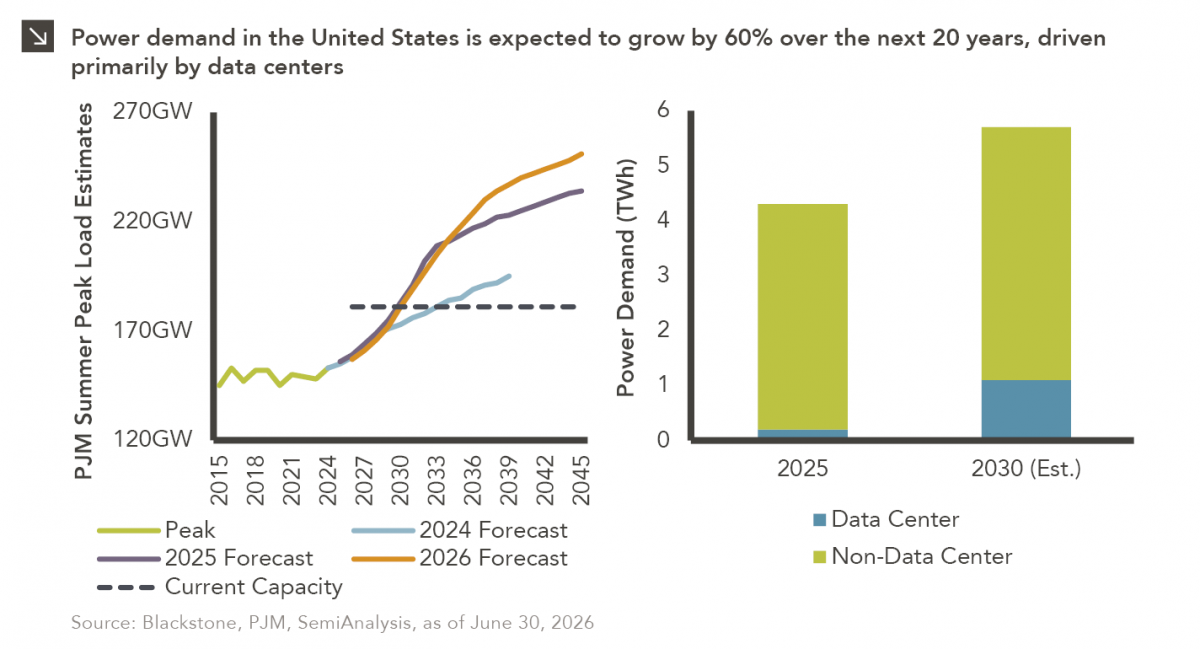
This week’s chart highlights the accelerating growth of electricity demand in the U.S., which has been driven primarily by the…
10.05.2026
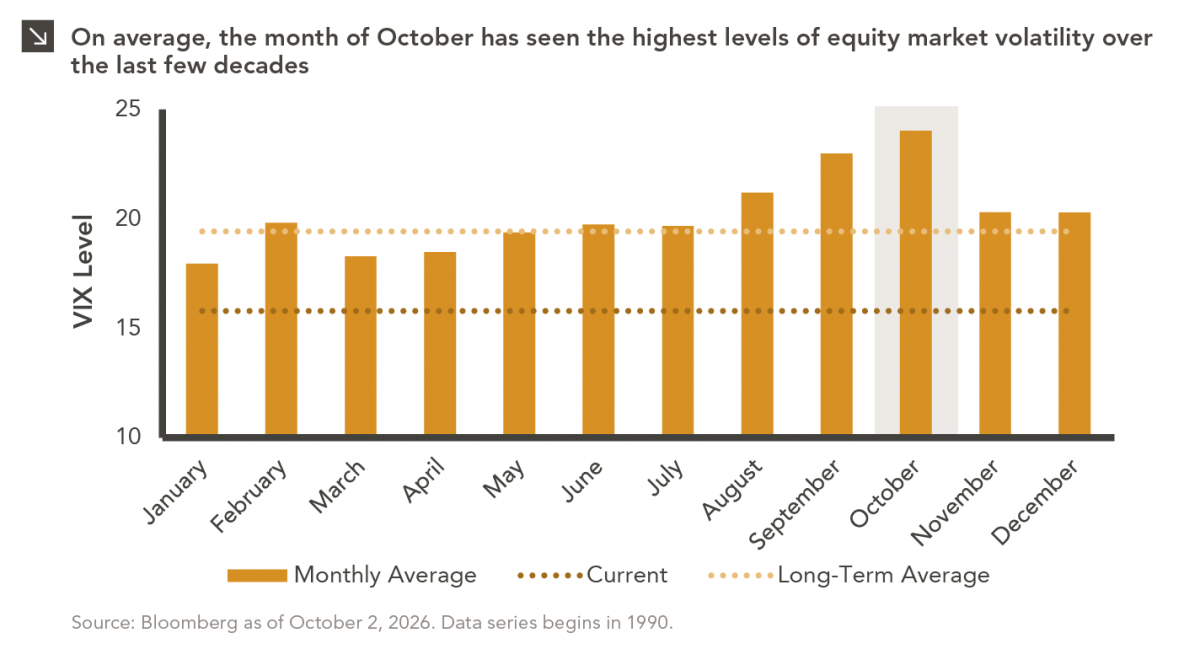
For investors, the spookiest thing about October might not be the ghosts and monsters that are bound to show up…
09.28.2026
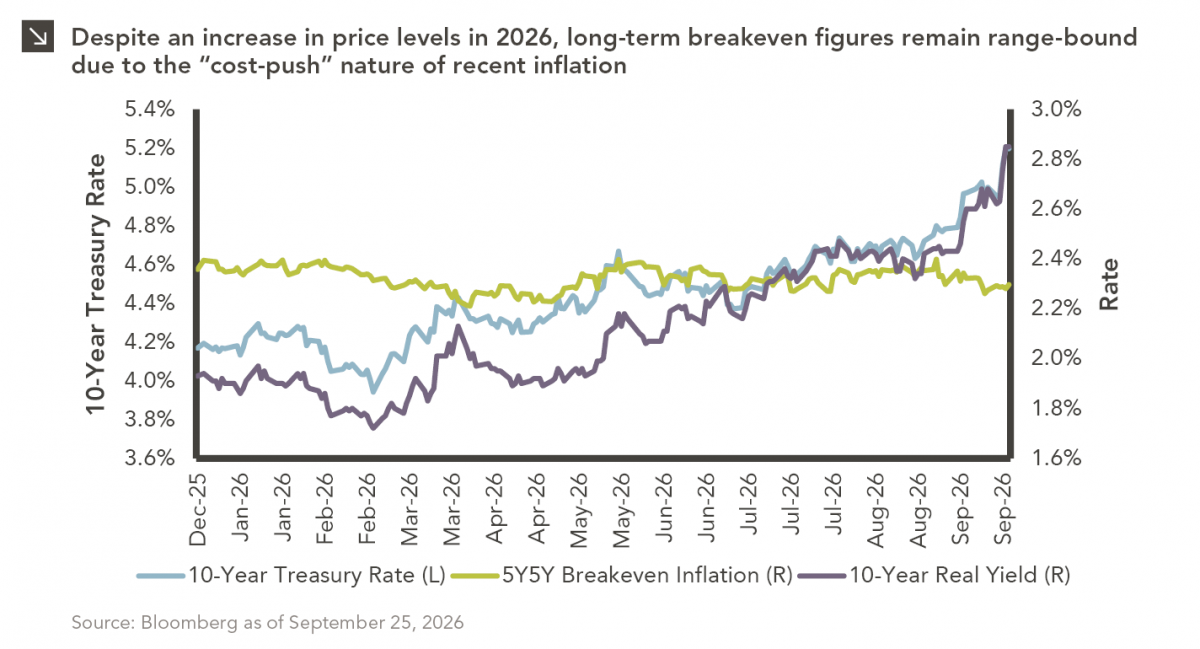
The phrase “expectations of higher inflation” has become a staple in financial news to explain the increase in nominal U.S….
09.21.2026
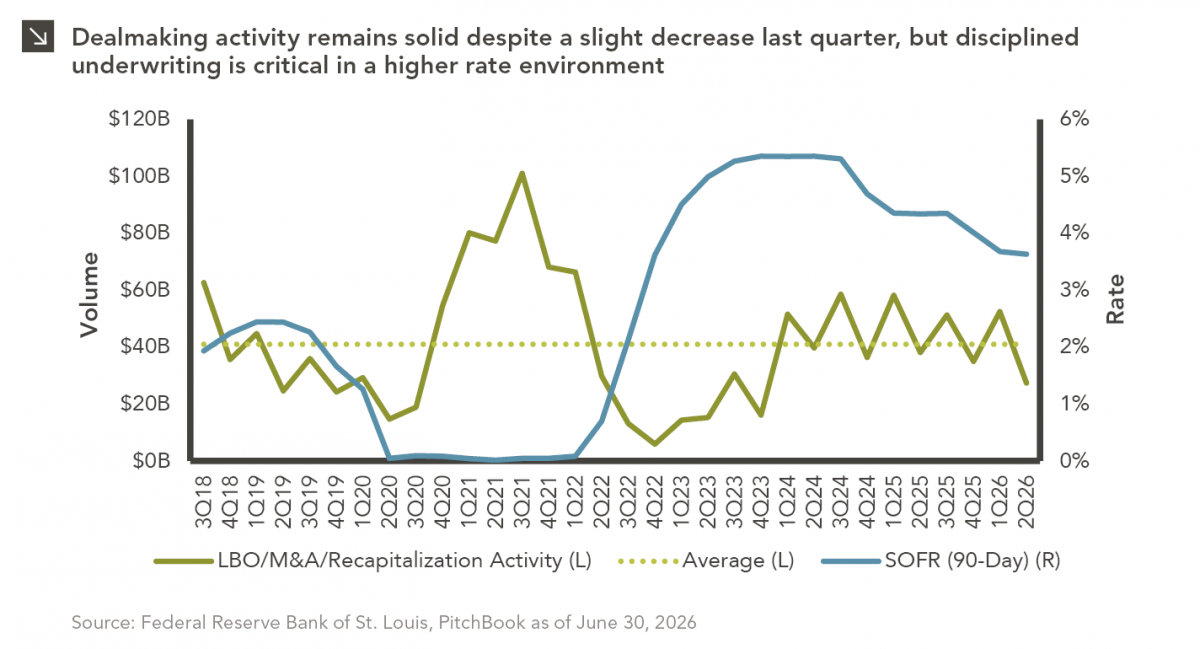
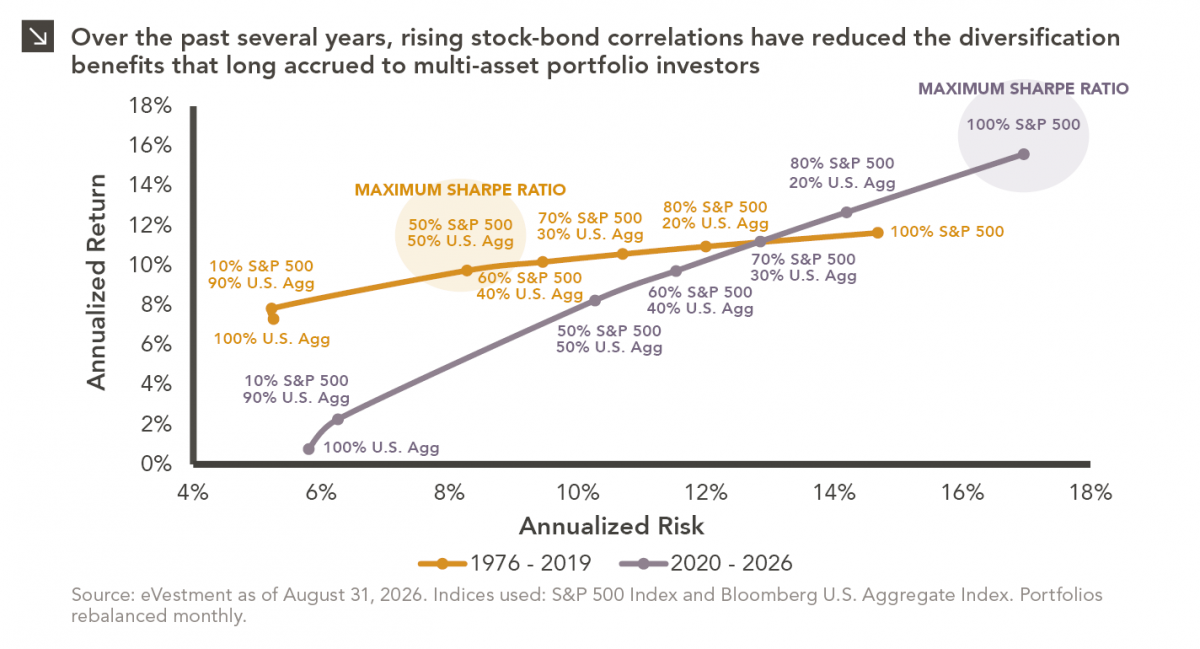
For much of the past several years, the conventional view has been that higher interest rates and stretched valuations would…
09.14.2026
There are many great things about working at Marquette Associates, but “Free Lunch Tuesday” is right at the top of…
09.08.2026
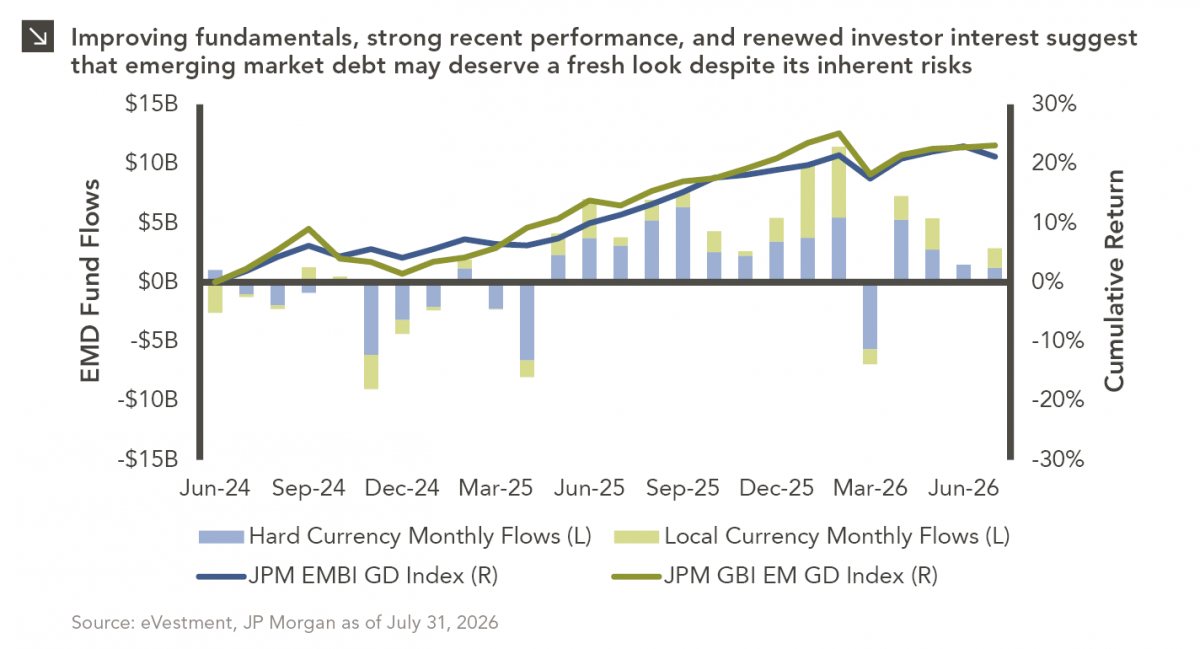
Over the last several years, emerging market debt (EMD) has faced several headwinds, with rising yields across other fixed income…
Research alerts keep you updated on our latest research publications. Simply enter your contact information, choose the research alerts you would like to receive and click Subscribe. Alerts will be sent as research is published.
We respect your privacy. We will never share or sell your information.
If you have questions or need further information, please contact us directly and we will respond to your inquiry within 24 hours.
Contact Us >