Dennis Yu
Research Analyst


Capital expenditure is a crucial yet sometimes underappreciated component in real estate underwriting, as it directly eats into the cash flows available to investors. While a given sector may benefit from certain tailwinds (e.g., demographic shifts, technological adoption, etc.), elevated capital expenditure requirements can materially impair the growth and durability of net operating income. This is particularly relevant in spaces like life science, medical office, and data centers, where structural demand is strong but operational and replacement costs are high.
A clear takeaway from this week’s chart is the connection between GDP-driven sectors and elevated capital expenditure burdens, with both the office and hotel spaces standing out as significantly more capital-intensive than other property types. Specifically, the office sector has suffered sharp valuation declines in recent years, but its capital expenditure challenges were apparent even before that correction. Aging building stock, tenant improvement costs, and escalating obsolescence make net operating income growth difficult within the office space, especially for older assets in secondary markets. This structural drag further complicates recovery prospects for the sector in a post-pandemic, hybrid work environment. On the other end of the spectrum are self-storage assets, with capital expenditure at only 7.7% of net operating income. The low capital intensity, scalability, and operational simplicity of the self-storage space make it one of the most capital-efficient sectors within real estate and especially attractive given the uncertain macroeconomic environment.
In conclusion, while sectors like office or retail may exemplify industry innovation or trend leadership, select opportunities still exist within these spaces. Diligent asset selection that focuses on location, tenant quality, lease structure, and physical upgrades can lead to attractive risk-adjusted returns, even within sectors that exhibit higher levels of capital expenditure. In a yield-starved world, nuanced underwriting and asset-level differentiation remain essential when it comes to extracting value from these spaces.
Print PDF
The opinions expressed herein are those of Marquette Associates, Inc. (“Marquette”), and are subject to change without notice. This material is not financial advice or an offer to purchase or sell any product. Marquette reserves the right to modify its current investment strategies and techniques based on changing market dynamics or client needs.
10.19.2026
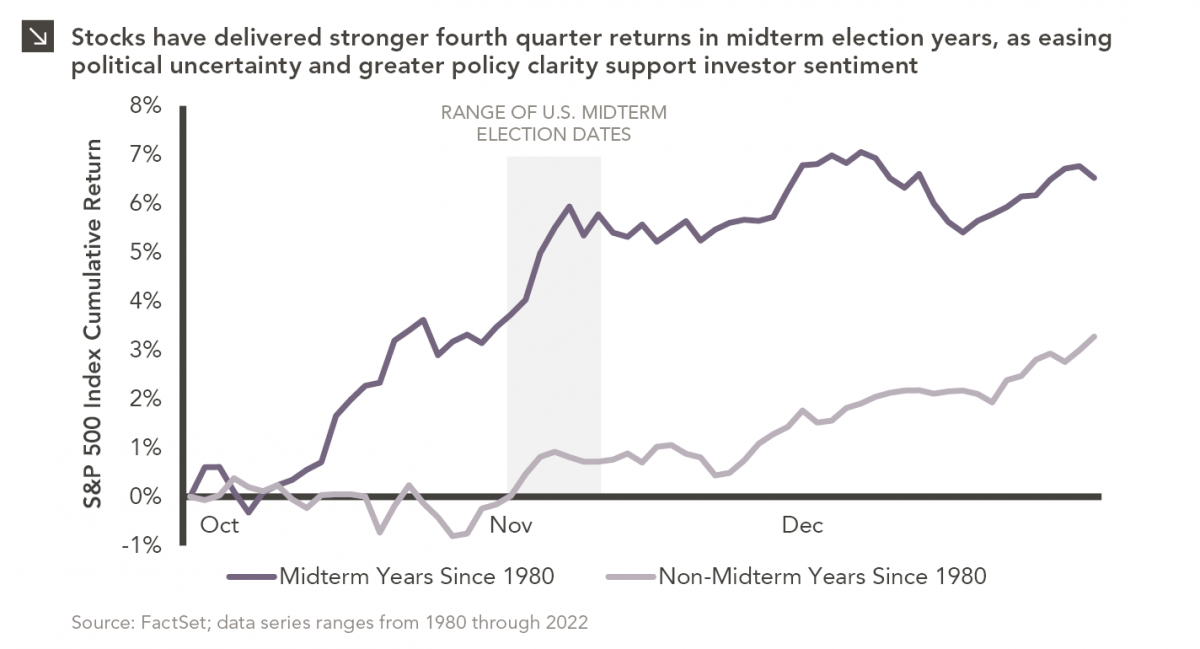
Since 1980, the S&P 500 Index has generally performed well in the weeks surrounding U.S. midterm elections. Specifically, the index…
10.12.2026
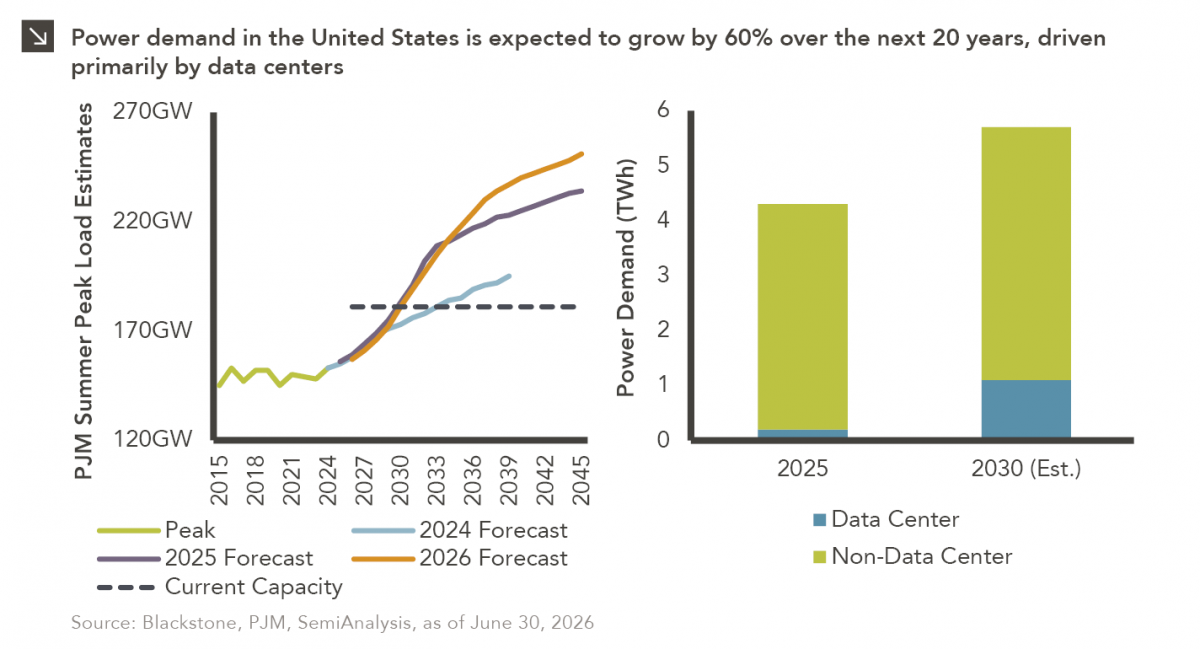
This week’s chart highlights the accelerating growth of electricity demand in the U.S., which has been driven primarily by the…

10.08.2026
LIVE WEBINAR — OCTOBER 22 Please join Marquette’s research team for our 3Q 2026 Market Insights Webinar…
10.05.2026
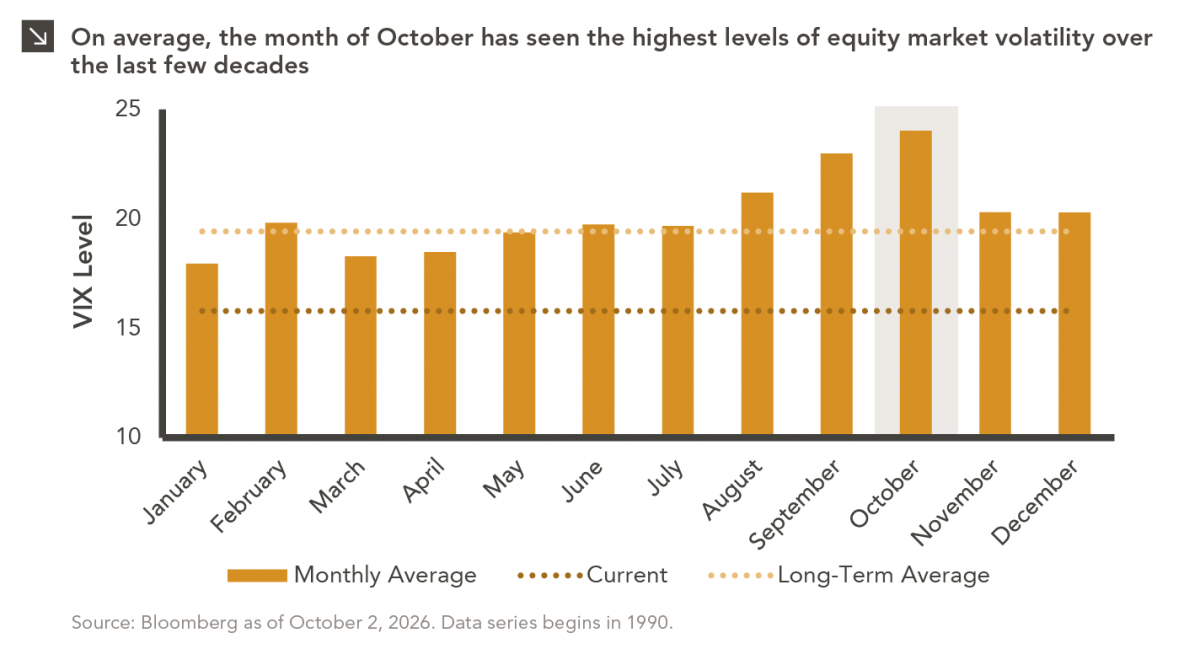
For investors, the spookiest thing about October might not be the ghosts and monsters that are bound to show up…
09.28.2026
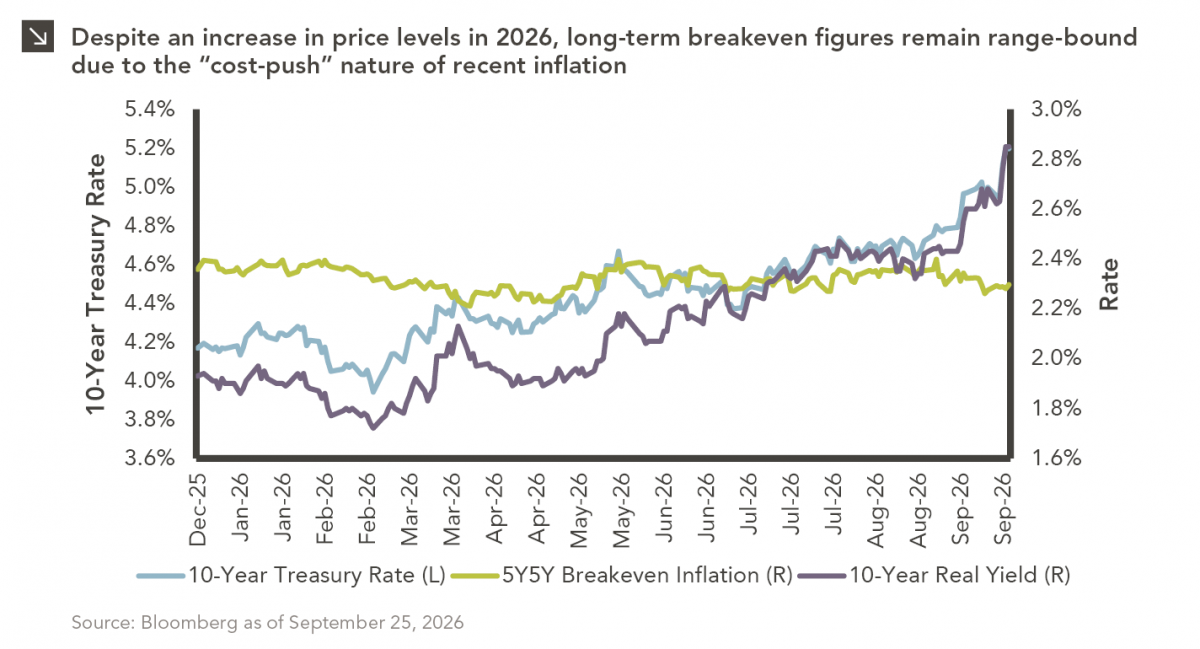
The phrase “expectations of higher inflation” has become a staple in financial news to explain the increase in nominal U.S….
09.21.2026
For much of the past several years, the conventional view has been that higher interest rates and stretched valuations would…
Research alerts keep you updated on our latest research publications. Simply enter your contact information, choose the research alerts you would like to receive and click Subscribe. Alerts will be sent as research is published.
We respect your privacy. We will never share or sell your information.
If you have questions or need further information, please contact us directly and we will respond to your inquiry within 24 hours.
Contact Us >