Eddie Arrieta
Associate Research Analyst
Get to Know Eddie


Like many countries in recent years, Mexico has grappled with higher-than-average inflation levels, primarily driven by elevated food and producer prices. Mexico notably began tackling its inflation problem earlier than most developed countries in the wake of the COVID-19 pandemic. To that point, Banxico, the central bank of Mexico, started to raise its key rate in June of 2021, roughly 9 months before the U.S. Federal Reserve began its hiking cycle. This key rate reached a peak of more than 11% in early 2023 shortly after Mexican inflation, as measured by headline CPI, achieved a record high of 8.7% on a year-over-year basis. After leaving its key rate unchanged for nearly a year, Banxico finally started to loosen its policy earlier this year given a moderation in both core and headline CPI. Indeed, the most recent reading of core CPI, which came in at a multi-year low of 3.9%, likely allows Mexican policymakers to feel confident that their battle with inflation may be coming to an end. Going forward, lower inflation could portend additional rate cuts by Banxico. This dynamic, in tandem with nearshoring trends that have led to an increase in Mexican manufacturing activity and exports, could be conducive to strong performance for equities in the region.
Print PDF
The opinions expressed herein are those of Marquette Associates, Inc. (“Marquette”), and are subject to change without notice. This material is not financial advice or an offer to purchase or sell any product. Marquette reserves the right to modify its current investment strategies and techniques based on changing market dynamics or client needs.
10.12.2026
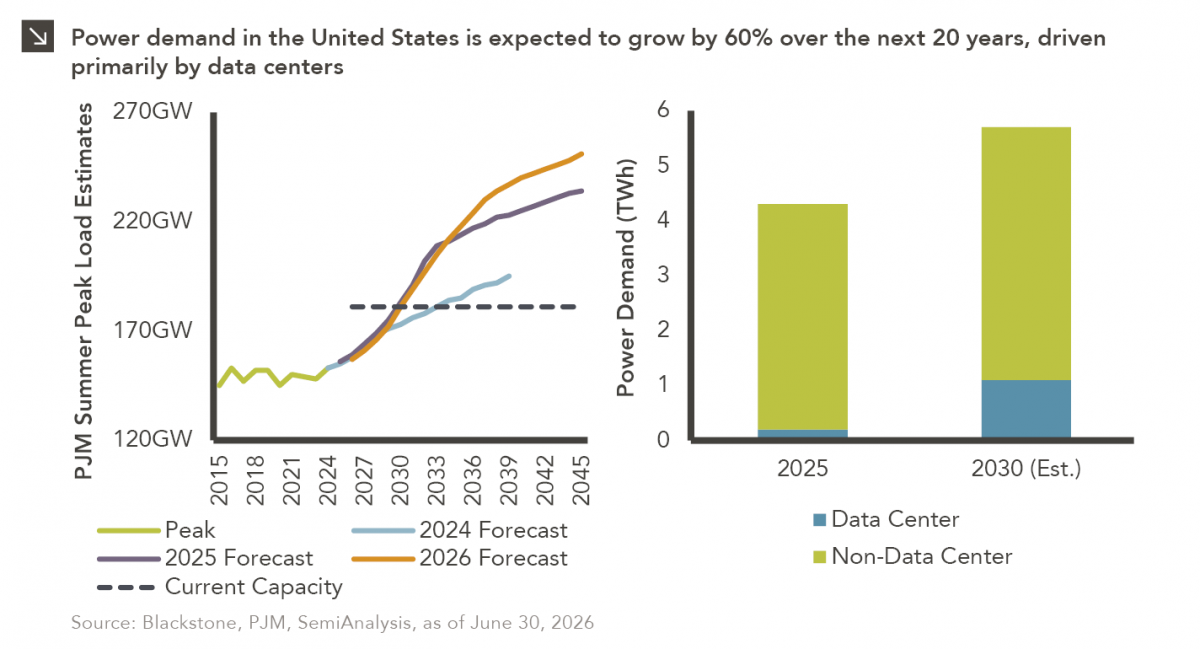
This week’s chart highlights the accelerating growth of electricity demand in the U.S., which has been driven primarily by the…

10.08.2026
LIVE WEBINAR — OCTOBER 22 Please join Marquette’s research team for our 3Q 2026 Market Insights Webinar…
10.05.2026
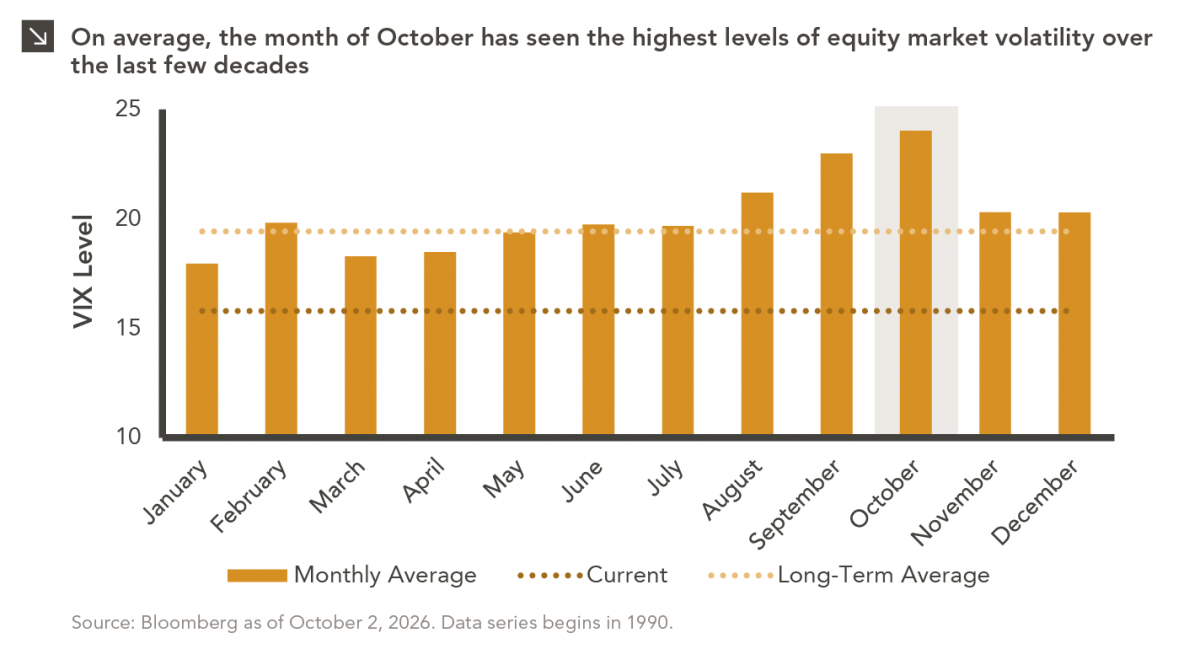
For investors, the spookiest thing about October might not be the ghosts and monsters that are bound to show up…
09.28.2026
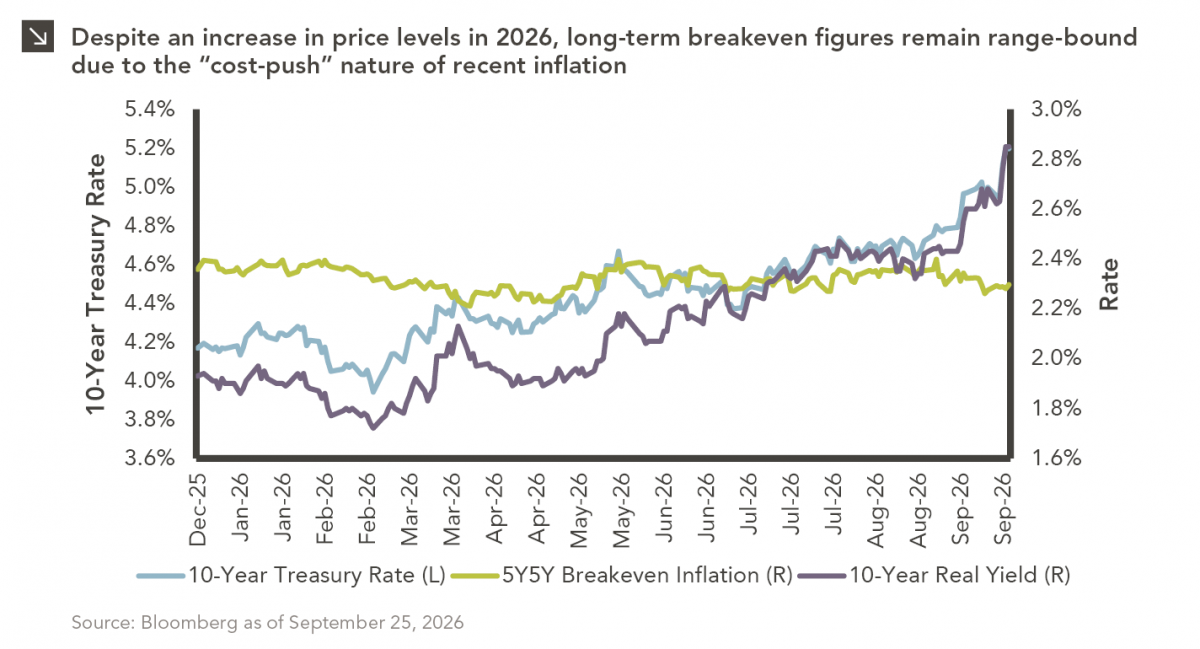
The phrase “expectations of higher inflation” has become a staple in financial news to explain the increase in nominal U.S….
09.21.2026
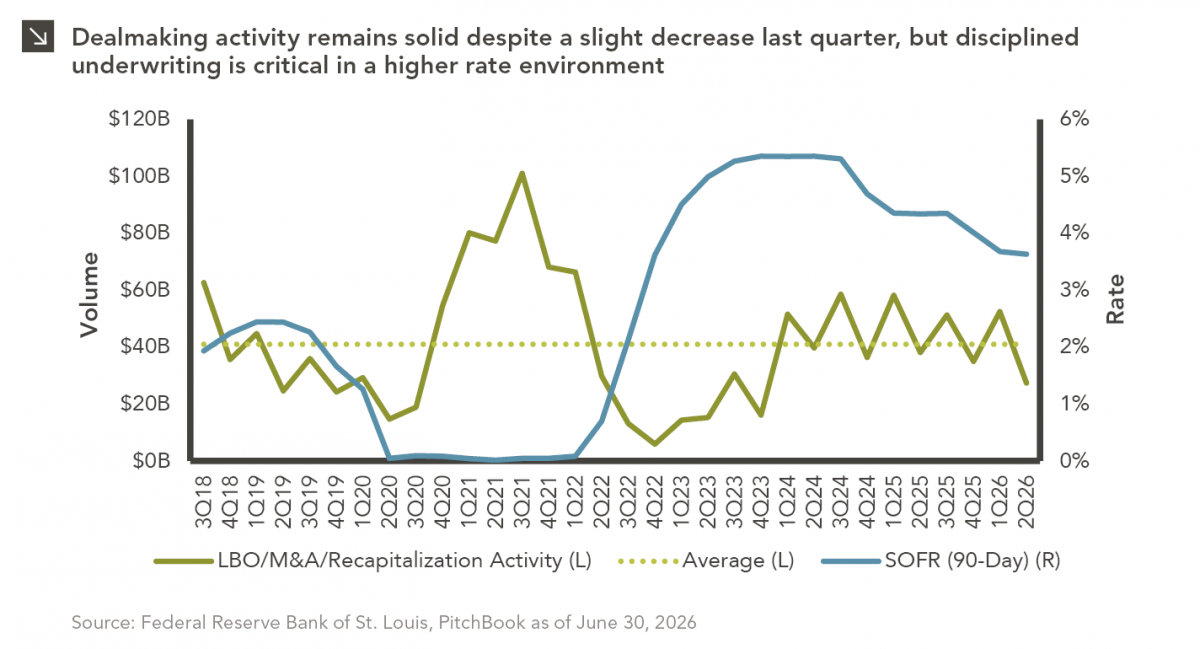
For much of the past several years, the conventional view has been that higher interest rates and stretched valuations would…
09.14.2026
There are many great things about working at Marquette Associates, but “Free Lunch Tuesday” is right at the top of…
Research alerts keep you updated on our latest research publications. Simply enter your contact information, choose the research alerts you would like to receive and click Subscribe. Alerts will be sent as research is published.
We respect your privacy. We will never share or sell your information.
If you have questions or need further information, please contact us directly and we will respond to your inquiry within 24 hours.
Contact Us >