David Hernandez, CFA
Director of Traditional Manager Search


While Chinese equities have largely languished in recent time amid robust performance of Indian stocks, it is important to note that these dynamics were quite different just a few years ago. To that point, the MSCI China Index outperformed its Indian counterpart by roughly 45% on a cumulative total return basis between 2016 and 2020. During that period, global investors were optimistic about the growth prospects of many Chinese companies and benefitted from an expanded opportunity set given the addition of local market shares to the MSCI Emerging Markets Index. Chinese stocks grew to comprise nearly 40% of the benchmark at the end of 2020 as a result of these developments, which caused many market participants to wonder if China should still be considered an emerging country.
As most readers are likely aware, these trends have shifted dramatically in the last few years. Since the start of 2021, the MSCI China Index is down roughly 50%, as the country has presented investors with myriad headwinds including changes to the regulatory environment, increased government debt, a challenged property sector, heightened geopolitical tensions, and a weaker-than-expected post-pandemic economic recovery. In contrast, the MSCI India Index has returned more than 60% on a cumulative basis over the last four years. Market participants have been drawn to India due to its strong structural growth story which centers on favorable demographics, government reforms, and robust economic expansion. As a result of increased investor attention and equity market appreciation, the weight of Indian equities within the EM benchmark has roughly doubled since 2016. Going forward, continued growth may push Indian equities higher, though many investment managers are now becoming wary of current valuations. Many Chinese stocks, on the other hand, are trading at historically low multiples and facing extreme levels of negative sentiment. These dynamics could lead to a reversal of the trends outlined above in the near term.
As it relates to investing in emerging countries, it is important to highlight the need for patience and diversification given the variability of returns associated with the asset class when compared to most developed markets. Investors should also consider the use of actively managed strategies within the space due to return dispersion and the demonstrated ability of most managers to beat the MSCI Emerging Markets Index over long periods of time. Marquette will continue to source best-in-class managers within the asset class, monitor performance trends, and provide recommendations to clients accordingly.
Print PDF
The opinions expressed herein are those of Marquette Associates, Inc. (“Marquette”), and are subject to change without notice. This material is not financial advice or an offer to purchase or sell any product. Marquette reserves the right to modify its current investment strategies and techniques based on changing market dynamics or client needs.
10.19.2026
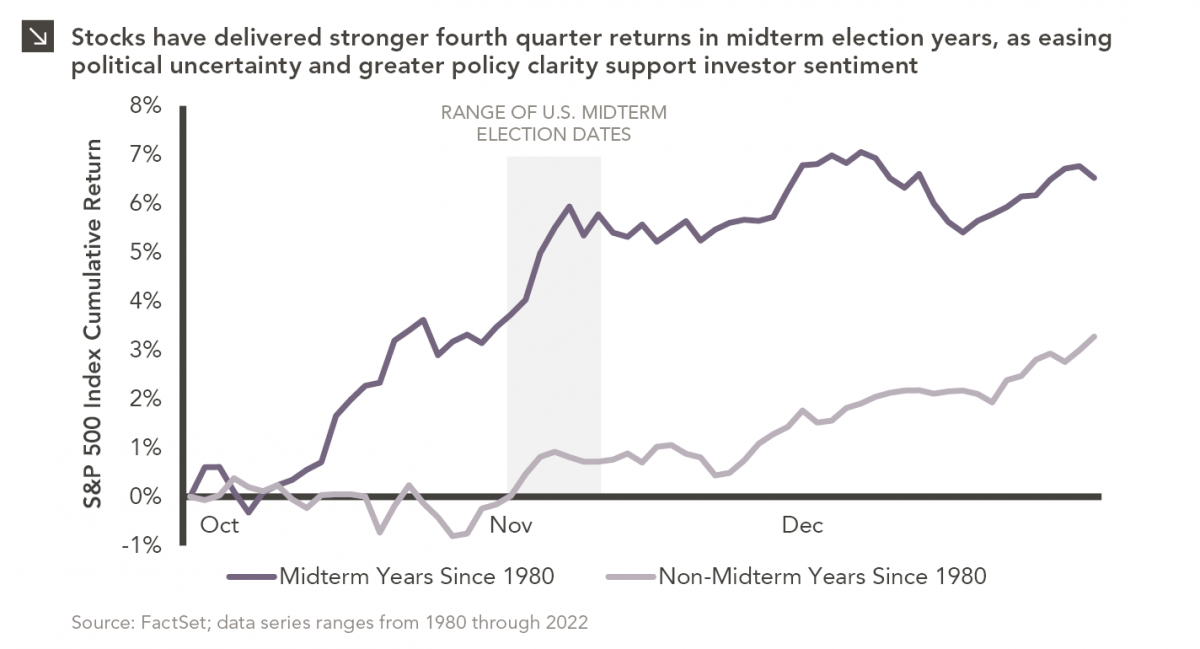
Since 1980, the S&P 500 Index has generally performed well in the weeks surrounding U.S. midterm elections. Specifically, the index…
10.12.2026
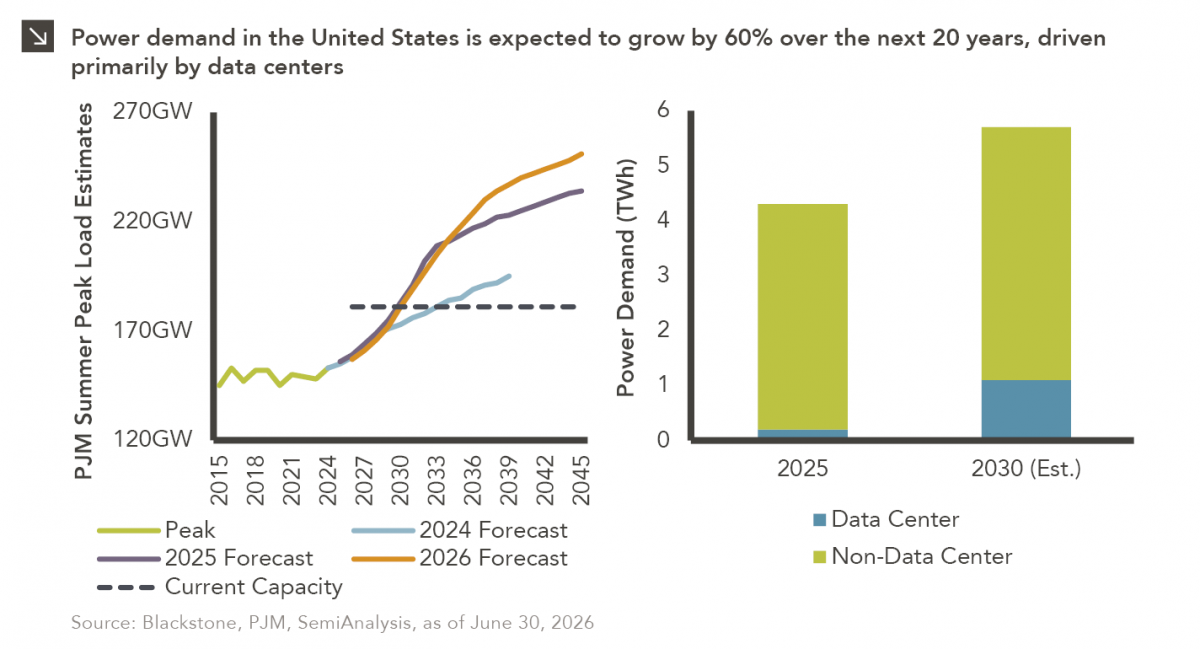
This week’s chart highlights the accelerating growth of electricity demand in the U.S., which has been driven primarily by the…

10.08.2026
LIVE WEBINAR — OCTOBER 22 Please join Marquette’s research team for our 3Q 2026 Market Insights Webinar…
10.05.2026
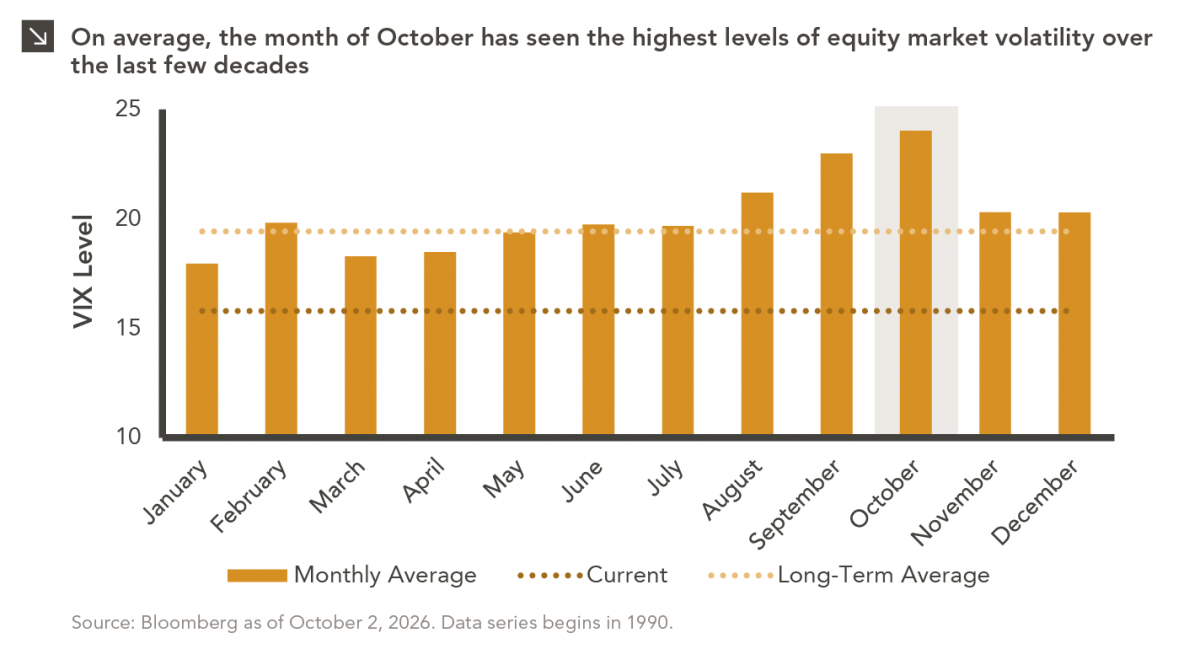
For investors, the spookiest thing about October might not be the ghosts and monsters that are bound to show up…
09.28.2026
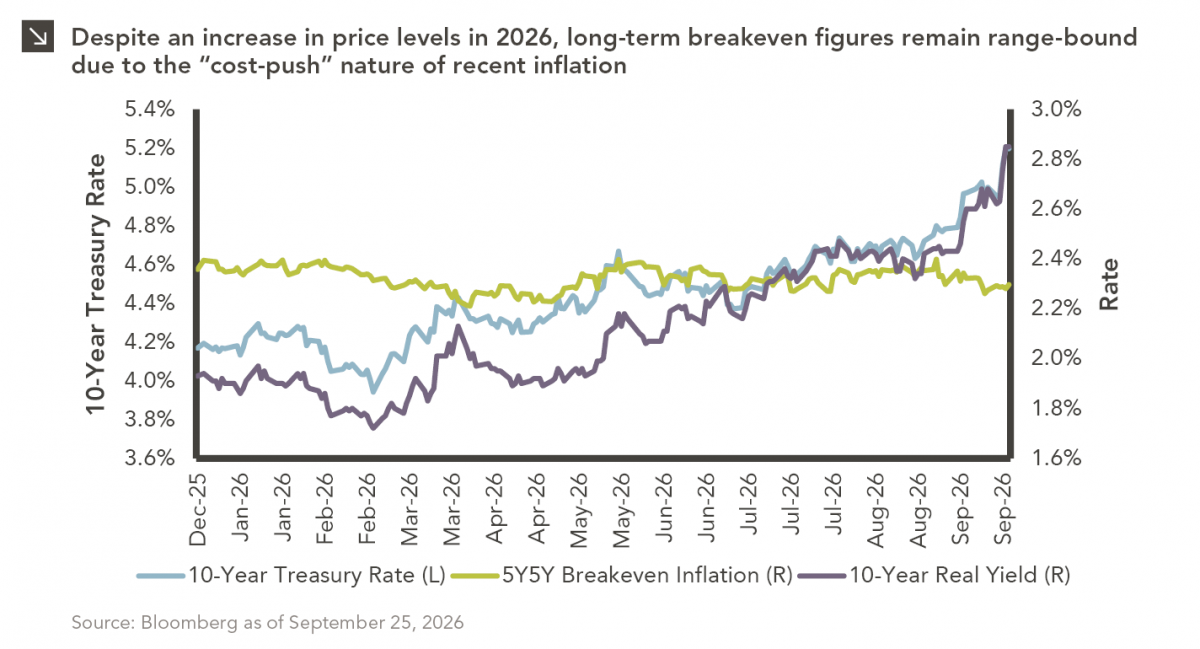
The phrase “expectations of higher inflation” has become a staple in financial news to explain the increase in nominal U.S….
09.21.2026
For much of the past several years, the conventional view has been that higher interest rates and stretched valuations would…
Research alerts keep you updated on our latest research publications. Simply enter your contact information, choose the research alerts you would like to receive and click Subscribe. Alerts will be sent as research is published.
We respect your privacy. We will never share or sell your information.
If you have questions or need further information, please contact us directly and we will respond to your inquiry within 24 hours.
Contact Us >