Frank Valle, CFA, CAIA
Associate Director of Fixed Income


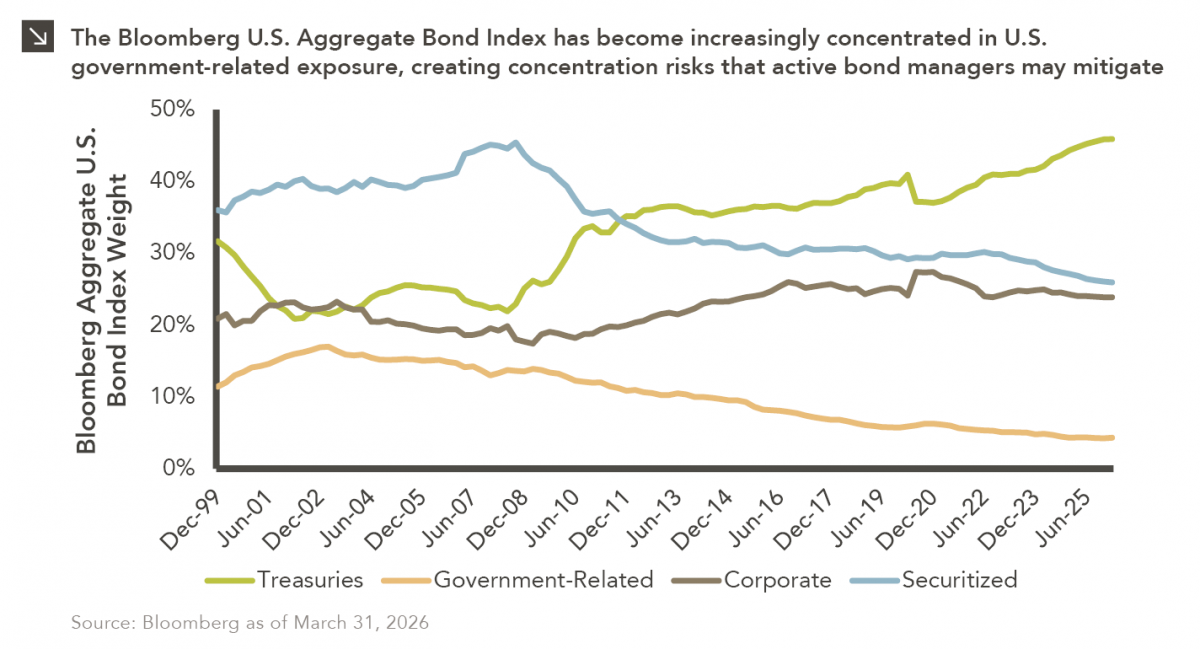
Over the last few years, equity markets have been defined by a group of stocks often referred to as the “Magnificent Seven” (Alphabet, Amazon, Apple, Meta, Microsoft, NVIDIA, and Tesla). These stocks represent roughly 34% of the S&P 500 Index, leading to meaningful concentration risk and an outsized influence on overall index returns. In fixed income, on the other hand, the Bloomberg U.S. Aggregate Bond Index could be referred to as the “Magnificent One” given the extent to which it serves as a bellwether for the broader asset class. The index is comprised of four sub-indices: Treasuries, Government-Related, Corporates, and Securitized. Like the S&P 500 Index, however, this benchmark is not immune to concentration risk, as issuers that borrow the most maintain the largest weights within the index. More than 80% of the securitized sector, for instance, is comprised of Fannie Mae and Freddie Mac mortgage-backed securities, while Ginnie Mae mortgage-backed securities represent an additional 10% of this sector.
Prior to 2008, securitized bonds were the largest component of the index, fueled by the growth of the mortgage market and the issuance of mortgage-backed securities by Fannie Mae and Freddie Mac. Following the Global Financial Crisis, the U.S. Treasury embarked on a borrowing bonanza, with Treasury issuance surging to $760 billion in the 2008 fiscal year. Net borrowing jumped again in 2018 after the passage of the 2017 Tax Cuts and Jobs Act and continued to rise through the COVID-19 pandemic. The U.S. budget deficit is now expected to widen to more than $3 trillion in the next 10 years, and these dynamics have impacted the constitution of the Bloomberg U.S. Aggregate Bond Index. While not all Treasuries are eligible for index inclusion, the overall weight of Treasuries in the benchmark has grown from roughly 25% to 46% over the last two decades and could climb higher in the years ahead. Treasuries are not the only source of U.S. government risk in the Bloomberg U.S. Aggregate Bond Index. As noted above, the securitized sector is heavily exposed to bonds issued by government-sponsored entities (e.g., Ginnie Mae, Fannie Mae, and Freddie Mac). Ginnie Mae mortgage-backed securities are supported by the full faith and credit of the U.S. government, while securities issued by Fannie Mae and Freddie Mac have an effective government guarantee since the entities were placed under conservatorship in the wake of the Global Financial Crisis. Taken together, securities issued or guaranteed in some way by the U.S. government currently exceed 70% of the Bloomberg U.S. Aggregate Bond Index. While a default by the U.S. government is highly unlikely, prices of government-related securities can move adversely in response to persistent deficits, rising debt levels, higher interest costs, inflationary pressures, and geopolitical developments.
Concentration risk within the fixed income space can be reduced via active management, as actively managed strategies have greater flexibility in terms of sector positioning and diversification. To that point, a common trade among bond managers with an active focus is to strategically underweight Treasuries and Agency mortgage-backed securities in favor of corporate and structured credit exposures. This approach reduces investor exposure to the U.S. government and increases yield due to higher spread risk relative to a passive portfolio. Additional sources of diversification that active strategies can provide include non-dollar exposures (e.g., developed and emerging markets) and below-investment-grade credit.
Print PDF
The opinions expressed herein are those of Marquette Associates, Inc. (“Marquette”), and are subject to change without notice. This material is not financial advice or an offer to purchase or sell any product. Marquette reserves the right to modify its current investment strategies and techniques based on changing market dynamics or client needs.
10.19.2026
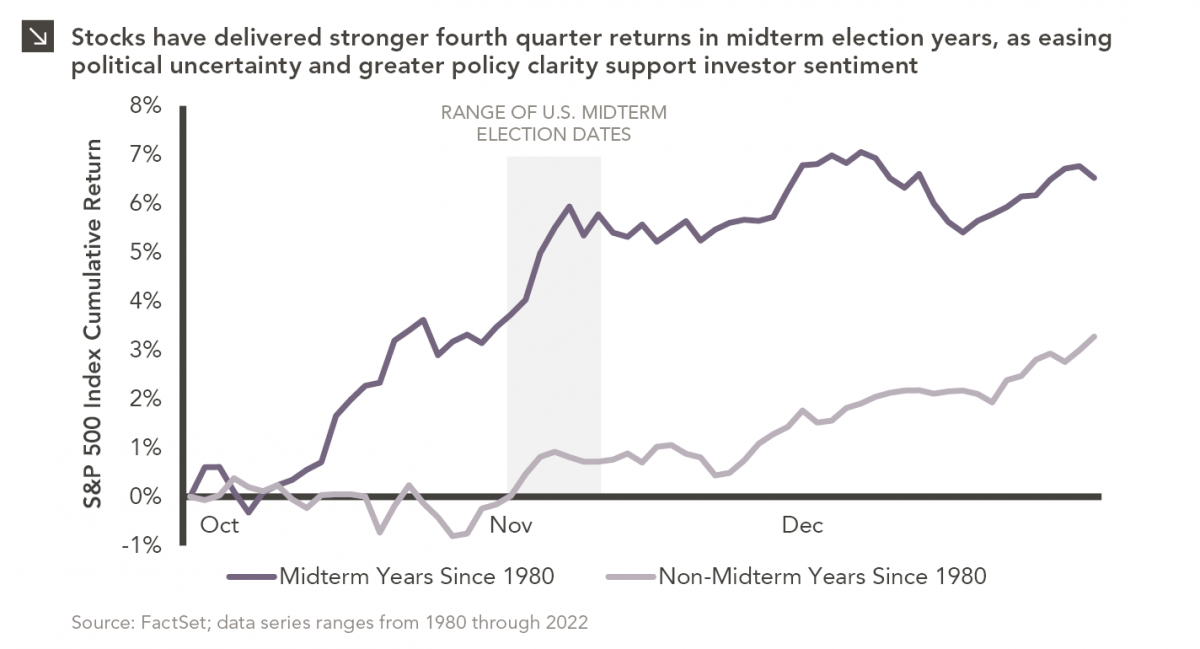
Since 1980, the S&P 500 Index has generally performed well in the weeks surrounding U.S. midterm elections. Specifically, the index…
10.12.2026
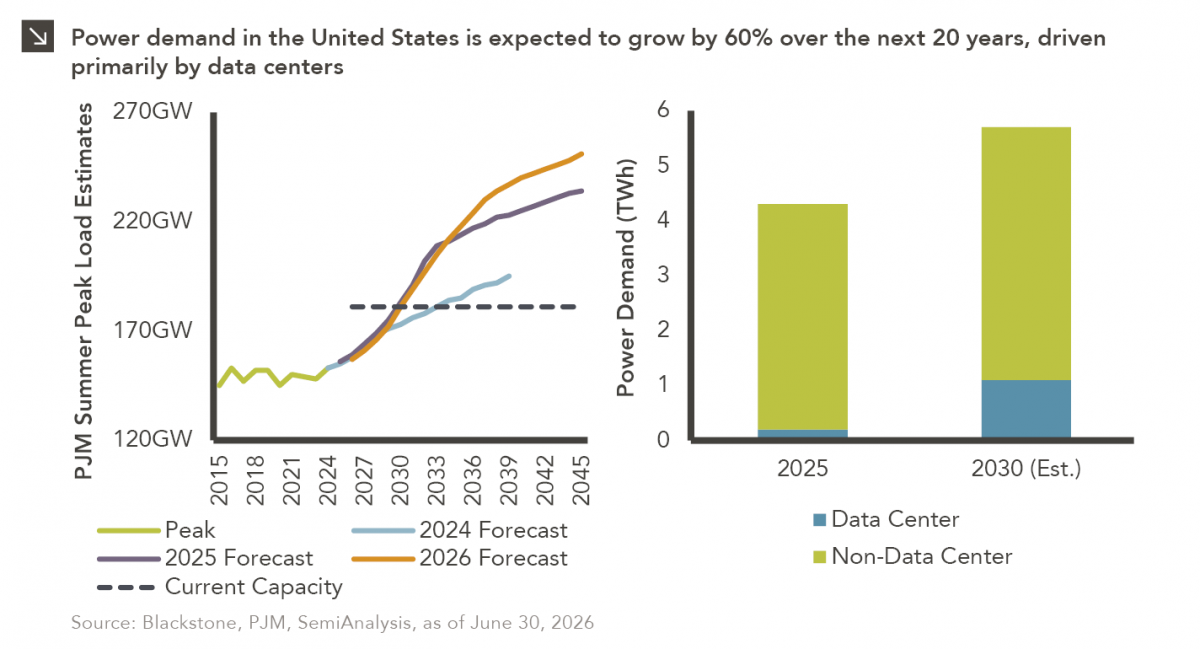
This week’s chart highlights the accelerating growth of electricity demand in the U.S., which has been driven primarily by the…

10.08.2026
LIVE WEBINAR — OCTOBER 22 Please join Marquette’s research team for our 3Q 2026 Market Insights Webinar…
10.05.2026
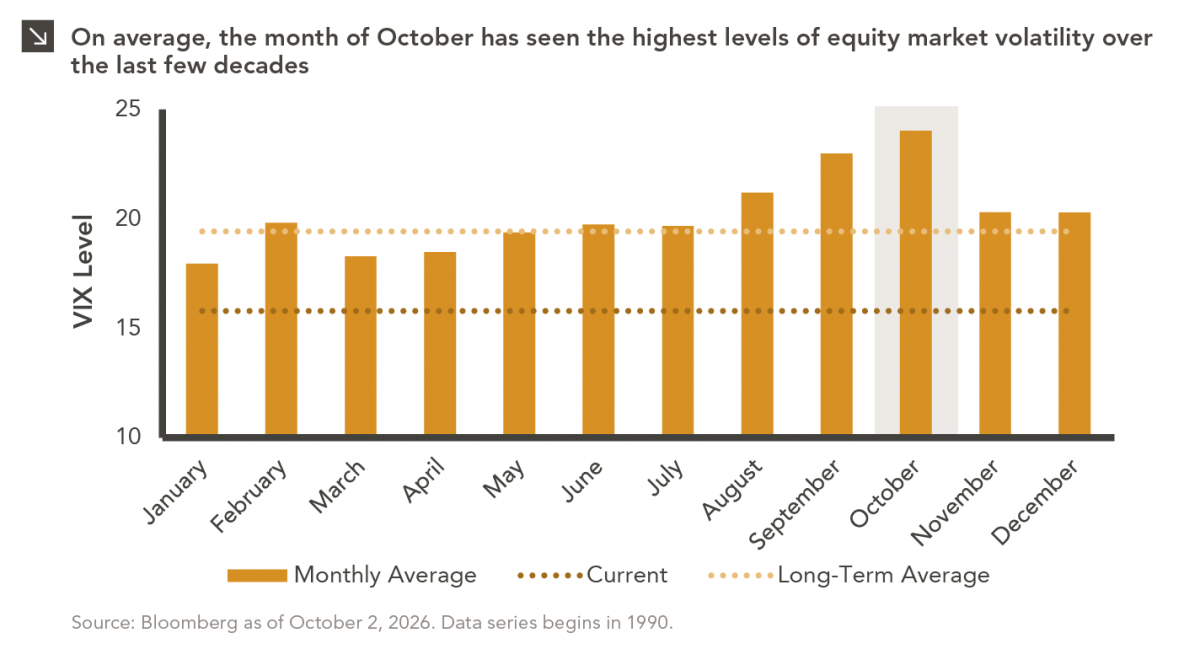
For investors, the spookiest thing about October might not be the ghosts and monsters that are bound to show up…
09.28.2026
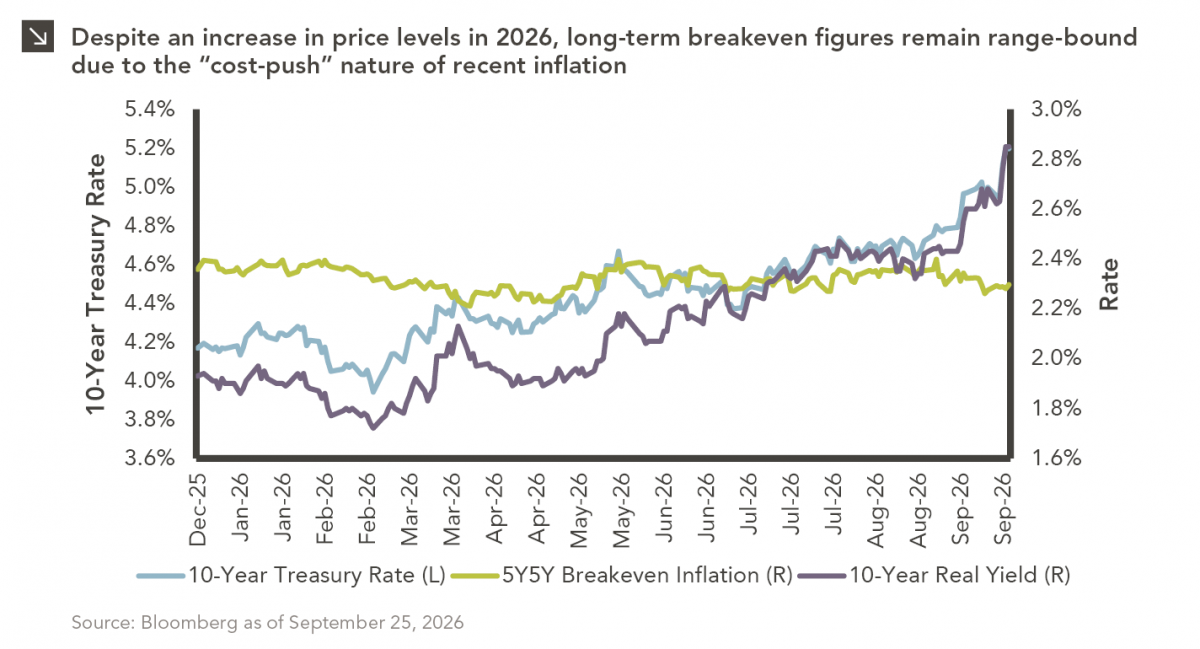
The phrase “expectations of higher inflation” has become a staple in financial news to explain the increase in nominal U.S….
09.21.2026
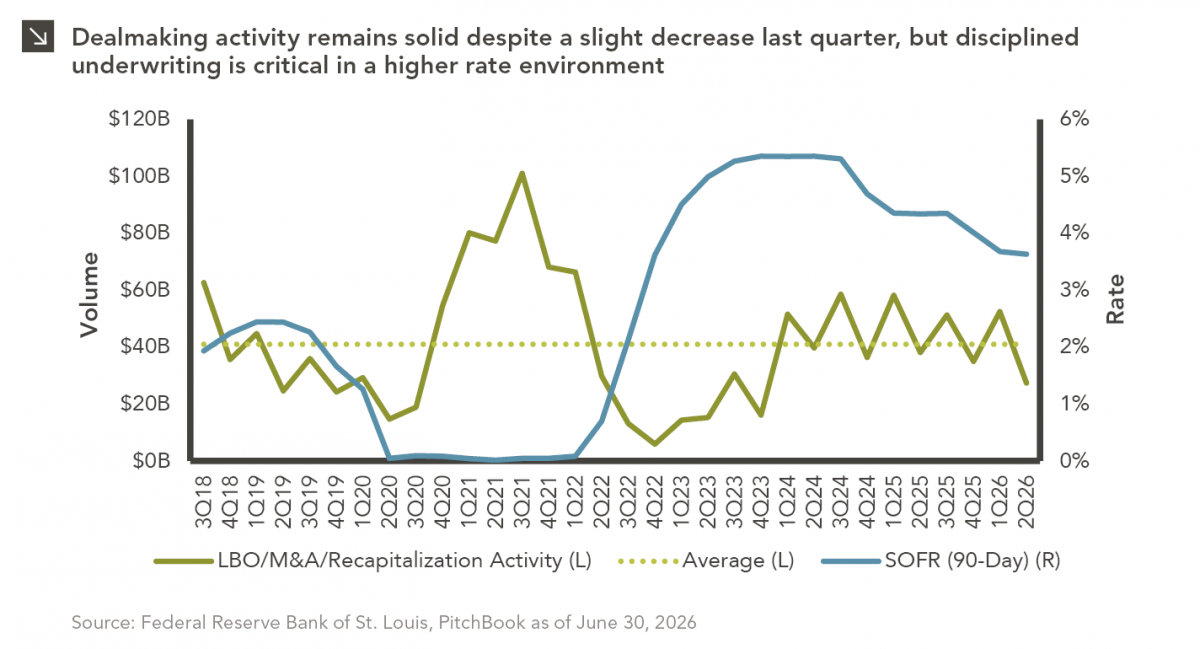
For much of the past several years, the conventional view has been that higher interest rates and stretched valuations would…
Research alerts keep you updated on our latest research publications. Simply enter your contact information, choose the research alerts you would like to receive and click Subscribe. Alerts will be sent as research is published.
We respect your privacy. We will never share or sell your information.
If you have questions or need further information, please contact us directly and we will respond to your inquiry within 24 hours.
Contact Us >