Evan Frazier, CFA, CAIA
Senior Research Analyst


The first quarter of 2021 saw the 10-year Treasury yield nearly double, which had a profoundly negative impact on growth-oriented and higher-valuation stocks. Generally, higher interest rates are expected to lead to lower equity returns and vice versa, all else equal. While the pace of change in the 10-year during the first quarter was enough to rattle investors, data from the last decade does not support an overall negative correlation between the movement in interest rates and equity returns. Since the Global Financial Crisis (“GFC”), monthly returns of the S&P 500 Index and monthly changes in the 10-year Treasury yield have exhibited correlations ranging from modestly negative to strongly positive. This is in stark contrast to the correlations from previous decades, when equity returns and interest rate movements tended to be strongly inversely related, as conventional wisdom would suggest. Roughly 75% of the monthly correlation observations from 1970 to the beginning of the Global Financial Crisis were negative, compared to less than 14% from the GFC to the present day. While many variables likely contributed to this disconnect, the absolute level of interest rates may be the most important factor.
Though it is difficult to precisely quantify the impact, the extremely low yield environment of the past decade has clearly been a boon to stock prices. During periods of low rates, investors tend to shun conservative assets like bonds and turn to equities for yield, otherwise known as the “TINA” effect (i.e., market participants believe “there is no alternative” to stocks in low-rate climates). This phenomenon manifests itself in the form of the equity risk premium (the S&P 500 earnings yield less the 10-year Treasury yield), which has indicated the relative attractiveness of equities for nearly two decades. Low rates also benefit stock price valuations, calculated as expected future cash flows of companies pulled forward to the present day using a discount factor based on the risk-free interest rate. When yields are low, the denominators in those present value calculations are also low, leading to higher valuations. So, despite rates ticking up during various periods in the last decade, stock prices largely continued to rise as rates stayed extremely low on an absolute and historical basis. It is also worth noting that during exogenous shocks like the GFC and COVID-19, both yields and equity prices saw dramatic decreases, contributing to the positive correlation over the last several years.
At higher absolute levels of interest rates, however, the data show a stronger negative correlation between yield changes and equity price movements. The idea that the absolute level of interest rates helps determine the extent to which movements in yields impact equities begs the question: Is there an inflection point at which increases in rates are more likely to lead to diminished equity returns? While there are many factors at play, a quadratic regression on the correlations observed from 1970 through today implies that negative correlations begin at a 10-year Treasury yield of around 5.8%. For investors, this may help allay concerns about the impact of future rate hikes, with the 10-year still below 2%. That said, the era of easy money that has persisted for more than a decade may be drawing to a close, and investors should consider the implications of increasingly restrictive monetary policy going forward.
Print PDF > When Do Rising Rates Matter the Most?

The opinions expressed herein are those of Marquette Associates, Inc. (“Marquette”), and are subject to change without notice. This material is not financial advice or an offer to purchase or sell any product. Marquette reserves the right to modify its current investment strategies and techniques based on changing market dynamics or client needs.
10.12.2026
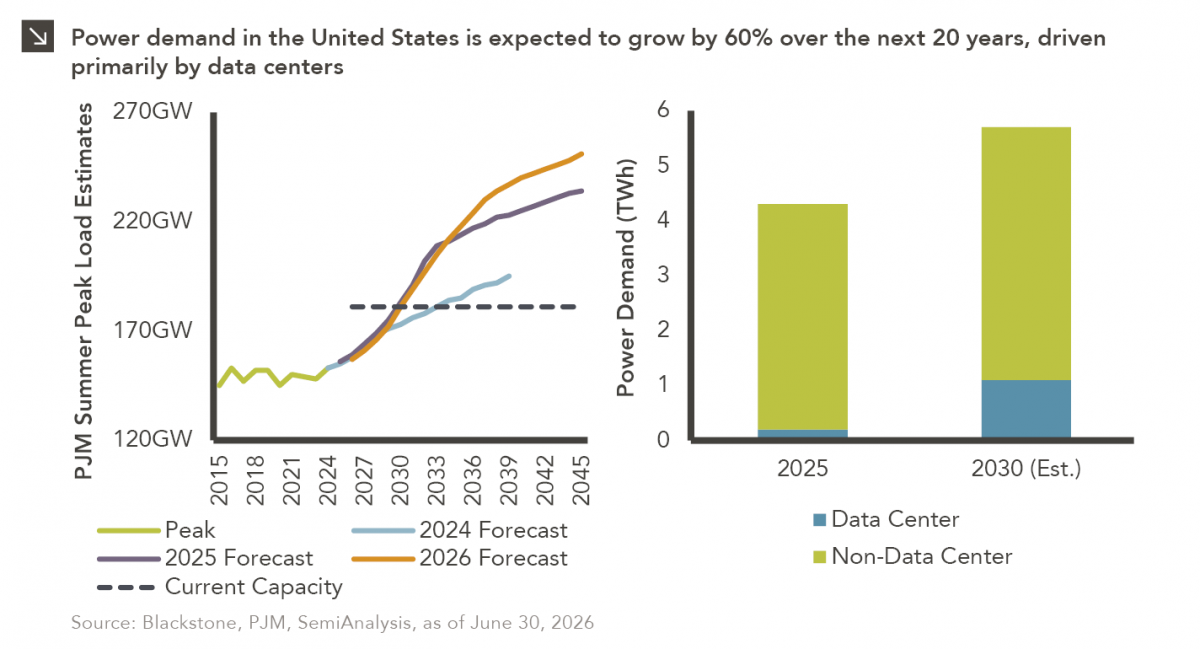
This week’s chart highlights the accelerating growth of electricity demand in the U.S., which has been driven primarily by the…

10.08.2026
LIVE WEBINAR — OCTOBER 22 Please join Marquette’s research team for our 3Q 2026 Market Insights Webinar…
10.05.2026
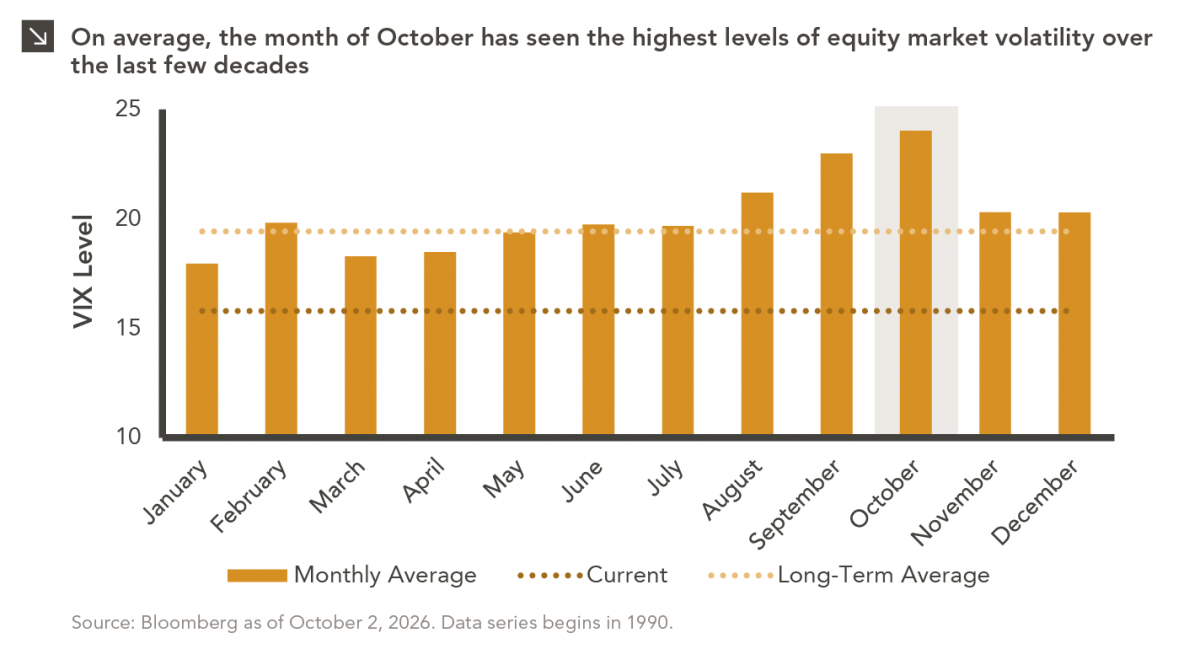
For investors, the spookiest thing about October might not be the ghosts and monsters that are bound to show up…
09.28.2026
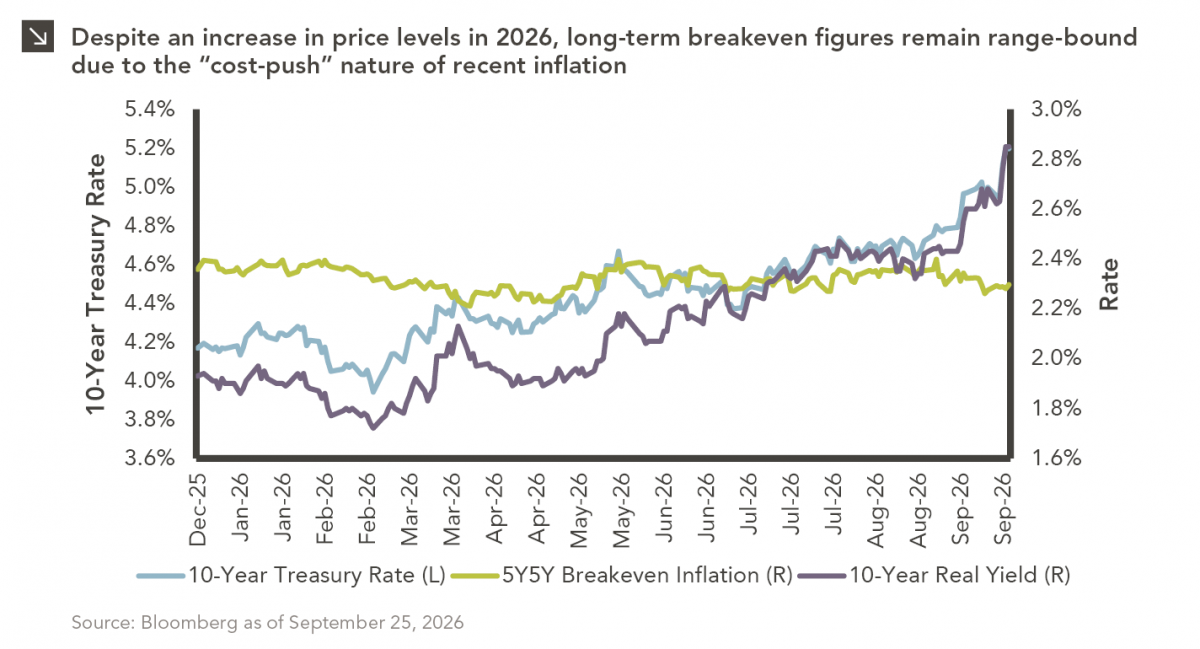
The phrase “expectations of higher inflation” has become a staple in financial news to explain the increase in nominal U.S….
09.21.2026
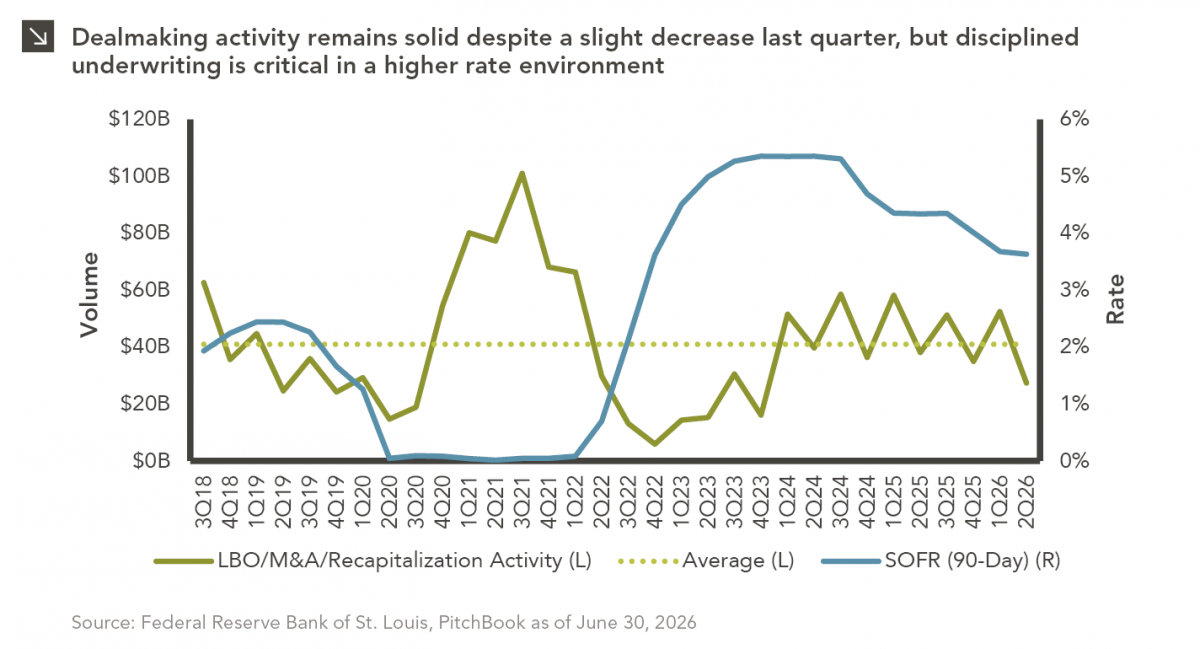
For much of the past several years, the conventional view has been that higher interest rates and stretched valuations would…
09.14.2026
There are many great things about working at Marquette Associates, but “Free Lunch Tuesday” is right at the top of…
Research alerts keep you updated on our latest research publications. Simply enter your contact information, choose the research alerts you would like to receive and click Subscribe. Alerts will be sent as research is published.
We respect your privacy. We will never share or sell your information.
If you have questions or need further information, please contact us directly and we will respond to your inquiry within 24 hours.
Contact Us >