09.08.2026
EMD’s Second Chance?
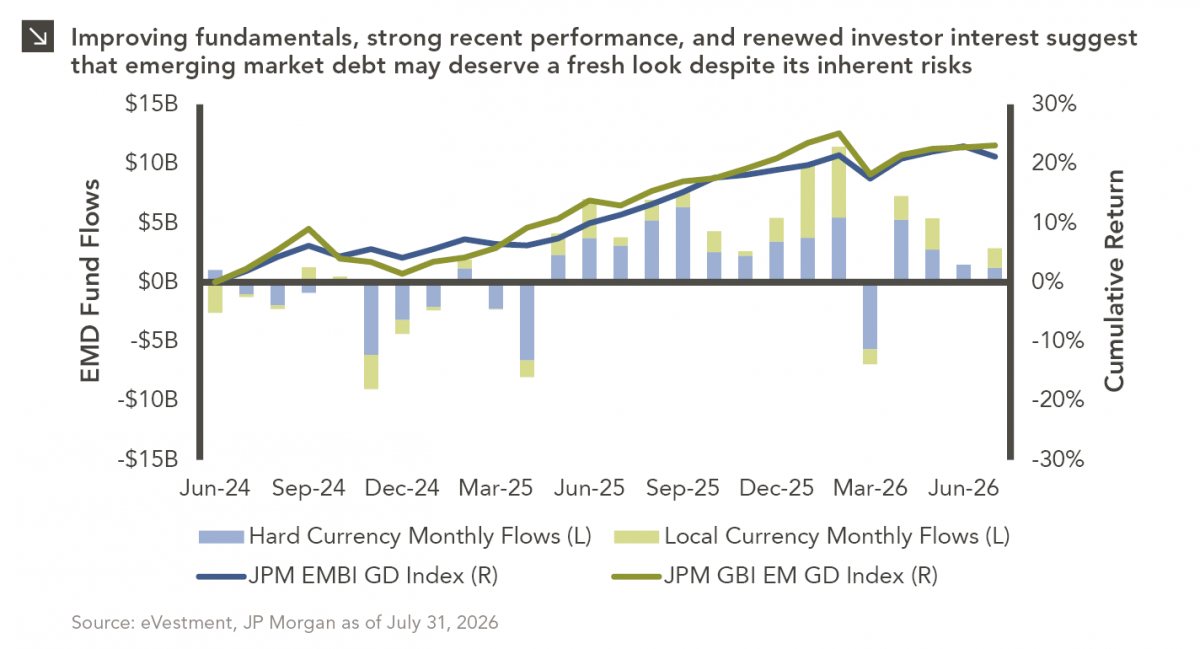
Over the last several years, emerging market debt (EMD) has faced several headwinds, with rising yields across other fixed income…


Individuals commonly allocate 20–30% of their net worth into a primary residence, which oftentimes accounts for the single largest investment in their portfolio. The market value of one’s home is impacted by variables that include, but are not limited to, supply and demand relationships, property location, borrowing rates, and tax policies. Since early 2020, median home prices have increased over 25%, benefitting homeowners and their portfolios significantly.¹ The appreciation in home prices can partially be attributed to the shortage of homes built over the past decade. Not since the 1930s, when the country’s population was roughly 40% what it is today, have so few homes been built in the United States. The problem is further exacerbated by the average age of a home in the U.S. — 40 years,² well beyond its useful life — and current labor and material shortages that have been lengthening project timelines and delaying starts.
The sudden rise in housing valuations has homeowners and investors wondering if this could be another bubble, akin to the 2008–2009 mortgage crisis. While new home starts will likely remain low in the near and medium-term, rising interest rates may serve to stymie demand. Since the end of 2021, interest rates on a 30-year fixed mortgage have risen nearly 200 basis points to almost 5.0%,³ adding meaningfully to the cost of buying a home and potentially pushing ownership outside the reach of prospective millennial and generation Z buyers. However, opportunity exists in any inefficiently priced market, which is why more and more institutional investors are allocating “dry powder” to the residential real estate market. Ultimately, buyers, sellers, and lenders are justified in asking whether we are on the precipice of another housing crisis or if this is the start of a new normal with additional runway for growth.
Print PDF > Buy Land, They’re Not Making It Anymore
NOTES
¹ Lambert, Lance. “Homeowners struck gold during the pandemic—here’s the breakdown in every state.” Fortune. 23 Dec 2021.
² Jones, David. “Ages of Houses in the US.” BuyersAsk. Last updated 4 May 2021.
³ 4.96% as of April 4, 2022
The opinions expressed herein are those of Marquette Associates, Inc. (“Marquette”), and are subject to change without notice. This material is not financial advice or an offer to purchase or sell any product. Marquette reserves the right to modify its current investment strategies and techniques based on changing market dynamics or client needs.
09.08.2026
Over the last several years, emerging market debt (EMD) has faced several headwinds, with rising yields across other fixed income…
08.31.2026
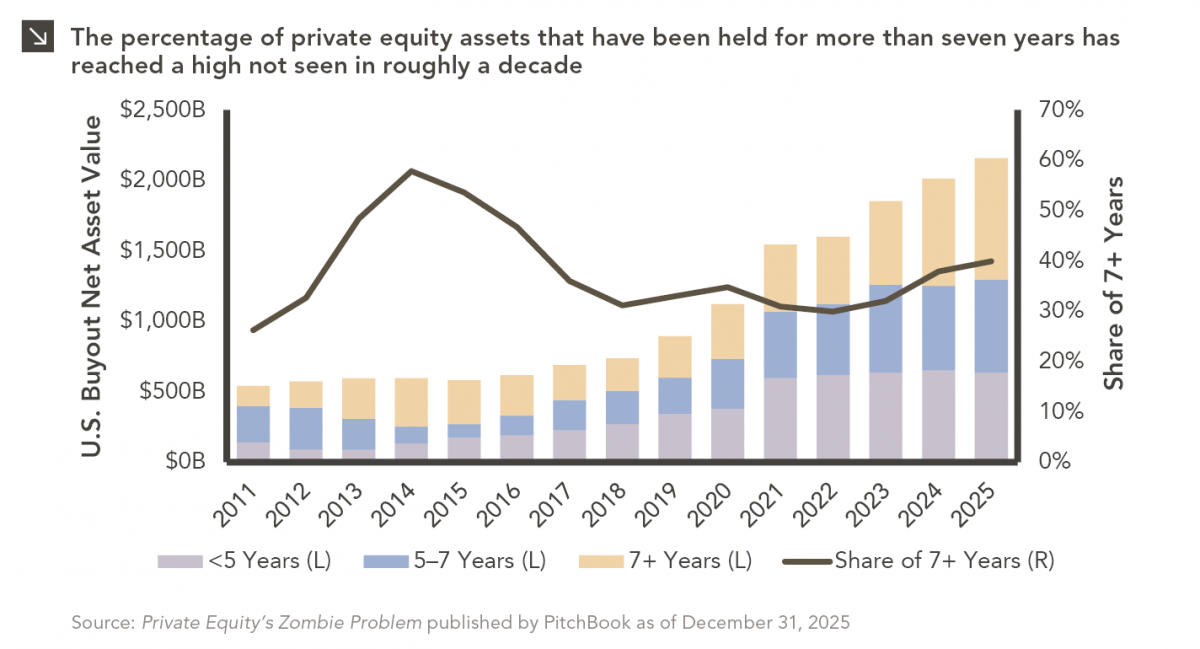
Private equity has always had a few portfolio companies that refused to leave the party. Today, however, the industry appears…
08.24.2026
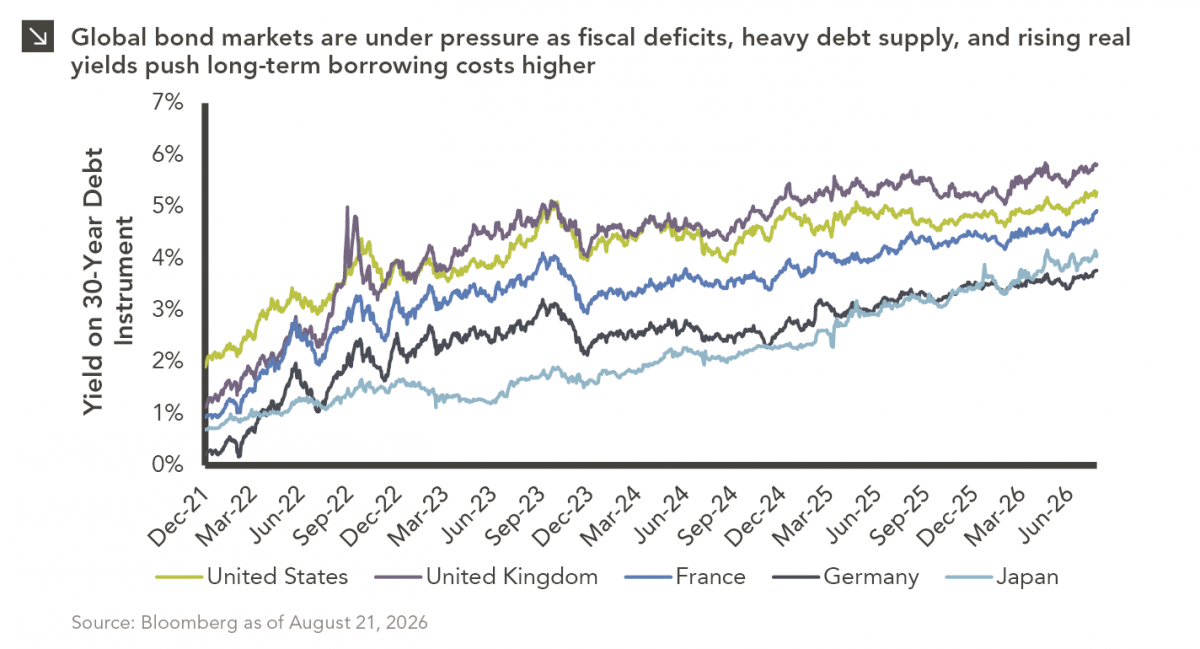
The global bond market is facing renewed pressure as investors demand higher yields to hold long-dated government debt, pushing borrowing…

08.17.2026
As a college football player struggling to put on mass, the “supersizing” deal at McDonald’s was hard to beat. For…
08.10.2026
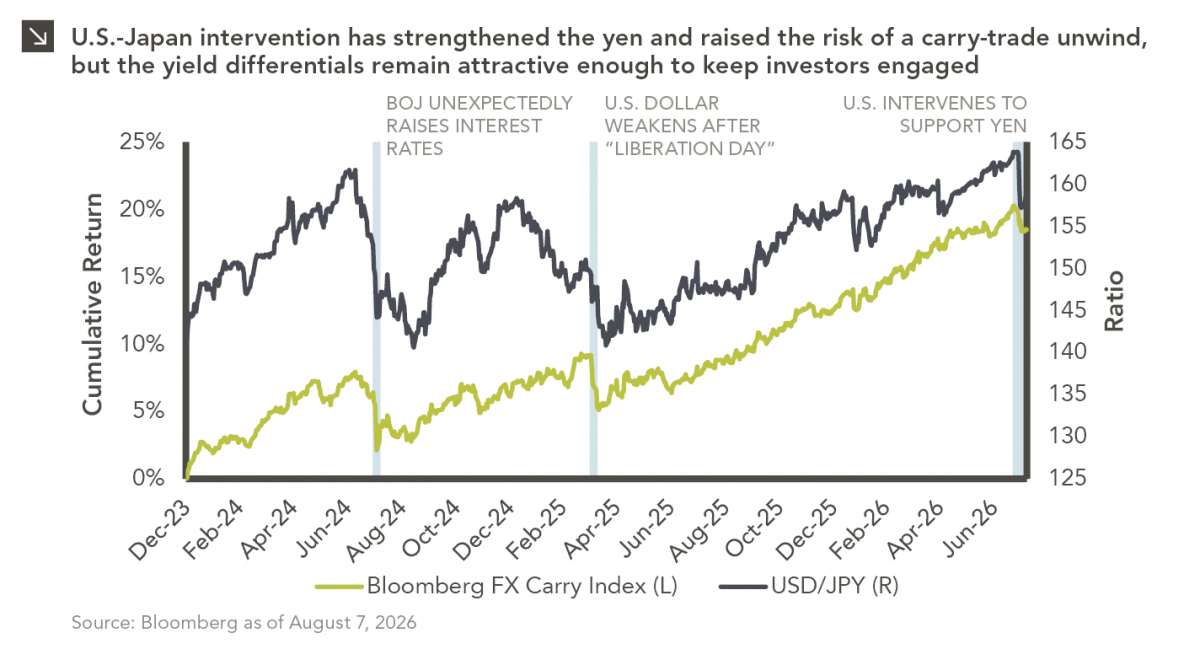
After reaching nearly ¥164 per dollar, its weakest level in roughly four decades, the yen had become a source of…
08.03.2026
In the cinematic masterpiece Rocky IV, Rocky gets dazed by his opponent, Captain Ivan Drago, and complains that he sees…
Research alerts keep you updated on our latest research publications. Simply enter your contact information, choose the research alerts you would like to receive and click Subscribe. Alerts will be sent as research is published.
We respect your privacy. We will never share or sell your information.
If you have questions or need further information, please contact us directly and we will respond to your inquiry within 24 hours.
Contact Us >