Evan Frazier, CFA, CAIA
Senior Research Analyst


After a challenging 2022, during which significant drawdowns were exhibited by equity and fixed income indices alike, last year saw resurgent performance from most areas of the public market landscape. U.S. stocks were higher in 2023, with the S&P 500 and Russell 2000 indices posting returns of 26.3% and 16.9%, respectively, during the year. Key themes within domestic equity markets in 2023 included increased investor interest in GLP-1 obesity drugs, which led to strong performance from large-cap healthcare companies like Eli Lilly, as well as advances within the field of artificial intelligence. These advances resulted in narrow market leadership for much of 2023 and helped fuel a strong 42.7% calendar year return for the Russell 1000 Growth Index, which is home to each of the “Magnificent Seven” companies (Amazon, Apple, Alphabet, Meta, Microsoft, Nvidia, and Tesla) that were ultimately some of the largest beneficiaries of AI-related fervor. Some may have expressed skepticism that U.S. equity markets would exhibit such robust calendar year returns in March of 2023, which saw a banking crisis that led to the shuttering of Silicon Valley Bank, Signature Bank, and First Republic Bank amid an aggressive monetary tightening campaign by the Federal Reserve and widespread runs on deposits. Fortunately, concerns about broader contagion were allayed when the Fed announced plans to protect uninsured deposits at the affected institutions, though performance of mid- and small-cap indices did suffer due to these events.
Non-U.S. equities posted gains in 2023 as well, with the MSCI EAFE and EAFE Small-Cap indices, which track developed market stocks, returning 18.2% and 13.2%, respectively. UK stocks, while still positive for the year, lagged the broad market due to economic stagnation and higher borrowing costs. Japanese equities, on the other hand, served as a bright spot within the developed market space given recent shareholder-friendly corporate governance reforms and monetary policy that continues to be accommodative. The MSCI Emerging Markets Index was positive for the year as well, notching a return of 9.8%. Companies domiciled in Latin American countries like Brazil and Mexico were some of the largest gainers within non-U.S. markets during the year, as many have benefited from a reconfiguration of global supply chains and favorable population demographics. Additionally, the Taiwanese company TSMC, which is the largest constituent of the MSCI EM Index, exhibited strong performance in 2023 thanks to the enthusiasm surrounding AI advances detailed above. Despite these positive outcomes, the 2023 return of the EM benchmark was hampered due to continued challenges faced by China, which was among the worst performing countries during the period. Indeed, a slump in its property sector, ongoing geopolitical issues, a weak job market, and widespread debt stress in the corporate space have spelled trouble for China’s economy in recent time, however, many believe the nation’s slowdown has bottomed.
Fixed income indices were also positive in 2023 after a dismal 2022, with falling inflation, a resilient economy, and expectations of interest rate cuts on the horizon leading to a bond market rally to end the year. To that point, the yield on the 10-year Treasury, which sat above 5.0% less than three months ago, has now dropped to below 3.9%. Thanks in part to these dynamics, the Bloomberg Aggregate Index notched a return of 5.5% in 2023, while high yield bonds (+13.4%) and bank loans (+13.0%) posted their best calendar year performance figures since 2019 and 2009, respectively.
It is important to note that private markets asset classes, including private equity and real estate, report performance on a lagged basis, meaning full calendar year returns for these spaces will not be available for some time. In the coming weeks, Marquette will be providing more detailed analysis related to both public and private market performance in 2023, as well as what investors might reasonably expect in the new year. We encourage clients, in tandem with their consultants, to review these analyses, as well as existing investment exposures and policy targets, to ensure the appropriate positioning of portfolios in 2024 and beyond. Finally, as it relates to the new year, we wish all readers many happy returns!

The opinions expressed herein are those of Marquette Associates, Inc. (“Marquette”), and are subject to change without notice. This material is not financial advice or an offer to purchase or sell any product. Marquette reserves the right to modify its current investment strategies and techniques based on changing market dynamics or client needs.
10.12.2026
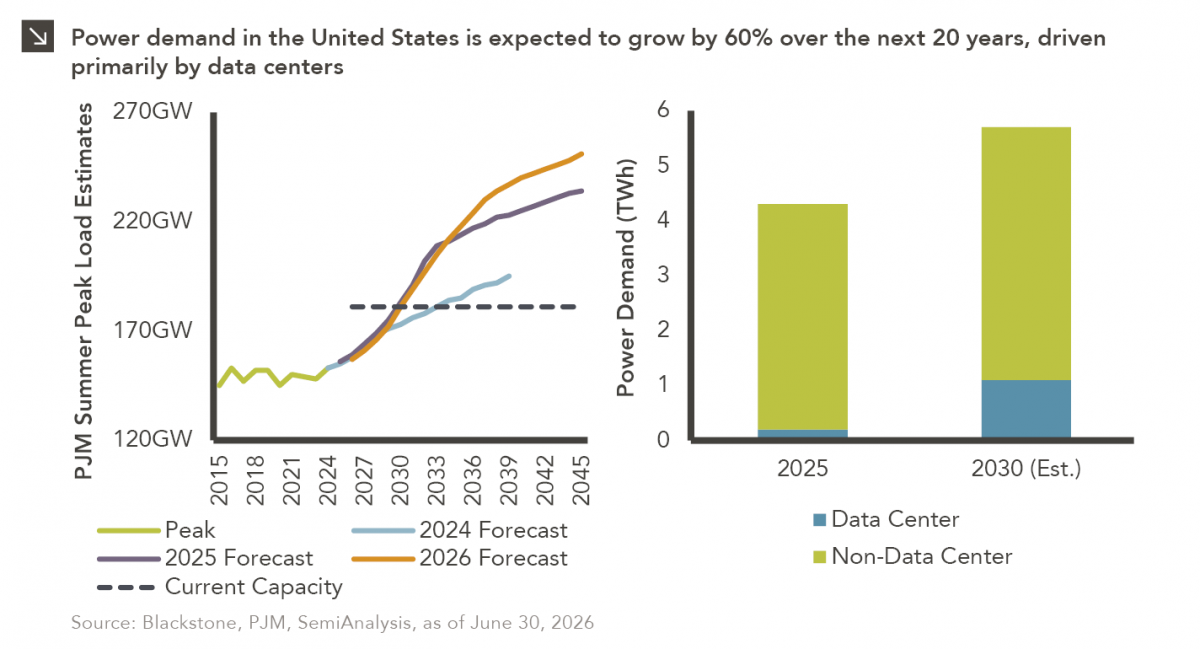
This week’s chart highlights the accelerating growth of electricity demand in the U.S., which has been driven primarily by the…

10.08.2026
LIVE WEBINAR — OCTOBER 22 Please join Marquette’s research team for our 3Q 2026 Market Insights Webinar…
10.05.2026
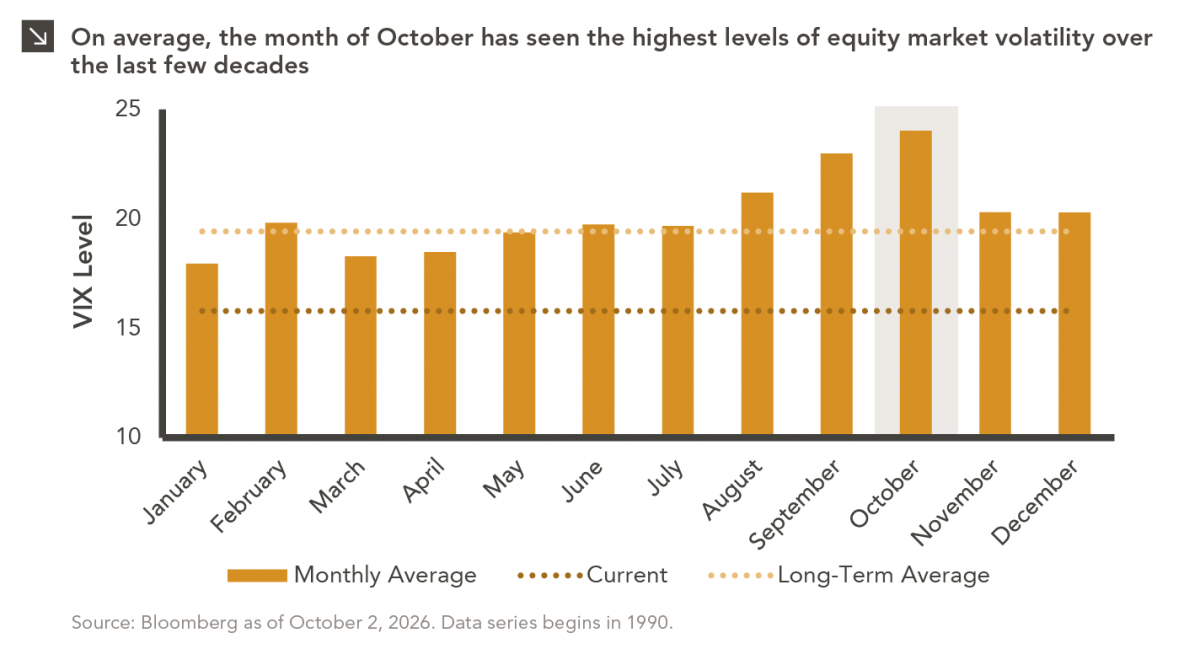
For investors, the spookiest thing about October might not be the ghosts and monsters that are bound to show up…
09.28.2026
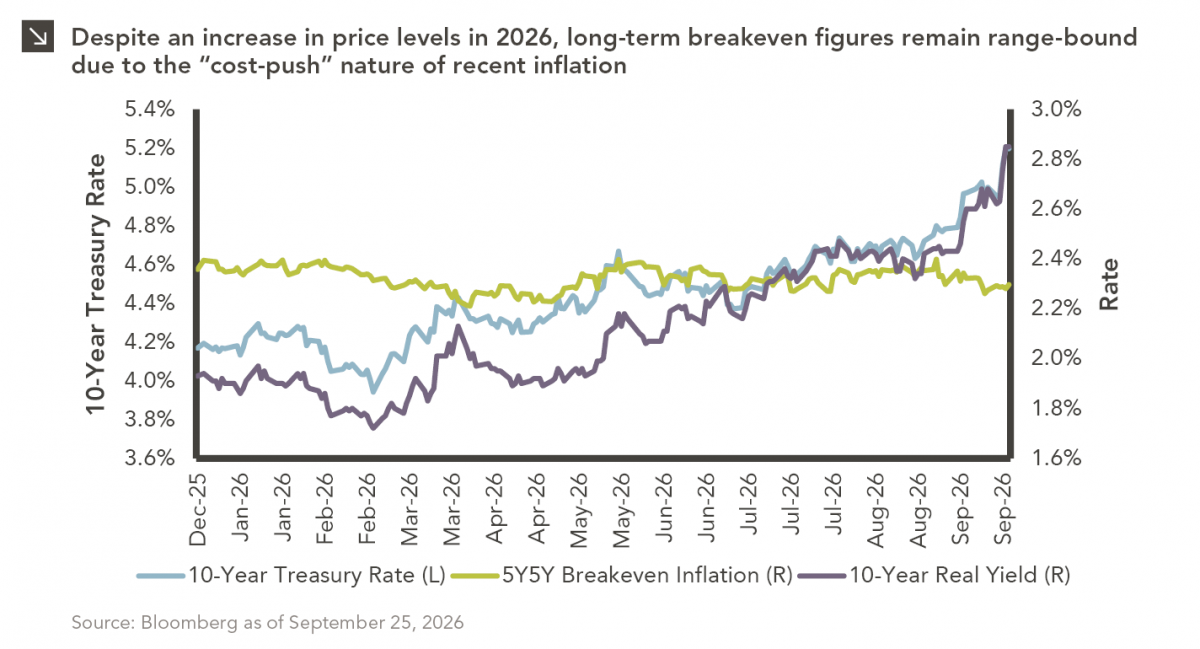
The phrase “expectations of higher inflation” has become a staple in financial news to explain the increase in nominal U.S….
09.21.2026
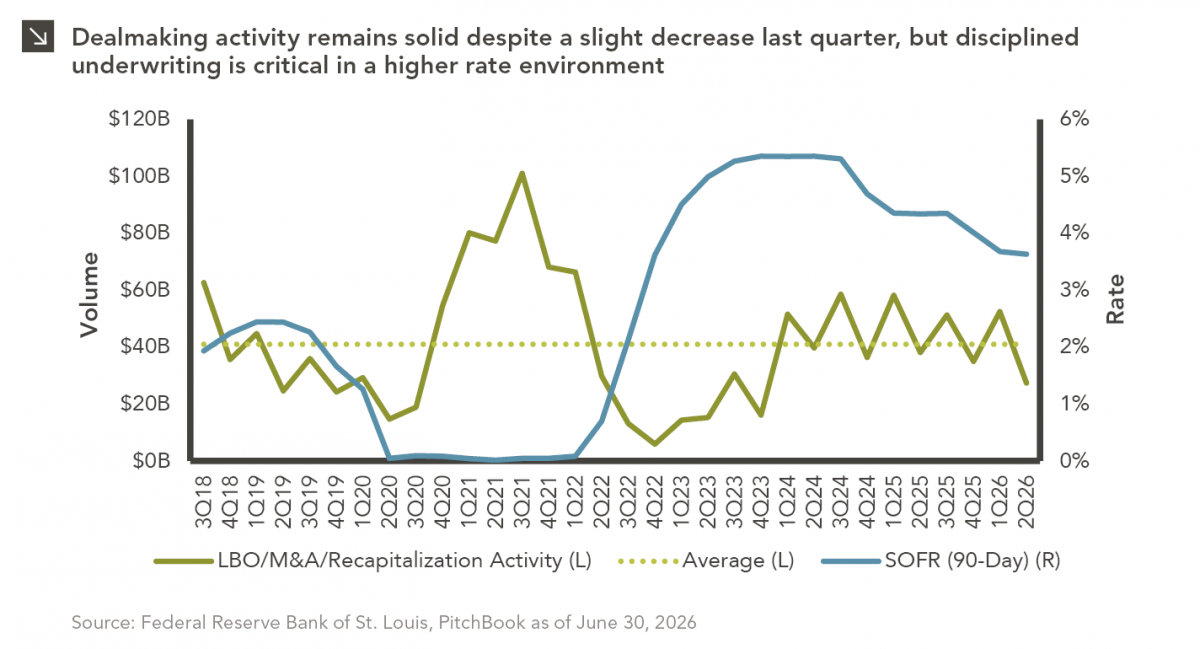
For much of the past several years, the conventional view has been that higher interest rates and stretched valuations would…
09.14.2026
There are many great things about working at Marquette Associates, but “Free Lunch Tuesday” is right at the top of…
Research alerts keep you updated on our latest research publications. Simply enter your contact information, choose the research alerts you would like to receive and click Subscribe. Alerts will be sent as research is published.
We respect your privacy. We will never share or sell your information.
If you have questions or need further information, please contact us directly and we will respond to your inquiry within 24 hours.
Contact Us >