10.22.2026
Will Higher Rates Cramp the Markets?
Anyone who has run a marathon knows the last six miles are brutal — no matter how well the first…


The Federal Reserve announced its sixth rate hike on Wednesday, with the target fed funds rate now 1.5% – 1.75%. The decision to increase rates was based on low unemployment and low inflation. Our chart this week takes a closer look at LIBOR (more formally known as the London interbank offering rate) and its relationship with the fed funds rate. As a matter of background, LIBOR is primarily used as the base rate upon which the floating rates for bank loans and private credit are set. For example, a bank loan with an L+400 rate means that it yields 400 basis points over LIBOR. As LIBOR rises, the bank loan’s yield rises.
As the chart shows, LIBOR demonstrates a strong correlation with the fed funds rate, which is the short-term interest rate controlled by the Federal Reserve. The blue line shows the rate hikes over the last three years. The purple line shows the corresponding rise in the three-month LIBOR, which is the most commonly used maturity of LIBOR for bank loans and private credit. On average, the three-month LIBOR is approximately 50 basis points higher than the fed funds rate; thus, LIBOR is currently around 2.0%.
The gray section on the right shows the fed funds rate (blue line) as projected by the fed funds rate futures curve. By applying the 50bp difference to the LIBOR curve, we can project LIBOR to approximately 2.5% for December 2018 and 3.0% for both December 2019 and December 2020. This means that we could expect a bank loan with an L+400 rate to yield about 6.5% in December 2018 and about 7.0% as of December 2019 and December 2020.
However, we must note that LIBOR is expected to be phased out by the end of 2021. In addition, the London Stock Exchange has been working on a new short-term benchmark interest rate that would replace LIBOR, and plans to launch this replacement rate in April. Marquette will continue to monitor and provide guidance on these LIBOR developments, as they will undoubtedly have an impact on how interest rates and the credit market are measured.
The opinions expressed herein are those of Marquette Associates, Inc. (“Marquette”), and are subject to change without notice. This material is not financial advice or an offer to purchase or sell any product. Marquette reserves the right to modify its current investment strategies and techniques based on changing market dynamics or client needs.
The opinions expressed herein are those of Marquette Associates, Inc. (“Marquette”), and are subject to change without notice. This material is not financial advice or an offer to purchase or sell any product. Marquette reserves the right to modify its current investment strategies and techniques based on changing market dynamics or client needs.

10.22.2026
Anyone who has run a marathon knows the last six miles are brutal — no matter how well the first…
10.19.2026
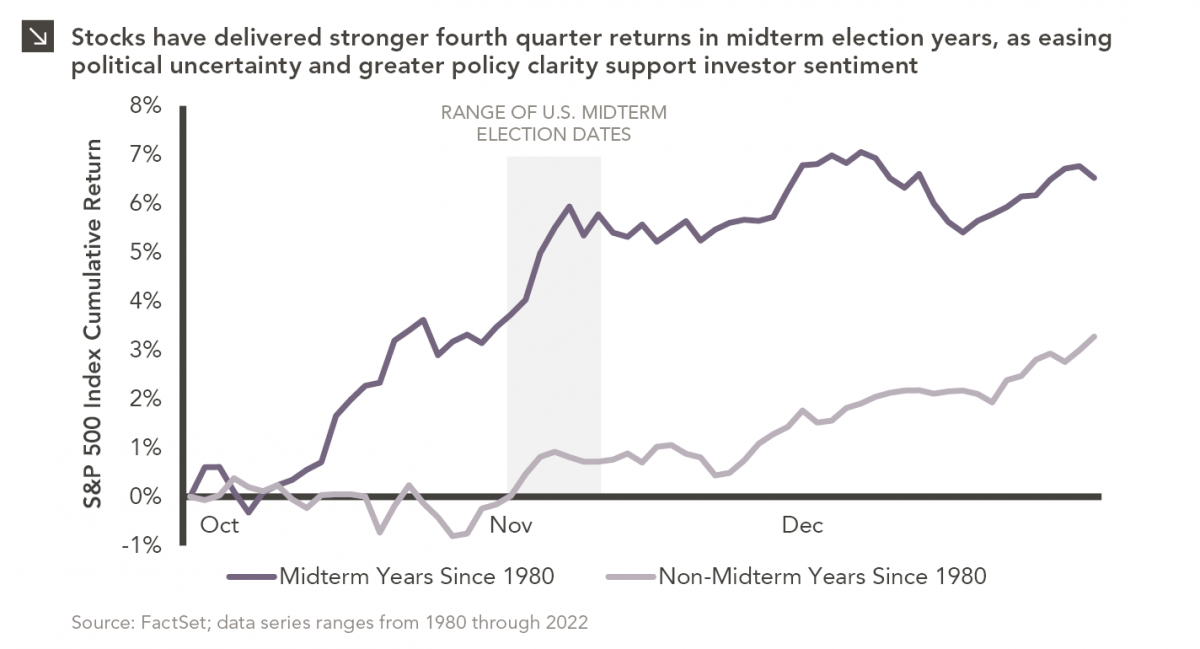
Since 1980, the S&P 500 Index has generally performed well in the weeks surrounding U.S. midterm elections. Specifically, the index…
10.12.2026
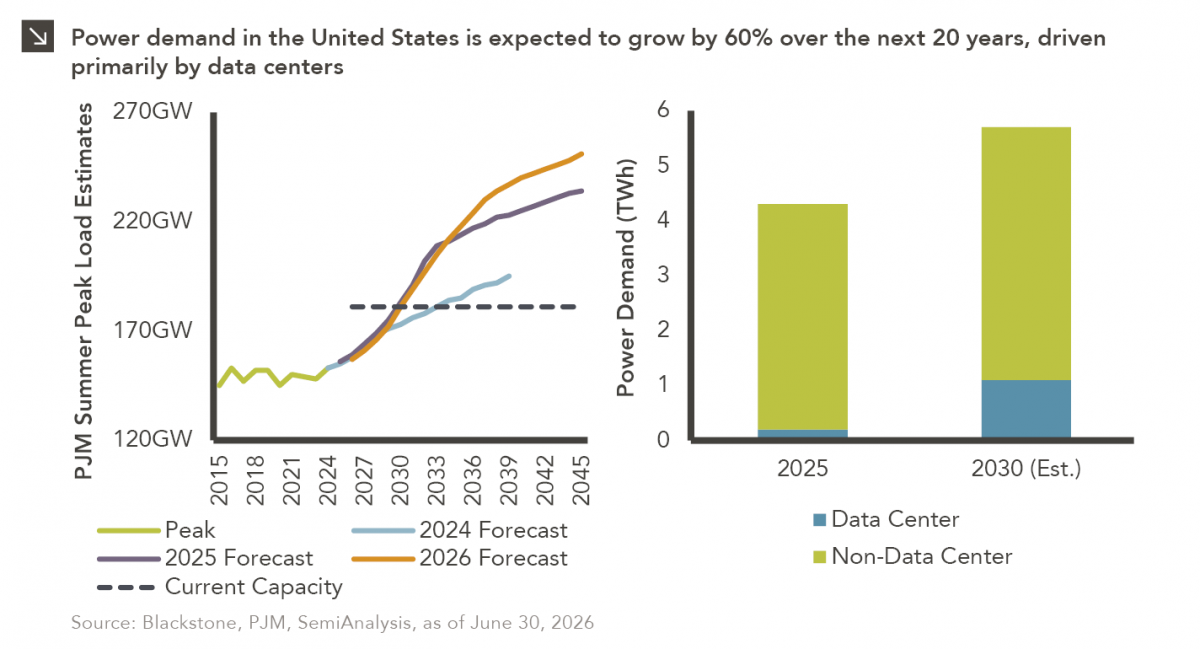
This week’s chart highlights the accelerating growth of electricity demand in the U.S., which has been driven primarily by the…

10.08.2026
LIVE WEBINAR — OCTOBER 22 Please join Marquette’s research team for our 3Q 2026 Market Insights Webinar…
10.05.2026
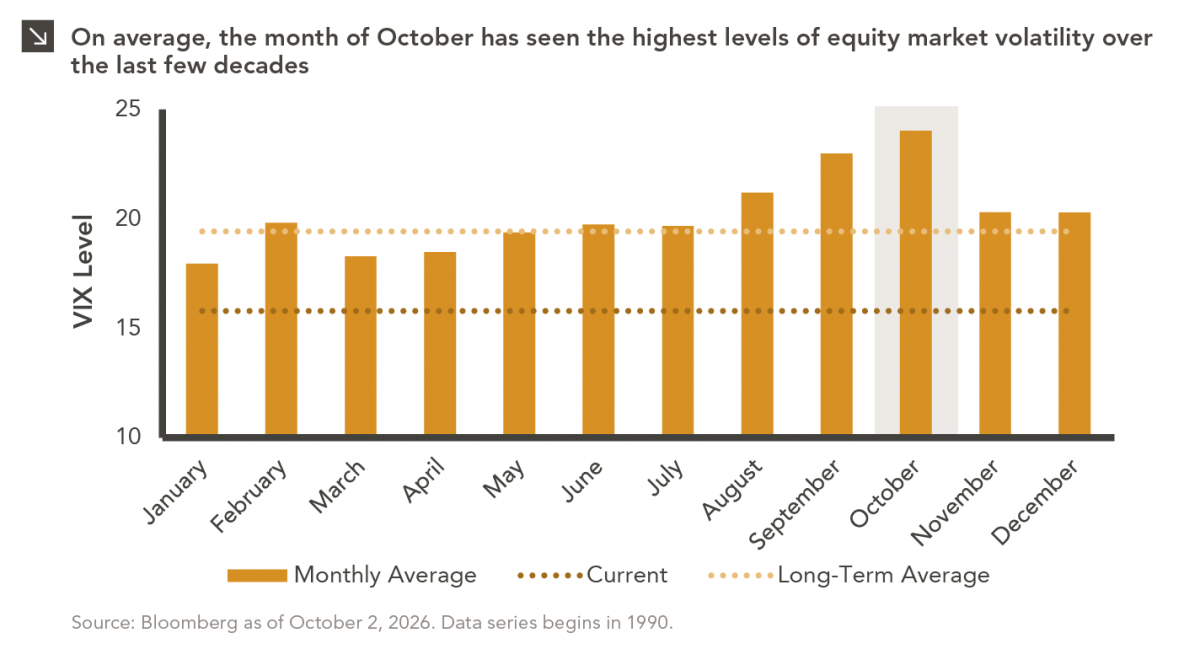
For investors, the spookiest thing about October might not be the ghosts and monsters that are bound to show up…
09.28.2026
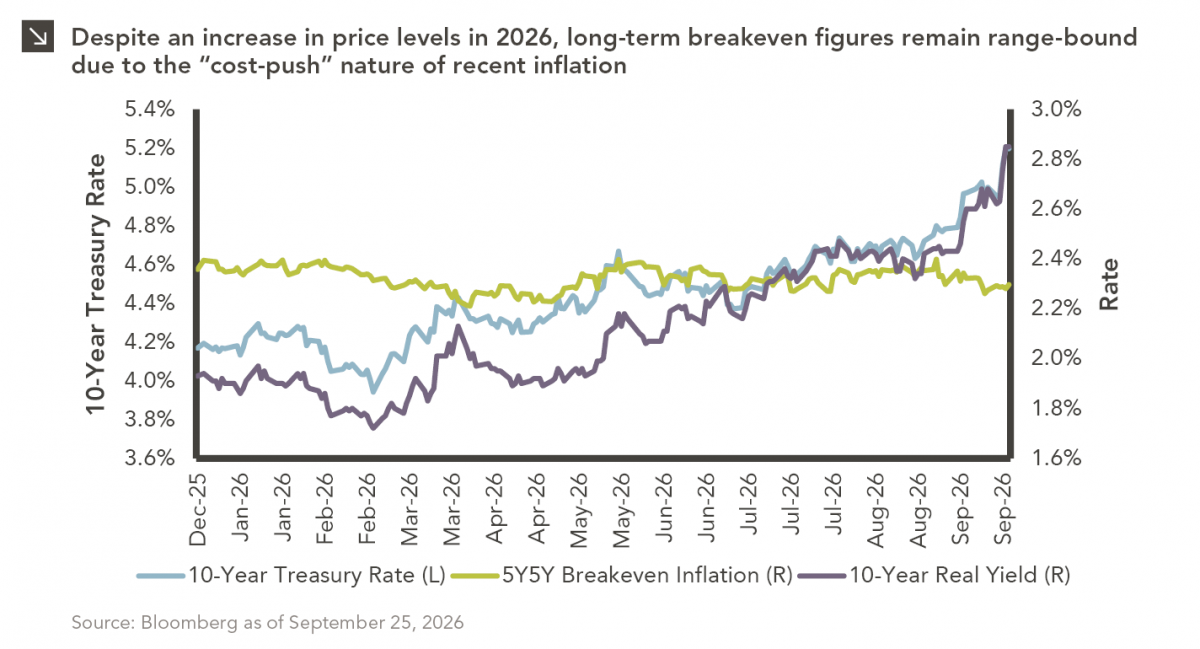
The phrase “expectations of higher inflation” has become a staple in financial news to explain the increase in nominal U.S….
Research alerts keep you updated on our latest research publications. Simply enter your contact information, choose the research alerts you would like to receive and click Subscribe. Alerts will be sent as research is published.
We respect your privacy. We will never share or sell your information.
If you have questions or need further information, please contact us directly and we will respond to your inquiry within 24 hours.
Contact Us >