Evan Frazier, CFA, CAIA
Senior Research Analyst


Global energy costs have risen sharply this month due to a convergence of geopolitical shocks, as critical infrastructure and transport routes have been severely disrupted in the wake of U.S. strikes on Iran. Specifically, oil prices have climbed above $100 per barrel for the first time since 2022, while European gas futures have nearly doubled from late February levels. These developments have led to pain at the pump for many in the U.S., where the cost of a gallon of regular, unleaded gasoline has risen to more than $3.96 as of this writing. This figure represents a roughly 33% increase from the national average just one month ago.
It is hard to understate the importance of the Persian Gulf region to commodities markets, with the Strait of Hormuz alone typically handling around a quarter of seaborne oil and a significant share of liquefied natural gas (LNG) shipments. The effective closure of this waterway has choked off a vital artery for the global energy trade, and damage to the LNG export capacity of Qatar has further tightened markets. With shipping traffic in the region reduced or halted due to security risks, traders are now pricing in the possibility of prolonged energy shortages. The current situation is particularly acute because ongoing disruptions affect not just production but also the transportation of commodities that have already been produced, amplifying the supply squeeze. Additionally, oil producers in the Gulf have scaled back output as storage capacity reaches its limits, both on land and aboard tankers offshore. According to the International Energy Agency, production has been reduced by at least 10 million barrels per day, which represents more than half of the volume that typically passes through the Strait of Hormuz.
Beyond the immediate supply loss, markets are also responding to the risk of sustained or worsening disruption. Damage to key facilities (e.g., large-scale LNG processing plants) could take years to fully repair, raising the prospect of a prolonged imbalance between supply and demand. Meanwhile, continued military escalation increases the likelihood that additional infrastructure could be targeted. This uncertainty has led to a risk premium being embedded in prices, as buyers compete to secure alternative supplies and hedge against future shortages. In effect, the combination of physical damage, logistical bottlenecks, and geopolitical risk has created significant upward pressure on energy prices, with potential ripple effects across inflation, industrial activity, and global economic growth.
Print PDF
The opinions expressed herein are those of Marquette Associates, Inc. (“Marquette”), and are subject to change without notice. This material is not financial advice or an offer to purchase or sell any product. Marquette reserves the right to modify its current investment strategies and techniques based on changing market dynamics or client needs.

10.22.2026
Anyone who has run a marathon knows the last six miles are brutal — no matter how well the first…
10.19.2026
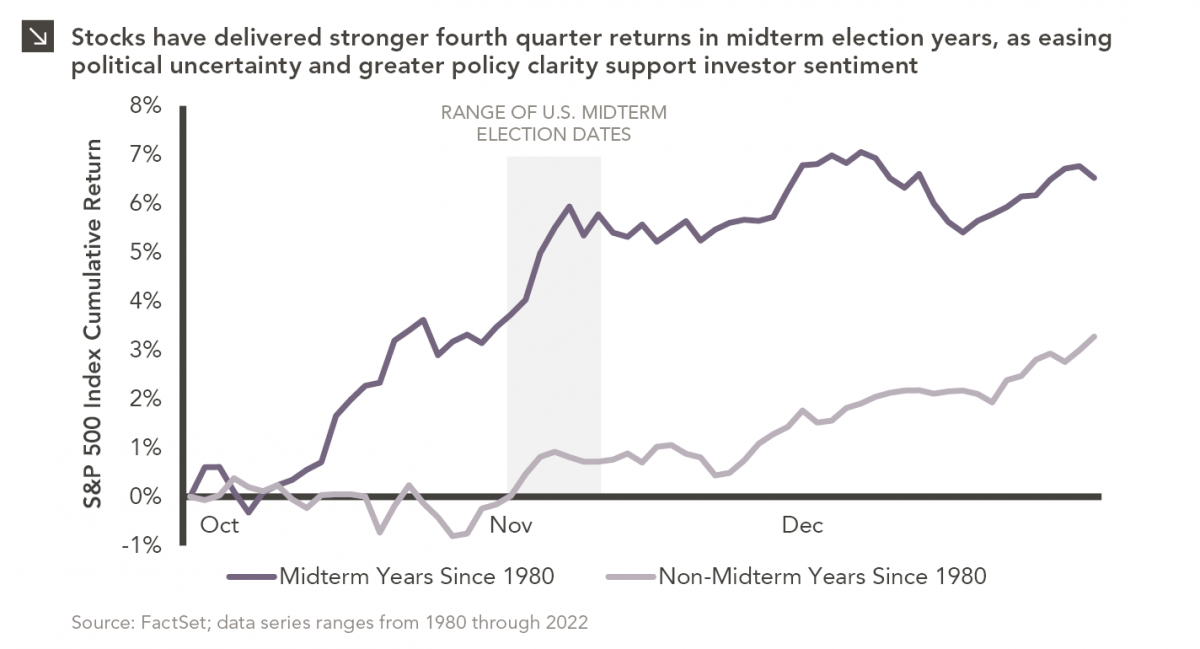
Since 1980, the S&P 500 Index has generally performed well in the weeks surrounding U.S. midterm elections. Specifically, the index…
10.12.2026
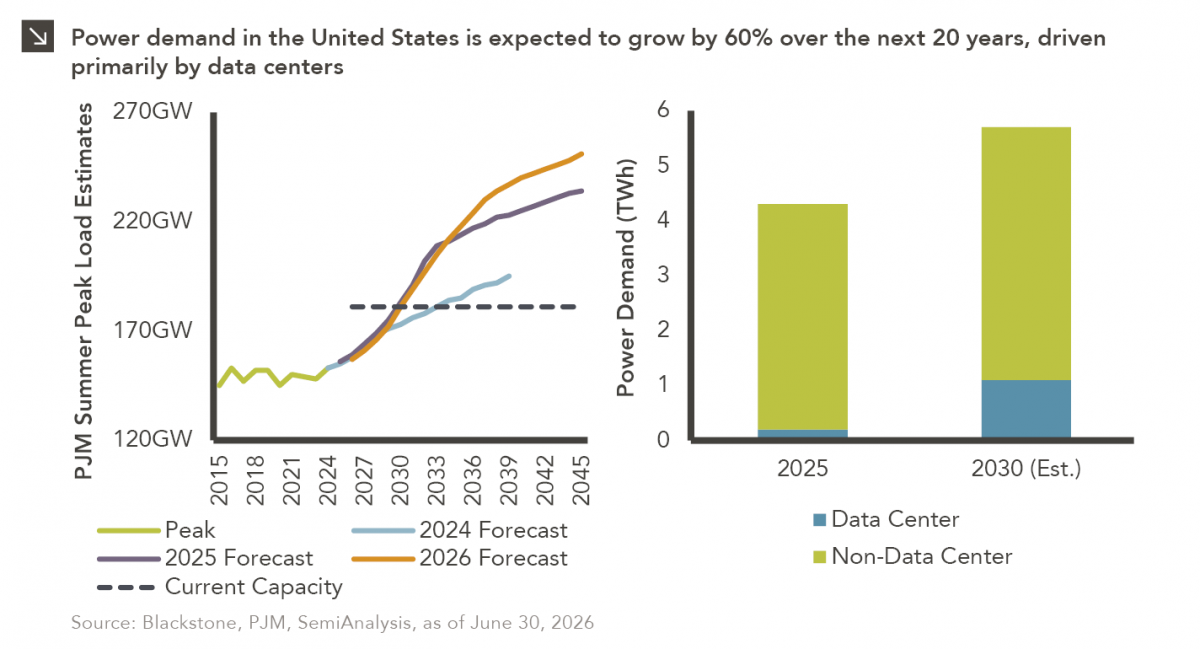
This week’s chart highlights the accelerating growth of electricity demand in the U.S., which has been driven primarily by the…

10.08.2026
LIVE WEBINAR — OCTOBER 22 Please join Marquette’s research team for our 3Q 2026 Market Insights Webinar…
10.05.2026
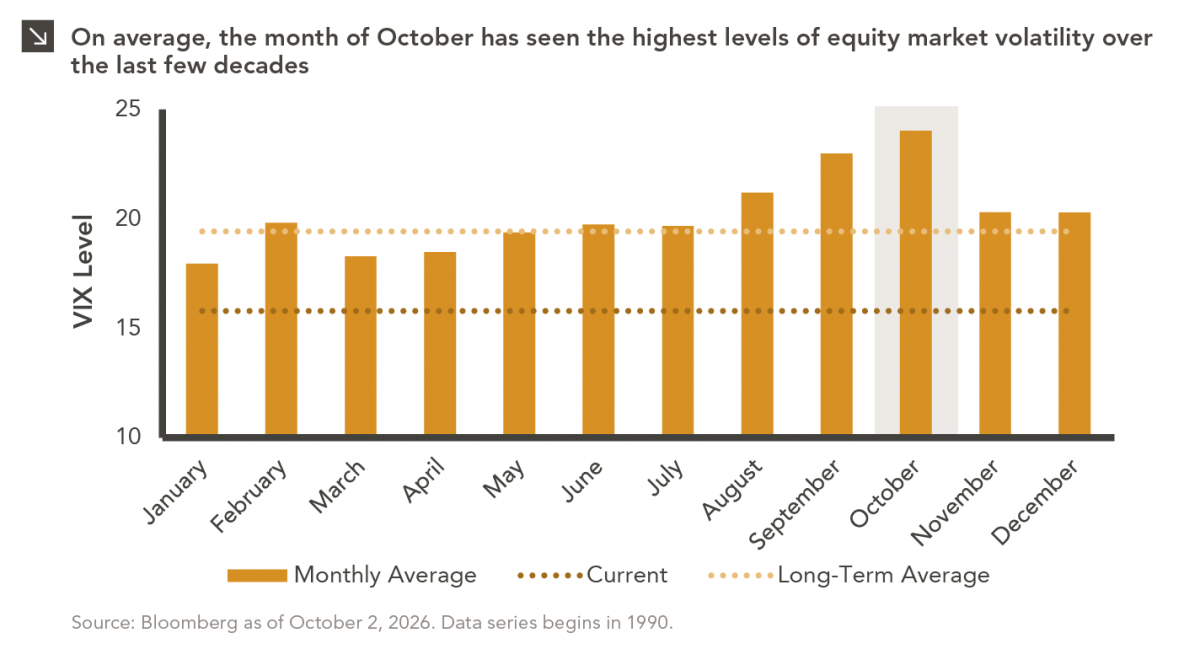
For investors, the spookiest thing about October might not be the ghosts and monsters that are bound to show up…
09.28.2026
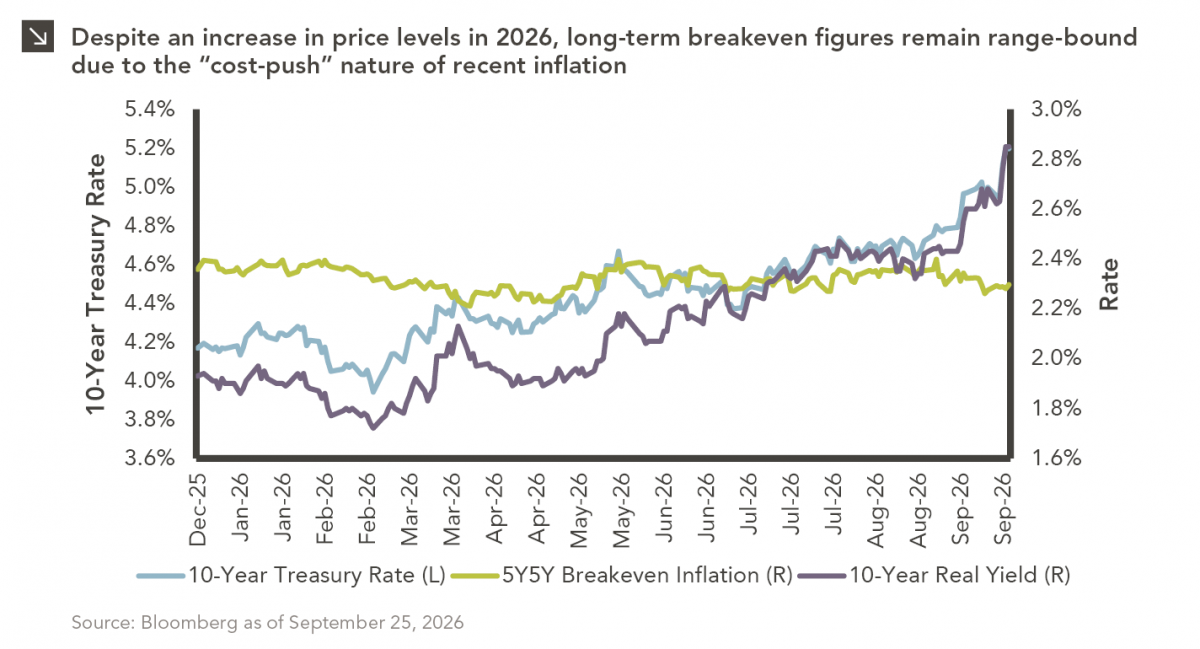
The phrase “expectations of higher inflation” has become a staple in financial news to explain the increase in nominal U.S….
Research alerts keep you updated on our latest research publications. Simply enter your contact information, choose the research alerts you would like to receive and click Subscribe. Alerts will be sent as research is published.
We respect your privacy. We will never share or sell your information.
If you have questions or need further information, please contact us directly and we will respond to your inquiry within 24 hours.
Contact Us >