David Hernandez, CFA
Director of Traditional Manager Search


The Fed recently completed its latest stress tests on banks. Based on the results, many banks were given the green light to increase dividend payouts as well as announce share buybacks. With this in mind, our chart of the week looks at the charge off rates and delinquency rates of loans at all commercial banks.
The Federal Reserve calculates these rates based on quarterly reports by all banks. The charge-off rate is defined as the flow of a bank’s net charge-offs during the quarter divided by the average level of loans outstanding. The delinquency rate is the ratio of the dollar amount of a bank’s delinquent loans to the dollar amount of total loans. Loans include real estate, agricultural, commercial & industrial, and consumer.
Prior to the official start of the recession, in the 2nd of quarter 2006, both rates began to increase, serving as a sign of things to come. In 2008, with the financial industry in danger of collapsing, the Fed stepped in and imposed tight restrictions on banks which led to dividends being slashed or all together eliminated. As banks struggled through the crisis, charge-off and delinquency rates climbed through 2009. During the official recession period between the 4th quarter of 2007 and 2nd quarter of 2009, the charge off rate increased by 255% and the delinquency rate increased by 160%. Perhaps as a sign that lending standards have improved and the economy has strengthened, both rates began to fall in 2010 and have been on a consistent decline the last four quarters. However, both rates are still well above pre-recession levels and undoubtedly haunted by continued high unemployment and a struggling housing market.

The opinions expressed herein are those of Marquette Associates, Inc. (“Marquette”), and are subject to change without notice. This material is not financial advice or an offer to purchase or sell any product. Marquette reserves the right to modify its current investment strategies and techniques based on changing market dynamics or client needs.
09.28.2026
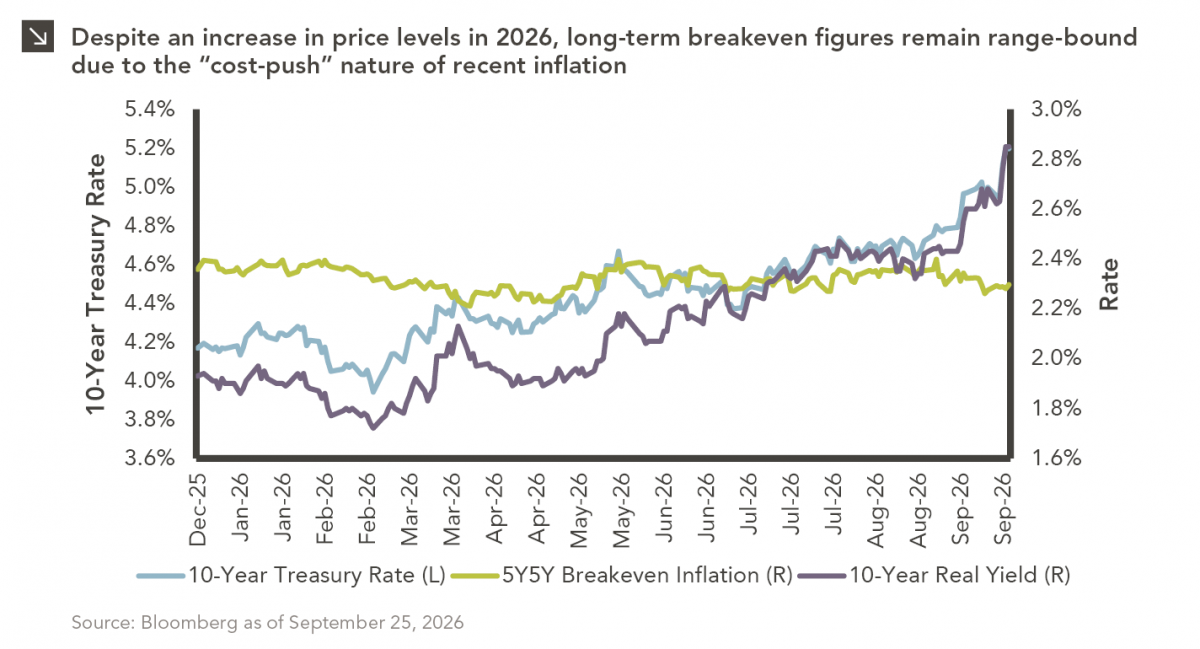
The phrase “expectations of higher inflation” has become a staple in financial news to explain the increase in nominal U.S….
09.21.2026
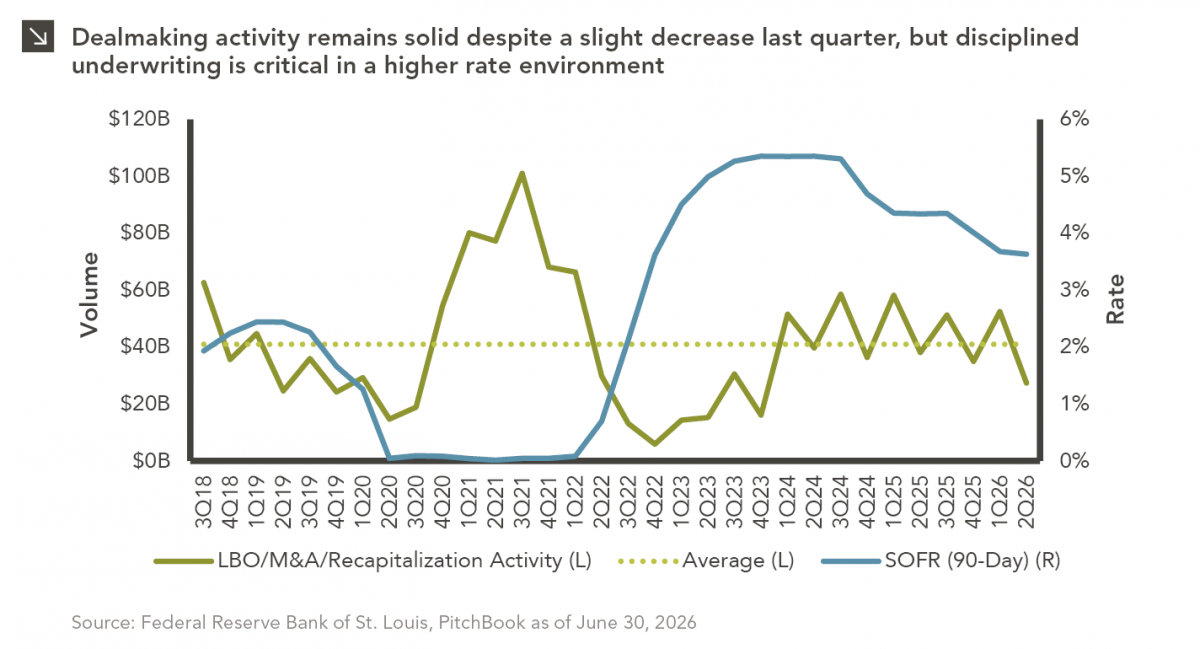
For much of the past several years, the conventional view has been that higher interest rates and stretched valuations would…
09.14.2026
There are many great things about working at Marquette Associates, but “Free Lunch Tuesday” is right at the top of…
09.08.2026
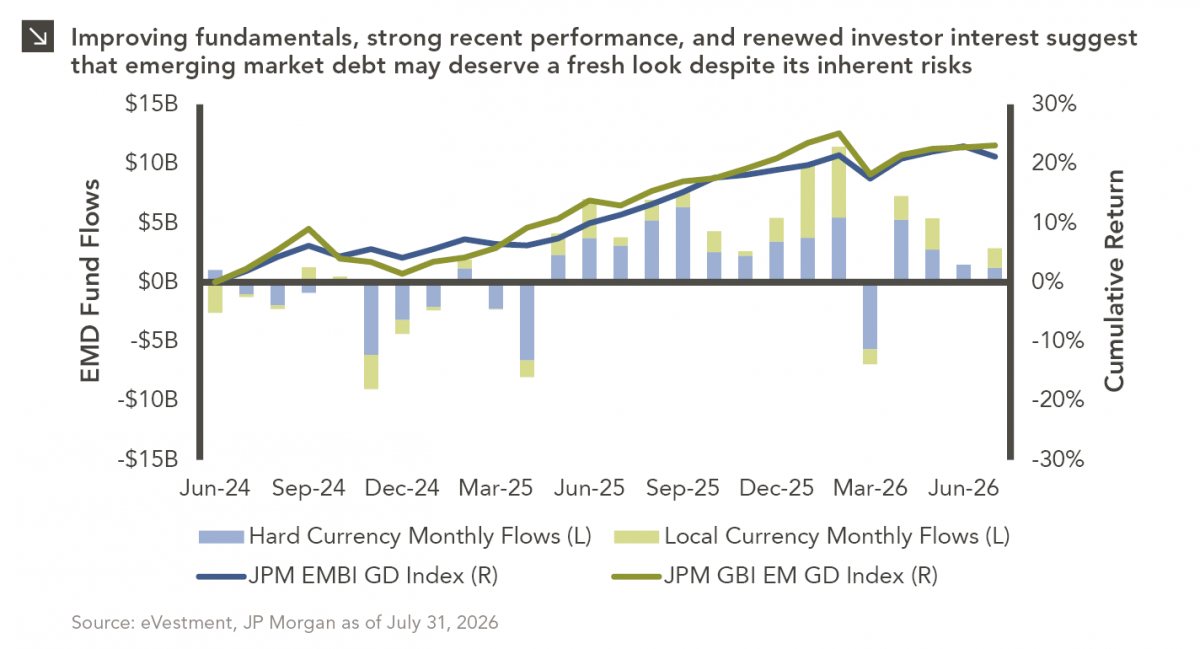
Over the last several years, emerging market debt (EMD) has faced several headwinds, with rising yields across other fixed income…
08.31.2026
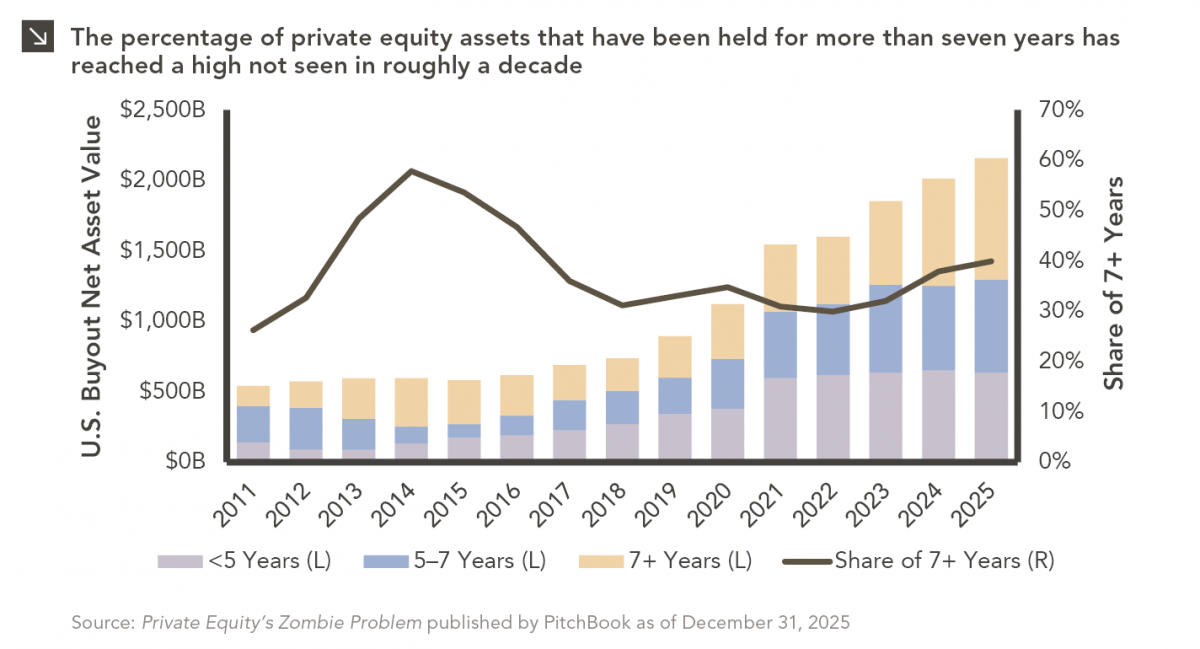
Private equity has always had a few portfolio companies that refused to leave the party. Today, however, the industry appears…
08.24.2026
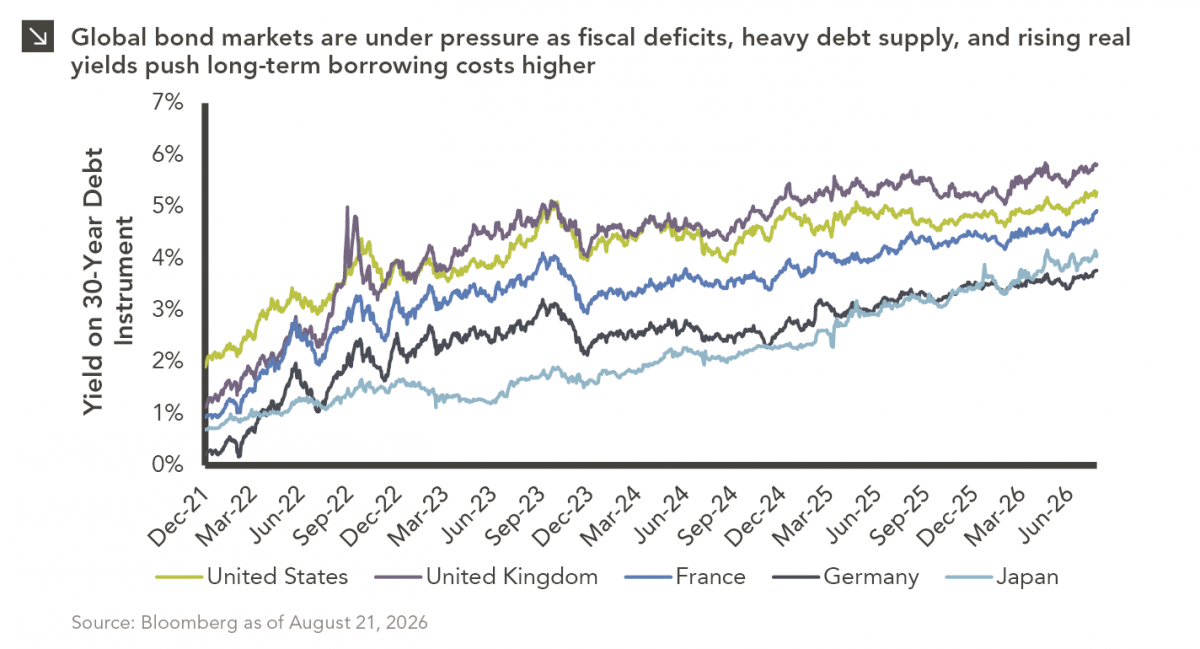
The global bond market is facing renewed pressure as investors demand higher yields to hold long-dated government debt, pushing borrowing…
Research alerts keep you updated on our latest research publications. Simply enter your contact information, choose the research alerts you would like to receive and click Subscribe. Alerts will be sent as research is published.
We respect your privacy. We will never share or sell your information.
If you have questions or need further information, please contact us directly and we will respond to your inquiry within 24 hours.
Contact Us >