David Hernandez, CFA
Director of Traditional Manager Search


On September 12th, the European Central Bank (“ECB”) — headed by departing President Mario Draghi — passed a major stimulus package fueled by a key interest rate cut and a large bond repurchase program. The ECB deposit facility rate, which is used by banks to make overnight deposits, was lowered 10 basis points to -0.5%, a new record low. The newly approved quantitative easing program is set to begin on November 1st. It will involve the ECB buying over 20 billion euros worth of Eurozone government bonds on a monthly basis with the intention of increasing the money supply, thereby lowering interest rates and encouraging growth.
Though this move by the ECB did not receive unanimous approval by voting members, it was implemented with the hopes of stemming an increased slowdown in Europe and fighting against the threat of recession. One indicator of the Eurozone slowdown has been PMI numbers, which dropped again in September, remaining in contraction territory. This trend began at the start of 2018 with the crossover into negative growth occurring early this year.
Similar though slightly better numbers have been seen in the United States over the past few months, and it is widely expected that the Fed will continue monetary easing by cutting rates one more time in 2019, either at the end of this month or the end of the year. As trade tensions and market uncertainties persist, the ECB, Federal Reserve, and central banks across the world are fighting to maintain growth and avoid a global recession.
Print PDF > Central Banks Fight the Threat of Recession
The opinions expressed herein are those of Marquette Associates, Inc. (“Marquette”), and are subject to change without notice. This material is not financial advice or an offer to purchase or sell any product. Marquette reserves the right to modify its current investment strategies and techniques based on changing market dynamics or client needs.

The opinions expressed herein are those of Marquette Associates, Inc. (“Marquette”), and are subject to change without notice. This material is not financial advice or an offer to purchase or sell any product. Marquette reserves the right to modify its current investment strategies and techniques based on changing market dynamics or client needs.
10.19.2026
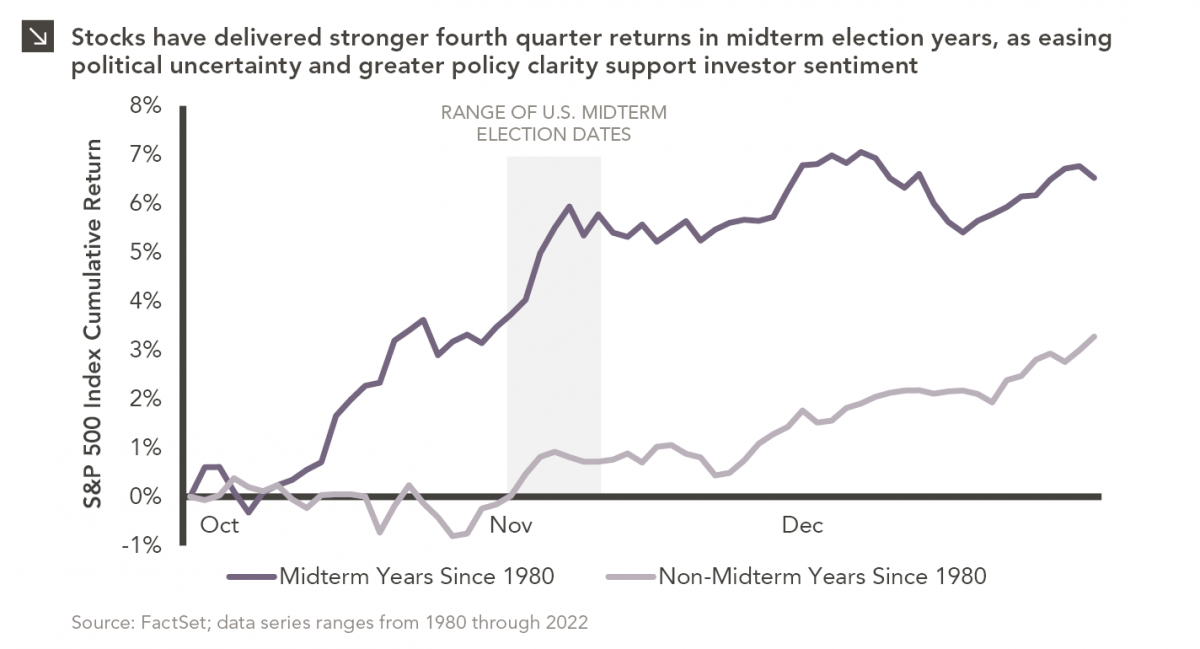
Since 1980, the S&P 500 Index has generally performed well in the weeks surrounding U.S. midterm elections. Specifically, the index…
10.12.2026
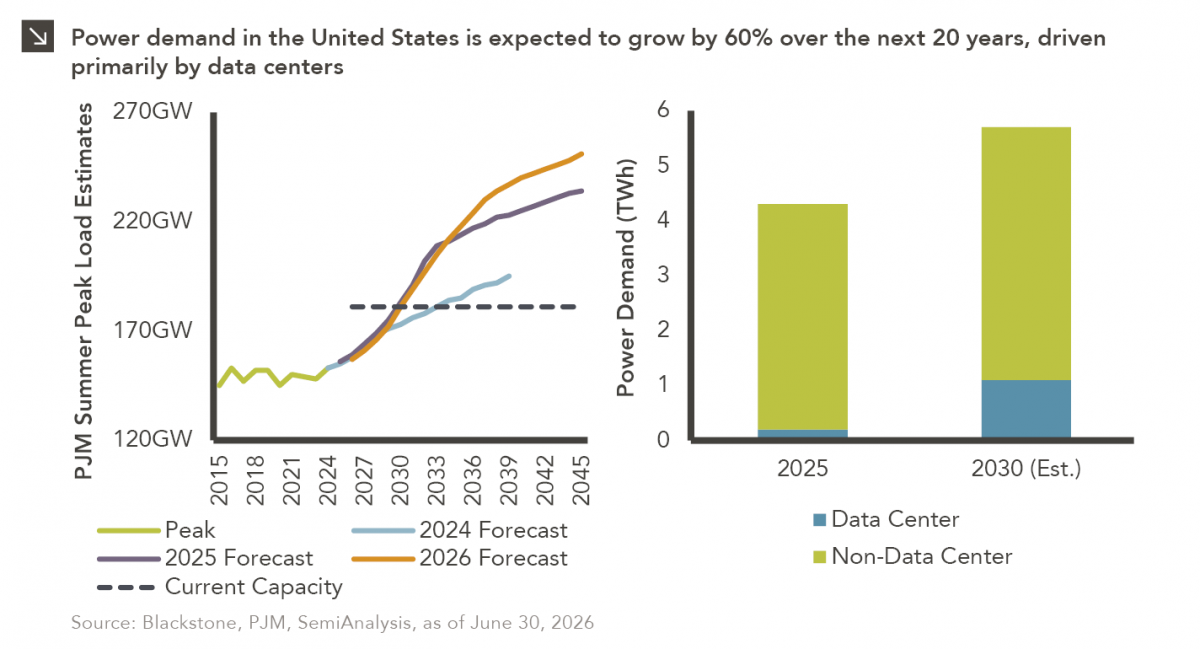
This week’s chart highlights the accelerating growth of electricity demand in the U.S., which has been driven primarily by the…

10.08.2026
LIVE WEBINAR — OCTOBER 22 Please join Marquette’s research team for our 3Q 2026 Market Insights Webinar…
10.05.2026
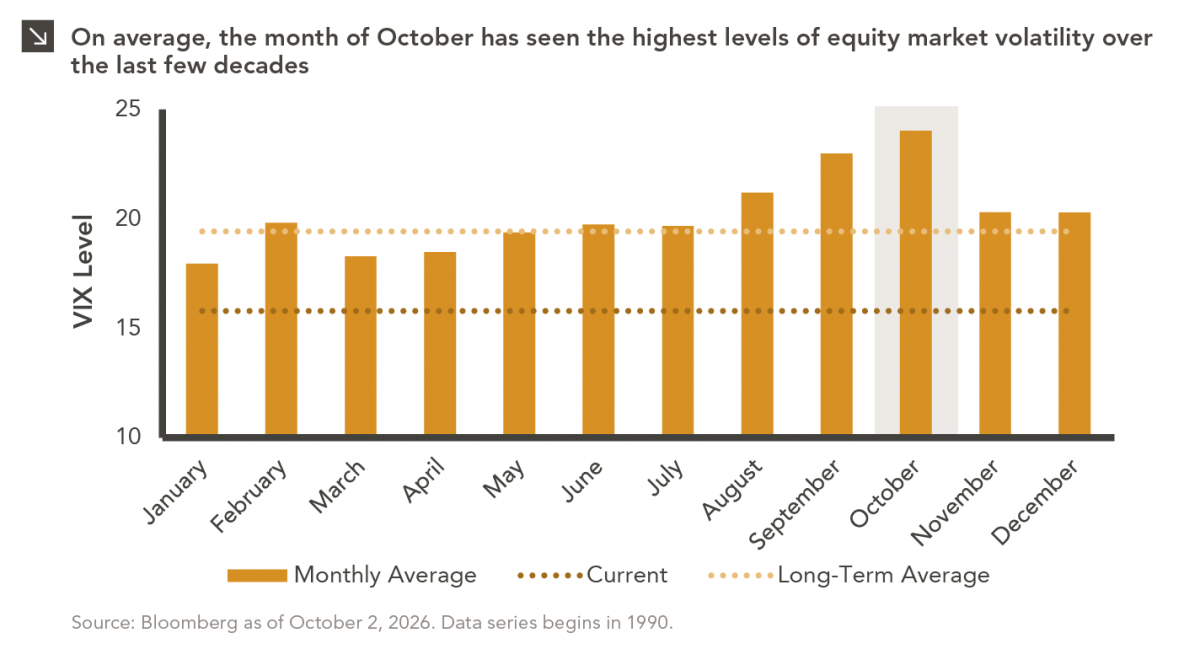
For investors, the spookiest thing about October might not be the ghosts and monsters that are bound to show up…
09.28.2026
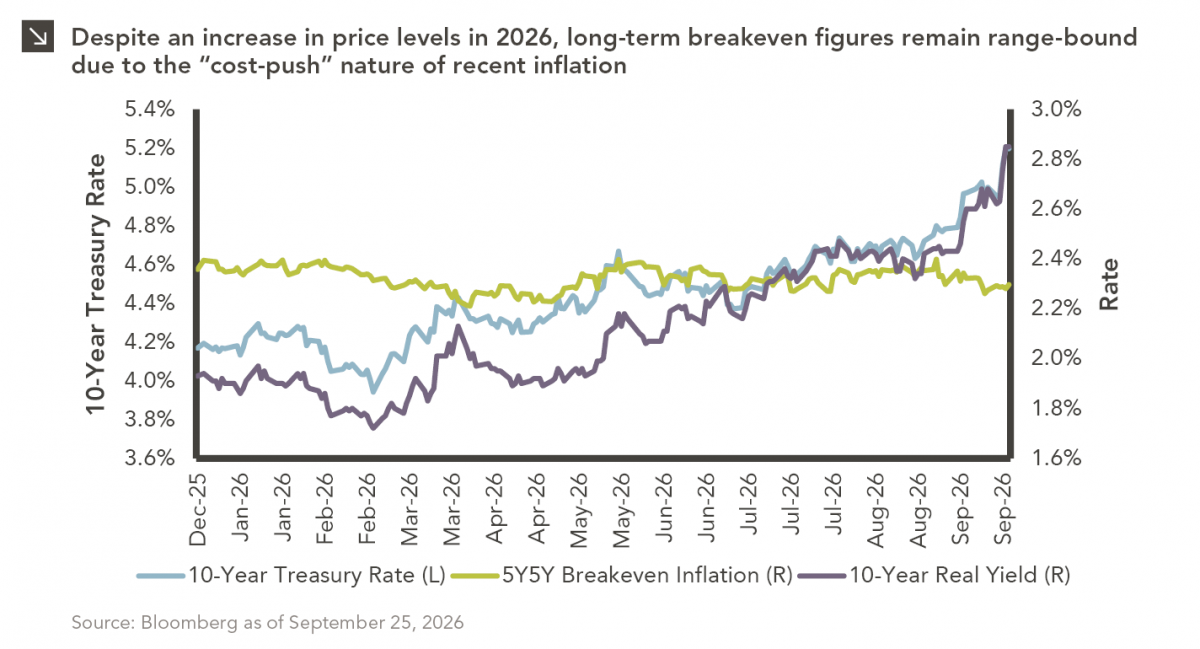
The phrase “expectations of higher inflation” has become a staple in financial news to explain the increase in nominal U.S….
09.21.2026
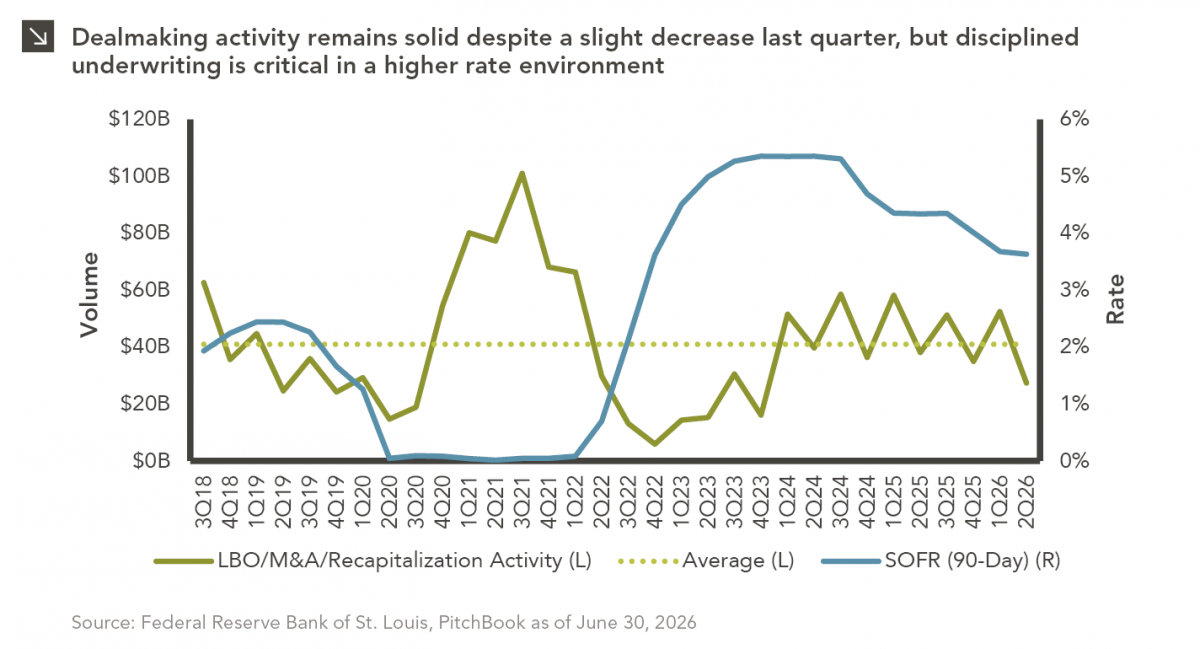
For much of the past several years, the conventional view has been that higher interest rates and stretched valuations would…
Research alerts keep you updated on our latest research publications. Simply enter your contact information, choose the research alerts you would like to receive and click Subscribe. Alerts will be sent as research is published.
We respect your privacy. We will never share or sell your information.
If you have questions or need further information, please contact us directly and we will respond to your inquiry within 24 hours.
Contact Us >