09.08.2026
EMD’s Second Chance?
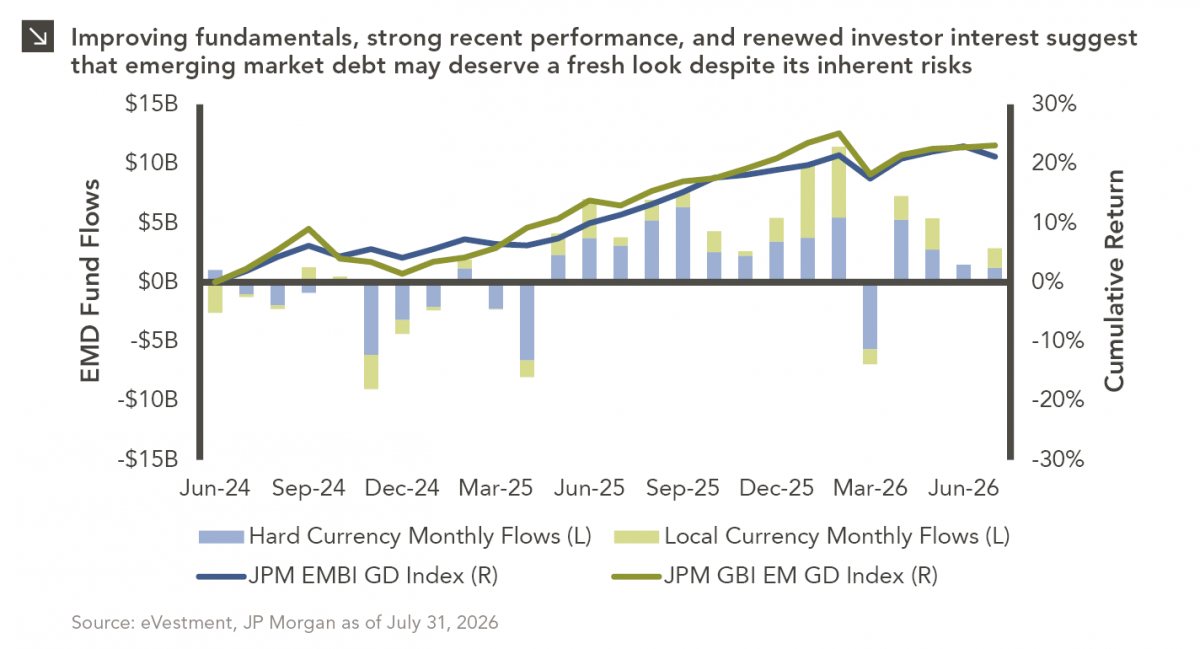
Over the last several years, emerging market debt (EMD) has faced several headwinds, with rising yields across other fixed income…


Income inequality in the United States has emerged as a popular topic in the media as well as the upcoming presidential election. The Occupy Movement has garnered a great deal of media attention in the past six months, with its premise of protesting economic and social inequality. The upcoming presidential debates are certain to feature a fair amount of political rhetoric in an attempt to address the issue of income inequality.
The chart above depicts the percentage of total income1 that the top 10% of earners (in 2010, families with a market income above $108k) are responsible for. As seen in the chart, the line forms a “U” shape where the top 10% accounted for approximately 45% of total income prior to WWII, declined to the low/mid 30’s until the late 1970’s and has risen to approximately 45% today.
In addition, we can use the GINI ratio (index of income concentration) to further scrutinize income disparity. The GINI ratio is a statistical measure of income equality ranging from 0-1. A measure of 1 indicates perfect inequality; i.e. one person has all the income and the rest have none. A measure of 0 indicates perfect equality; i.e. all people have equal shares of income. As also seen in the chart, the GINI ratio has also risen precipitously since its inception in 1967. Currently the GINI index stands at 0.47, which stands out as one of the highest when compared to other developed economies:
| Germany | 0.27 |
| France | 0.32 |
| Italy | 0.32 |
| Canada | 0.32 |
| Japan | 0.38 |
| Uruguay | 0.45 |
| Russia | 0.42 |
| Singapore | 0.47 |
There are many theories as to why we have seen such growth in income inequality since the late 1970’s. Potential explanations include:
The upcoming presidential debates will surely contain a healthy dose of discussion regarding income inequality, with a bulk focusing on tax policy and education reform. It will be interesting to see how each candidate plans to address these issues and the effect these policies will have on the financial markets. Is income inequality a detriment to the greater economy, or an essential part of capitalism?
_________________________________________________________________________________________________________
1 Income is defined as the sum of all income components reported on tax returns (wages and salaries, pensions received, profits from businesses, capital income such as dividends, interest, or rents, and realized capital gains) before individual income taxes. Government transfers such as Social Security retirement benefits or unemployment compensation benefits are excluded from the income definition. Non-taxable fringe benefits such as employer provided health insurance is also excluded from the income definition. Therefore, the income measure is defined as cash market income before individual income taxes.
The opinions expressed herein are those of Marquette Associates, Inc. (“Marquette”), and are subject to change without notice. This material is not financial advice or an offer to purchase or sell any product. Marquette reserves the right to modify its current investment strategies and techniques based on changing market dynamics or client needs.
09.08.2026
Over the last several years, emerging market debt (EMD) has faced several headwinds, with rising yields across other fixed income…
08.31.2026
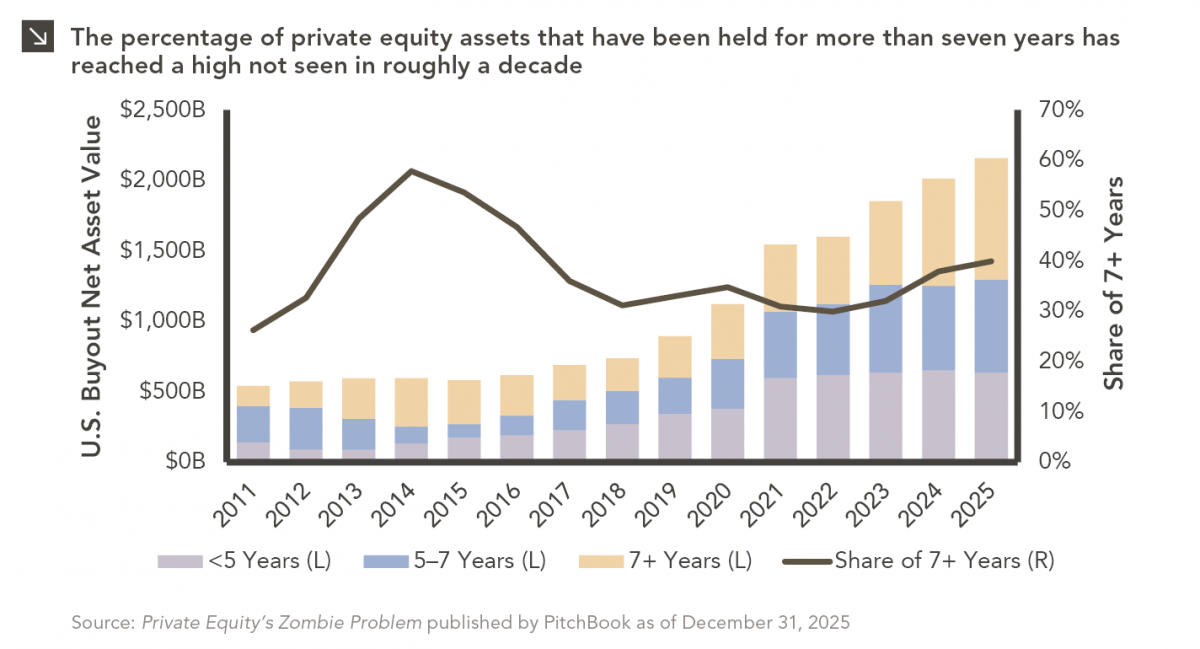
Private equity has always had a few portfolio companies that refused to leave the party. Today, however, the industry appears…
08.24.2026
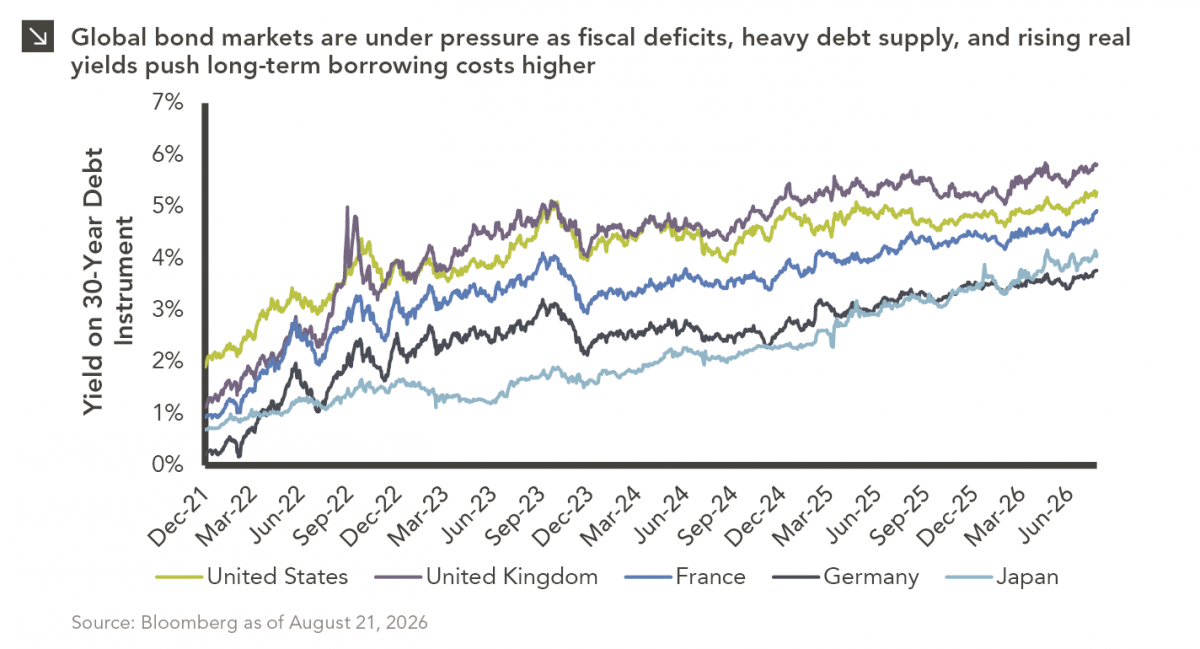
The global bond market is facing renewed pressure as investors demand higher yields to hold long-dated government debt, pushing borrowing…
08.17.2026
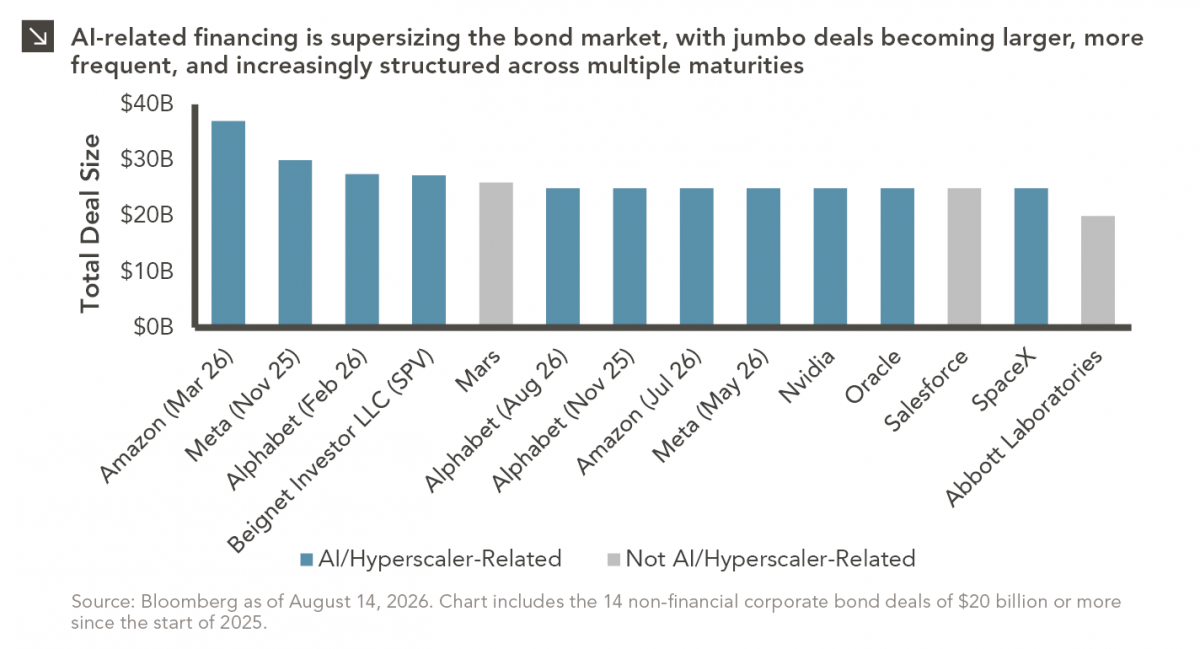
As a college football player struggling to put on mass, the “supersizing” deal at McDonald’s was hard to beat. For…
08.10.2026
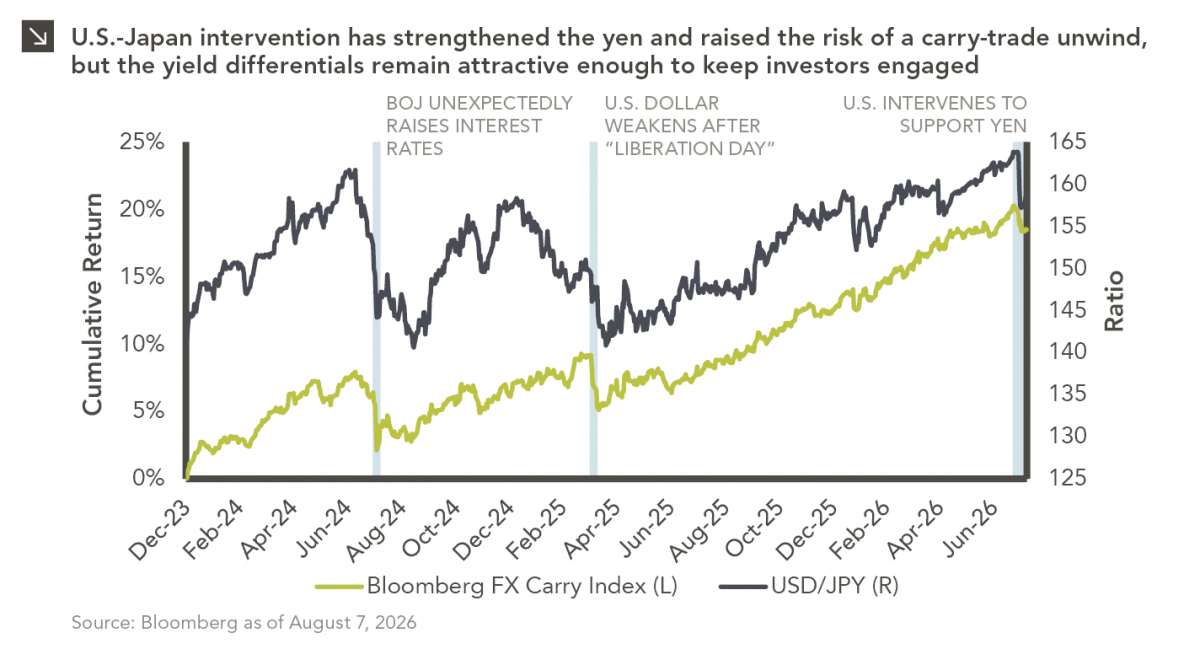
After reaching nearly ¥164 per dollar, its weakest level in roughly four decades, the yen had become a source of…
08.03.2026
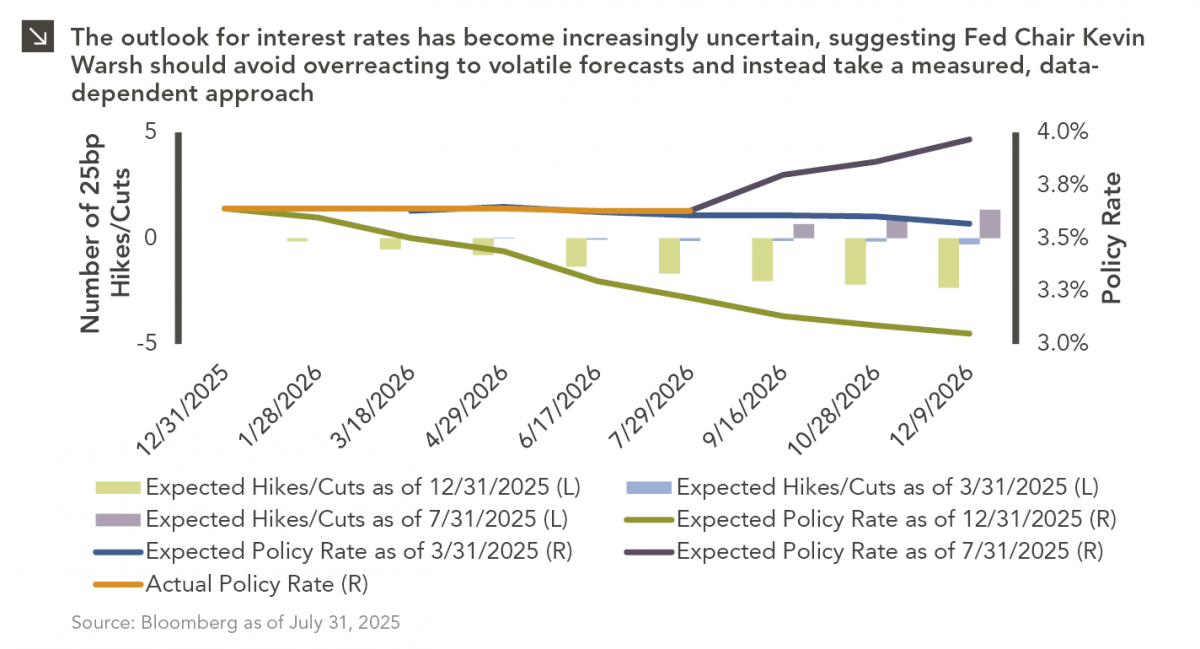
In the cinematic masterpiece Rocky IV, Rocky gets dazed by his opponent, Captain Ivan Drago, and complains that he sees…
Research alerts keep you updated on our latest research publications. Simply enter your contact information, choose the research alerts you would like to receive and click Subscribe. Alerts will be sent as research is published.
We respect your privacy. We will never share or sell your information.
If you have questions or need further information, please contact us directly and we will respond to your inquiry within 24 hours.
Contact Us >