10.19.2026
Divided We Rise?
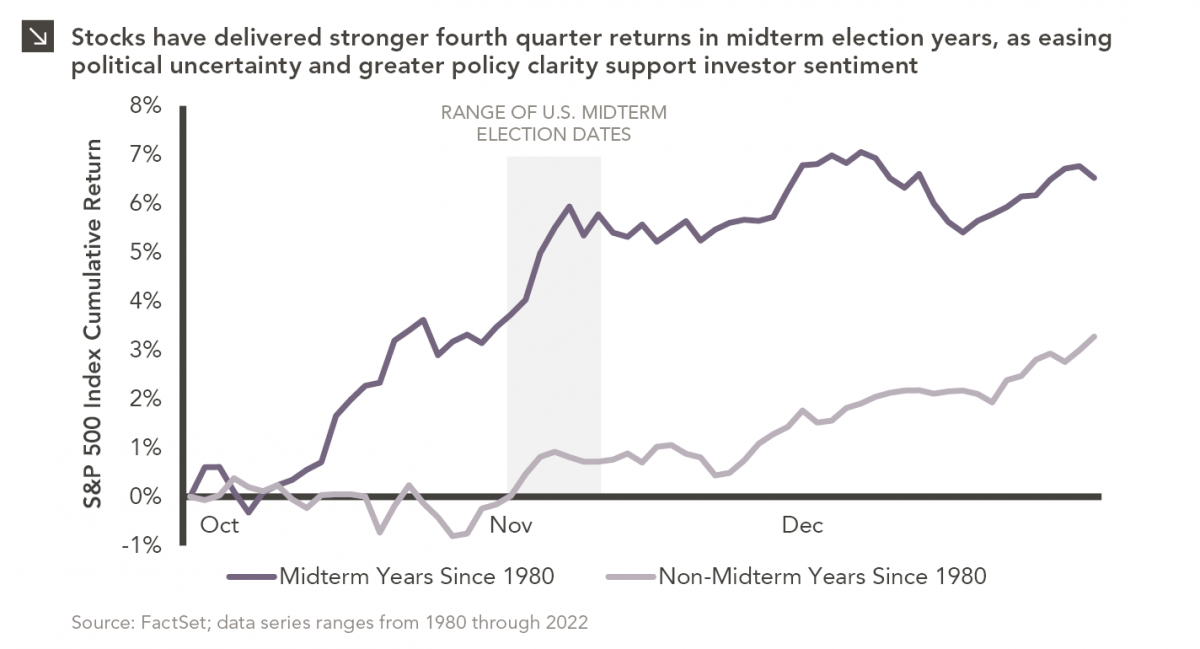
Since 1980, the S&P 500 Index has generally performed well in the weeks surrounding U.S. midterm elections. Specifically, the index…


On Friday, the U.S. Bureau of Labor Statistics released its employment report for the month of May. To the surprise of many, the economy added 2.5 million jobs during the month, which was a sharp contrast from the projected figure of 8.3 million job losses. Not surprisingly, the unemployment rate dropped from April’s 14.7% figure to 13.3% for May; economists had predicted that May’s unemployment rate would be 19.5%. These unexpected data points have further fueled the equity market rally with the S&P 500 returning 2.6% on Friday when the report was released, and it has continued its upward trajectory into this week as well. Furthermore, Treasury yields have risen based on optimism about economies re-opening and the presumption that the worst is behind us from an economic bottoming perspective. Markets are forward-looking and appear to be pricing in further recovery as 2020 progresses. The stimulus policies and limited re-openings seem to have had an early effect and the data may suggest that the damage was not as deep as expected. However, despite the positive sentiment about the jobs report, there is some concern that a classification anomaly for job losses may have inflated Friday’s numbers.
More specifically, the report had a misclassification issue where employees who were temporarily laid-off were considered employed. If corrected, the unemployment rate should be 3% higher. Additionally, the data collection for the report was through the first week of May and further job losses and lay-offs for the remainder of the month were not addressed.
Compared to the trends from March and April, the reported figures are moving in the right direction, even though this classification issue makes the numbers from Friday appear a bit more optimistic than reality. Ultimately, the unemployment rate is the highest since the Great Recession and recovered payrolls are only about 10% of those that were wiped out during the pandemic. So while the data shows that the market is heading in the right direction, it is too early to make conclusive decisions about the state of recovery until we see a more sustained pattern of job creation and economic growth.
Print PDF > Did Friday’s Jobs Report Overstate the Labor Market Recovery?
The opinions expressed herein are those of Marquette Associates, Inc. (“Marquette”), and are subject to change without notice. This material is not financial advice or an offer to purchase or sell any product. Marquette reserves the right to modify its current investment strategies and techniques based on changing market dynamics or client needs.
10.19.2026
Since 1980, the S&P 500 Index has generally performed well in the weeks surrounding U.S. midterm elections. Specifically, the index…
10.12.2026
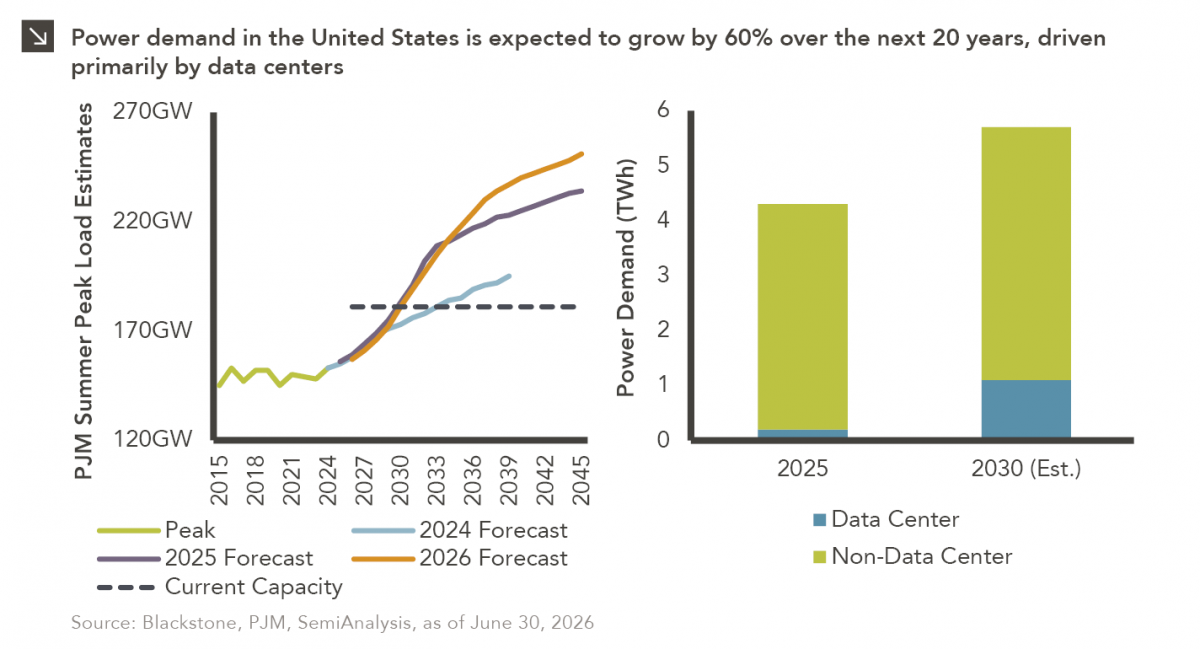
This week’s chart highlights the accelerating growth of electricity demand in the U.S., which has been driven primarily by the…
10.05.2026
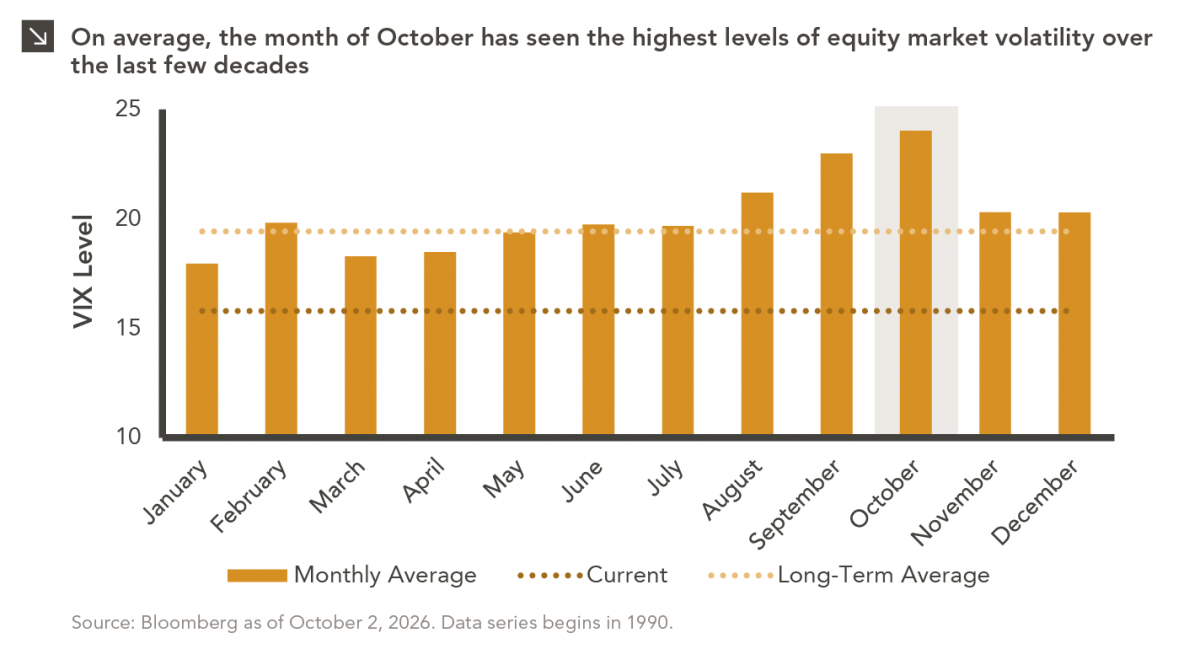
For investors, the spookiest thing about October might not be the ghosts and monsters that are bound to show up…
09.28.2026
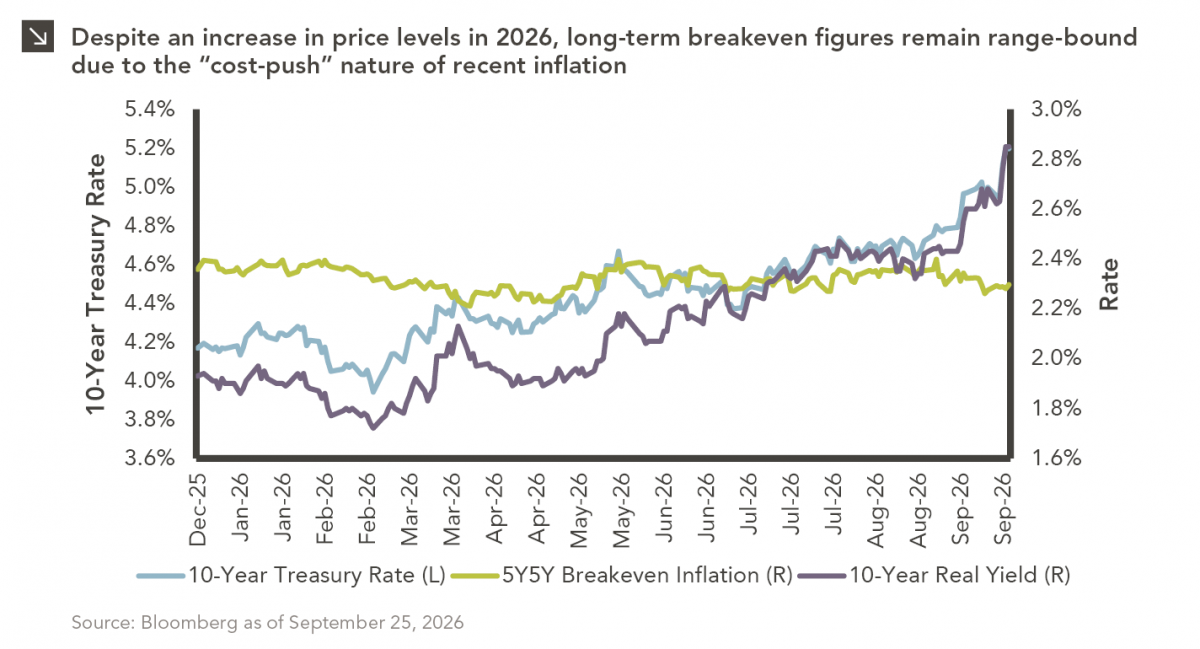
The phrase “expectations of higher inflation” has become a staple in financial news to explain the increase in nominal U.S….
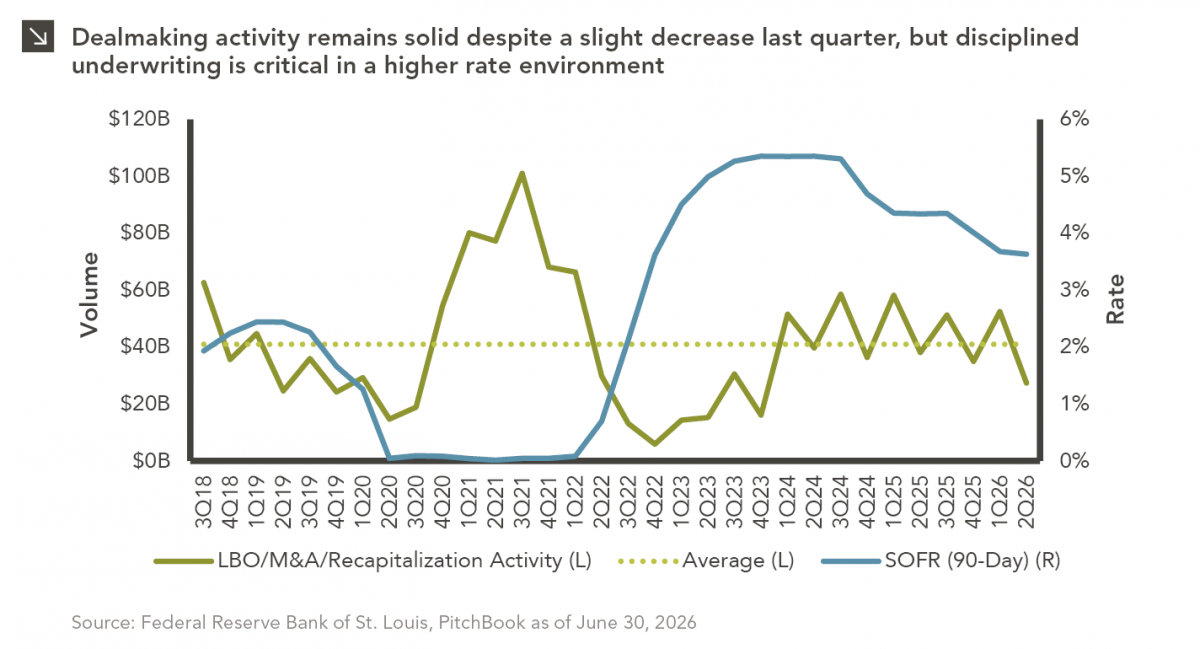
09.21.2026
For much of the past several years, the conventional view has been that higher interest rates and stretched valuations would…
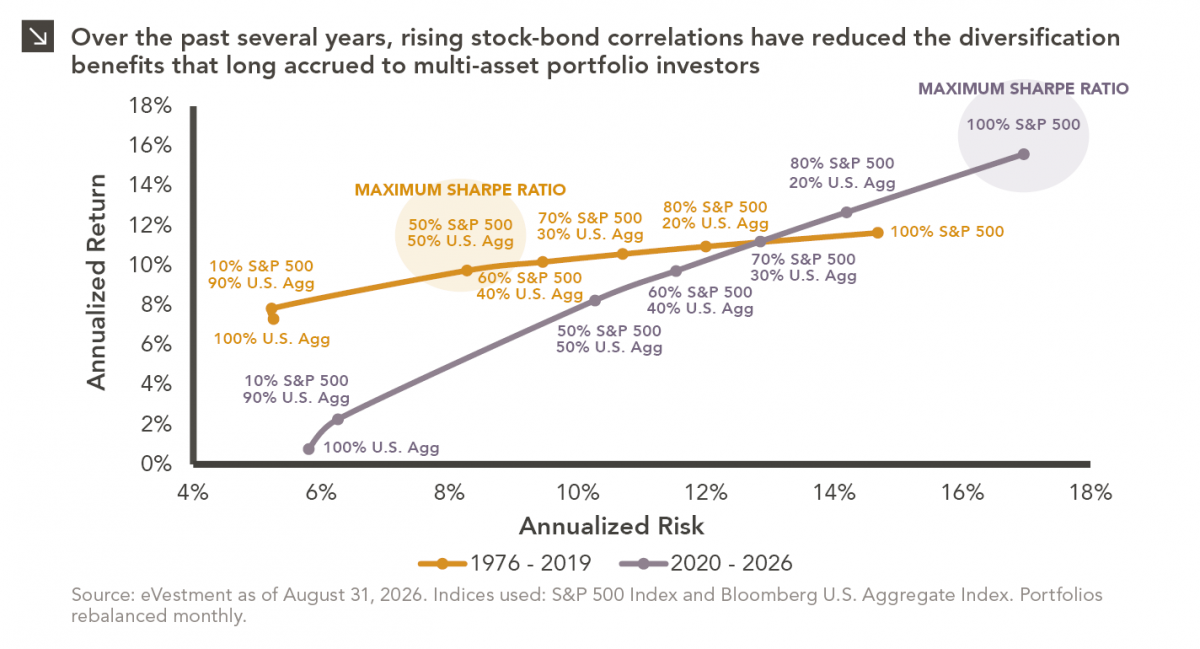
09.14.2026
There are many great things about working at Marquette Associates, but “Free Lunch Tuesday” is right at the top of…
Research alerts keep you updated on our latest research publications. Simply enter your contact information, choose the research alerts you would like to receive and click Subscribe. Alerts will be sent as research is published.
We respect your privacy. We will never share or sell your information.
If you have questions or need further information, please contact us directly and we will respond to your inquiry within 24 hours.
Contact Us >