James Torgerson
Senior Research Analyst


An increase in defaults across below investment grade issuers, which are viewed as the weakest and riskiest, is often the “canary in the coal mine” that the economy is entering a downturn. Recently, below investment grade defaults have moved higher from record lows seen in 2021, fueled by defaults in the leveraged loan market. However, an increasingly greater share of defaults is coming in the form of distressed exchanges.
A distressed exchange is a type of out-of-court negotiation between a borrower and its creditors that occurs when the borrower is in danger of defaulting. The recent surge in the volume of distressed exchanges has come largely in the form of Liability Management Exchanges — or “LMEs” — which are voluntary proactive paths that primarily, but not always, distressed borrowers may take in lieu of a traditional default or restructuring. These types of transactions have grown in usage because of looser covenants and weaker protections on a company’s debt, particularly within the loan market, which can be seen in the above chart. On a year-to-date basis, distressed exchanges as a share of overall default volume are more than 60%, which is the highest percentage seen since at least 2000 when data became widely available. The year-over-year increase in distressed exchanges of nearly 30% is the result of the greater use of LMEs.
The proliferation of distressed exchanges may overstate the overall observed default rate. To that point, the 2024 rates (including distressed exchanges) for high yield and leveraged loans were 1.4% and 4.0%, respectively. Stripping out distressed exchanges, the 2024 default rate falls to 0.3% for high yield bonds and 1.5% for leveraged loans. While distressed exchanges are technical defaults since the terms of the debt agreement are altered, the recovery rates are more favorable for distressed exchange transactions relative to traditional defaults. Specifically, over the past 12 months, the recovery rates on distressed exchanges for high yield bonds and leveraged loans were 48.2% and 18.3% higher, respectively. Distressed exchanges, particularly LMEs, can grant a borrower the liquidity and flexibility needed to correct critical issues, and certain transactions are included in these default statistics even if there is no principal loss. At times, however, there are abusers of these transactions who are merely “kicking the can” on their debt as fundamental issues remain or increase.
Recent data points show that distressed exchanges can lead to better outcomes relative to outright defaults, but the long-term effect of their proliferation is not currently known. What is known is that, based on recent trends, the amount of distressed exchanges, and LMEs, are not going away any time soon.
Print PDF
The opinions expressed herein are those of Marquette Associates, Inc. (“Marquette”), and are subject to change without notice. This material is not financial advice or an offer to purchase or sell any product. Marquette reserves the right to modify its current investment strategies and techniques based on changing market dynamics or client needs.
10.19.2026
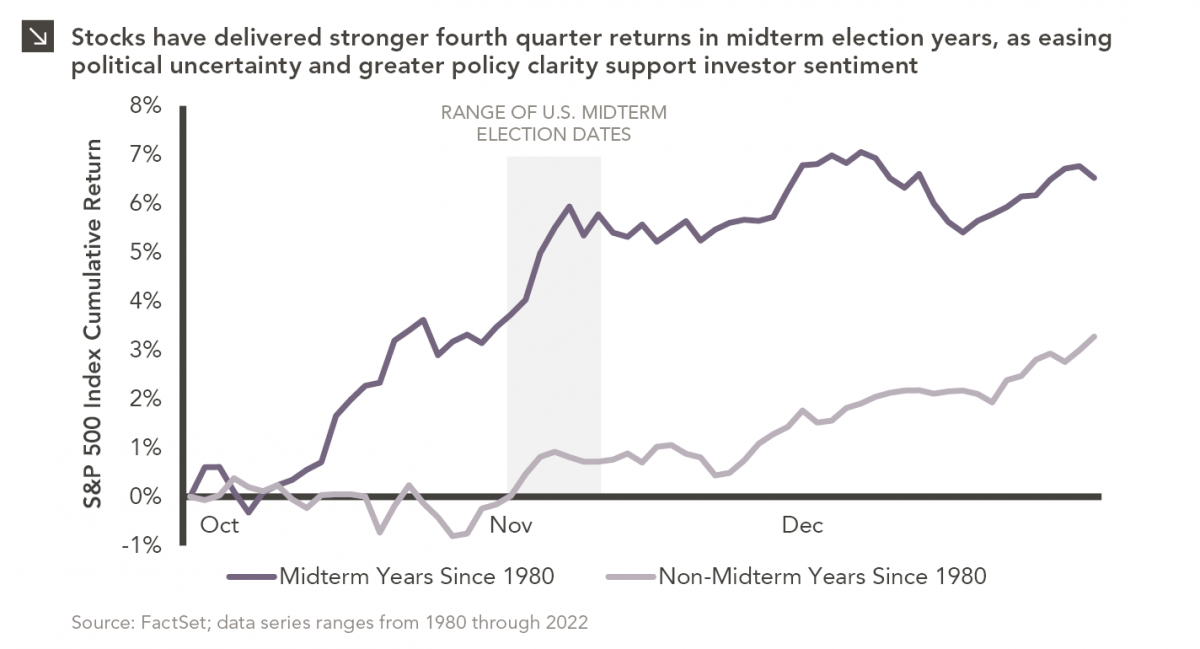
Since 1980, the S&P 500 Index has generally performed well in the weeks surrounding U.S. midterm elections. Specifically, the index…
10.12.2026
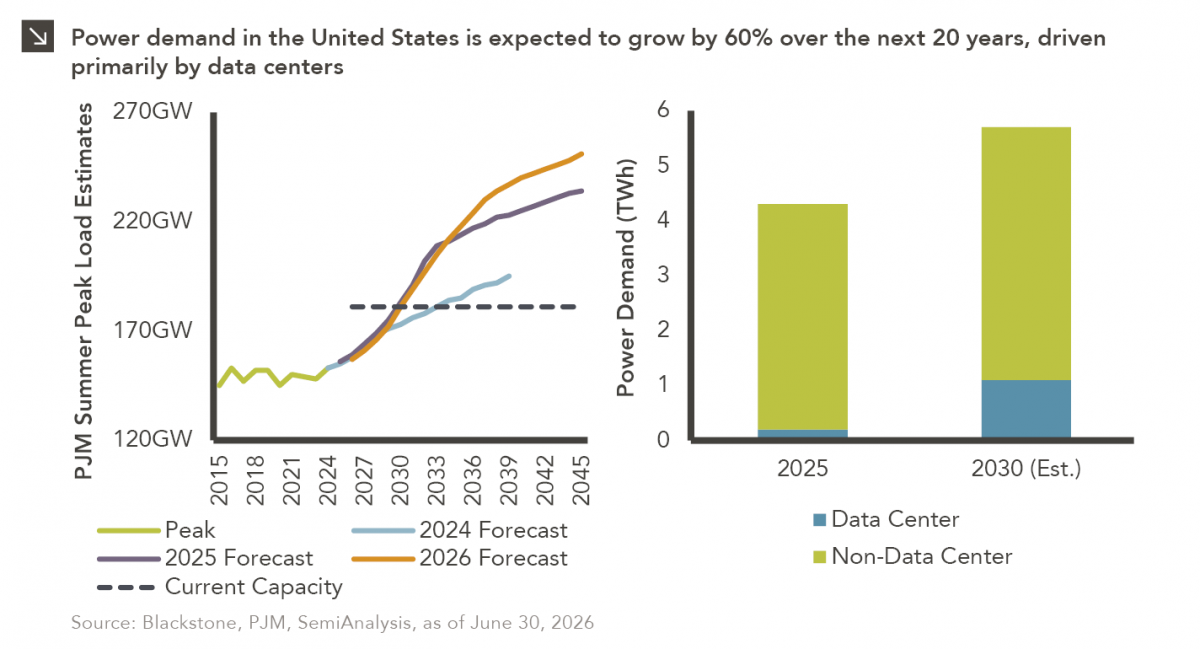
This week’s chart highlights the accelerating growth of electricity demand in the U.S., which has been driven primarily by the…

10.08.2026
LIVE WEBINAR — OCTOBER 22 Please join Marquette’s research team for our 3Q 2026 Market Insights Webinar…
10.05.2026
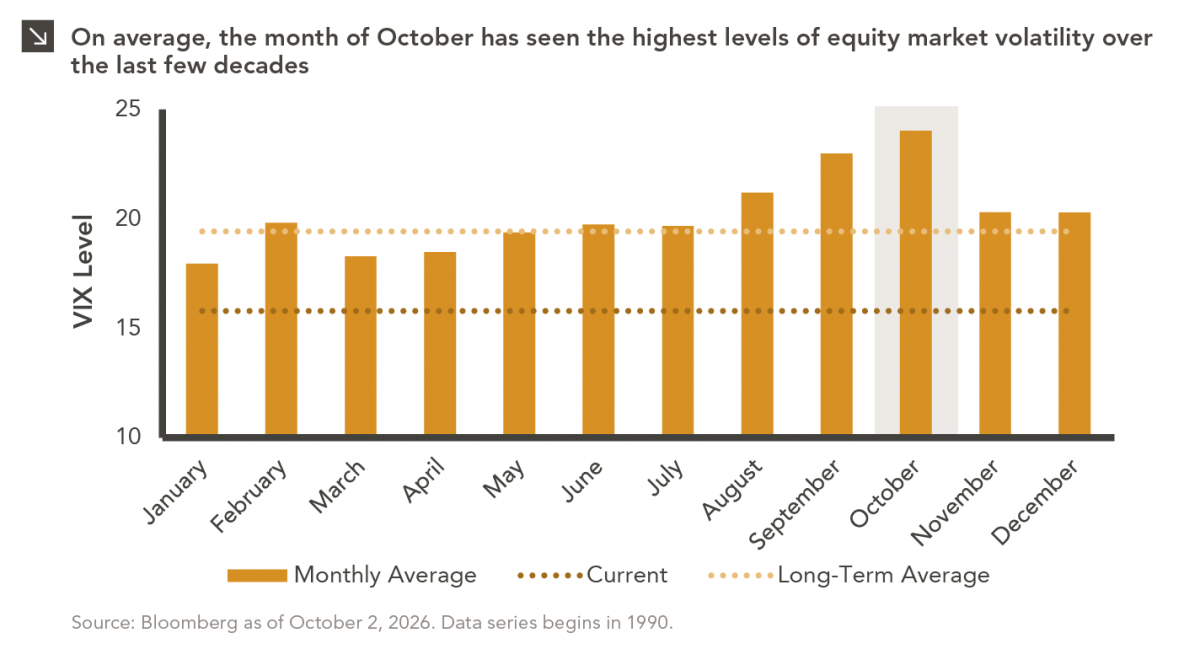
For investors, the spookiest thing about October might not be the ghosts and monsters that are bound to show up…
09.28.2026
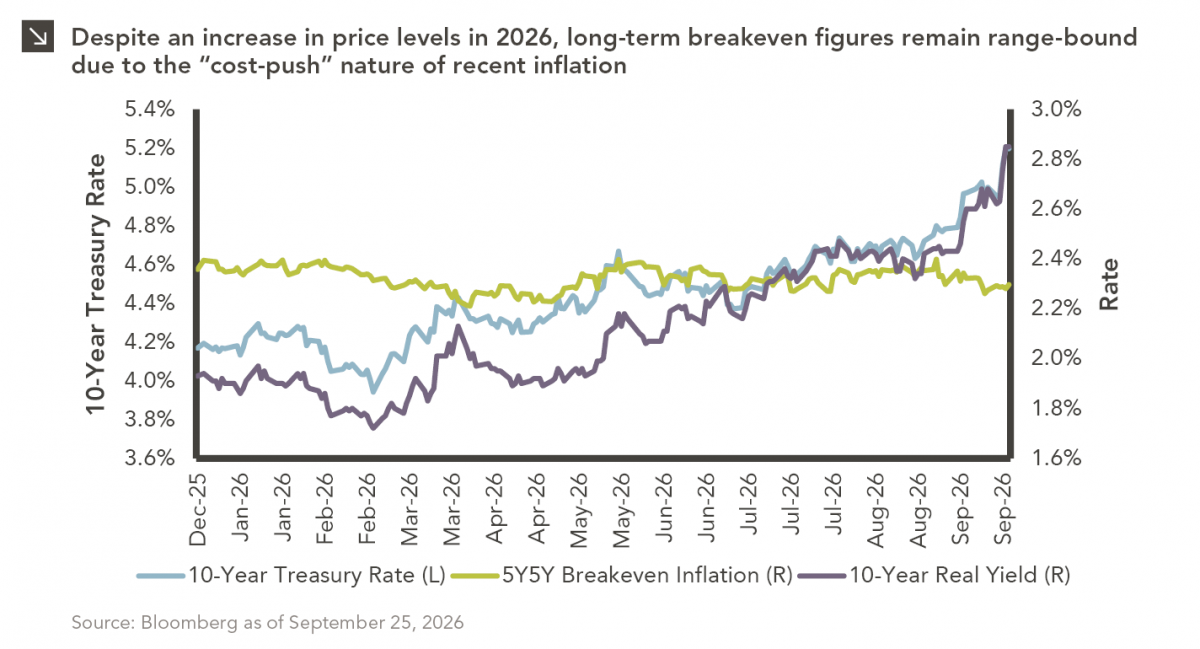
The phrase “expectations of higher inflation” has become a staple in financial news to explain the increase in nominal U.S….
09.21.2026
For much of the past several years, the conventional view has been that higher interest rates and stretched valuations would…
Research alerts keep you updated on our latest research publications. Simply enter your contact information, choose the research alerts you would like to receive and click Subscribe. Alerts will be sent as research is published.
We respect your privacy. We will never share or sell your information.
If you have questions or need further information, please contact us directly and we will respond to your inquiry within 24 hours.
Contact Us >