Peter Como, CFA, CAIA
Associate Research Analyst
Get to Know Peter


The Federal Reserve has waged an aggressive campaign against elevated inflation in recent time, having raised its policy rate from near 0% to over 5% in just over one year. These actions represent the fastest pace of tightening in the history of the central bank. Since the Fed began hiking in the first half of 2022, readings of core CPI, which strips out more volatile components of the headline CPI calculation like food and energy prices, have retreated from a peak of over 6.5% to roughly 3.9% as of the time of this writing. While this moderation of core inflation has led to increased (and perhaps overly) positive sentiment on the part of many investors, it is important to remember that the battle against high price levels has not yet been won. The week’s chart attempts to underscore that point by highlighting the amount of time it has taken for peak inflation to reach more trough-like levels (i.e., those closer to the long-term median core CPI reading) over the last several decades. Readers may be somewhat disheartened to learn that it has taken an average of around two years for inflation to go from peak to trough, with the last two instances requiring roughly three years. For context, the peak figure from the current cycle came 17 months ago.
As it relates to the reason for these long-lasting campaigns against inflation, Fed Chair Jerome Powell has noted the “long and variable lags” with which monetary policy often acts. According to the Fed, one explanation of these lagged effects is that many economic transactions involve prices and quantities that are agreed upon months in advance by the buyer and seller. If these agreements occur in advance of significant changes in monetary policy, they will naturally not be influenced by new levels of interest rates. Additionally, the Fed has noted that lags may arise from the “inattentiveness” of business owners, who may set prices on an infrequent basis to avoid “menu costs,” or the costs associated with price updates. Such behavior would lead the current economic reality to be unreflective of the current monetary policy. Whatever the reasons for the lags detailed above, precedent clearly shows that it may take additional months for inflation to retreat closer to long-term average levels, which may lead to an environment of higher-for-longer interest rates.
Looking ahead, the CPI figure for February is scheduled to be released on March 12. This reading will likely prove informative as investors attempt to determine future actions of the Federal Reserve, which is currently expected to cut rates three to four times this year. Interestingly, market participants expected as many as six rate cuts in 2024 just a few months ago. Marquette will continue to monitor the macroeconomic landscape and provide updates to clients accordingly.
Print PDF
The opinions expressed herein are those of Marquette Associates, Inc. (“Marquette”), and are subject to change without notice. This material is not financial advice or an offer to purchase or sell any product. Marquette reserves the right to modify its current investment strategies and techniques based on changing market dynamics or client needs.

01.07.2026
This video is a recording of a live webinar held January 15 by Marquette’s research team analyzing 2025 across the…
01.12.2026
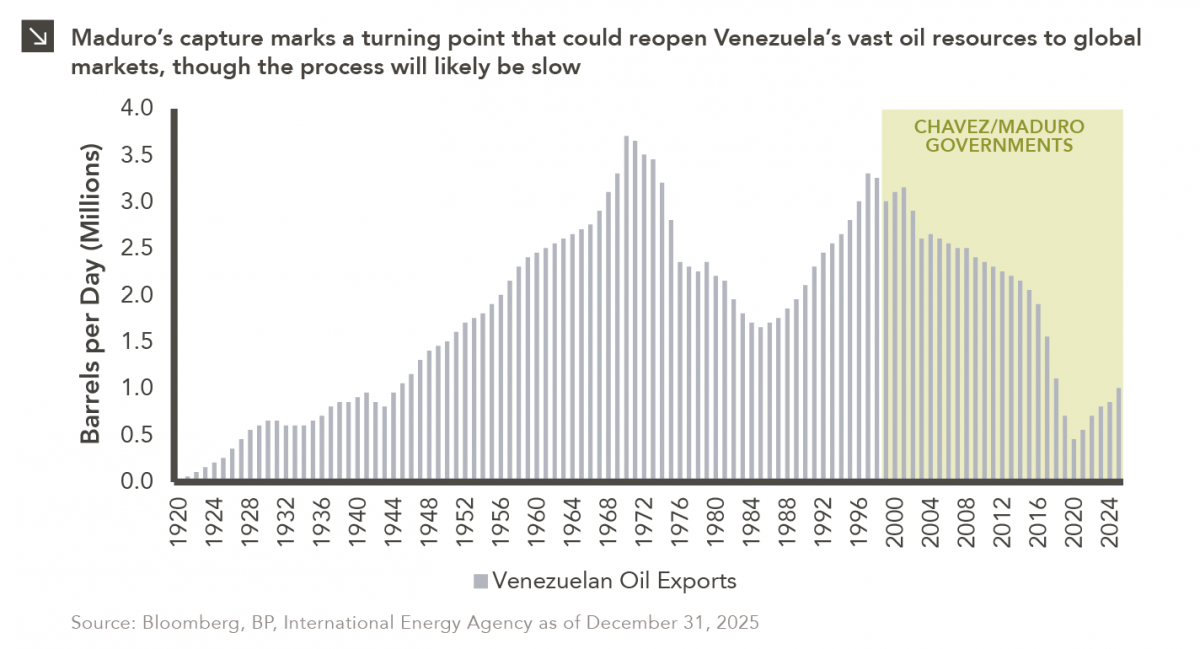
The capture of Venezuelan president Nicolás Maduro is a watershed moment for a country whose natural resource economy has been…

01.05.2026
The development of artificial intelligence is advancing along two largely distinct paths. The first centers on generative AI powered by…

12.29.2025
While the holiday season was once marked by bustling bars, readers may notice that nightlife isn’t what it used to…
12.22.2025
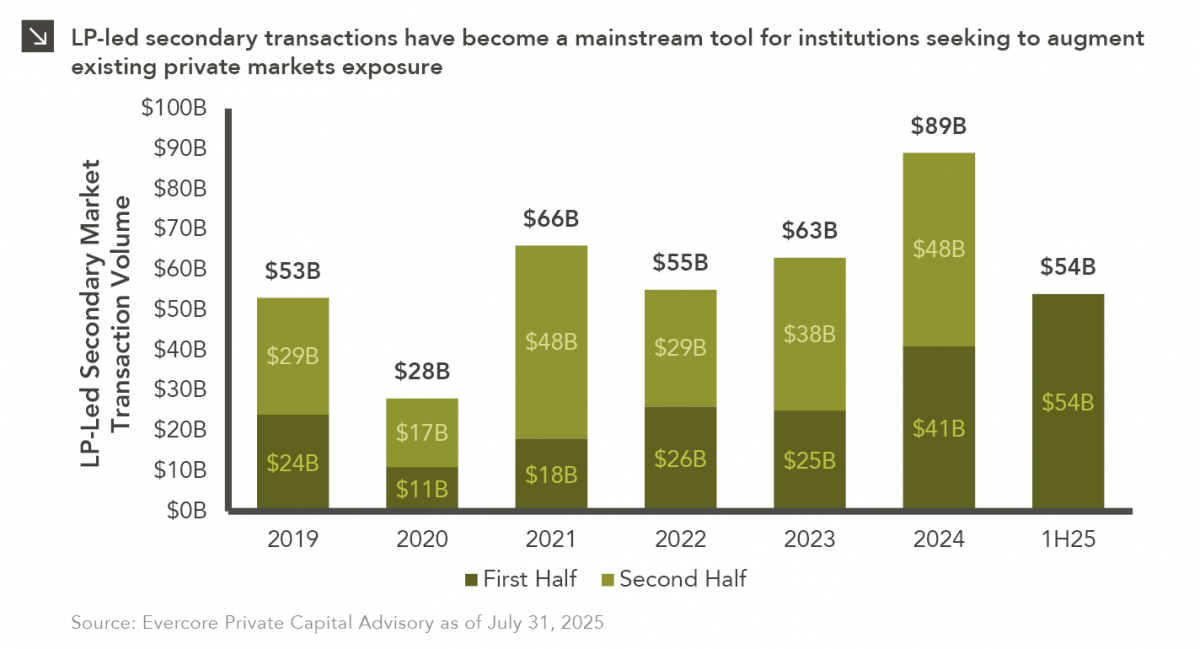
Private equity is known for being an illiquid asset class, with investments typically locked up for several years and limited…

12.15.2025
While technology-oriented firms have made their presence known in equity markets for several years, these companies have made waves in…
Research alerts keep you updated on our latest research publications. Simply enter your contact information, choose the research alerts you would like to receive and click Subscribe. Alerts will be sent as research is published.
We respect your privacy. We will never share or sell your information.
If you have questions or need further information, please contact us directly and we will respond to your inquiry within 24 hours.
Contact Us >