Sydney Colgan
Associate Client Analyst
Get to Know Sydney


While the holiday season was once marked by bustling bars, readers may notice that nightlife isn’t what it used to be. Indeed, alcohol-oriented companies, long considered stable components of the Consumer Staples sector thanks to recession-proof attributes, are struggling to regain momentum after a post-pandemic boom. As can be seen in this week’s chart, the Bloomberg Global Alcohol Index, which tracks over 50 of the world’s top listed beer, wine and spirits producers, has exhibited a roughly 46% decline since the summer of 2021. Shares of European giants such as Diageo, Pernod Ricard, and Remy Cointreau now hover near multi-year lows, with many global peers notching similar declines.
There are likely many factors contributing to these performance headwinds for alcohol-oriented businesses, including rising costs, post-pandemic societal shifts (i.e., higher levels of solitude), and healthier lifestyle choices being pursued by consumers. Interestingly, a recent Gallup survey indicates that alcohol consumption by U.S. adults sits at a staggering 90-year low, with members of the Millennial and Gen-Z cohorts increasingly viewing drinking as less fashionable. This change in behavior is compounded by the rise of GLP-1 drug use for weight loss, as early indicators suggest that these medications are catalyzing behavioral changes that have led to a greater emphasis on health and well-being. Additionally, the options for partygoers outside of alcohol have rapidly expanded in recent years, with global consumers increasingly turning to non-alcoholic beverages and cannabis to fuel their holiday cheer. While demand for alcohol is unlikely to disappear completely, alcohol-oriented businesses will surely need to innovate and diversify to meet changing consumer preferences based on the trends described above.
Print PDF
The opinions expressed herein are those of Marquette Associates, Inc. (“Marquette”), and are subject to change without notice. This material is not financial advice or an offer to purchase or sell any product. Marquette reserves the right to modify its current investment strategies and techniques based on changing market dynamics or client needs.
10.12.2026
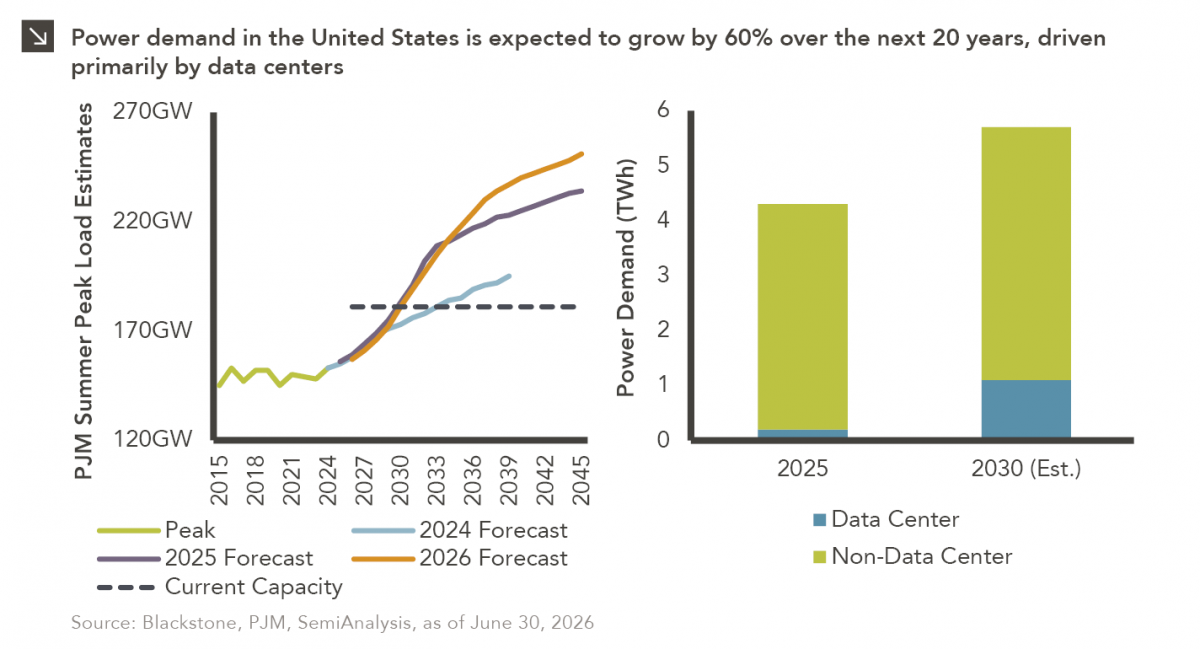
This week’s chart highlights the accelerating growth of electricity demand in the U.S., which has been driven primarily by the…

10.08.2026
LIVE WEBINAR — OCTOBER 22 Please join Marquette’s research team for our 3Q 2026 Market Insights Webinar…
10.05.2026
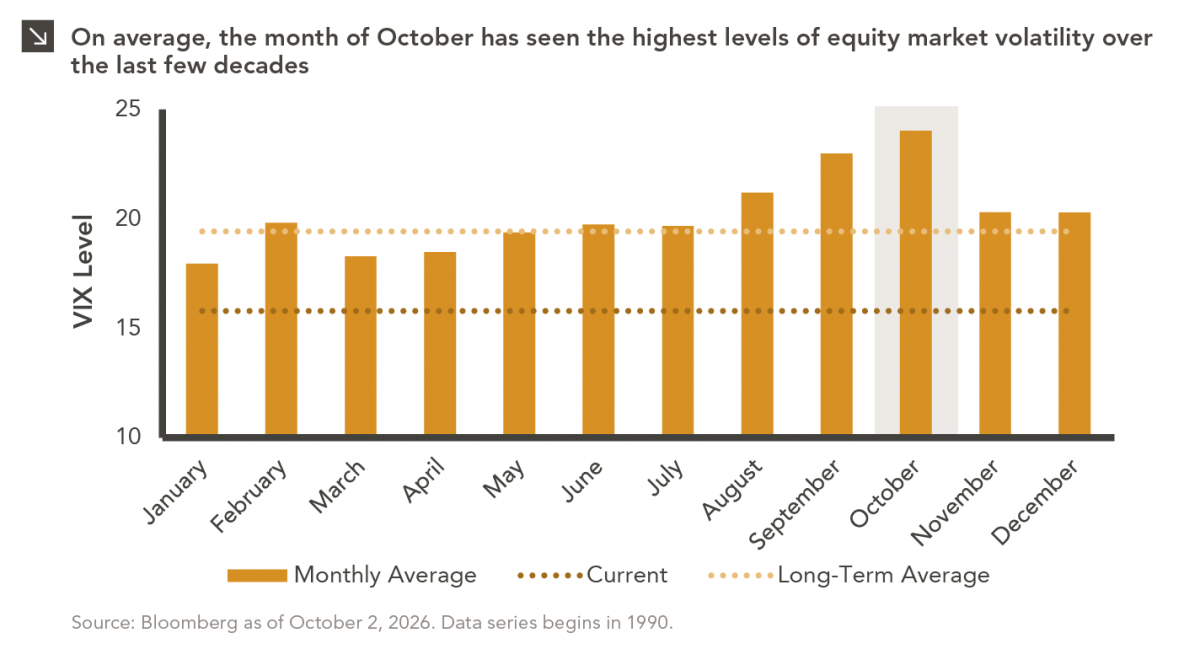
For investors, the spookiest thing about October might not be the ghosts and monsters that are bound to show up…
09.28.2026
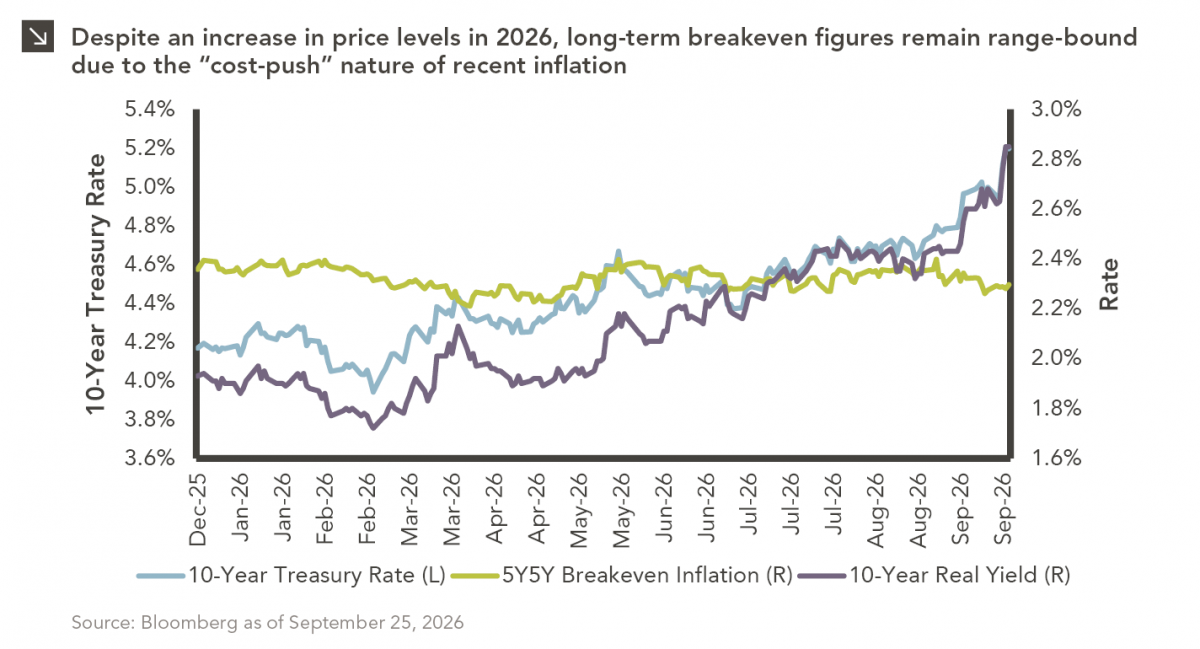
The phrase “expectations of higher inflation” has become a staple in financial news to explain the increase in nominal U.S….
09.21.2026
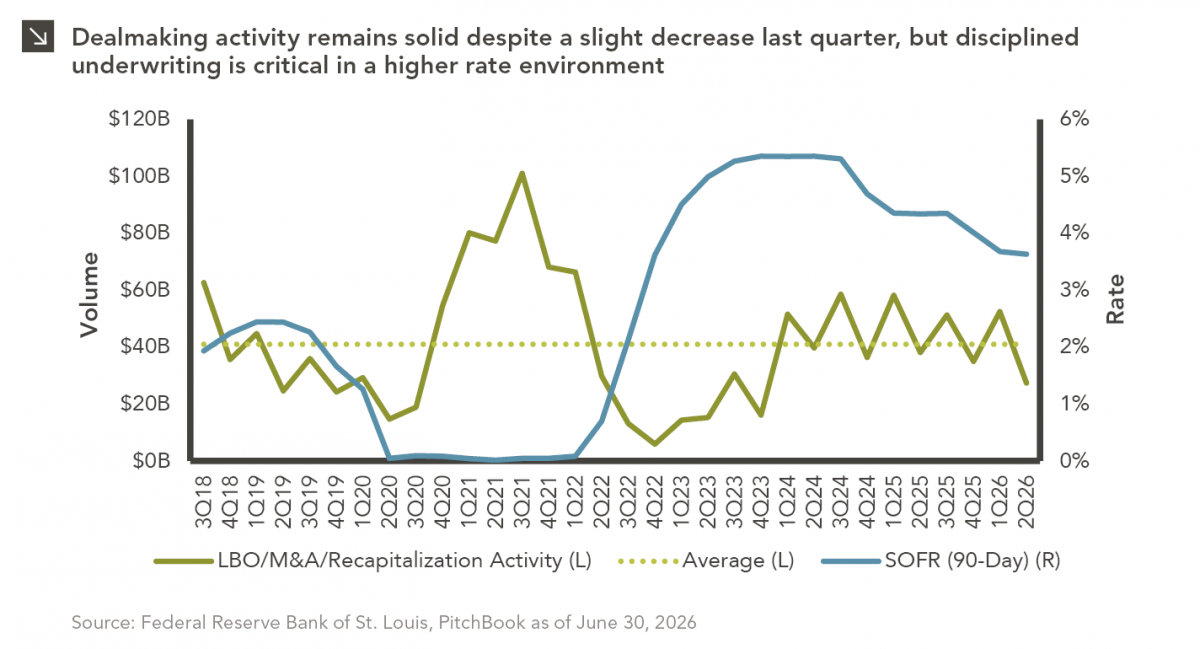
For much of the past several years, the conventional view has been that higher interest rates and stretched valuations would…
09.14.2026
There are many great things about working at Marquette Associates, but “Free Lunch Tuesday” is right at the top of…
Research alerts keep you updated on our latest research publications. Simply enter your contact information, choose the research alerts you would like to receive and click Subscribe. Alerts will be sent as research is published.
We respect your privacy. We will never share or sell your information.
If you have questions or need further information, please contact us directly and we will respond to your inquiry within 24 hours.
Contact Us >