James Torgerson
Senior Research Analyst


Before the football season began, we authored a white paper that detailed offensive and defensive elements of a fixed income portfolio. For most investors, an aggregate (core) mandate provides defense while strategic allocations to high yield, senior secured loans, and emerging market debt (EMD) are the primary sources of offense. Relative to an aggregate benchmark, this structure has outperformed over market cycles. However, just as championship teams adjust and innovate throughout a season, so too should an investor’s portfolio.
Multi-Asset Credit (MAC) strategies are single portfolios that dynamically allocate across a broad range of global credit markets to provide higher levels of income and a diversity of fixed income exposures. These mandates can serve as a single-solution credit allocation or as a credit alpha overlay in the context of a broader credit portfolio. There is no perfect definition of MAC, but what they do offer is diversification, flexibility, and ease of access and operations. While these markets are not new, investors may be unfamiliar with the mechanics of a MAC strategy and its potential benefits.
This newsletter provides an overview of MAC, including the opportunity set, allocation structure and considerations, diversification benefits, and sample MAC manager performance.
Read > Multi-Asset Credit: Taking Offense From Good to Great

The opinions expressed herein are those of Marquette Associates, Inc. (“Marquette”), and are subject to change without notice. This material is not financial advice or an offer to purchase or sell any product. Marquette reserves the right to modify its current investment strategies and techniques based on changing market dynamics or client needs.

10.08.2026
LIVE WEBINAR — OCTOBER 22 Please join Marquette’s research team for our 3Q 2026 Market Insights Webinar…

09.28.2026
The phrase “expectations of higher inflation” has become a staple in financial news to explain the increase in nominal U.S….
09.21.2026
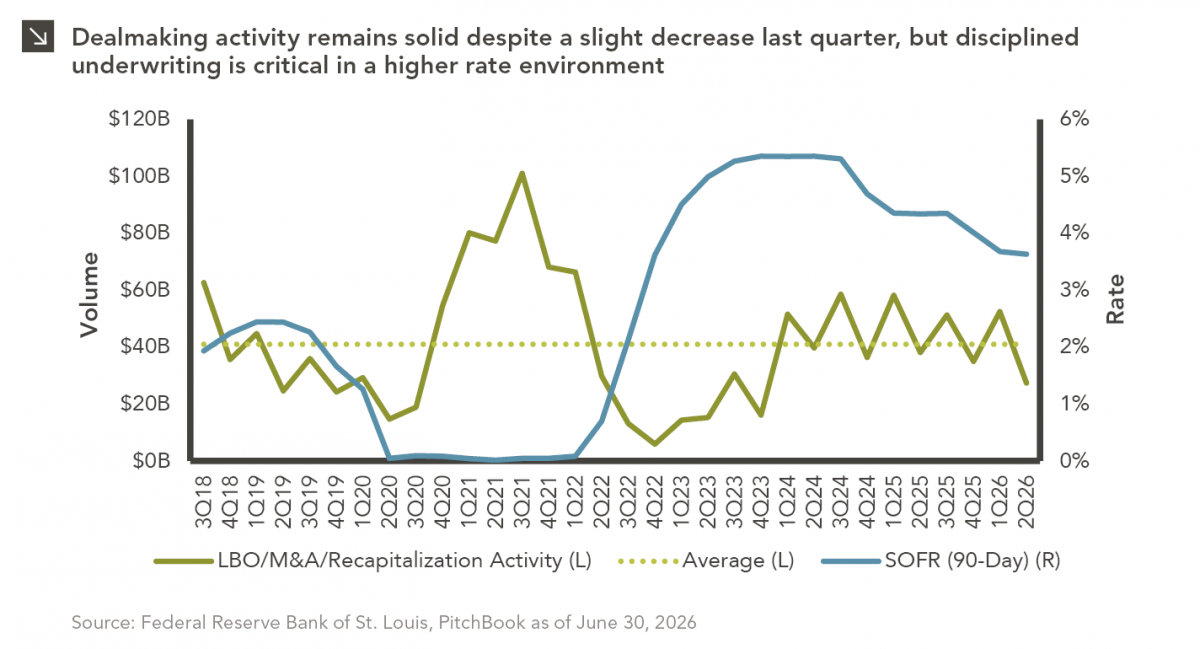
For much of the past several years, the conventional view has been that higher interest rates and stretched valuations would…
09.15.2026
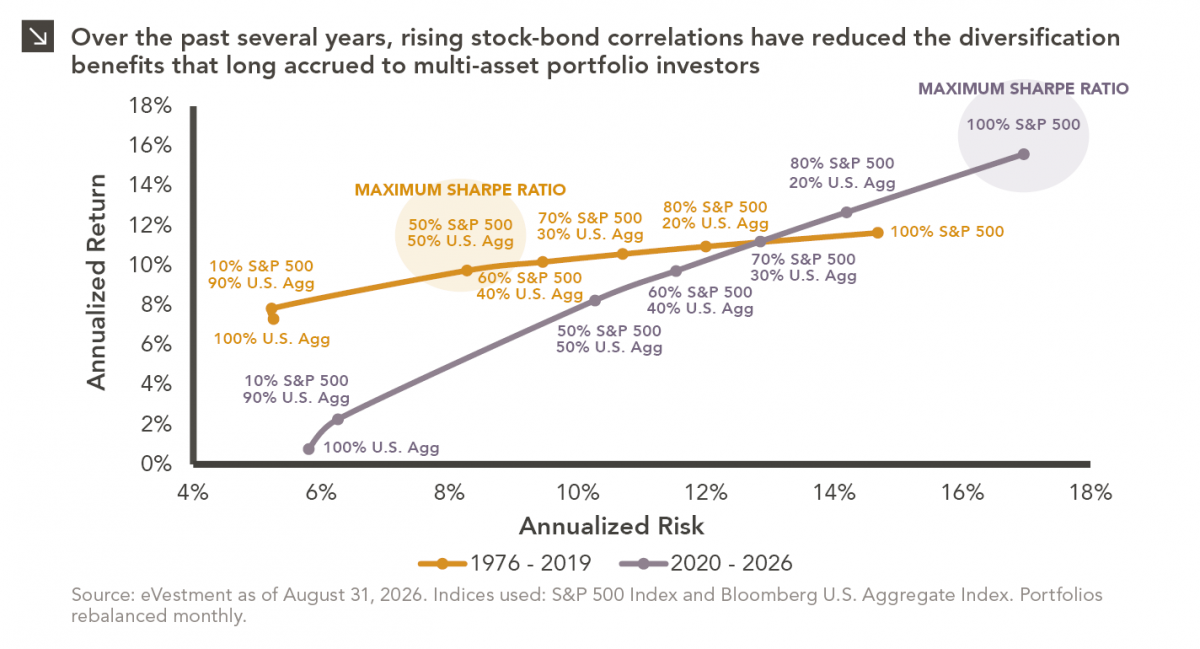
Over the past decade, continuation vehicles (“CV”) have become one of the fastest-growing trends in private equity. Private equity funds…
09.14.2026
There are many great things about working at Marquette Associates, but “Free Lunch Tuesday” is right at the top of…
09.08.2026
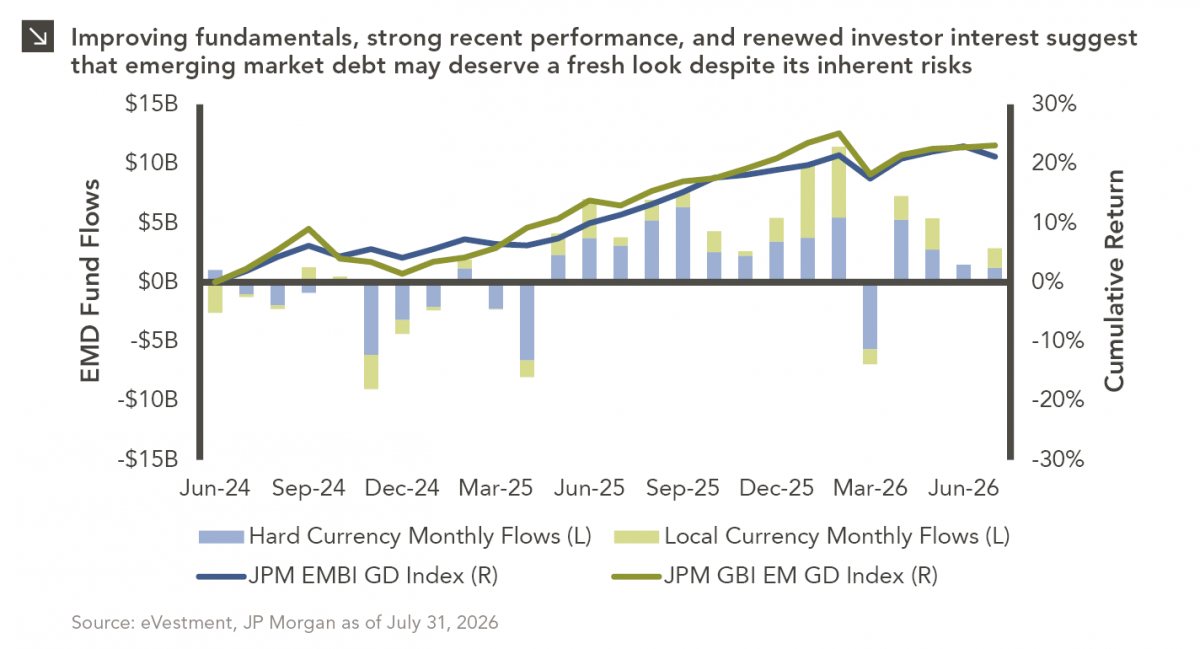
Over the last several years, emerging market debt (EMD) has faced several headwinds, with rising yields across other fixed income…
Research alerts keep you updated on our latest research publications. Simply enter your contact information, choose the research alerts you would like to receive and click Subscribe. Alerts will be sent as research is published.
We respect your privacy. We will never share or sell your information.
If you have questions or need further information, please contact us directly and we will respond to your inquiry within 24 hours.
Contact Us >