10.08.2026
3Q 2026 Market Insights
This video is a recording of a live webinar held October 22 by Marquette’s research team analyzing the third quarter…


During his presidential term, Donald Trump increased tariffs on Chinese imports to address unfair trade practices including intellectual property theft. Specifically, using Section 301 of the Trade Act of 1974, the Trump administration imposed an initial 25% tariff on certain Chinese imports in 2018 that triggered a trade war that persists to this day. After this initial levy, Chinese imports fell by 17% on a year-over-year basis in 2019 and an additional 4% in 2020. That said, imports from China returned to pre-trade war levels in 2021 and 2022. There are a few reasons for this trend. First, in 2019, Trump administration officials feared trade restrictions would ruin the holiday season for American consumers and delayed the enactment of tariffs on certain holiday gift favorites including toys, video game consoles, smartphones, laptops, and computer monitors. Simultaneously, the COVID-19 pandemic shifted consumer preferences away from services and toward goods, resulting in increased demand for Chinese imports despite the tariffs. Additionally, from 2019 to 2022, Chinese imports unaffected by the Section 301 tariffs increased by nearly 50%, offsetting the decline in taxed imports. These factors resulted in an unexpected net increase in overall Chinese imports into the United States over that period.
While certain tariffs have expired, the Biden administration has reinforced several Trump-era trade policies. Earlier this year, for instance, tariffs were increased on goods like steel and aluminum, electric vehicles, battery parts, solar cells, ship-to-shore cranes, syringes, and needles. Given the upcoming U.S. presidential election, it is interesting to note that both major political parties seem to agree that China’s trade practices warrant a continuation of tariffs. To that point, semiconductor tariffs will likely increase from 25% to 50% over the next year. Additionally, in two years, tariffs on lithium-ion non-EV batteries will likely increase from 7.5% to 25%, and those on graphite permanent magnets will likely increase from 0% to 25%. Since the effect of these future tariffs is ultimately unknown, investors should maintain a diversified portfolio to mitigate the fallout from a potential escalation in the current trade war between the U.S. and China.
Print PDFThe opinions expressed herein are those of Marquette Associates, Inc. (“Marquette”), and are subject to change without notice. This material is not financial advice or an offer to purchase or sell any product. Marquette reserves the right to modify its current investment strategies and techniques based on changing market dynamics or client needs.

10.08.2026
This video is a recording of a live webinar held October 22 by Marquette’s research team analyzing the third quarter…

10.22.2026
Anyone who has run a marathon knows the last six miles are brutal — no matter how well the first…
10.19.2026
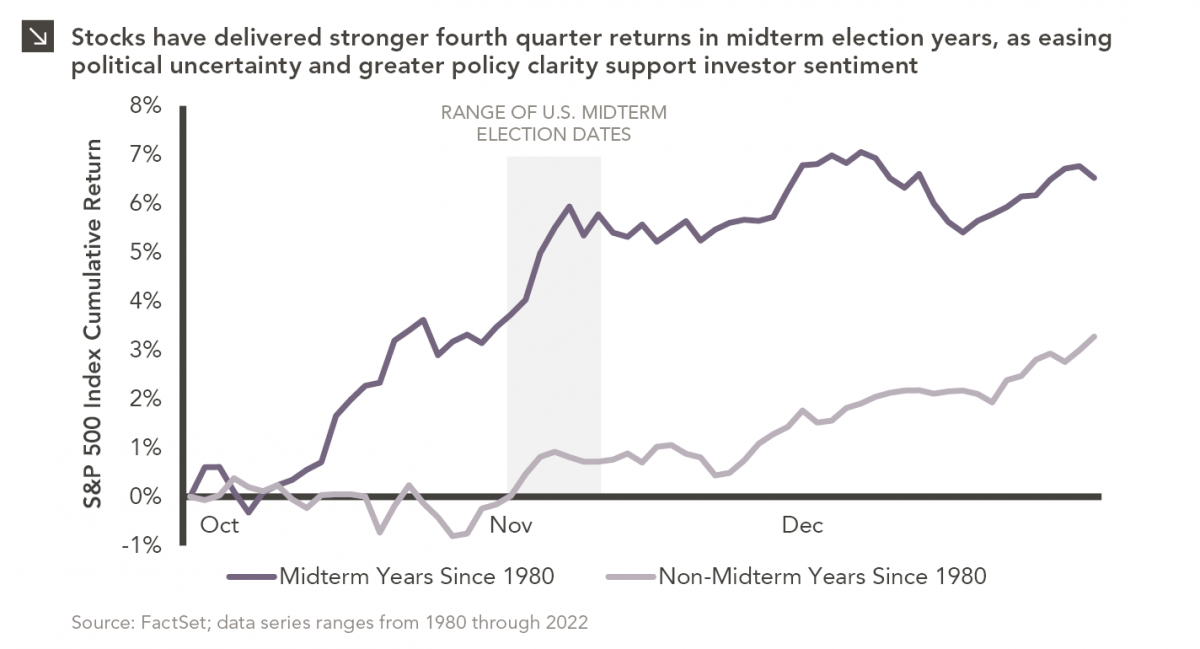
Since 1980, the S&P 500 Index has generally performed well in the weeks surrounding U.S. midterm elections. Specifically, the index…
10.12.2026
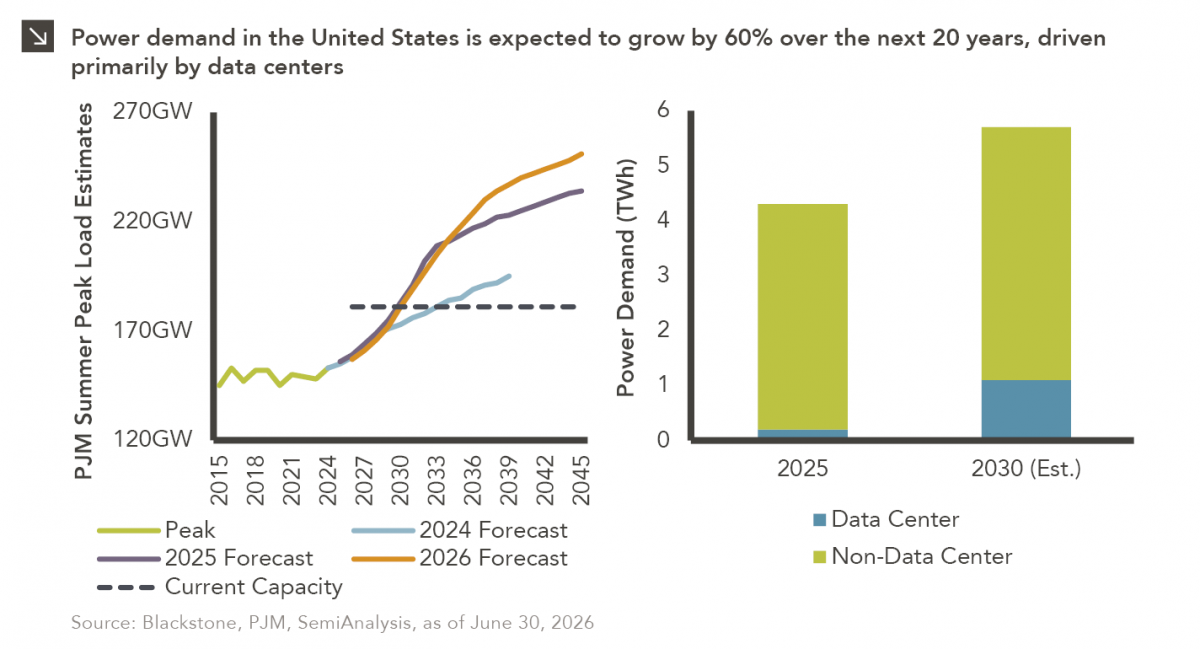
This week’s chart highlights the accelerating growth of electricity demand in the U.S., which has been driven primarily by the…
10.05.2026
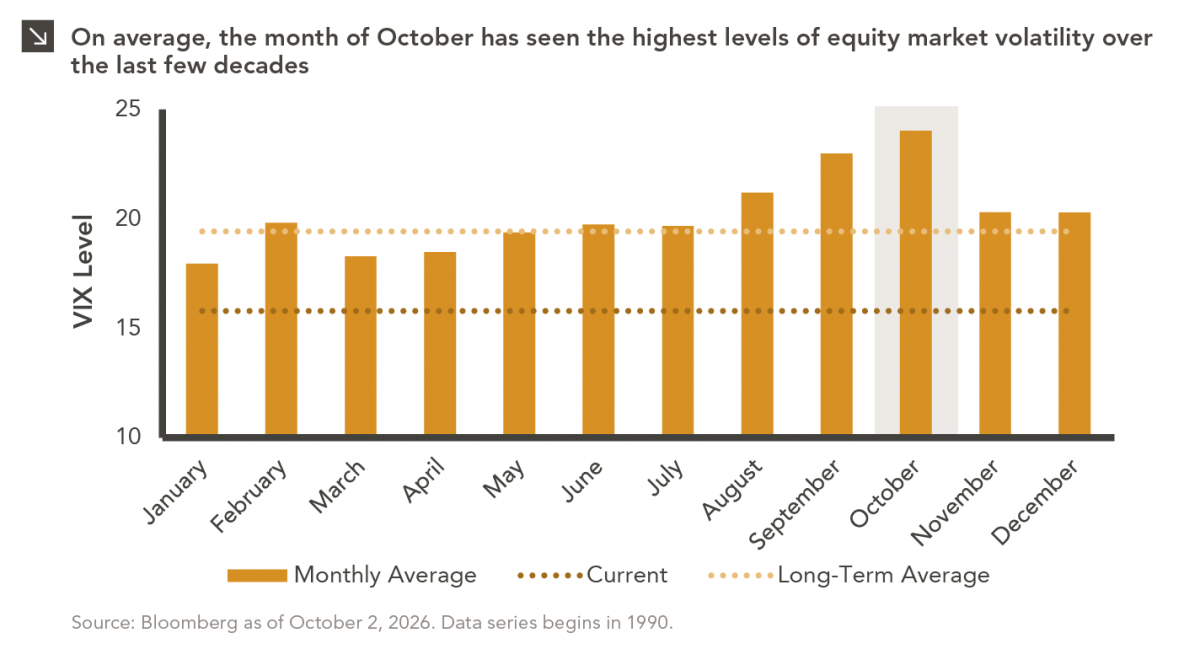
For investors, the spookiest thing about October might not be the ghosts and monsters that are bound to show up…
09.28.2026
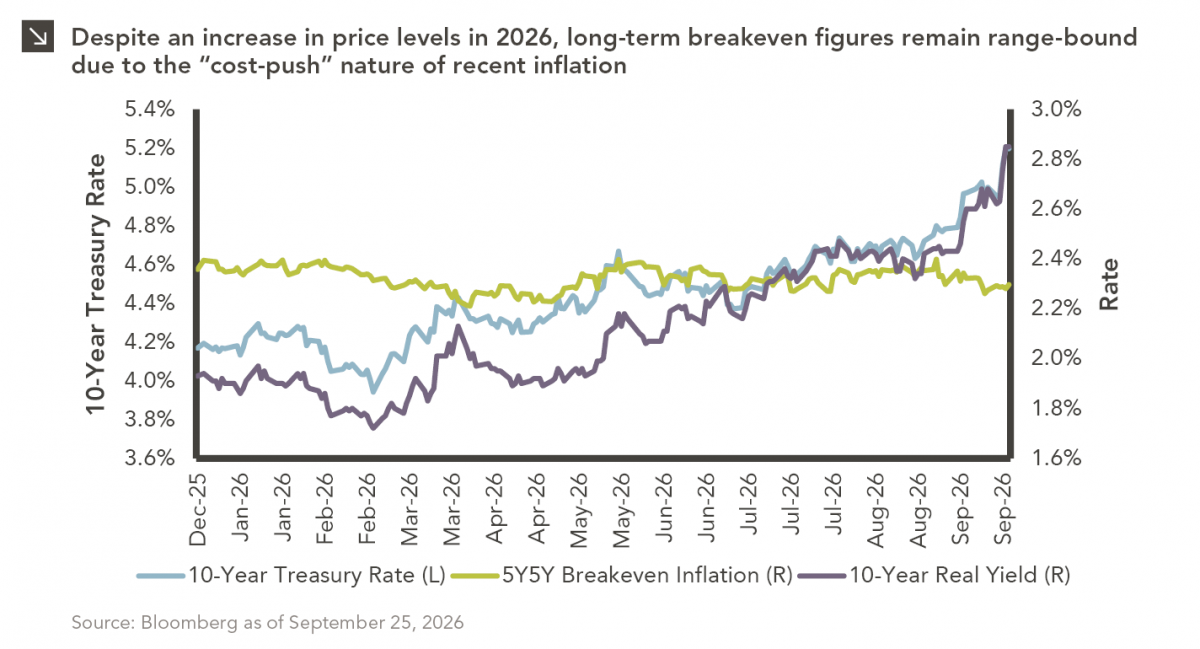
The phrase “expectations of higher inflation” has become a staple in financial news to explain the increase in nominal U.S….
Research alerts keep you updated on our latest research publications. Simply enter your contact information, choose the research alerts you would like to receive and click Subscribe. Alerts will be sent as research is published.
We respect your privacy. We will never share or sell your information.
If you have questions or need further information, please contact us directly and we will respond to your inquiry within 24 hours.
Contact Us >