10.08.2026
3Q 2026 Market Insights
This video is a recording of a live webinar held October 22 by Marquette’s research team analyzing the third quarter…


As indicated in Moody’s 2018 Annual Defaults Report, recent default rates on corporate debt have been significantly below long-term historical averages. Is this as positive for forward returns as one would think?
This week’s chart of the week shows recent corporate default rates against the longer-term averages and the return/risk ratio. As expected, the default rates are lower across the board and especially so in the sub-investment grade space. B rated debt has the largest change in default rate at 9.3%, leaving the trailing 5-year default rate at nearly half of its longer-term average. Lower default rates have been great for returns, so what’s the risk?
Just as equity analysts extrapolate recent high company earnings growth into the future, the risk is that credit analysts extrapolate the unordinarily low default rate into the future. The recent economic environment has been hospitable for low default rates with steadily increasing corporate margins and an increased ability to pay down debt. As some investors move into more volatile and lower quality debt to chase the higher yield that these bonds offer, the return per unit of risk decreases because the default rate increases by more than the additional yield benefit. If default rates were to increase and revert to the mean, lower credit rating bonds would be hit especially hard.
However, active investment managers strive to mitigate some of these risks. They can tilt their portfolios to higher quality bonds or choose bonds that they believe are rated incorrectly by rating agencies, thus lowering their portfolio’s default rate. In total, the recent low default rates have been great for trailing returns, however the future environment is uncertain and the strategy of reaching for higher yield may not perform as it has in recent history.
Print PDF > Are Low Default Rates a Reason to Reach for Higher Yields?
The opinions expressed herein are those of Marquette Associates, Inc. (“Marquette”), and are subject to change without notice. This material is not financial advice or an offer to purchase or sell any product. Marquette reserves the right to modify its current investment strategies and techniques based on changing market dynamics or client needs.
The opinions expressed herein are those of Marquette Associates, Inc. (“Marquette”), and are subject to change without notice. This material is not financial advice or an offer to purchase or sell any product. Marquette reserves the right to modify its current investment strategies and techniques based on changing market dynamics or client needs.

10.08.2026
This video is a recording of a live webinar held October 22 by Marquette’s research team analyzing the third quarter…

10.22.2026
Anyone who has run a marathon knows the last six miles are brutal — no matter how well the first…
10.19.2026
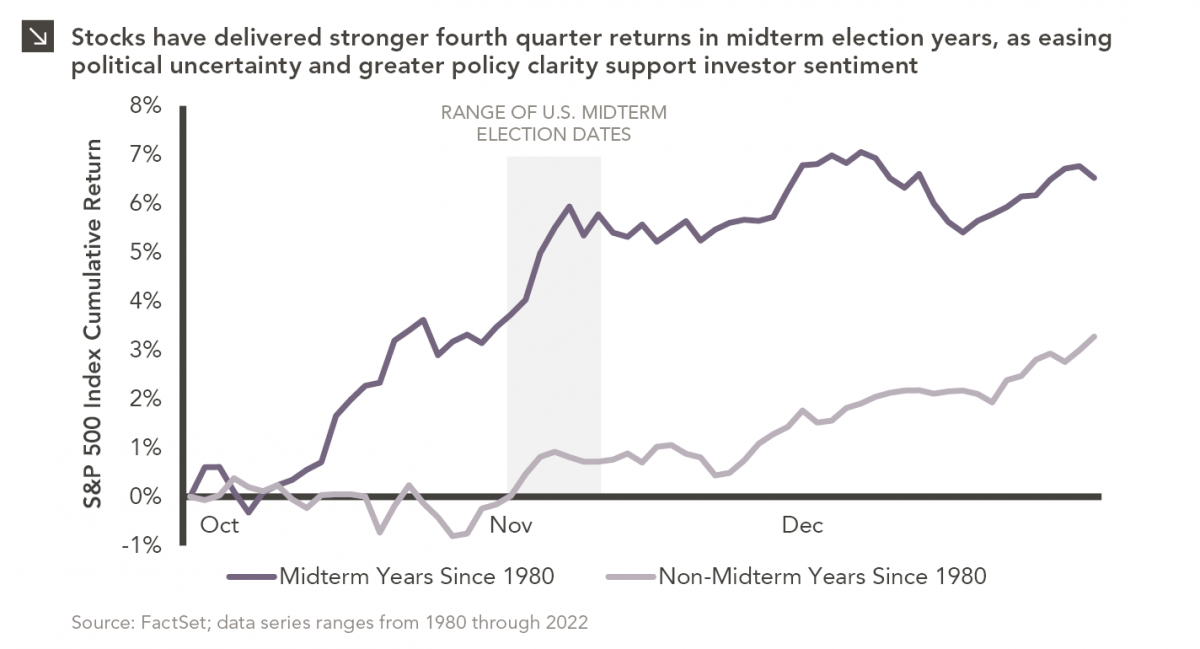
Since 1980, the S&P 500 Index has generally performed well in the weeks surrounding U.S. midterm elections. Specifically, the index…
10.12.2026
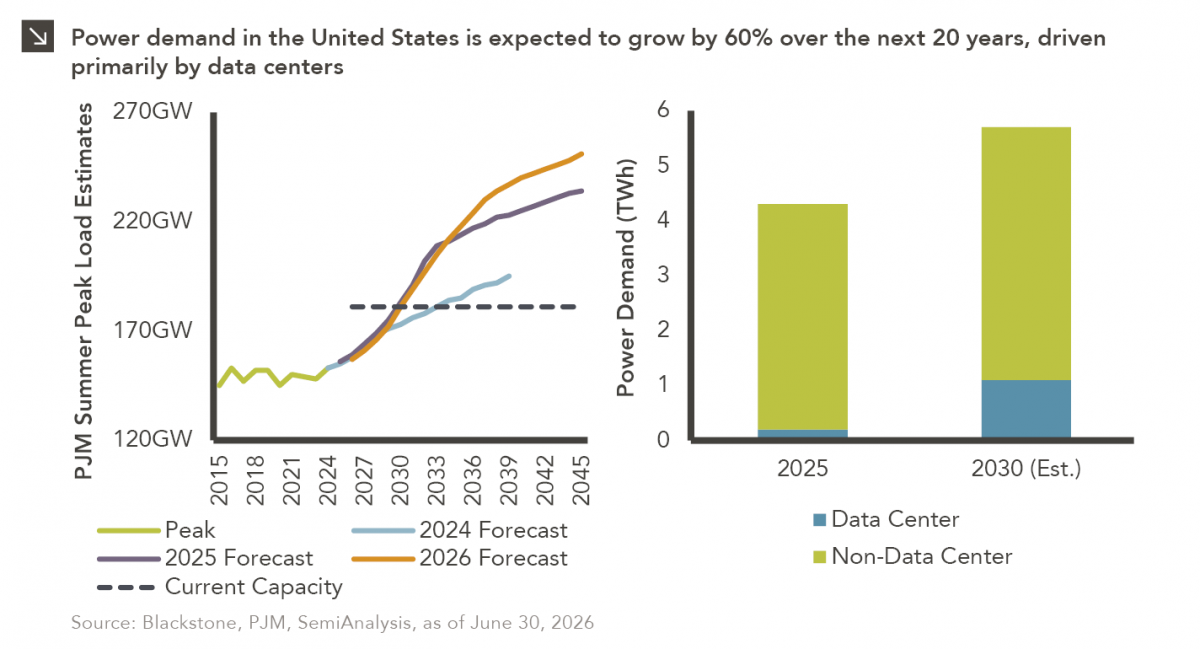
This week’s chart highlights the accelerating growth of electricity demand in the U.S., which has been driven primarily by the…
10.05.2026
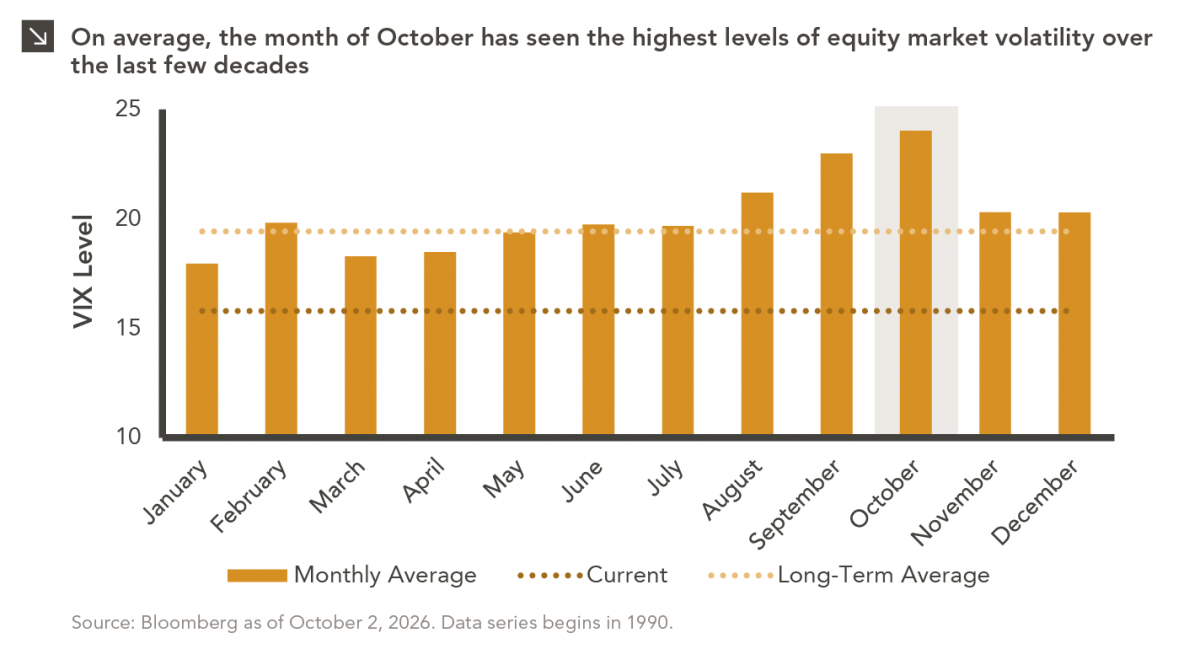
For investors, the spookiest thing about October might not be the ghosts and monsters that are bound to show up…
09.28.2026
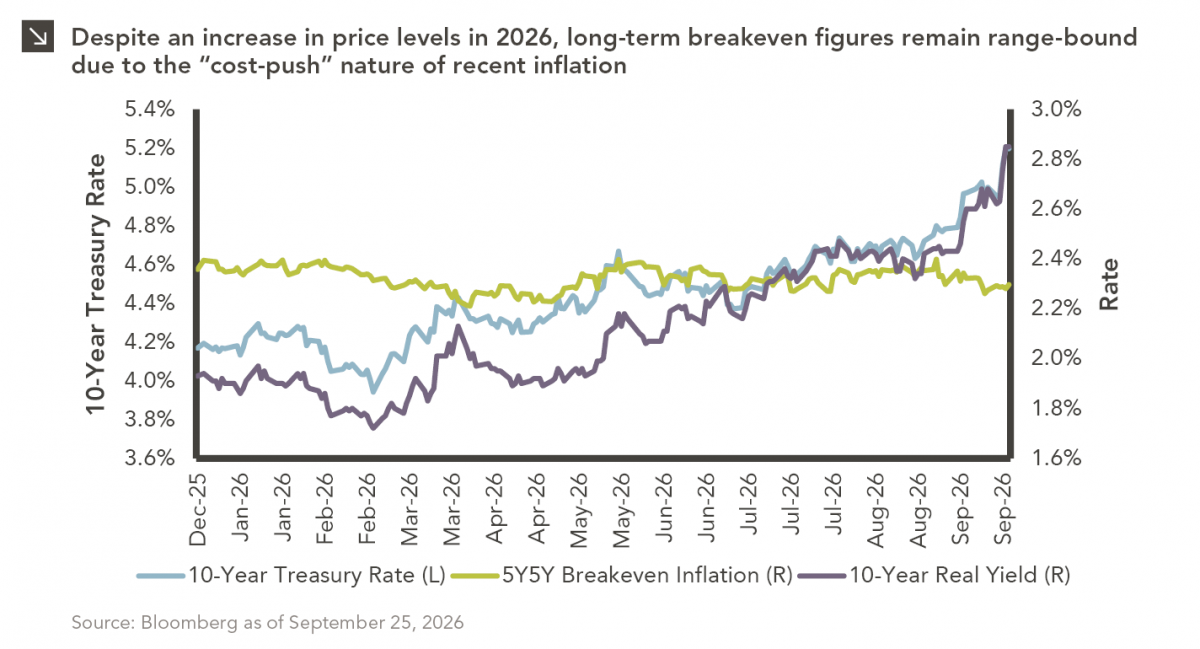
The phrase “expectations of higher inflation” has become a staple in financial news to explain the increase in nominal U.S….
Research alerts keep you updated on our latest research publications. Simply enter your contact information, choose the research alerts you would like to receive and click Subscribe. Alerts will be sent as research is published.
We respect your privacy. We will never share or sell your information.
If you have questions or need further information, please contact us directly and we will respond to your inquiry within 24 hours.
Contact Us >