Annie Huang
Research Analyst


Most have traditionally viewed a successful exit for a venture-backed start-up as either an IPO or an acquisition by a larger strategic or public company. That long-standing dynamic is gradually shifting, as start-ups are now more active than ever as acquirers. Indeed, what was once a buyer landscape dominated by strategics and public corporations now increasingly includes venture-backed firms. According to PitchBook-NVCA data, VC-backed buyers accounted for more than 38% of total U.S. venture M&A activity last year, up from roughly 20% a decade ago, with 2025 marking seven consecutive years of increasing participation. Specifically, more than 387 start-ups were acquired by venture-backed companies last year, compared with 177 in 2015. Although overall exit volumes remain below 2021 peak levels, the steady rise in startup-led acquisitions reflects a structural shift toward internal consolidation within the venture ecosystem.
The drivers behind this shift are largely pragmatic, as capital remains available but far more selective. Growth equity investors are increasingly concentrated within perceived category leaders, while companies that fall slightly below that threshold face a more challenging fundraising environment. For scaling start-ups that have survived earlier rounds of capital selection, acquisitions can serve as an efficient strategic accelerant. Rather than depleting cash reserves to build adjacent features, expand geographically, or acquire customers organically, management teams can accelerate these objectives through M&A, adding revenue, product capabilities, or talent in a single transaction. At the same time, the bar for IPO readiness has risen materially in the last five years, as public investors are increasingly prioritizing profitability, operating leverage, and durable revenue growth. For venture-backed companies aiming to meet these standards, combining with a competitor or complementary platform can create scale and margin expansion more quickly than standalone execution. In some cases, consolidation represents the most rational path forward in a more disciplined capital cycle. This trend is visible at the upper end of the market as well. For instance, OpenAI completed five acquisitions across hardware design, experimentation tooling, fintech AI capabilities, and model infrastructure in 2025 alone. The fact that one of the world’s most valuable private companies is actively using M&A as a growth lever reinforces the idea that an acquisition is no longer solely a means of exit but increasingly a tool for expansion.
While it remains too early to declare a permanent transformation in venture markets, it is clear start-up-led consolidation is becoming more common and strategically meaningful. As companies remain private for longer and develop greater operational scale, their roles as acquirers may continue to expand.
Print PDF
The opinions expressed herein are those of Marquette Associates, Inc. (“Marquette”), and are subject to change without notice. This material is not financial advice or an offer to purchase or sell any product. Marquette reserves the right to modify its current investment strategies and techniques based on changing market dynamics or client needs.
10.12.2026
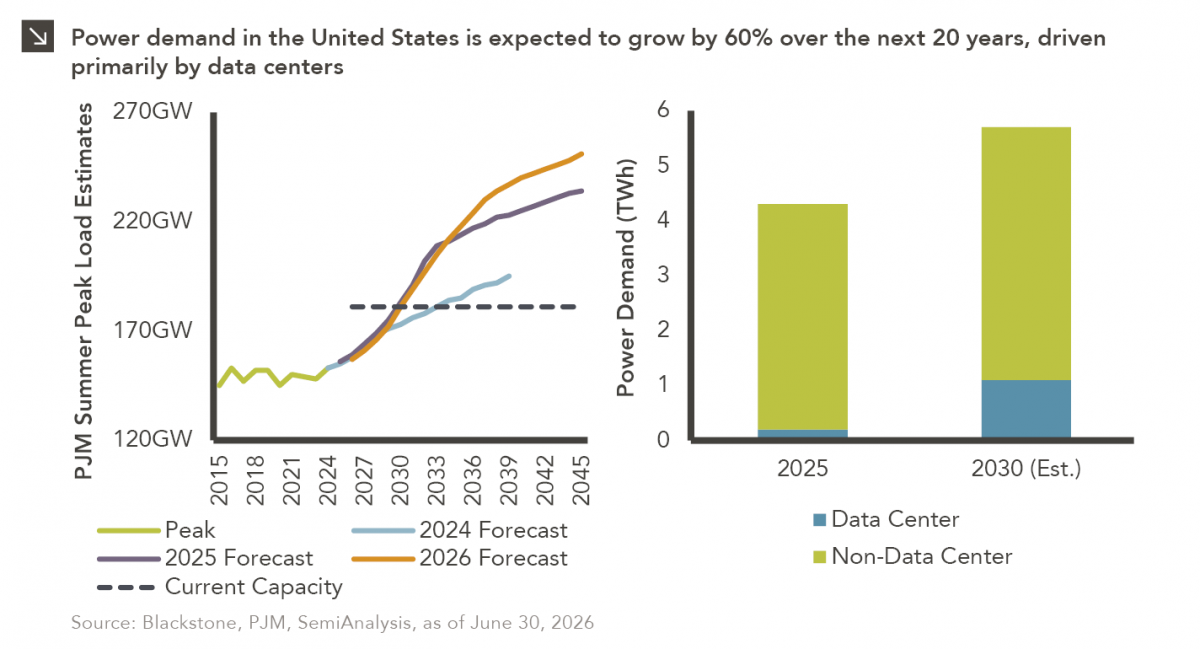
This week’s chart highlights the accelerating growth of electricity demand in the U.S., which has been driven primarily by the…

10.08.2026
LIVE WEBINAR — OCTOBER 22 Please join Marquette’s research team for our 3Q 2026 Market Insights Webinar…
10.05.2026
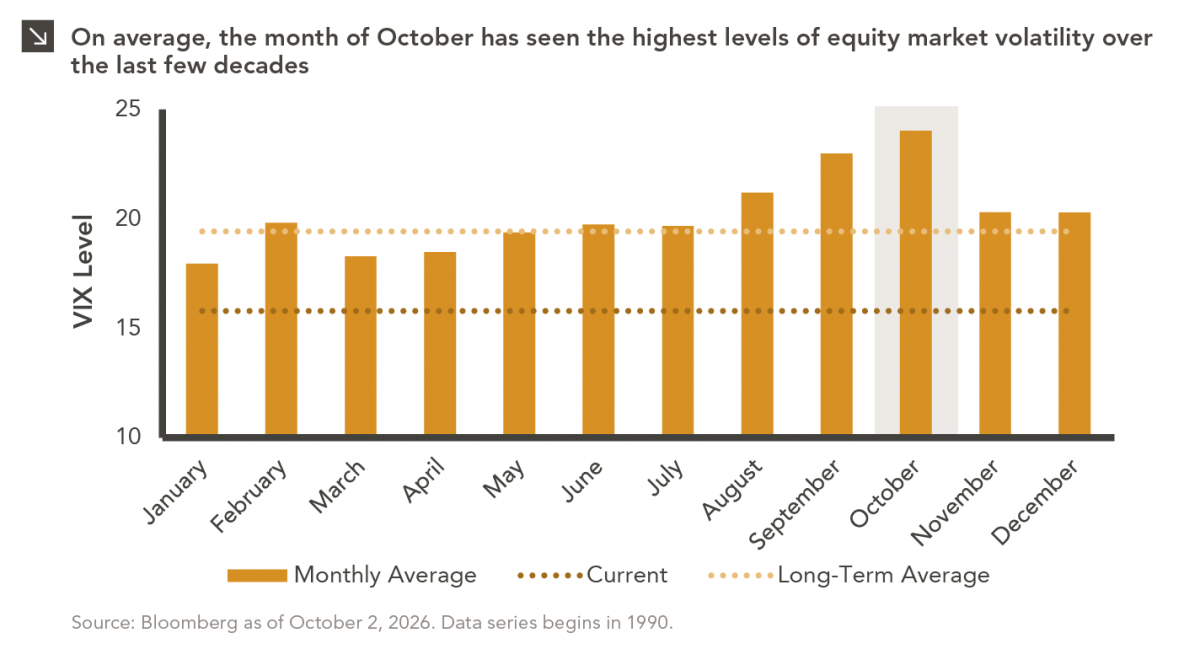
For investors, the spookiest thing about October might not be the ghosts and monsters that are bound to show up…
09.28.2026
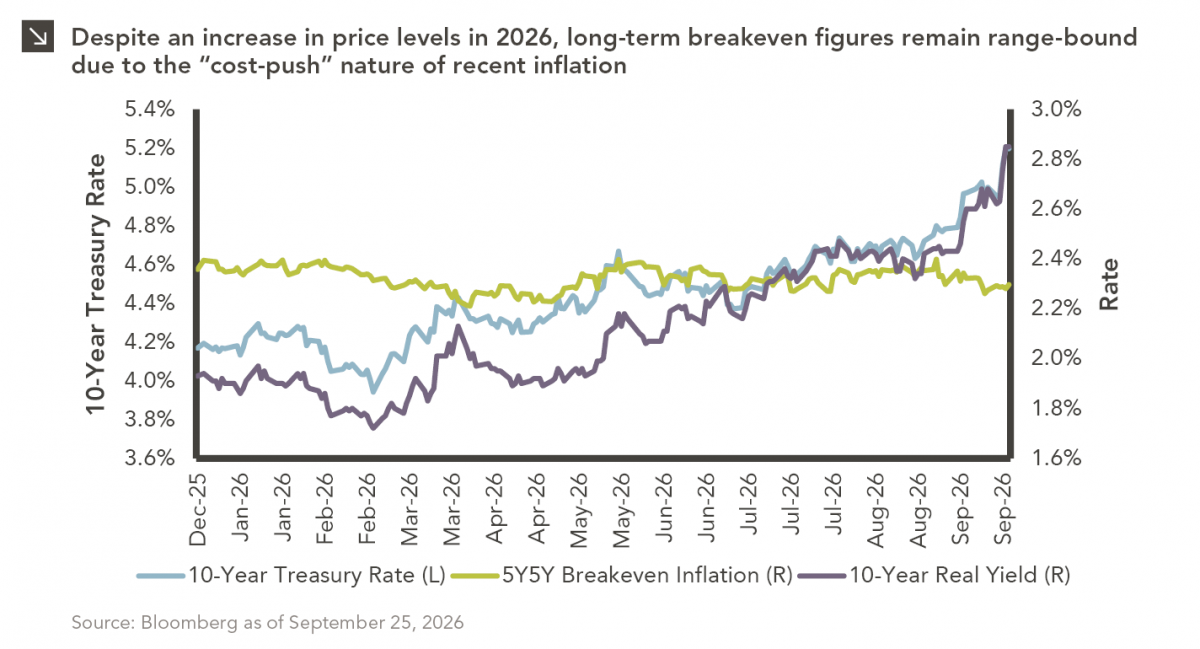
The phrase “expectations of higher inflation” has become a staple in financial news to explain the increase in nominal U.S….
09.21.2026
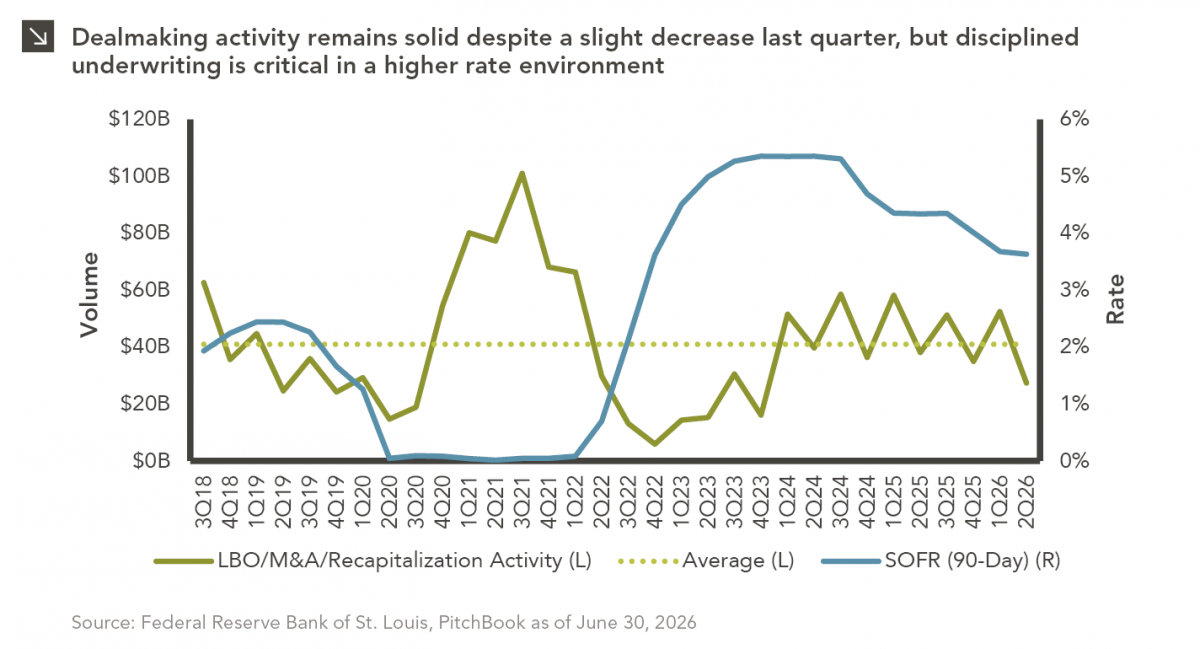
For much of the past several years, the conventional view has been that higher interest rates and stretched valuations would…

09.15.2026
Over the past decade, continuation vehicles (“CV”) have become one of the fastest-growing trends in private equity. Private equity funds…
Research alerts keep you updated on our latest research publications. Simply enter your contact information, choose the research alerts you would like to receive and click Subscribe. Alerts will be sent as research is published.
We respect your privacy. We will never share or sell your information.
If you have questions or need further information, please contact us directly and we will respond to your inquiry within 24 hours.
Contact Us >