Lili Park
Vice President, Client Service
Get to Know Lili


This week’s chart chronicles the trends of home ownership and prices since the turn of the century. During the robust residential real estate market of the mid-2000’s, home ownership rates peaked at 69.2 percent with the home price index exceeding $200,000. However, the financial crisis of 2008 coupled with a surge of foreclosures and high unemployment rates have contributed to a decade low home ownership rate of 66 percent. Not surprisingly, the home price index has cratered as ownership has declined.
A recovery for home ownership and prices faces several headwinds. To begin with, plunging home prices, a shaky job market, and frail economy have many first time home buyers resistant to committing to a purchase, in spite of the attractive price opportunities. For purchasers looking to take advantage of low interest rates, other hurdles remain, chief among them stricter underwriting standards for mortgages and higher required down payments.
Collectively, these trends help explain the booming rental market of today, as seen from the perspectives of demand, supply, and investment. Perhaps more importantly, does this mean that the American dream of owning a home is quickly becoming a thing of the past?

The opinions expressed herein are those of Marquette Associates, Inc. (“Marquette”), and are subject to change without notice. This material is not financial advice or an offer to purchase or sell any product. Marquette reserves the right to modify its current investment strategies and techniques based on changing market dynamics or client needs.
10.12.2026
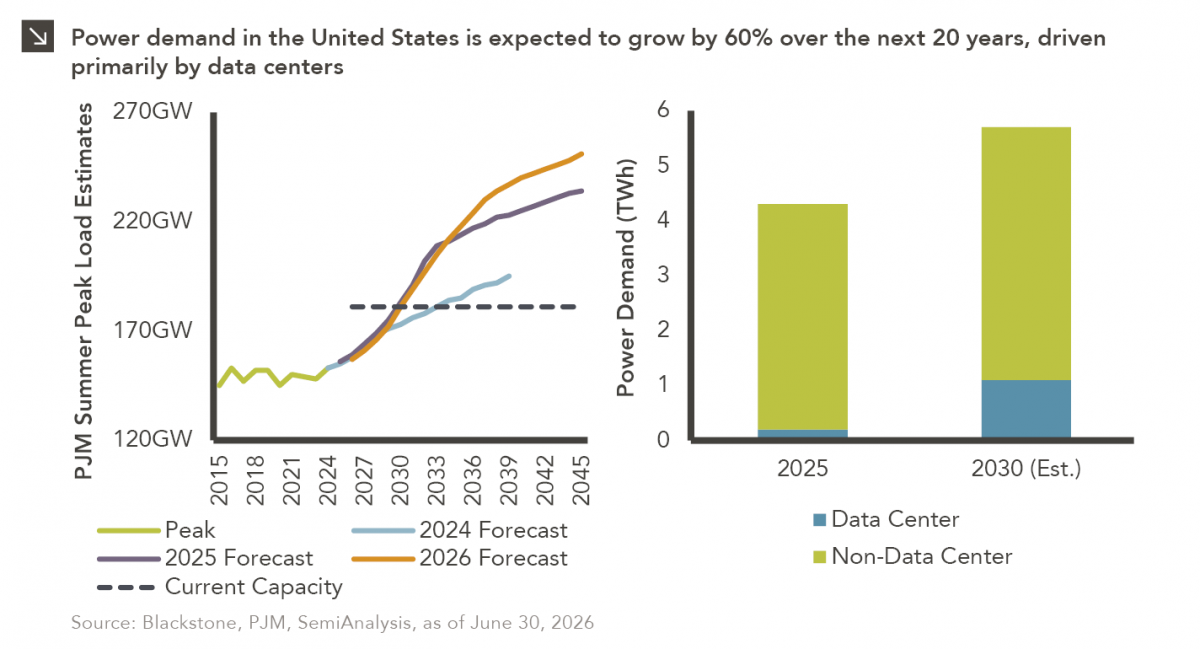
This week’s chart highlights the accelerating growth of electricity demand in the U.S., which has been driven primarily by the…

10.08.2026
LIVE WEBINAR — OCTOBER 22 Please join Marquette’s research team for our 3Q 2026 Market Insights Webinar…
10.05.2026
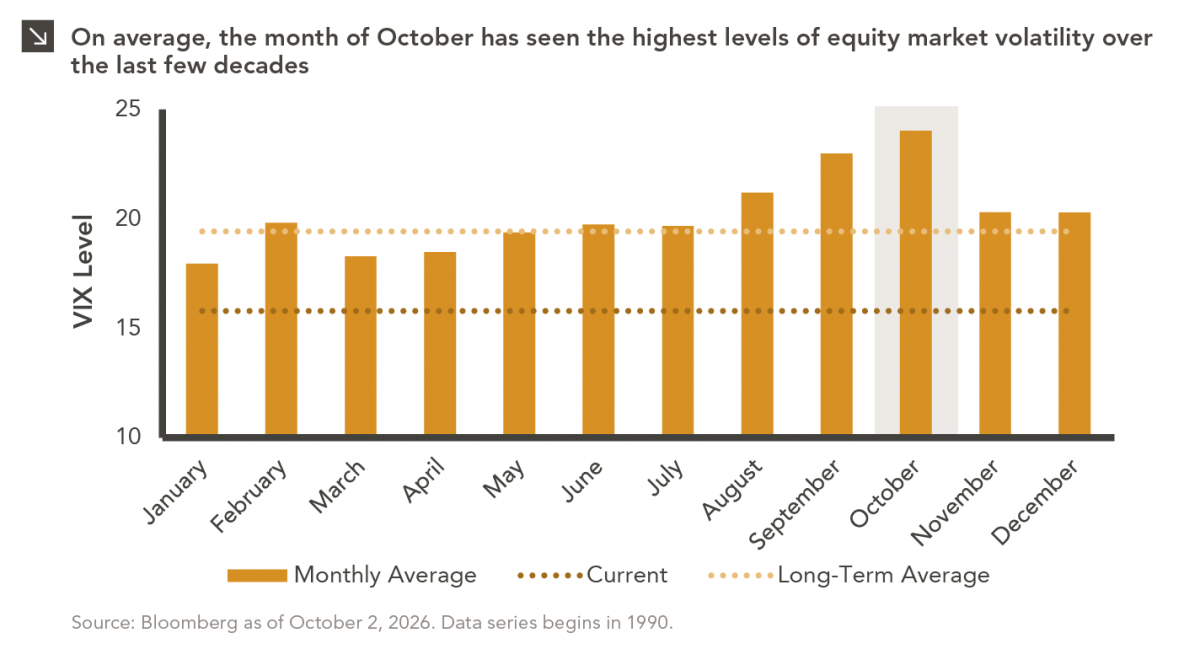
For investors, the spookiest thing about October might not be the ghosts and monsters that are bound to show up…
09.28.2026
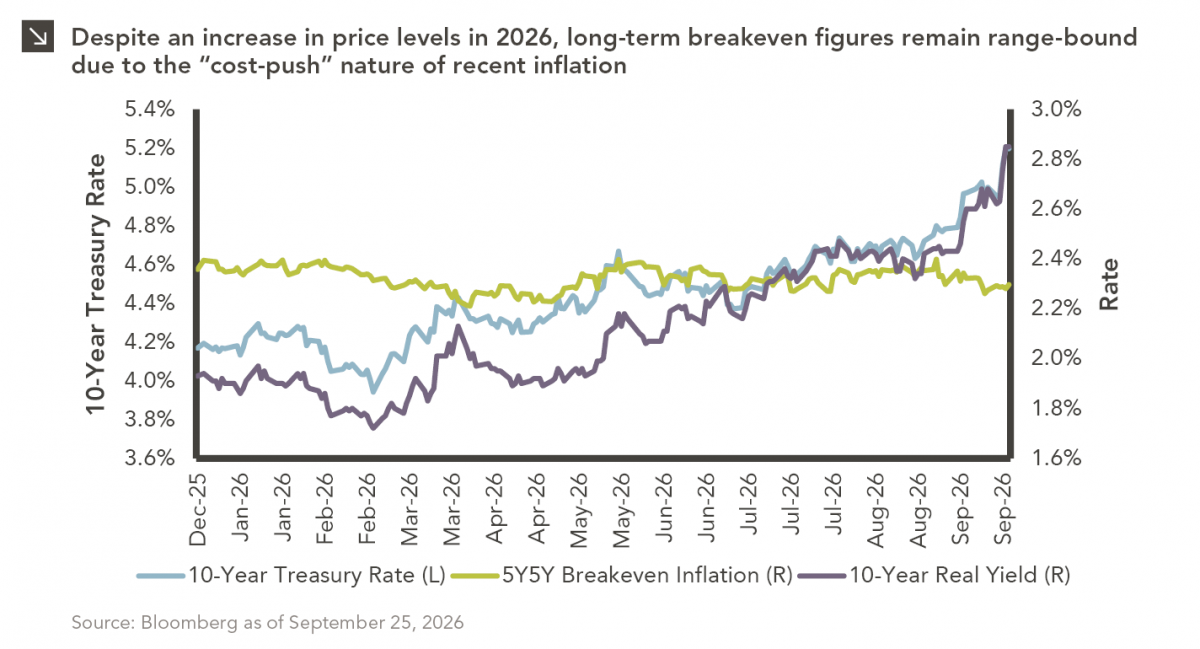
The phrase “expectations of higher inflation” has become a staple in financial news to explain the increase in nominal U.S….
09.21.2026
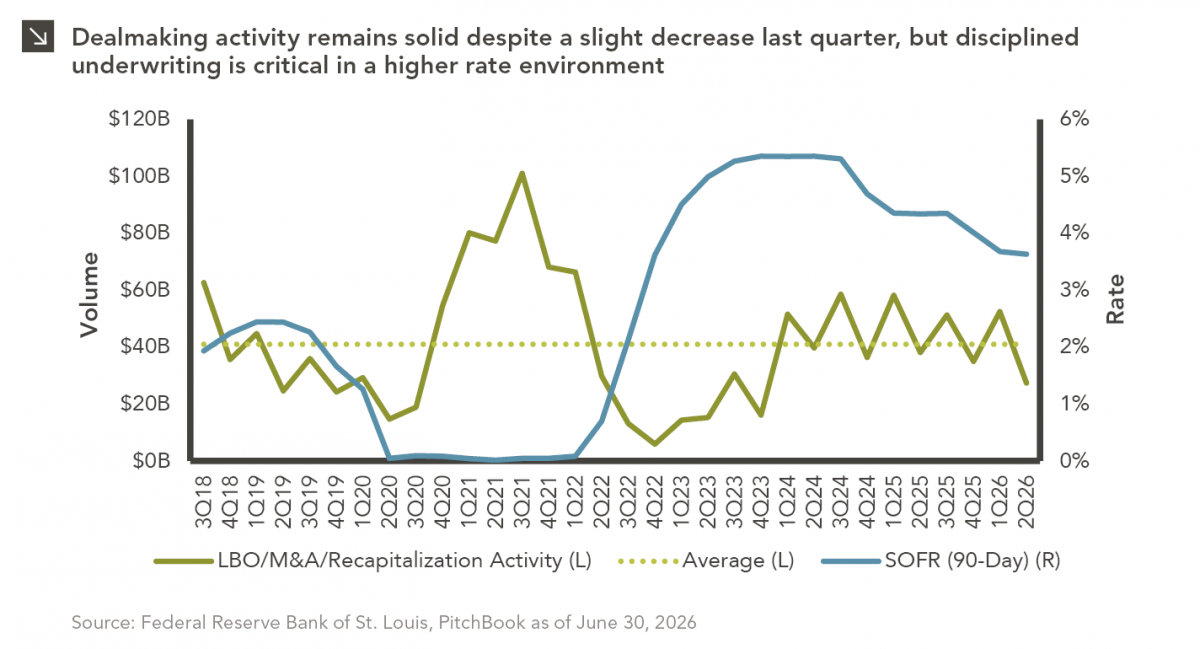
For much of the past several years, the conventional view has been that higher interest rates and stretched valuations would…
09.14.2026
There are many great things about working at Marquette Associates, but “Free Lunch Tuesday” is right at the top of…
Research alerts keep you updated on our latest research publications. Simply enter your contact information, choose the research alerts you would like to receive and click Subscribe. Alerts will be sent as research is published.
We respect your privacy. We will never share or sell your information.
If you have questions or need further information, please contact us directly and we will respond to your inquiry within 24 hours.
Contact Us >