Evan Frazier, CFA, CAIA
Senior Research Analyst


Earlier this week, Marquette published a newsletter detailing the ongoing market volatility caused by the Trump administration’s recent tariff rollout. Indeed, equity markets have reacted sharply to the new trade landscape, with the S&P 500 Index having fallen roughly 11.0% from its February peak as of this writing. While a significant portion of these losses came late last week, this week has seen even more extreme market fluctuations as investors struggled to assess the impact of new trade restrictions on security prices and the global economy. Specifically, the S&P 500 Index opened lower on Monday morning before surging amid rumors that the White House was considering a pause on its reciprocal tariff measures. The Trump administration quickly denied these rumors, and the benchmark would later turn negative before ending the day slightly up from its prior close. Markets opened sharply higher yesterday but steadily lost ground due to souring sentiment and a lack of progress on trade negotiations. Today, equity markets opened slightly lower before skyrocketing after an official announcement of a 90-day pause for reciprocal tariffs on non-retaliating countries. All told, Monday, yesterday, and today saw staggering intra-day price changes in the S&P 500 Index of roughly 8.5%, 7.3%, and 10.8%, respectively (in absolute value terms).
As this week’s chart indicates, price swings of this magnitude have only been exhibited during the most extreme periods in U.S. equity market history, including the Black Monday Crash of 1987 and the Global Financial Crisis. As such, it is imperative that investors navigate the current environment with a high degree of prudence and caution, especially given the likelihood of continued volatility as trade negotiations proceed. It is also helpful to remember that investors have historically been well compensated for bearing equity risk over multi-year periods, and that short-term fluctuations are the price of positive long-term returns. Marquette continues to closely monitor dynamics within global markets and will provide timely updates accordingly. Please reach out to us with any questions.
Print PDF
The opinions expressed herein are those of Marquette Associates, Inc. (“Marquette”), and are subject to change without notice. This material is not financial advice or an offer to purchase or sell any product. Marquette reserves the right to modify its current investment strategies and techniques based on changing market dynamics or client needs.
10.12.2026
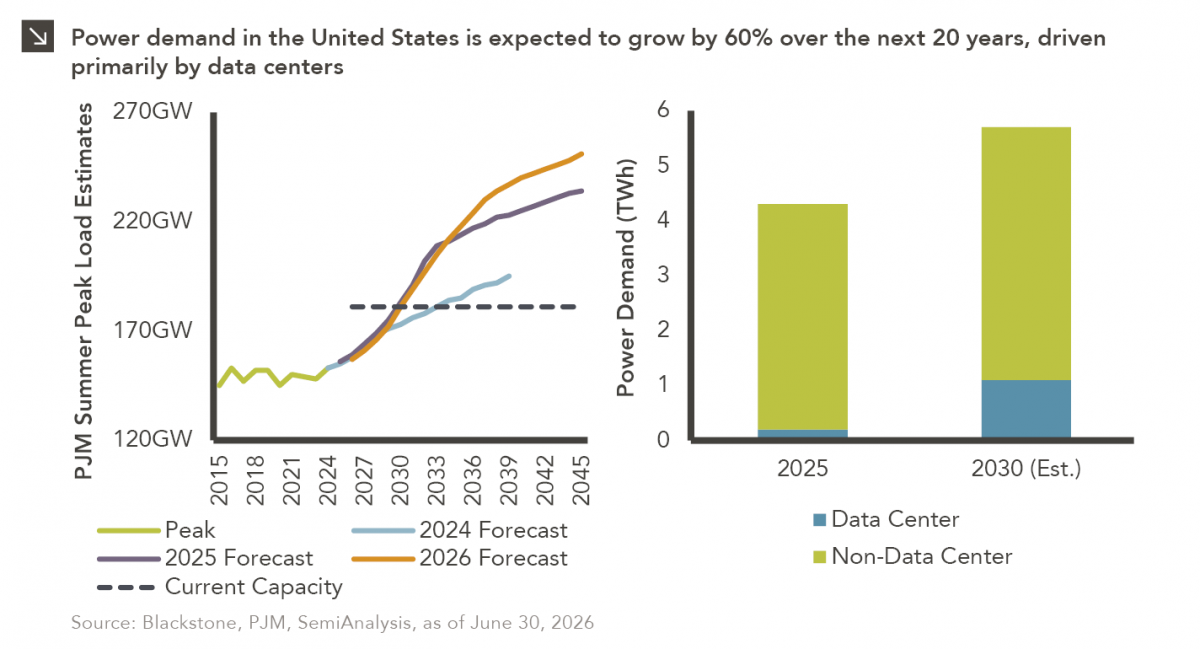
This week’s chart highlights the accelerating growth of electricity demand in the U.S., which has been driven primarily by the…

10.08.2026
LIVE WEBINAR — OCTOBER 22 Please join Marquette’s research team for our 3Q 2026 Market Insights Webinar…
10.05.2026
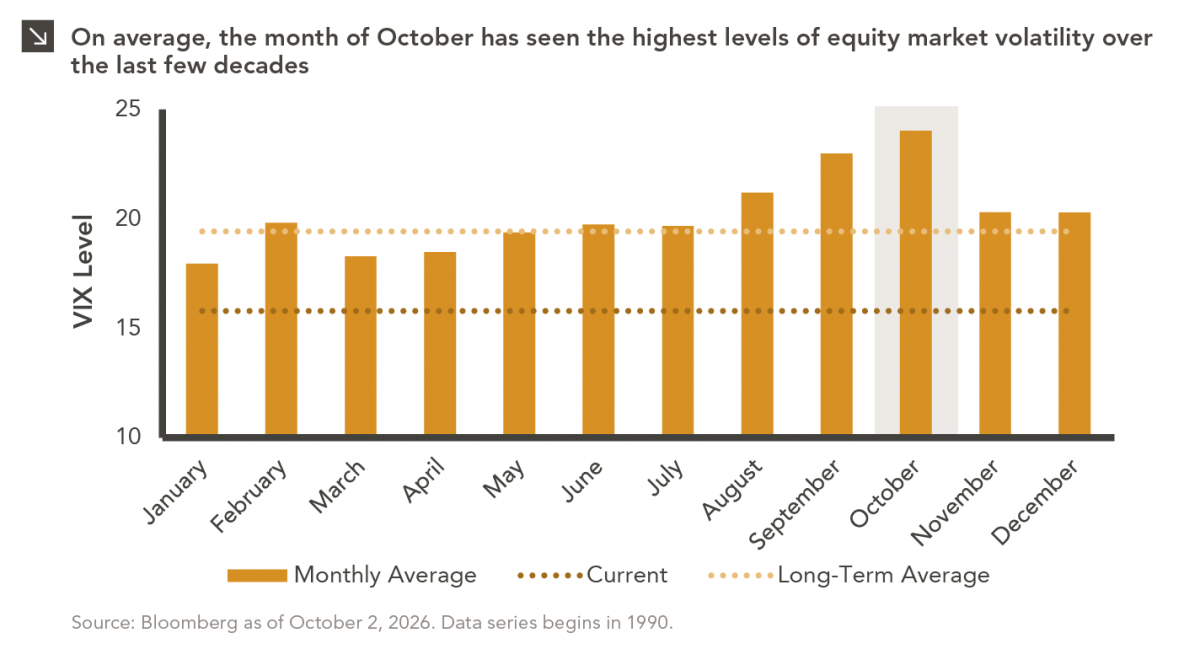
For investors, the spookiest thing about October might not be the ghosts and monsters that are bound to show up…
09.28.2026
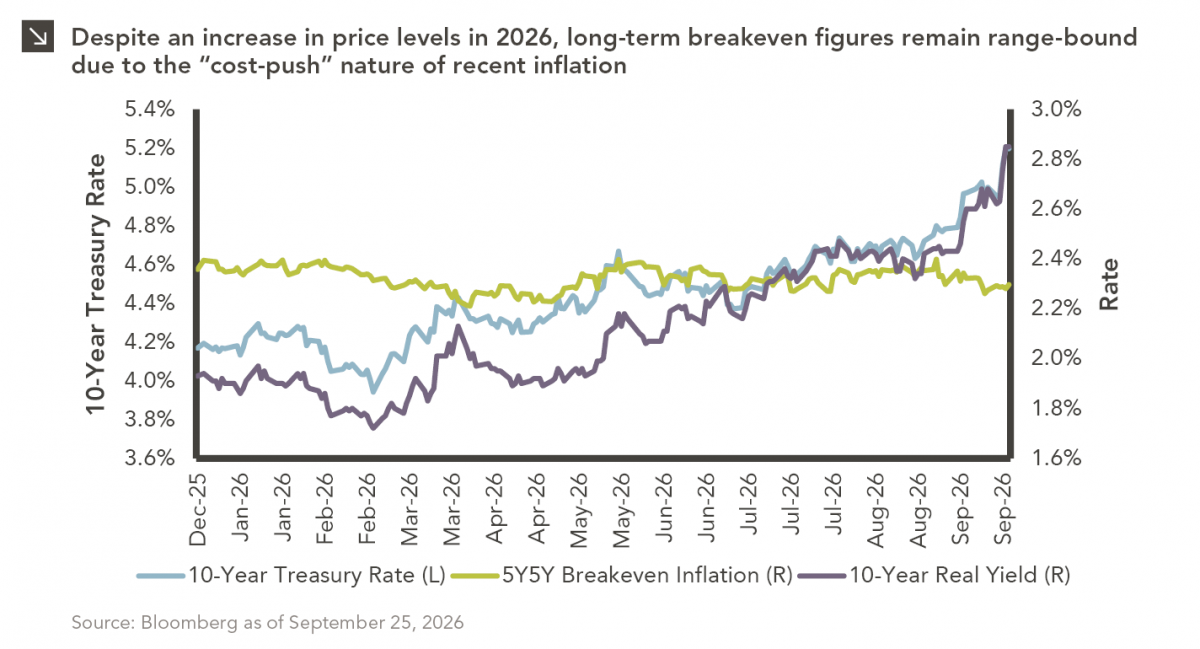
The phrase “expectations of higher inflation” has become a staple in financial news to explain the increase in nominal U.S….
09.21.2026
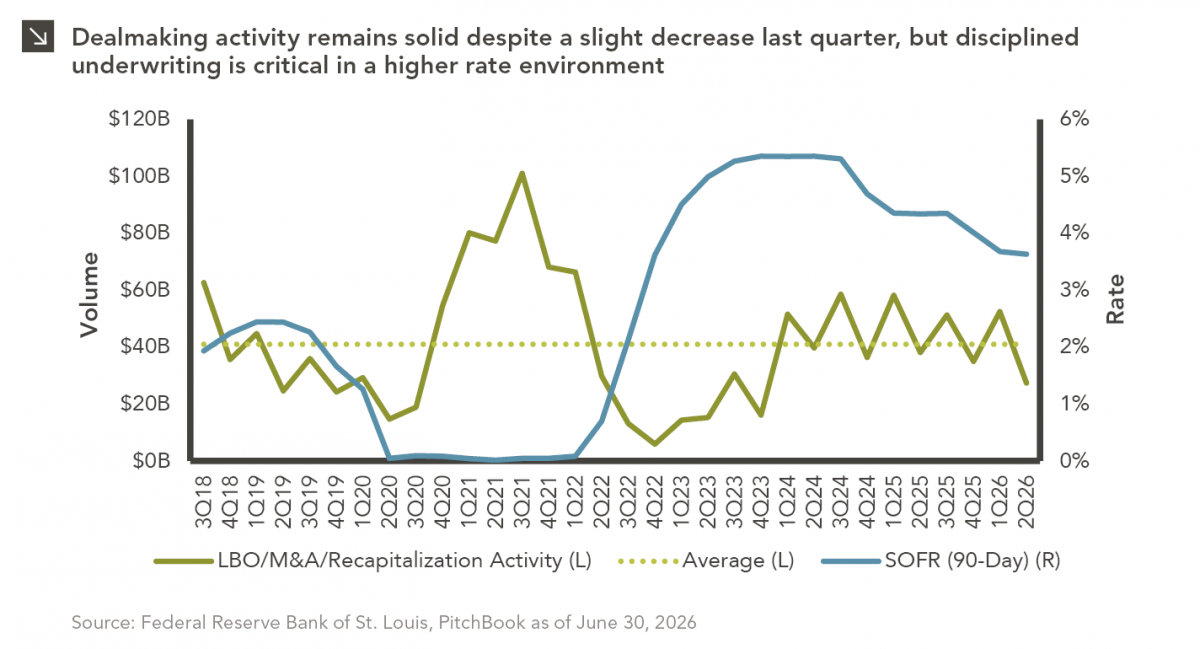
For much of the past several years, the conventional view has been that higher interest rates and stretched valuations would…
09.14.2026
There are many great things about working at Marquette Associates, but “Free Lunch Tuesday” is right at the top of…
Research alerts keep you updated on our latest research publications. Simply enter your contact information, choose the research alerts you would like to receive and click Subscribe. Alerts will be sent as research is published.
We respect your privacy. We will never share or sell your information.
If you have questions or need further information, please contact us directly and we will respond to your inquiry within 24 hours.
Contact Us >