10.08.2026
3Q 2026 Market Insights
This video is a recording of a live webinar held October 22 by Marquette’s research team analyzing the third quarter…


The last Friday in June brings a unique set of challenges for investors managing to the indices of FTSE Russell as the entire family of domestic index products is rebalanced at the end of the second quarter to reflect changes in the U.S. equity markets over the last year. The annual rebalance updates the market capitalization and style profiles of the indices, which then drives shifts in the underlying sector and industry weightings within the benchmarks. After an unprecedented year in equity markets, the most recent reconstitution is worth a deeper look.
While the Russell Reconstitution impacts all Russell indices, the Russell 2000 index ― which tracks small-cap equities within the U.S. ― tends to undergo the most significant overhaul year to year, as newly-public companies are included for the first time and the previous year’s winners move up the market capitalization spectrum. The chart above details the changes in sector weightings for the Russell 2000 Value, Core, and Growth indices resulting from the annual rebalance. The most notable shifts can be seen in the Consumer Discretionary and Health Care sectors, particularly within the Value and Core indices.
The move in Consumer Discretionary is at least in part a product of the meme stock short squeeze earlier this year. While many of the stocks that saw significant price appreciation in recent months (e.g., GameStop) graduated up in market capitalization to the Russell 1000 index, others, like AMC Entertainment, were left behind on the May 7th rank day. A unique aspect of this year’s rebalance is the speculative nature of the trailing 6-month period. On May 7th, AMC Entertainment had a market capitalization of $4.3B, comfortably within the bounds of the small-cap universe as defined by Russell. Since then, the stock is up over 400% to a market capitalization of nearly $30B. It is expected that AMC will remain in the Russell 2000 and Russell 2000 Value indices despite its increased size, making it the largest position in both of these cap-weighted indices, at roughly 0.8% and 1.6%, respectively. This is a double-edged sword for active managers, as performance relative to the small-cap benchmarks may look overly positive or negative, depending on AMC’s path from here.
The changes in the Health Care sector present a different challenge to active managers. The Russell 2000 Value index has historically included a minimal allocation to Biotechnology, an industry synonymous with binary outcomes and companies with little revenue and few tangible products. This year’s rebalance led to a more than 5% increase in the Value benchmark’s weight in Health Care, with Biotechnology making up roughly 70% of that addition. Many small-cap value managers generally avoid biotech due to its inherent risks and do not consider the space an area of expertise. That said, ignoring the now third largest industry in the Russell 2000 Value index may no longer be an option. Relative performance is an important tool in evaluating active managers and understanding what that benchmark represents is imperative. We look forward to seeing how managers adapt to the latest changes.
Print PDF > Russell Reconstitution: AMC Bought Tickets to the Russell 2000
The opinions expressed herein are those of Marquette Associates, Inc. (“Marquette”), and are subject to change without notice. This material is not financial advice or an offer to purchase or sell any product. Marquette reserves the right to modify its current investment strategies and techniques based on changing market dynamics or client needs.

10.08.2026
This video is a recording of a live webinar held October 22 by Marquette’s research team analyzing the third quarter…

10.22.2026
Anyone who has run a marathon knows the last six miles are brutal — no matter how well the first…
10.19.2026
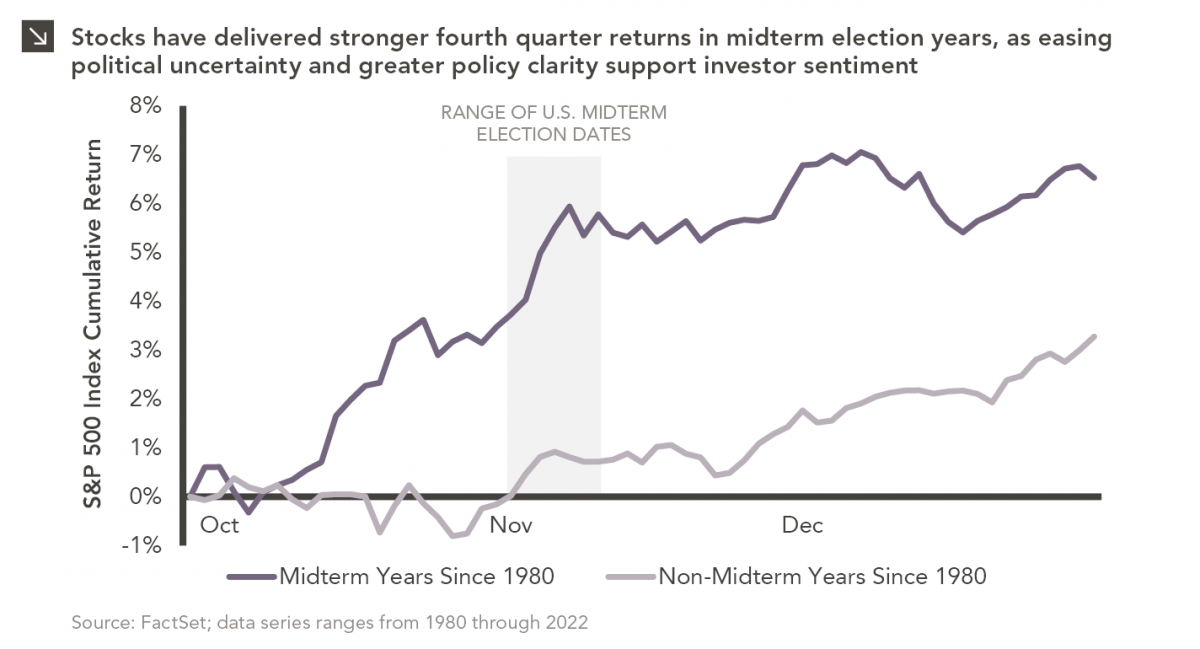
Since 1980, the S&P 500 Index has generally performed well in the weeks surrounding U.S. midterm elections. Specifically, the index…
10.12.2026
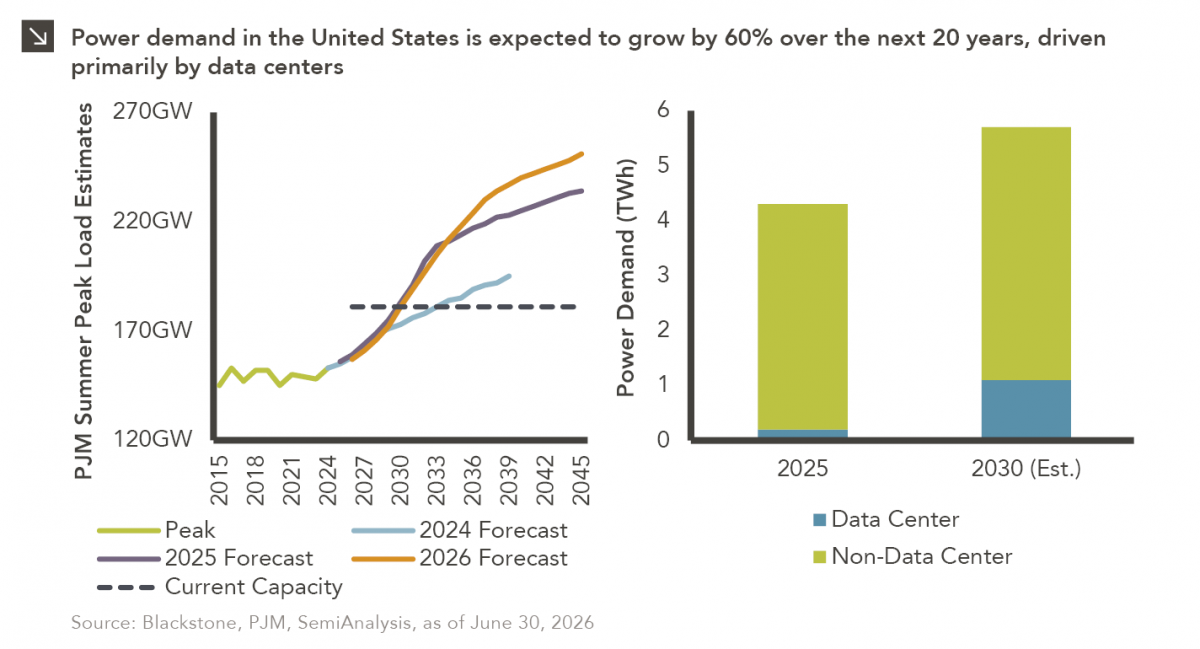
This week’s chart highlights the accelerating growth of electricity demand in the U.S., which has been driven primarily by the…
10.05.2026
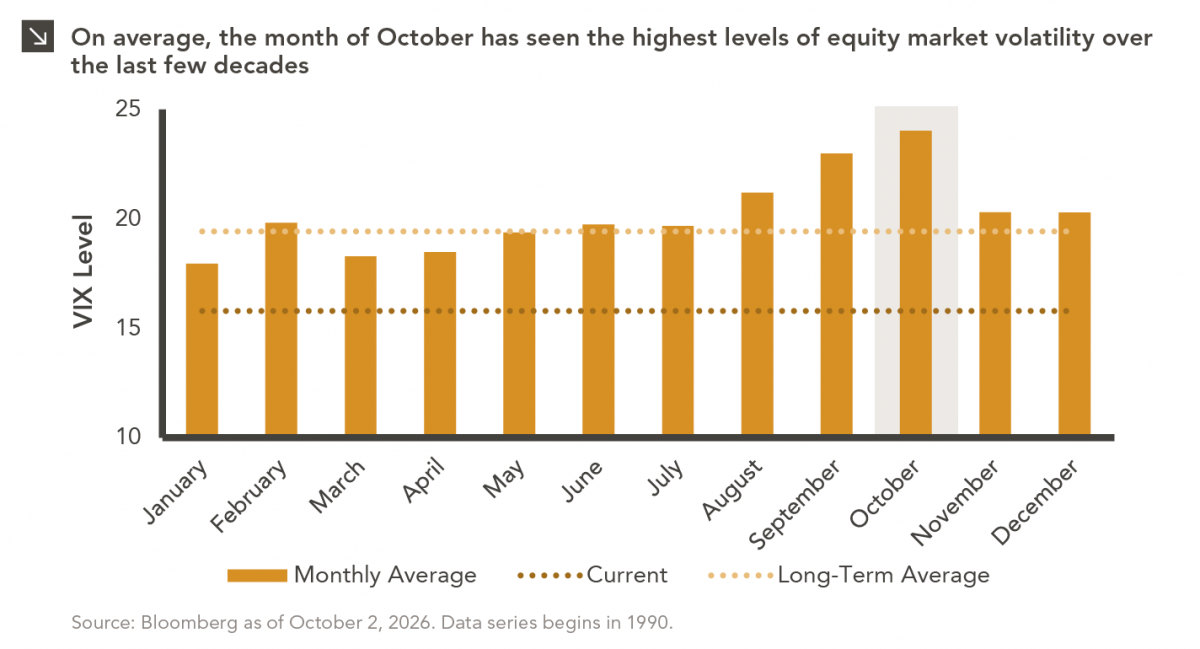
For investors, the spookiest thing about October might not be the ghosts and monsters that are bound to show up…
09.28.2026
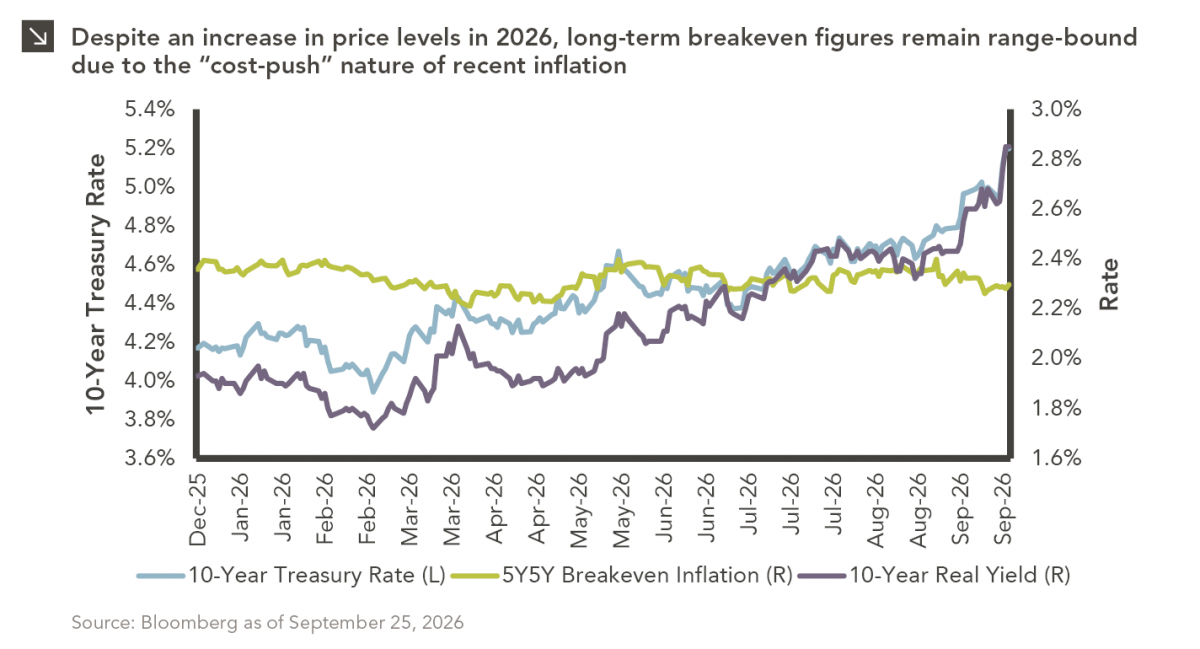
The phrase “expectations of higher inflation” has become a staple in financial news to explain the increase in nominal U.S….
Research alerts keep you updated on our latest research publications. Simply enter your contact information, choose the research alerts you would like to receive and click Subscribe. Alerts will be sent as research is published.
We respect your privacy. We will never share or sell your information.
If you have questions or need further information, please contact us directly and we will respond to your inquiry within 24 hours.
Contact Us >