09.08.2026
EMD’s Second Chance?
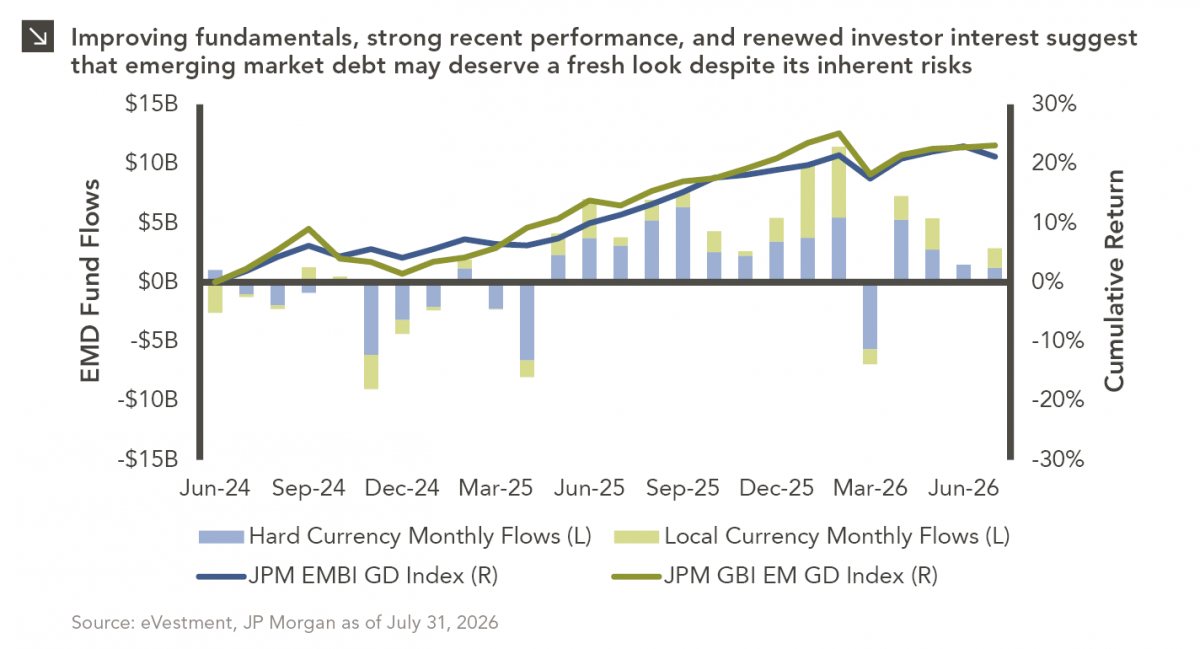
Over the last several years, emerging market debt (EMD) has faced several headwinds, with rising yields across other fixed income…


The U.S. dollar is the strongest it has been in a generation. The U.S. dollar index is up almost 11% this year against a basket of global reserve currencies with the greenback reaching parity with the euro last week for the first time since 2002. Like many things in financial markets, interest rates tend to be one of the most significant drivers of currency valuation, specifically the interest rate differentials between global central banks. As the Federal Reserve has pivoted to a more hawkish stance to tame decades-high inflation, other central banks, including the ECB and BOJ, have been slower to respond. When capital can flow freely, investors tend to flock to higher-yielding assets as interest rates rise, which leads to appreciation of the higher-interest rate country’s financial account and increases demand for the domestic currency — in this case, the U.S. dollar.
The Japanese yen is down roughly 16% year-to-date and is the worst performing major currency relative to the U.S. dollar. In an effort to fight decades-long deflation, the Bank of Japan has committed to holding down short-term interest rates, resulting in significant currency devaluation. Japan is the largest foreign holder of U.S. Treasuries, with $1.3 trillion as of January 2022. As the U.S. dollar strengthens, it becomes more expensive for Japan to continue to purchase on-the-run Treasury issuances, which could put further upward pressure on U.S. rates at the same time the Fed is lifting the benchmark fed funds rate and engaging in quantitative tightening. The question of what will happen when the two largest buyers of U.S. Treasuries — the Federal Reserve and the Bank of Japan — both remove liquidity from the market is another unknown that could add to market volatility in the near term.
Print PDF > The Currency Conundrum
The opinions expressed herein are those of Marquette Associates, Inc. (“Marquette”), and are subject to change without notice. This material is not financial advice or an offer to purchase or sell any product. Marquette reserves the right to modify its current investment strategies and techniques based on changing market dynamics or client needs.
09.08.2026
Over the last several years, emerging market debt (EMD) has faced several headwinds, with rising yields across other fixed income…
08.31.2026
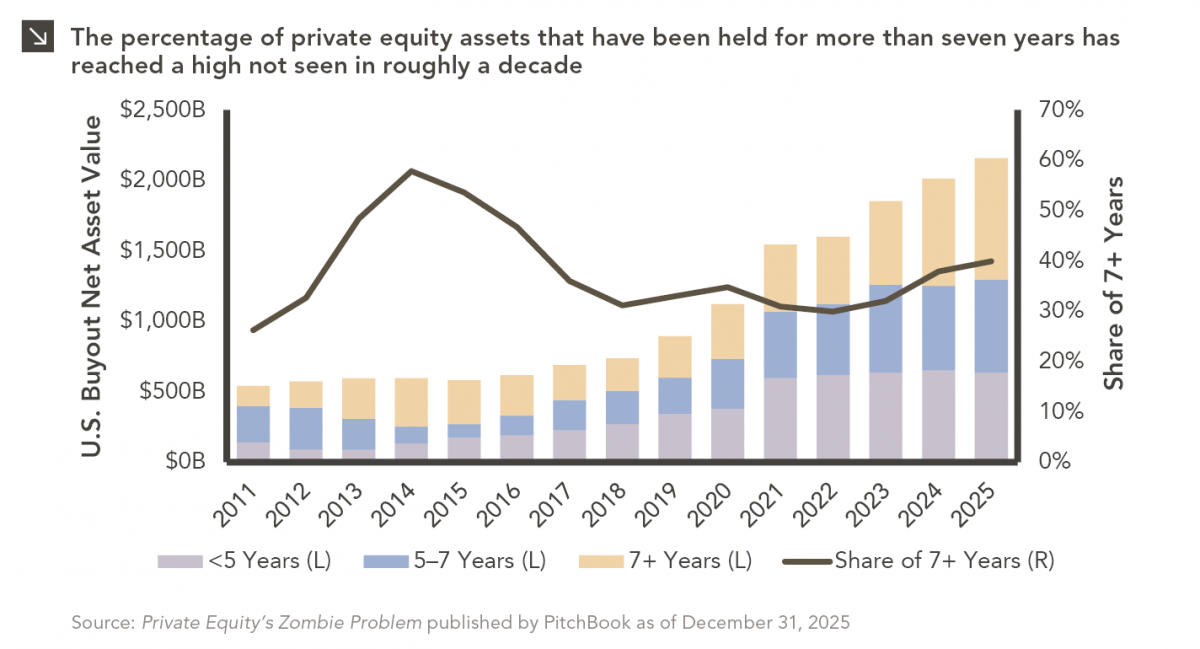
Private equity has always had a few portfolio companies that refused to leave the party. Today, however, the industry appears…
08.24.2026
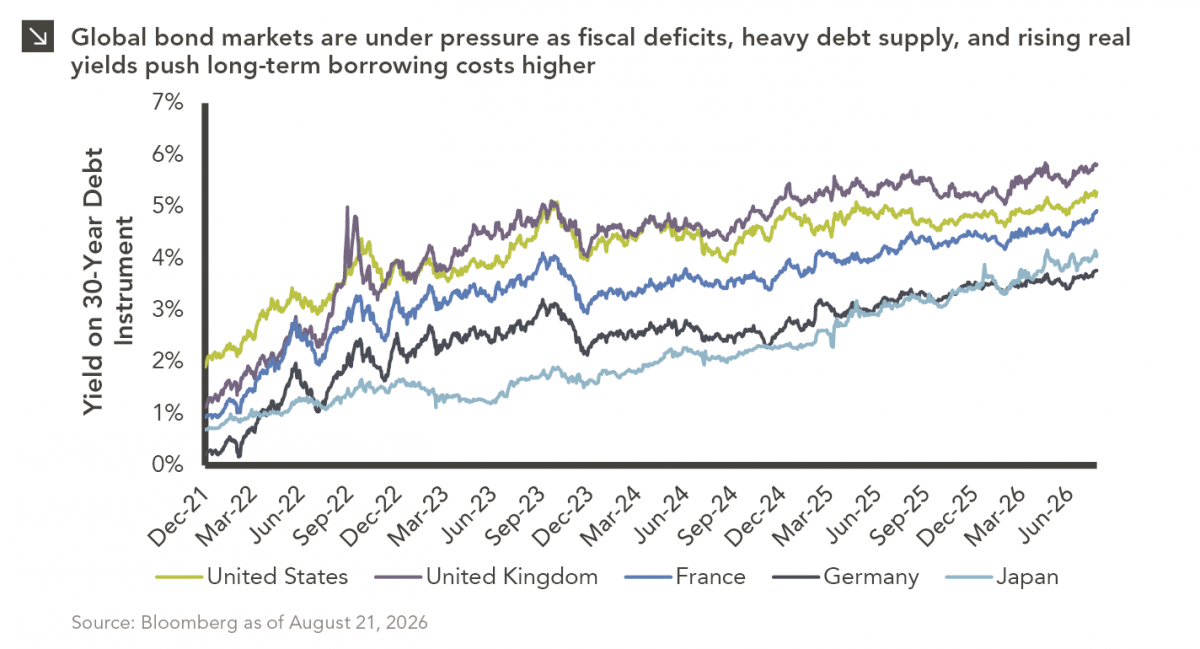
The global bond market is facing renewed pressure as investors demand higher yields to hold long-dated government debt, pushing borrowing…
08.17.2026
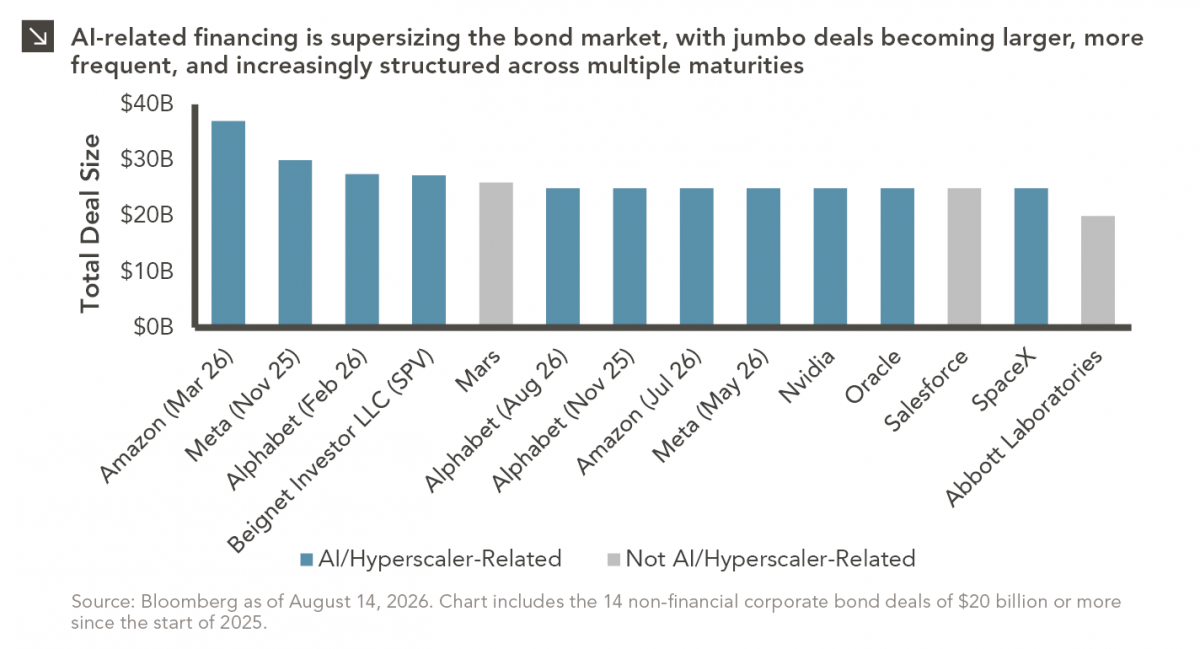
As a college football player struggling to put on mass, the “supersizing” deal at McDonald’s was hard to beat. For…
08.10.2026
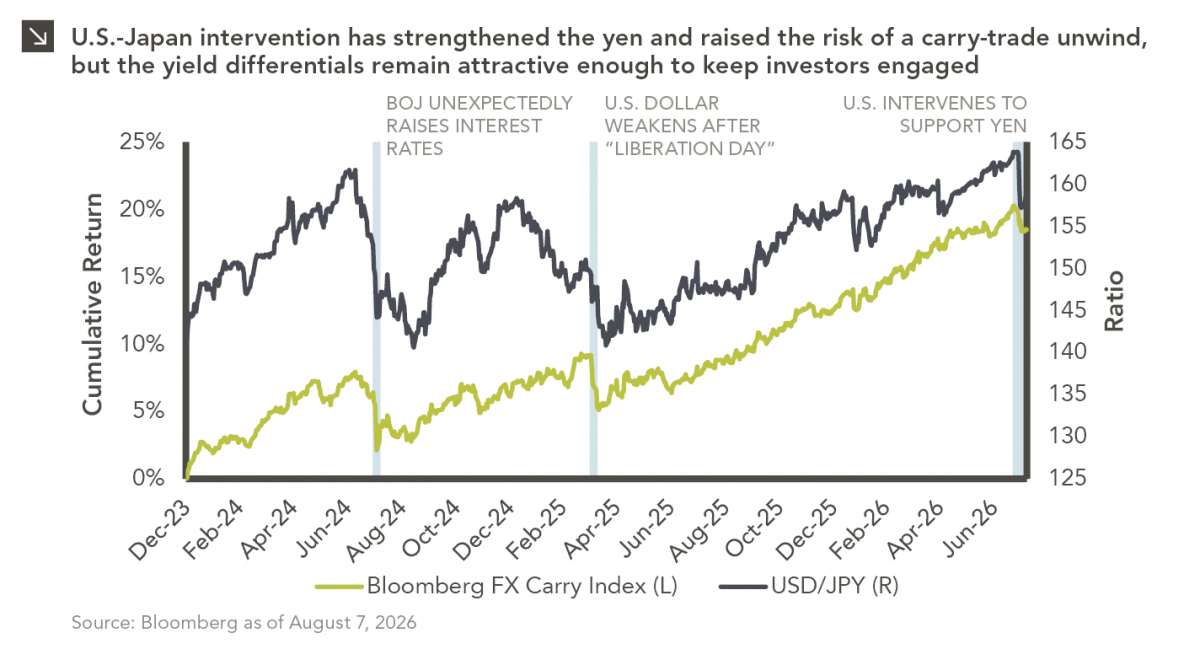
After reaching nearly ¥164 per dollar, its weakest level in roughly four decades, the yen had become a source of…
08.03.2026
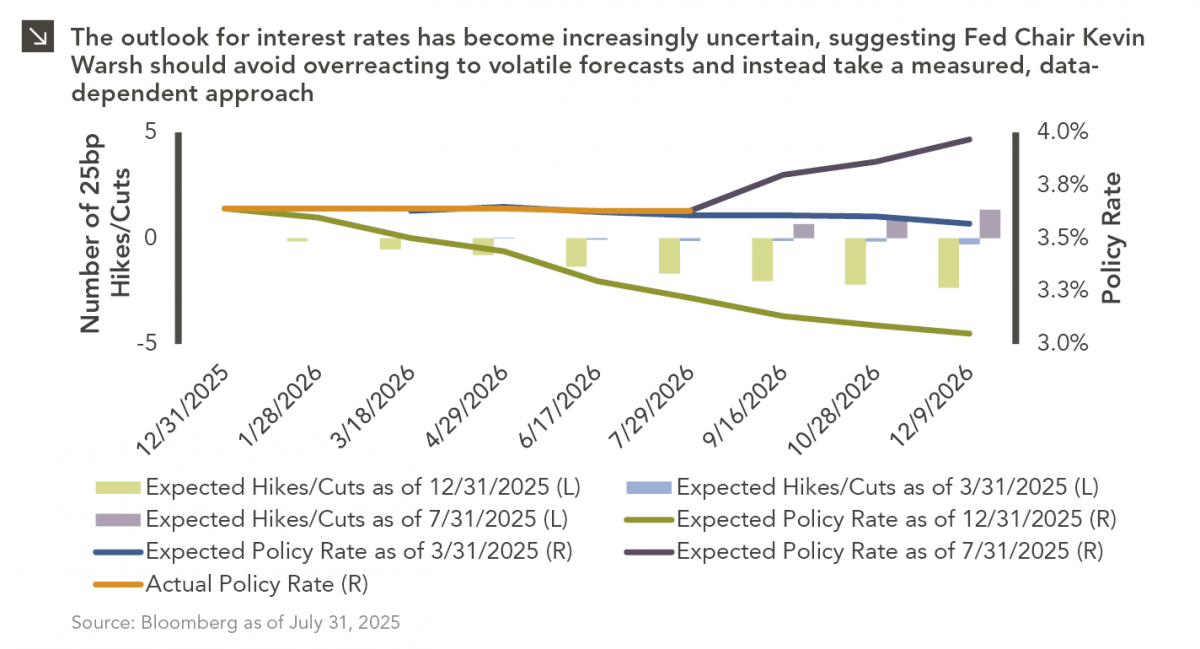
In the cinematic masterpiece Rocky IV, Rocky gets dazed by his opponent, Captain Ivan Drago, and complains that he sees…
Research alerts keep you updated on our latest research publications. Simply enter your contact information, choose the research alerts you would like to receive and click Subscribe. Alerts will be sent as research is published.
We respect your privacy. We will never share or sell your information.
If you have questions or need further information, please contact us directly and we will respond to your inquiry within 24 hours.
Contact Us >