Evan Frazier, CFA, CAIA
Senior Research Analyst


With movie awards season around the corner, some entertainment pundits may use the term “category fraud” to describe races in which an individual has been nominated for an ill-suited honor instead of one that more accurately describes the work in question (e.g., best actor vs. best supporting actor). The concept of category fraud can be applied to the investment world as well, specifically as it relates to certain index constituents potentially not reflecting the attributes of the indices in which they are held. In recent time, some investors have questioned whether China’s roughly 30% weighting in the MSCI Emerging Markets Index, a commonly used benchmark that tracks the space, is an example of category fraud, given the size of the nation’s economy and its robust growth over the last several decades. To investigate the extent to which China is guilty of such “fraud,” it is necessary to examine the construction methodology of the index provider in question.
In order to create its indices, MSCI evaluates countries around the world on an annual basis to determine whether they should be classified as developed, emerging, frontier, or standalone markets. When doing so, the provider aims to strike a balance between a country’s economy and the accessibility of its market, while at the same time preserving index stability. MSCI’s classification framework consists of three criteria: economic development, size and liquidity, and market accessibility. In order to be classified in a given investment universe, a country must meet the requirements of all three criteria as detailed in this week’s chart.
It does not take long for China to fall short of the requirements established by MSCI for being classified as a developed market country. As it relates to the economic development standard, the most recent World Bank high income threshold is a gross national income (“GNI”) per capita of $13,846, meaning that China would need to have posted a GNI per capita of more than $17,307 (25% above the threshold) in each of the last three years to be considered developed. However, China has never recorded such a figure in its entire history, with the nation’s highest-ever GNI per capita of just $12,850 coming in the last year. Interestingly, according to the World Bank, more than 60 nations notched higher GNI per capita figures in 2022, including other emerging market countries like Chile, Greece, Hungary, Poland, and the United Arab Emirates. These data points underscore the notion that while China has certainly emerged as an economic giant on the world’s stage, a significant portion of its vast population still has yet to achieve the same standard of living as individuals in more advanced nations. While several large Chinese companies like Alibaba, Baidu, Meituan, PDD, and Tencent meet the developed market size and liquidity requirements established by MSCI, the market accessibility criteria represent additional areas where China may fall short of developed standards. These criteria are admittedly more qualitative and subjective than the ones detailed above, however, it could be easily argued that China’s authoritarian government renders its economic and business landscape less efficient, open, and stable than those of developed countries. Examples of this dynamic include Beijing’s recent regulatory crackdown on major technology companies that led to significant value destruction, as well as the country’s history of limiting capital flows and foreign ownership.
As it relates to the charge of category fraud that some have brought against China concerning its inclusion in the MSCI Emerging Markets Index, many readers may be inclined to return a verdict of not guilty in light of the information presented above. Indeed, China still has some distance to go, particularly along GNI per capita and regulatory policy lines, to be considered by MSCI and other classifiers as a developed market, and slowing economic growth and geopolitical tensions with Western countries could inhibit this progression in the near term. Marquette will continue to monitor China’s trajectory along these lines, as well as any updates to the market classification standards established by the major security index providers.
Print PDF
The opinions expressed herein are those of Marquette Associates, Inc. (“Marquette”), and are subject to change without notice. This material is not financial advice or an offer to purchase or sell any product. Marquette reserves the right to modify its current investment strategies and techniques based on changing market dynamics or client needs.
09.21.2026
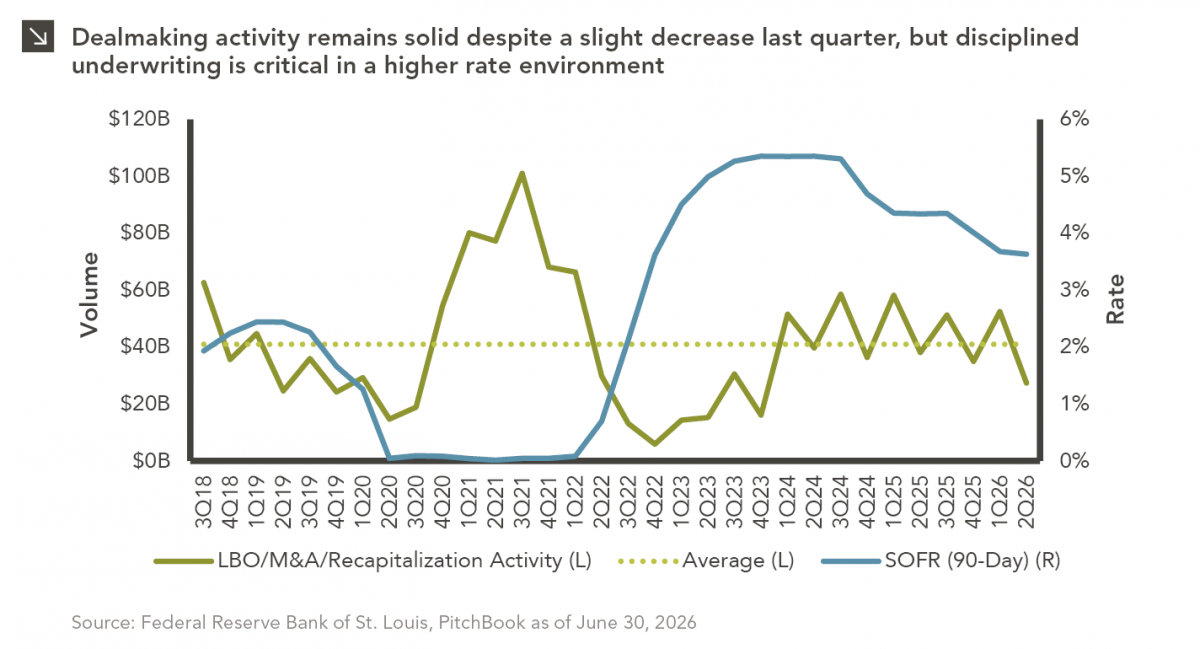
For much of the past several years, the conventional view has been that higher interest rates and stretched valuations would…
09.14.2026
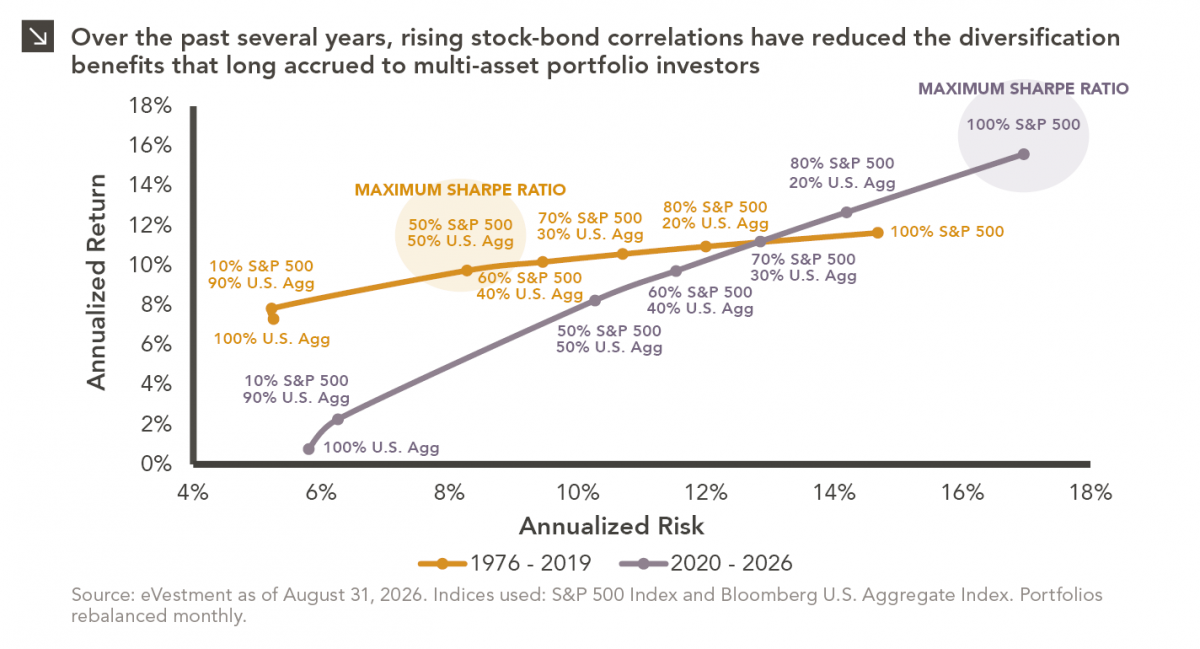
There are many great things about working at Marquette Associates, but “Free Lunch Tuesday” is right at the top of…
09.08.2026
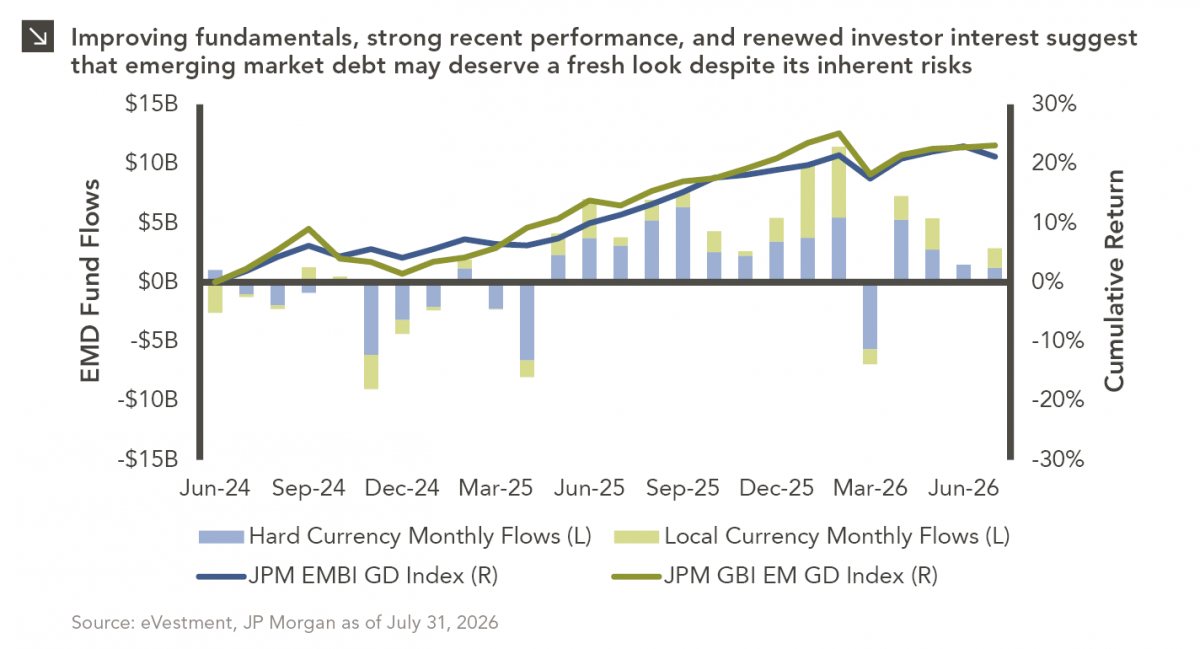
Over the last several years, emerging market debt (EMD) has faced several headwinds, with rising yields across other fixed income…
08.31.2026
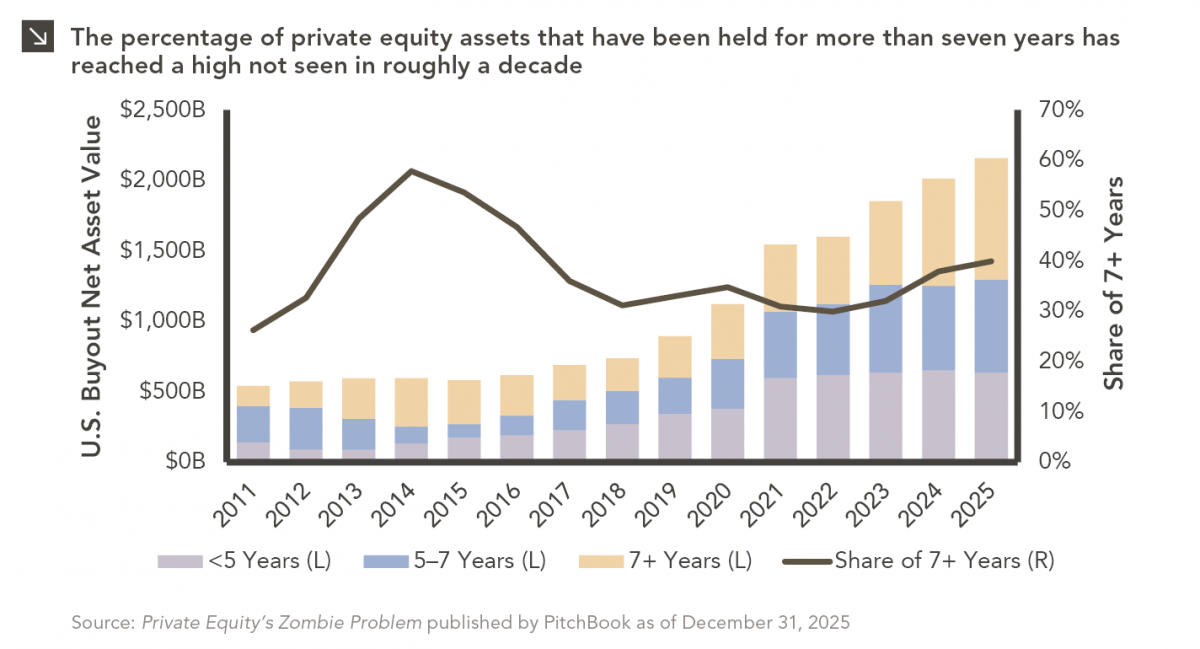
Private equity has always had a few portfolio companies that refused to leave the party. Today, however, the industry appears…
08.24.2026
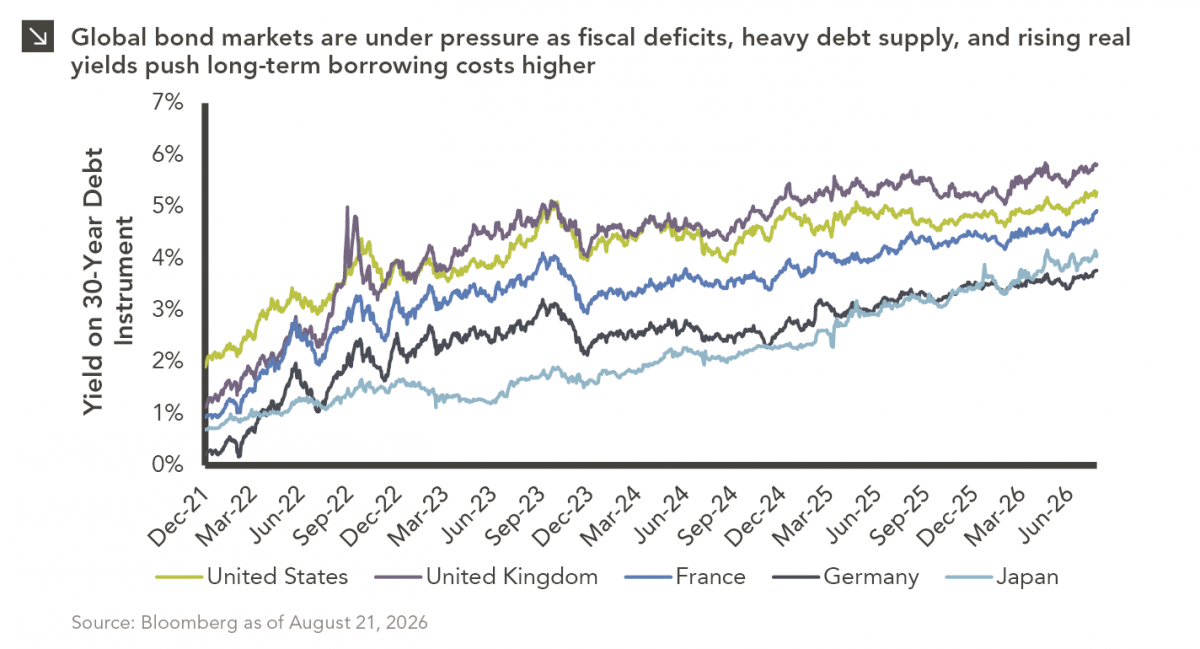
The global bond market is facing renewed pressure as investors demand higher yields to hold long-dated government debt, pushing borrowing…
08.17.2026
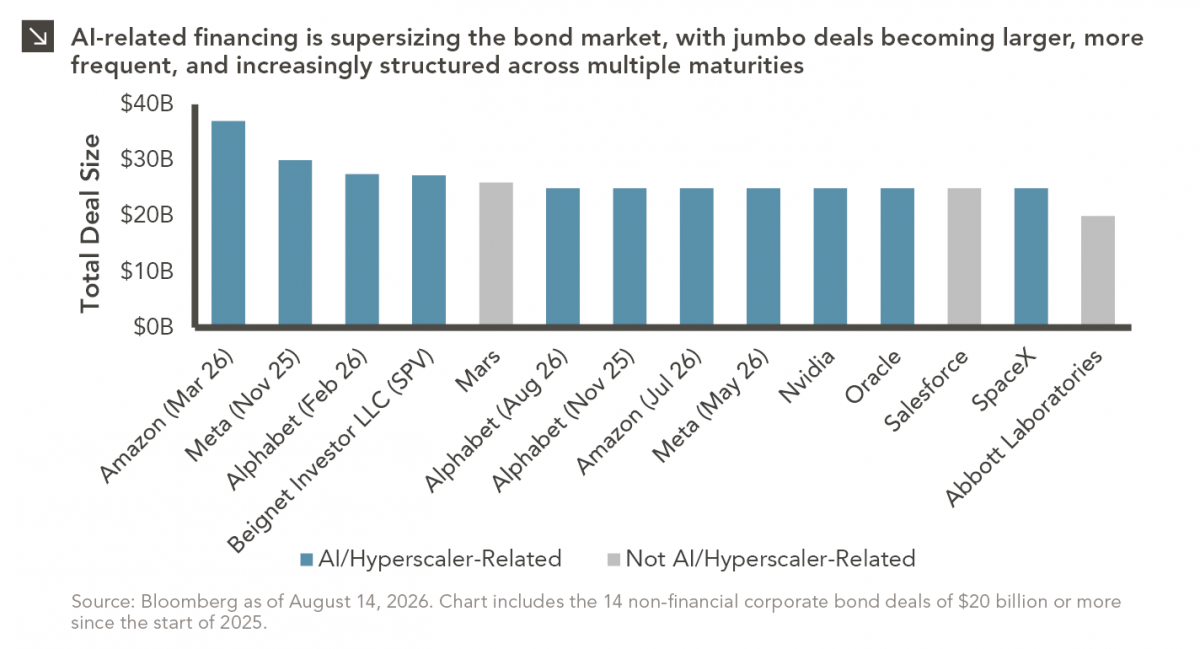
As a college football player struggling to put on mass, the “supersizing” deal at McDonald’s was hard to beat. For…
Research alerts keep you updated on our latest research publications. Simply enter your contact information, choose the research alerts you would like to receive and click Subscribe. Alerts will be sent as research is published.
We respect your privacy. We will never share or sell your information.
If you have questions or need further information, please contact us directly and we will respond to your inquiry within 24 hours.
Contact Us >