Chad Sheaffer, CFA, CAIA
Associate Director of Private Credit


Interest in private credit has grown considerably in recent years and the asset class has moved from a relatively small or non-existent allocation in institutional portfolios to a multi-trillion dollar market accessed by a wide variety of investors. Demand for private credit remains high, but the rapid growth of this space has sparked debates about potential bubbles and whether underwriting standards have diminished given intense competition among lenders. However, recent survey results indicate that underwriting standards may actually be more conservative today than in prior years, highlighting increased caution with regard to both borrower leverage and required levels of equity within borrower capital structures.
Based on a survey conducted by Proskauer capturing responses from 178 senior-level private credit executives, lenders have reduced the maximum level of leverage they are willing to underwrite in private credit deals in recent years. In 2021, more than 68% of lenders to U.S. corporate borrowers were willing to underwrite deals with more than 6.0x leverage, as measured by borrower debt-to-EBITDA. That figure increased to over 82% of U.S. lenders in 2022 but has since fallen sharply, with now just 45% of lenders willing to underwrite highly leveraged deals. Today, more than 55% of private credit lenders cap deal-level leverage at 6.0x, indicating a shift towards more cautious standards in the current interest rate environment. At the same time, borrowers are now requiring more subordinated equity exposure in the deals they underwrite. Deal equity, often provided by private equity sponsors, represents the amount of equity subordination in a borrower’s capital structure and offers a degree of downside protection for the lender if stress arises for the borrower. In 2021 and 2022, those lenders requiring less than 35% equity in deals represented 18% and 22% of Proskauer survey respondents, respectively. However, the proportion of lenders willing to lend with less than 35% deal equity fell to 13% in 2023 and currently sits at approximately 12%. Conversely, lenders requiring at least 45% equity in deals increased from 25% to 55% over the last three years, again highlighting the trend towards more conservative deal structures.
In summary, given elevated interest rates, lenders are prudently reducing the amount of leverage they are willing to support for corporate borrowers and are also requiring more deal equity. These efforts are largely aimed at enhanced downside protection and reflect increased caution among lenders in response to broader economic conditions. At the asset class level, private credit remains an attractive opportunity set for investors, offering attractive yields, portfolio diversification, and downside protection.
Print PDF
The opinions expressed herein are those of Marquette Associates, Inc. (“Marquette”), and are subject to change without notice. This material is not financial advice or an offer to purchase or sell any product. Marquette reserves the right to modify its current investment strategies and techniques based on changing market dynamics or client needs.

10.22.2026
Anyone who has run a marathon knows the last six miles are brutal — no matter how well the first…
10.19.2026
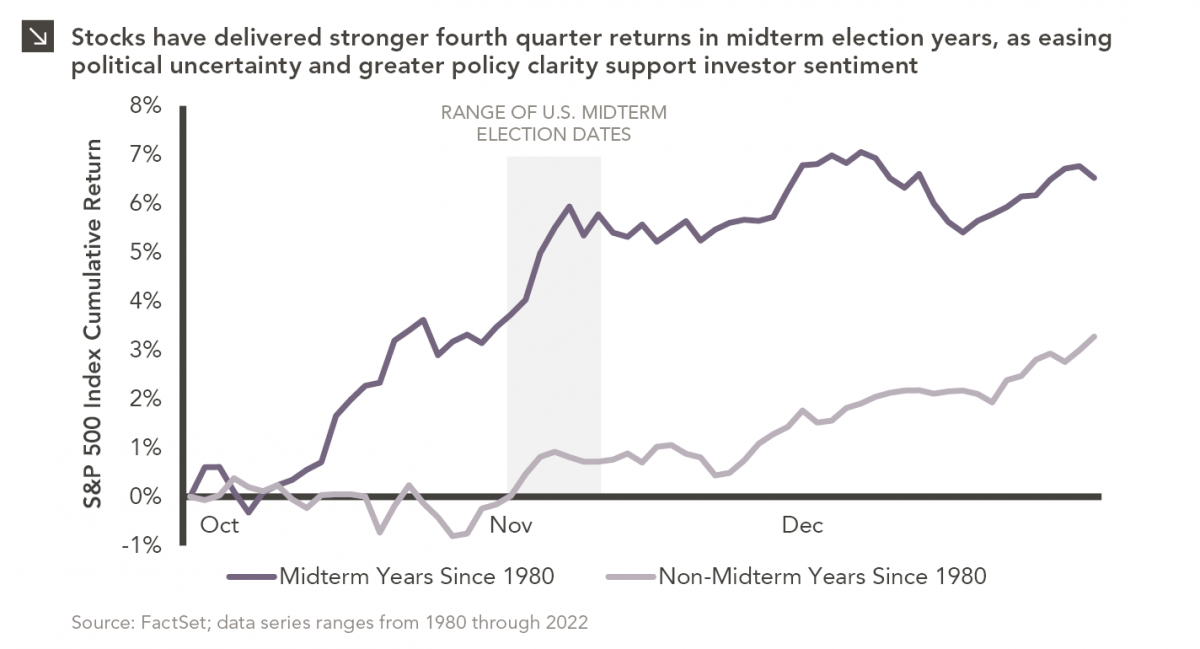
Since 1980, the S&P 500 Index has generally performed well in the weeks surrounding U.S. midterm elections. Specifically, the index…
10.12.2026
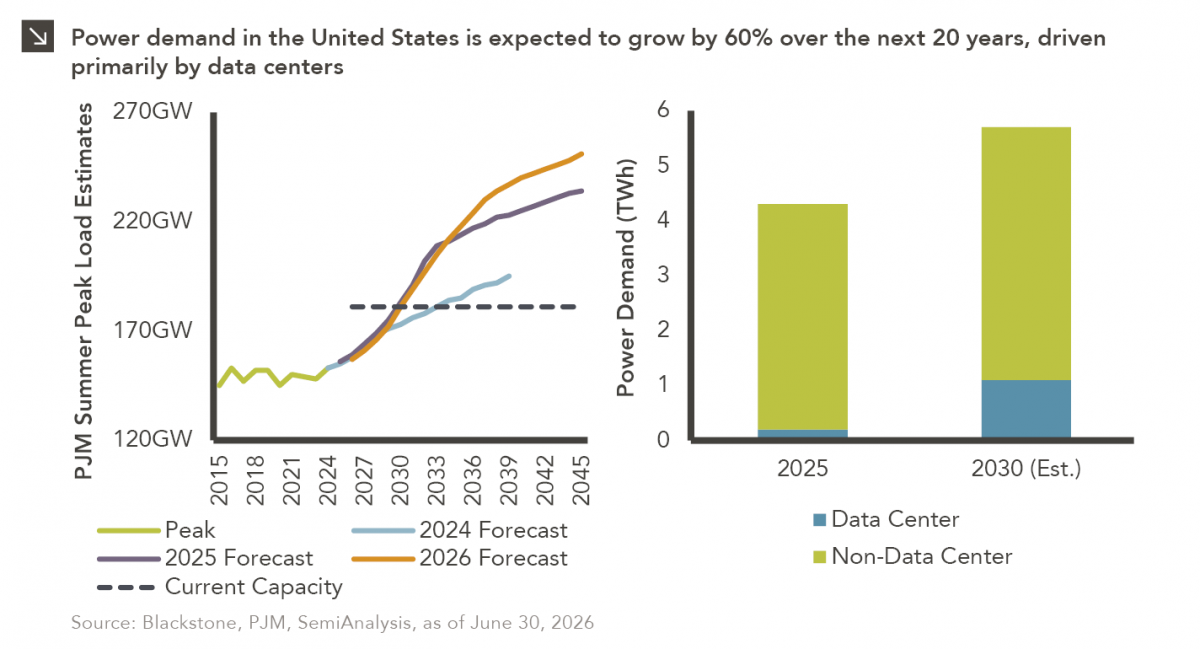
This week’s chart highlights the accelerating growth of electricity demand in the U.S., which has been driven primarily by the…

10.08.2026
LIVE WEBINAR — OCTOBER 22 Please join Marquette’s research team for our 3Q 2026 Market Insights Webinar…
10.05.2026
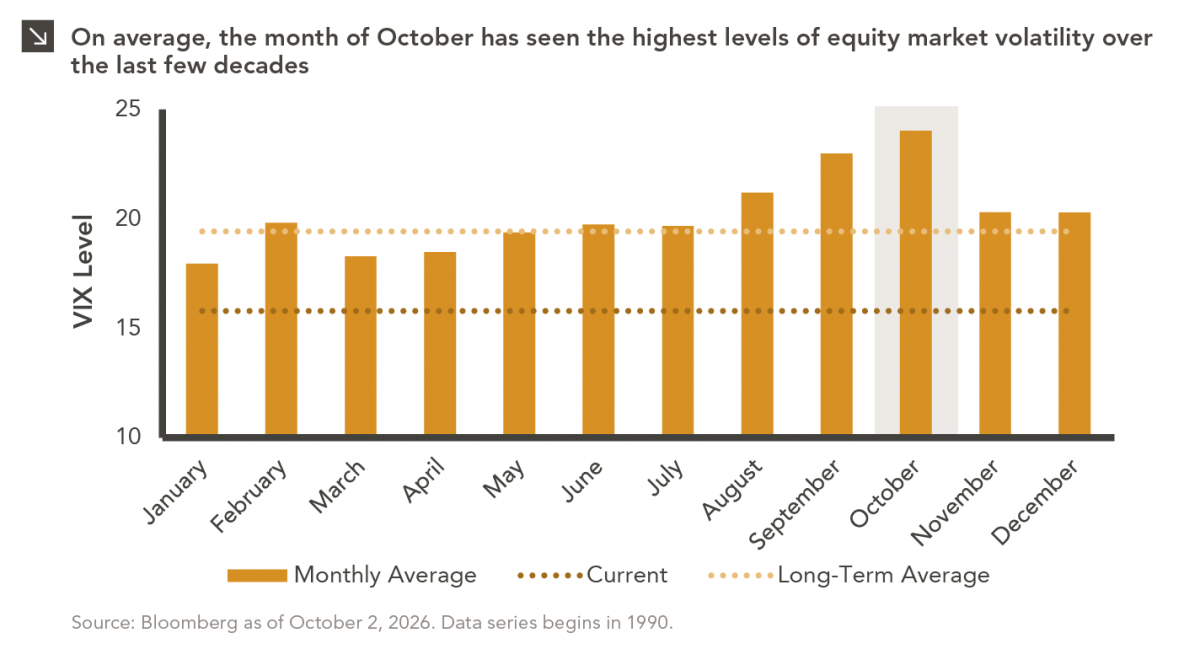
For investors, the spookiest thing about October might not be the ghosts and monsters that are bound to show up…
09.28.2026
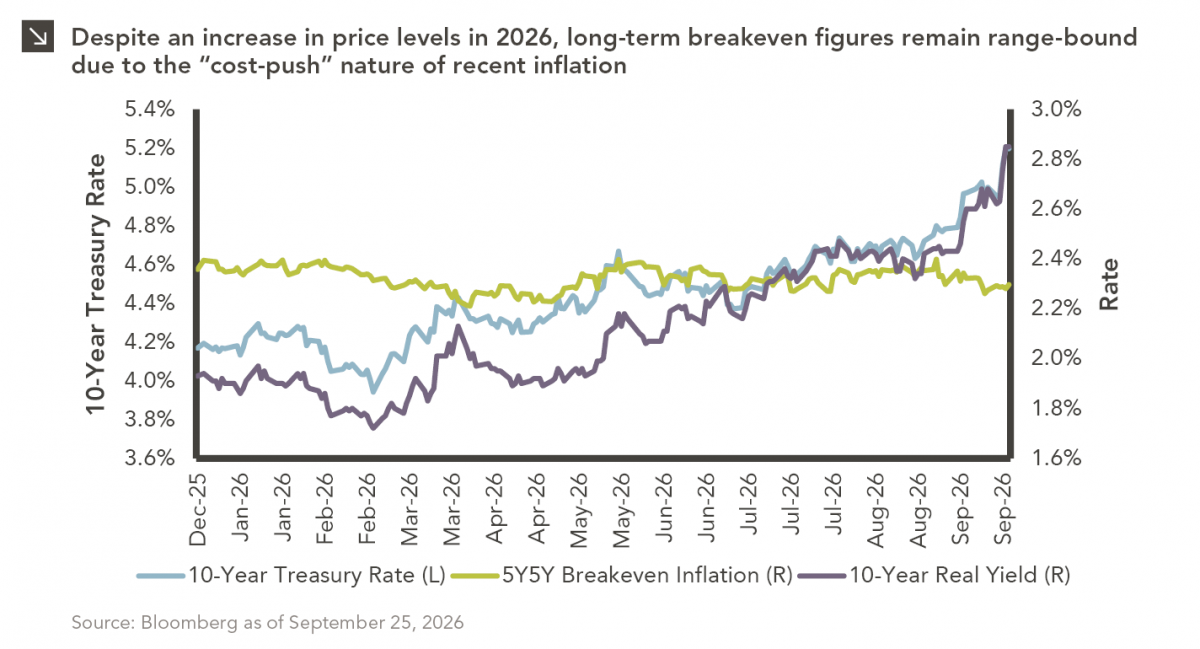
The phrase “expectations of higher inflation” has become a staple in financial news to explain the increase in nominal U.S….
Research alerts keep you updated on our latest research publications. Simply enter your contact information, choose the research alerts you would like to receive and click Subscribe. Alerts will be sent as research is published.
We respect your privacy. We will never share or sell your information.
If you have questions or need further information, please contact us directly and we will respond to your inquiry within 24 hours.
Contact Us >