10.08.2026
3Q 2026 Market Insights
This video is a recording of a live webinar held October 22 by Marquette’s research team analyzing the third quarter…


At the start of this year, economic forecasts called for up to five 25 basis point interest rate cuts by the Federal Reserve throughout 2024 beginning as soon as the first quarter. That said, over the course of the year, these expectations moderated significantly due to stubbornly high inflation, stronger-than-expected economic growth, and a resilient employment landscape. As recently as July, investors expected only two rate cuts before 2025 based on implied probabilities from options markets. Sentiment shifted once again in August, however, after a spike in equity market volatility and weaker labor market data. As can be seen in this week’s chart, investors now anticipate four to five 25 basis point cuts before year-end, with an additional four to five cuts coming in 2025. Should current expectations come to fruition, the effective federal funds rate would fall to below 3% within the next 12 months.
As investors assess the future of Fed policy, it is important to remember that expectations regarding the path of interest rates are often inaccurate, as evidenced by the paragraph above. To that point, a material divergence in current expectations and the actual changes in interest rates over the coming quarters could have an impact on equity and fixed income markets. Investors will gain some clarity on the trajectory of interest rates at next week’s Federal Open Market Committee meeting, which will include a press conference from Chair Jerome Powell and the publication of committee members’ projections of appropriate future rate levels.
Print PDFThe opinions expressed herein are those of Marquette Associates, Inc. (“Marquette”), and are subject to change without notice. This material is not financial advice or an offer to purchase or sell any product. Marquette reserves the right to modify its current investment strategies and techniques based on changing market dynamics or client needs.

10.08.2026
This video is a recording of a live webinar held October 22 by Marquette’s research team analyzing the third quarter…

10.22.2026
Anyone who has run a marathon knows the last six miles are brutal — no matter how well the first…
10.19.2026
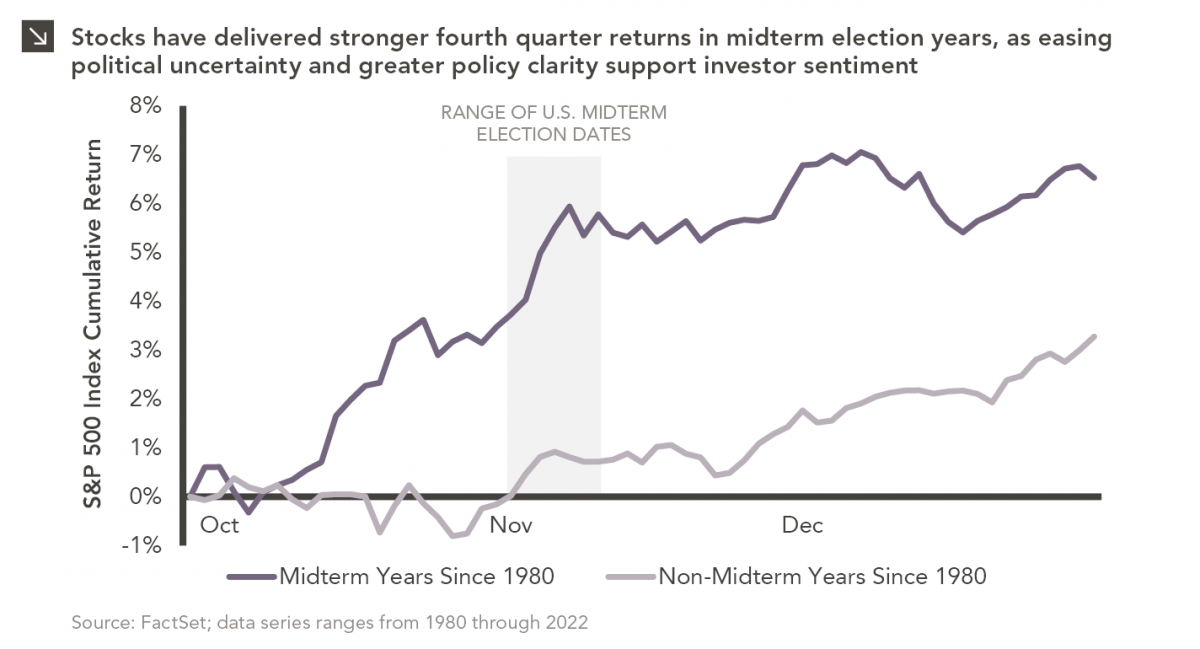
Since 1980, the S&P 500 Index has generally performed well in the weeks surrounding U.S. midterm elections. Specifically, the index…
10.12.2026
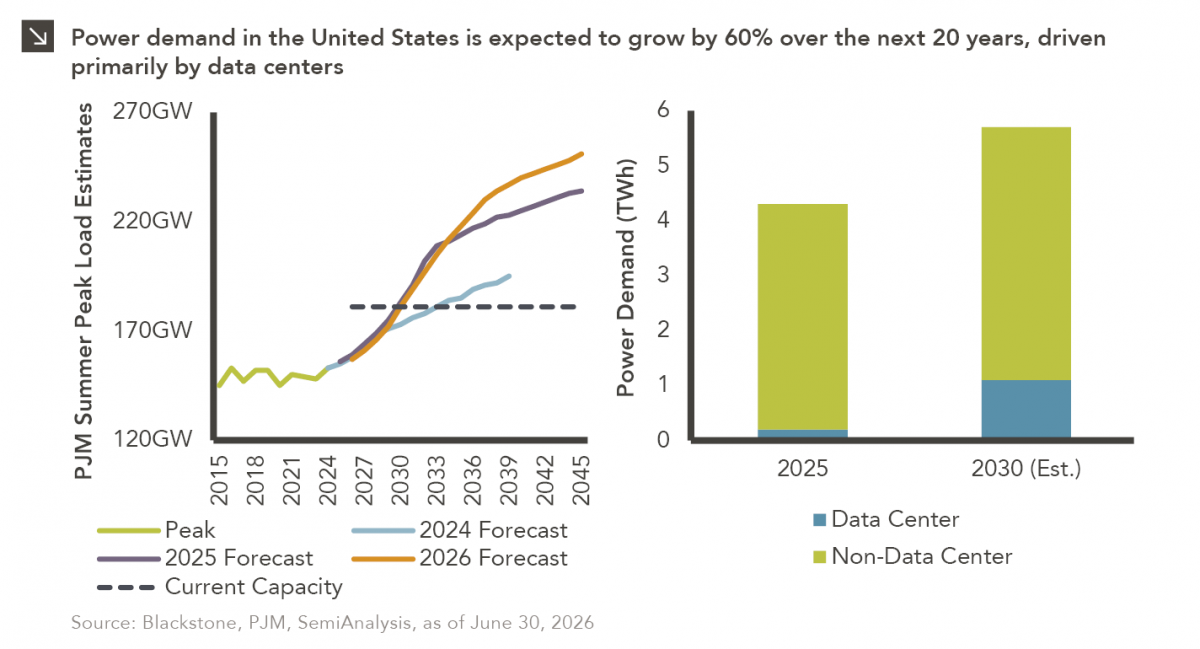
This week’s chart highlights the accelerating growth of electricity demand in the U.S., which has been driven primarily by the…
10.05.2026
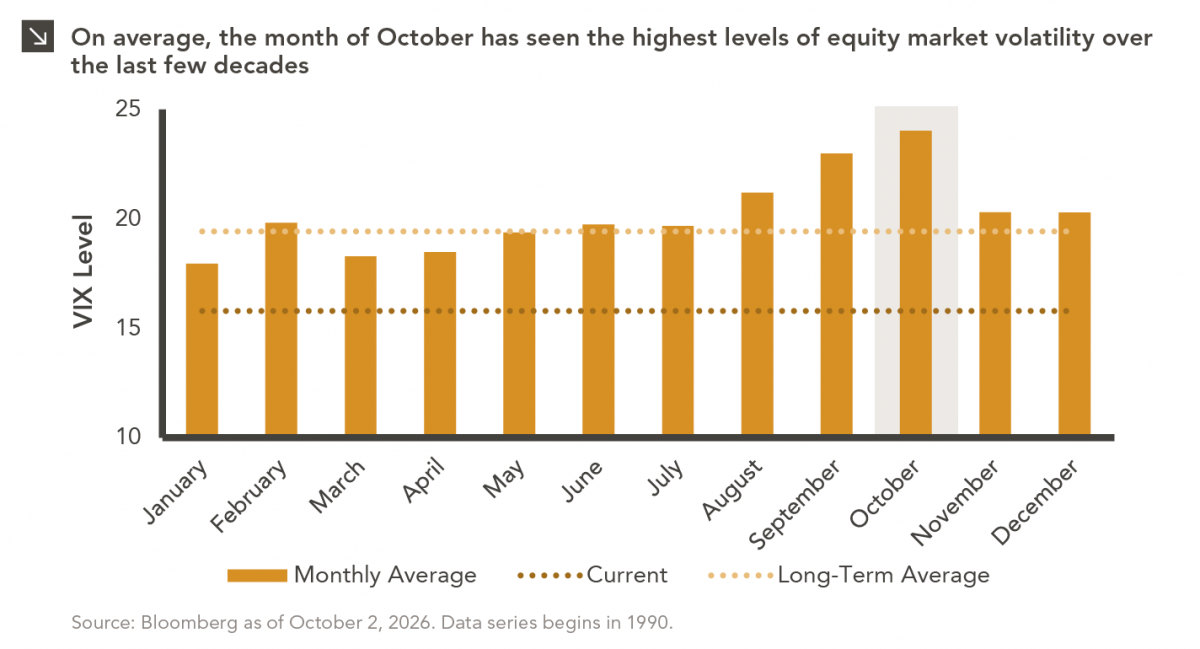
For investors, the spookiest thing about October might not be the ghosts and monsters that are bound to show up…
09.28.2026
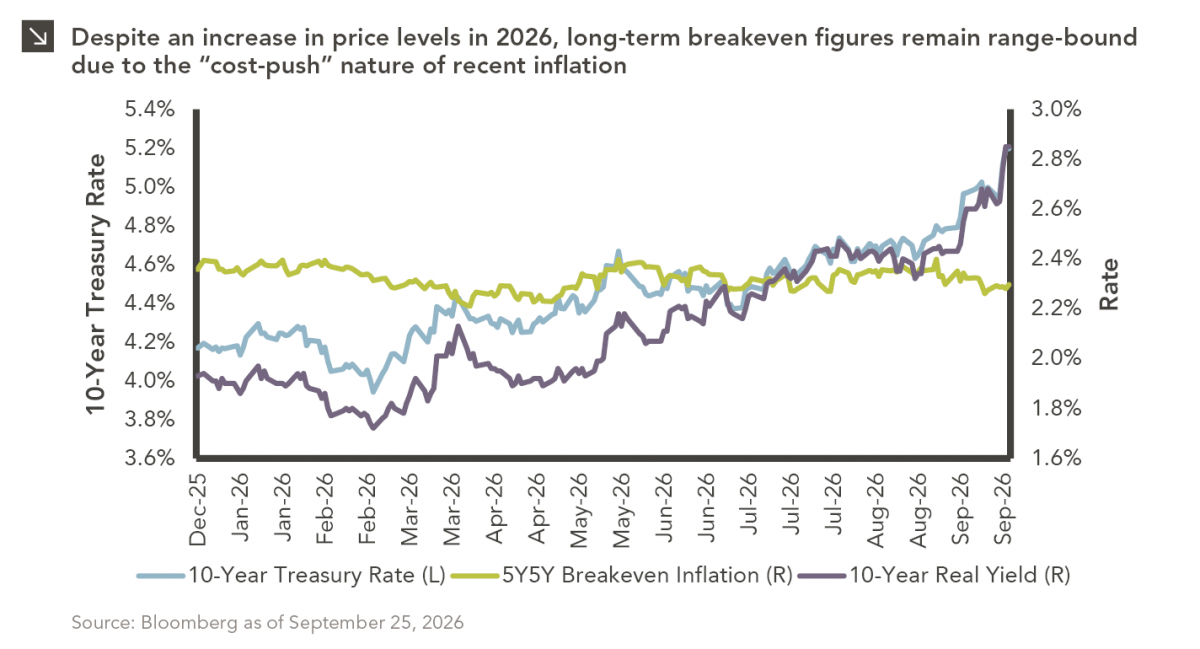
The phrase “expectations of higher inflation” has become a staple in financial news to explain the increase in nominal U.S….
Research alerts keep you updated on our latest research publications. Simply enter your contact information, choose the research alerts you would like to receive and click Subscribe. Alerts will be sent as research is published.
We respect your privacy. We will never share or sell your information.
If you have questions or need further information, please contact us directly and we will respond to your inquiry within 24 hours.
Contact Us >