Frank Valle, CFA, CAIA
Associate Director of Fixed Income


In the weeks leading up to the 2024 presidential election, many thought the contest would be one of the closest in recent memory, with most polls showing a toss-up race between Donald Trump and Kamala Harris. The Economist notably listed a 56% chance of Harris defeating Trump in its final election projection, which relied heavily on traditional polling data. Ultimately, however, the election was not as close as many predicted, with Trump defeating Harris 312-226 by electoral vote count and 50.2% to 48.1% by popular vote count (as of the time of this writing). The discrepancies between polling data and the results of this and other recent contests beg the question: Is there a better way to predict the outcome of elections? Enter the betting markets…
While betting directly on election outcomes is new, indirect betting is not. In 2016, Sam Bankman-Fried (yes, that Sam Bankman-Fried) and Jane Street, a global proprietary trading firm, built robust models that incorporated data all the way down to the county level to help predict the outcome of that year’s election. While the firm could not bet directly on the outcome of the race, it could take positions that the team believed would be profitable based on the model’s projected result. To that point, Jane Street was able to front-run election updates from major media outlets and build a short position in the S&P 500 Index, as the team thought a Trump victory, which their models projected far before the mainstream press, would be negative for markets. While this trade initially showed signs of promise, it ultimately led to some of the biggest losses in the history of the firm as equities turned positive in the wake of Trump’s first electoral victory.
This presidential election cycle provided more opportunities for speculators to bet directly on the outcome of the race, with odds updating by the minute. Shortly after the first presidential debate on June 27, for instance, betting markets exhibited much higher odds of Harris winning the presidency than then-nominee Joe Biden. Then on July 21, Harris replaced Biden at the top of the Democratic ticket, a move forecasted weeks earlier by betting markets. While Harris surged in betting markets in the weeks following this change, Trump became the odds-on favorite to win the contest in the days leading up to election day, with a 54% chance of taking the presidency. Betting odds started moving quickly last week on election night when results began pouring in. Roughly 40 minutes after the first polls closed, betting markets began shifting heavily toward Trump despite the electoral count being just 23-3 in his favor (with 512 electoral votes outstanding). Harris was a longshot bet in a matter of hours despite still having several paths to victory, as betting markets indicated a 95% chance of a Trump victory before midnight. The Associated Press finally called the election for Trump at 5:34am.
Going forward, odds markets may be better predictors of election results than more traditional polling data. This is due to the wisdom of crowds, the incorporation of extensive data in odds calculations, and the fact that people tend to be more honest when betting than they are with pollsters.
Print PDF
The opinions expressed herein are those of Marquette Associates, Inc. (“Marquette”), and are subject to change without notice. This material is not financial advice or an offer to purchase or sell any product. Marquette reserves the right to modify its current investment strategies and techniques based on changing market dynamics or client needs.
10.19.2026
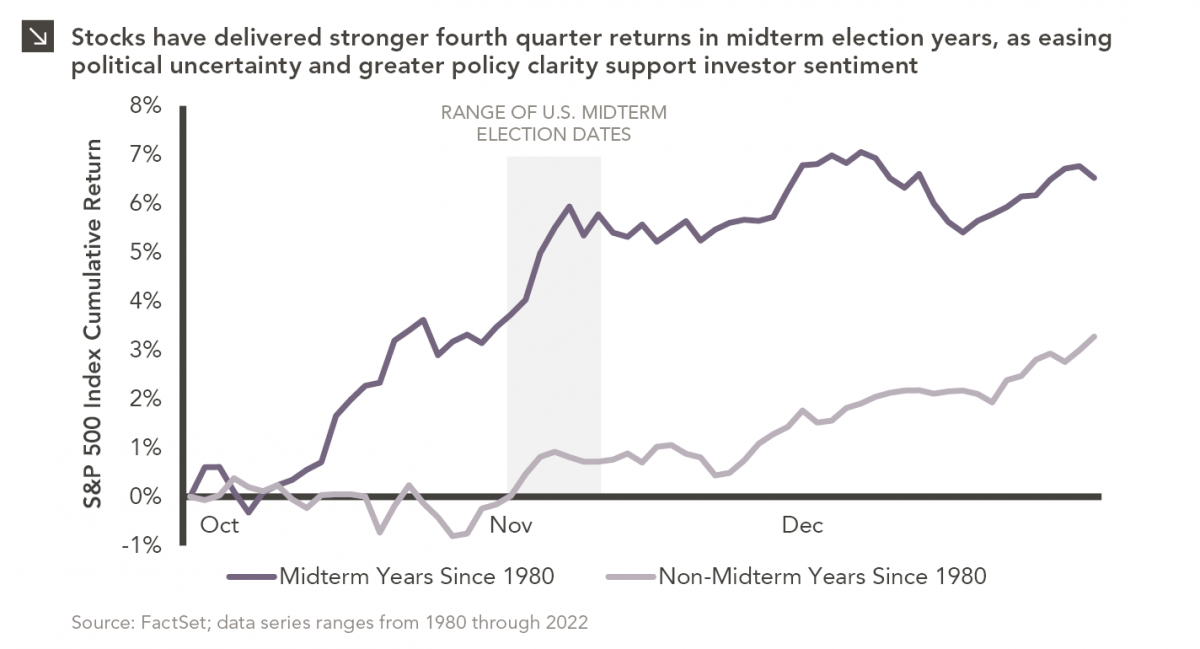
Since 1980, the S&P 500 Index has generally performed well in the weeks surrounding U.S. midterm elections. Specifically, the index…
10.12.2026
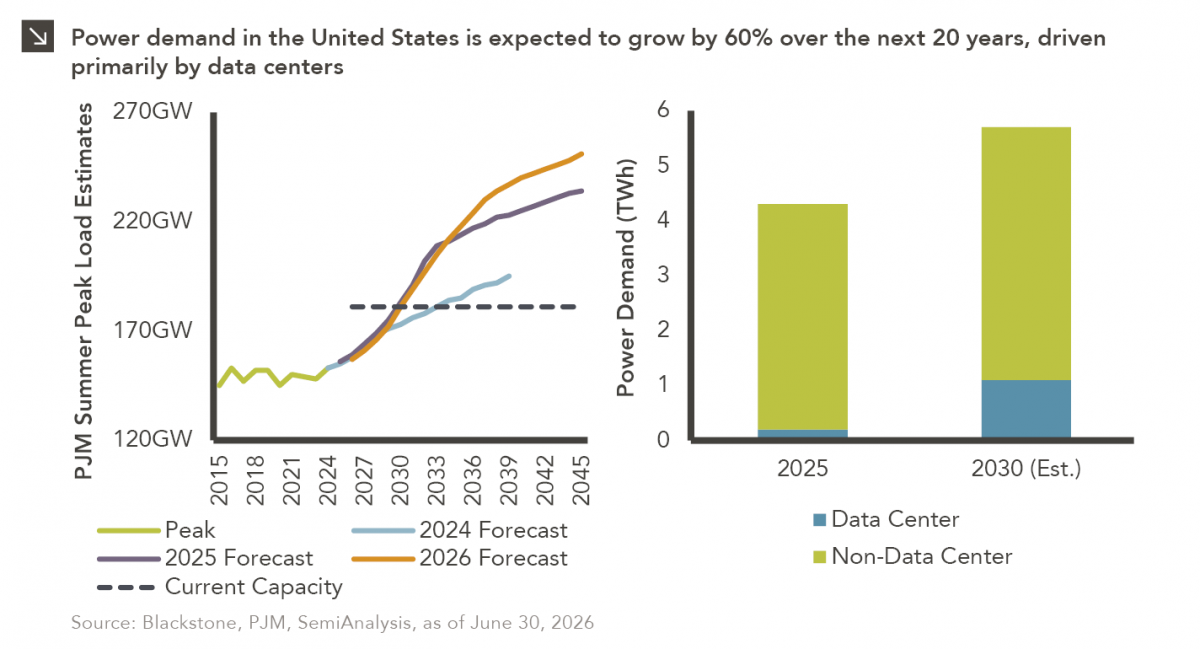
This week’s chart highlights the accelerating growth of electricity demand in the U.S., which has been driven primarily by the…

10.08.2026
LIVE WEBINAR — OCTOBER 22 Please join Marquette’s research team for our 3Q 2026 Market Insights Webinar…
10.05.2026
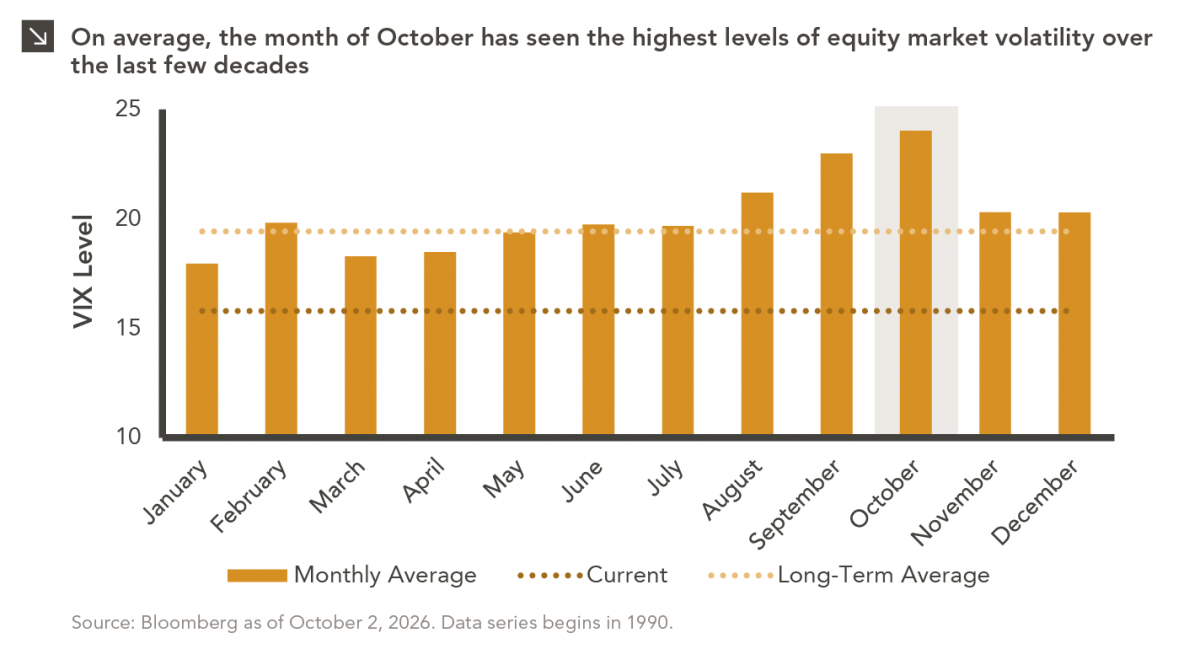
For investors, the spookiest thing about October might not be the ghosts and monsters that are bound to show up…
09.28.2026
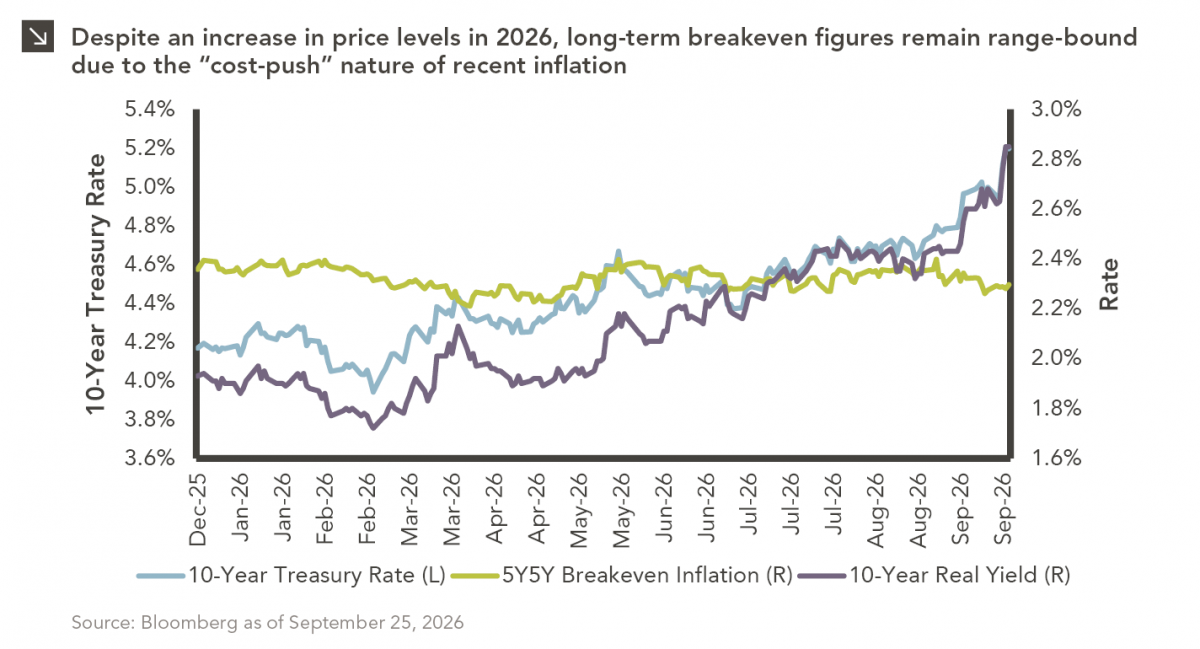
The phrase “expectations of higher inflation” has become a staple in financial news to explain the increase in nominal U.S….
09.21.2026
For much of the past several years, the conventional view has been that higher interest rates and stretched valuations would…
Research alerts keep you updated on our latest research publications. Simply enter your contact information, choose the research alerts you would like to receive and click Subscribe. Alerts will be sent as research is published.
We respect your privacy. We will never share or sell your information.
If you have questions or need further information, please contact us directly and we will respond to your inquiry within 24 hours.
Contact Us >