10.08.2026
3Q 2026 Market Insights
This video is a recording of a live webinar held October 22 by Marquette’s research team analyzing the third quarter…


Institutional investors are constantly searching for additional asset classes that may help diversify a portfolio and enhance returns. Catastrophe (“cat”) bonds may be such an asset class that could help diversify a portfolio’s interest rate, credit/equity and currency risk by providing non-correlating natural event risk. Cat bonds are typically issued by insurance companies that pool property and casualty policies. They pay coupons to the bondholder using the policy premiums received. When a natural event occurs — such as a hurricane or an earthquake — part of the principal of a cat bond may be used to pay the insurance claims on the pool of policies. In other words, the investor is paid to assume a part of the risk associated with natural events. Historically, cat bonds average 5% to 10% return annually.
This paper discusses the benefits of cat bonds and the mechanics of how they work, along with their market size. The characteristics of cat bonds and the types of cat bond strategies will also be examined. The paper will provide details about cat bonds’ merits and risks to help investors make informed decisions about whether to consider this asset class. It will conclude with a discussion of recent and long-term performance.
Read > Catastrophe Bonds White Paper
The opinions expressed herein are those of Marquette Associates, Inc. (“Marquette”), and are subject to change without notice. This material is not financial advice or an offer to purchase or sell any product. Marquette reserves the right to modify its current investment strategies and techniques based on changing market dynamics or client needs.
The opinions expressed herein are those of Marquette Associates, Inc. (“Marquette”), and are subject to change without notice. This material is not financial advice or an offer to purchase or sell any product. Marquette reserves the right to modify its current investment strategies and techniques based on changing market dynamics or client needs.

10.08.2026
This video is a recording of a live webinar held October 22 by Marquette’s research team analyzing the third quarter…

10.22.2026
Anyone who has run a marathon knows the last six miles are brutal — no matter how well the first…
10.19.2026
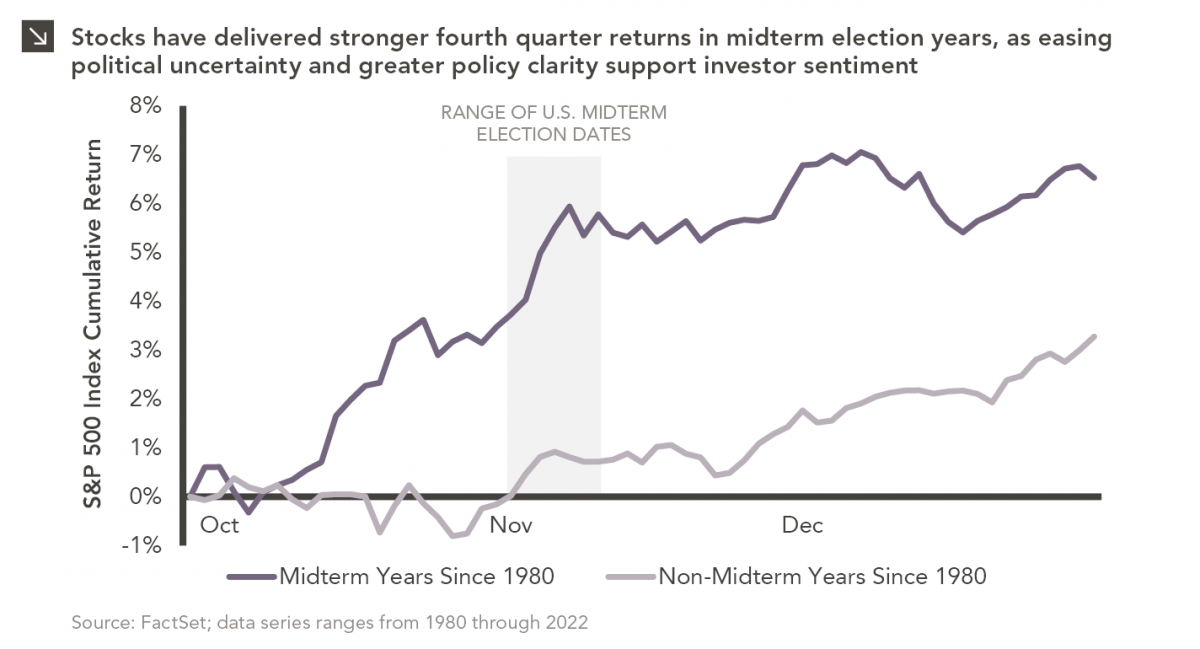
Since 1980, the S&P 500 Index has generally performed well in the weeks surrounding U.S. midterm elections. Specifically, the index…
10.05.2026
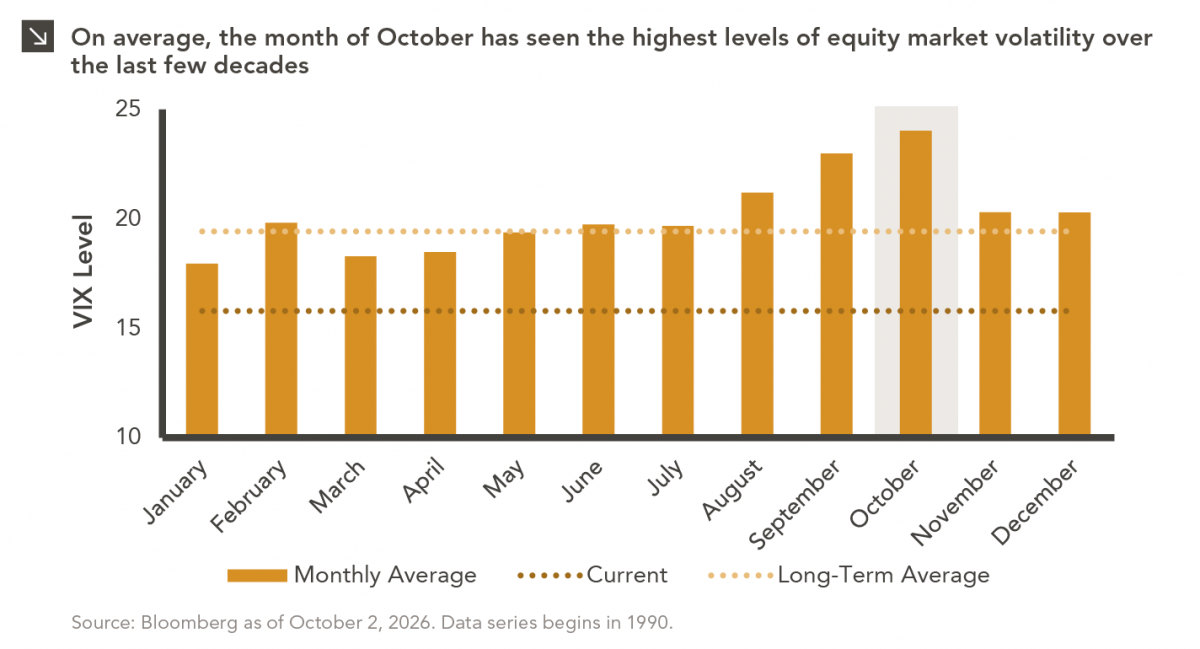
For investors, the spookiest thing about October might not be the ghosts and monsters that are bound to show up…
09.28.2026
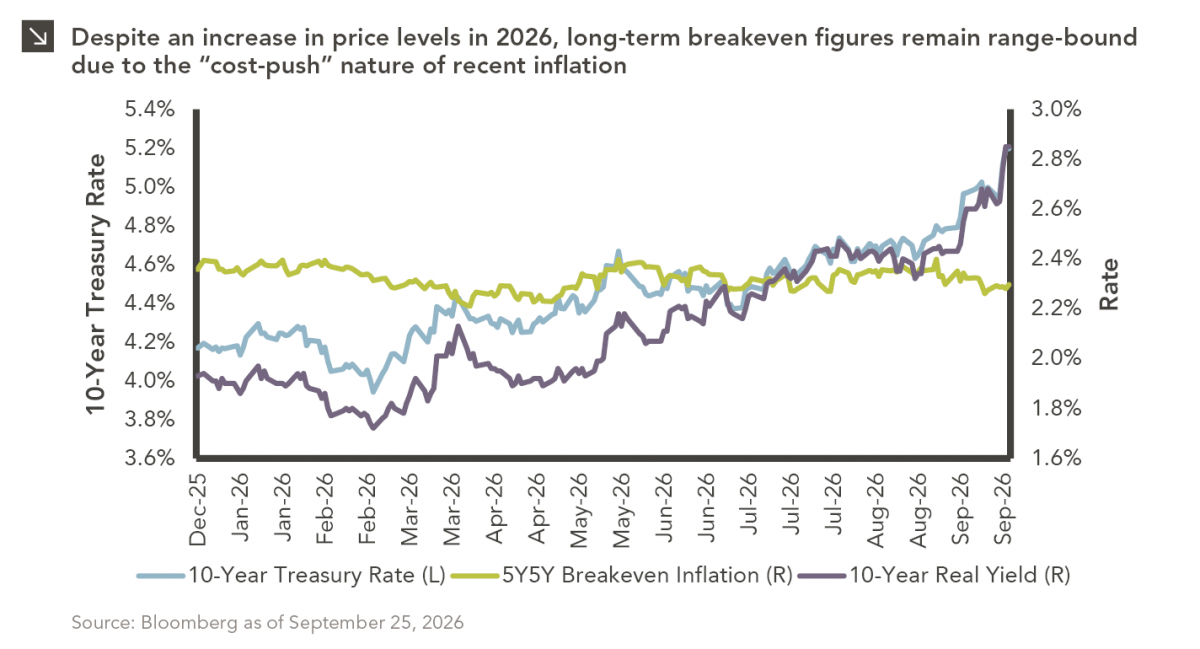
The phrase “expectations of higher inflation” has become a staple in financial news to explain the increase in nominal U.S….
09.15.2026
Over the past decade, continuation vehicles (“CV”) have become one of the fastest-growing trends in private equity. Private equity funds…
Research alerts keep you updated on our latest research publications. Simply enter your contact information, choose the research alerts you would like to receive and click Subscribe. Alerts will be sent as research is published.
We respect your privacy. We will never share or sell your information.
If you have questions or need further information, please contact us directly and we will respond to your inquiry within 24 hours.
Contact Us >