Doug Oest, CAIA
Partner


In an attempt to stimulate economic growth, the Federal Reserve (the “Fed”) has used multiple monetary policy tools in the past few years: reducing short-term interest rates to virtually zero, introducing numerous facilities to stabilize specific areas of the market, and implementing quantitative easing (“QE”) programs. Announced in late 2008, the first round of quantitative easing (“QE1”) involved the purchase of $100 billion of government sponsored entity obligations and $500 billion of mortgage backed securities. After its effectiveness was reconsidered, QE1 was expanded in March 2009 with the Fed purchasing $1.25 trillion in mortgage backed securities and up to $300 billion of longer term Treasury securities. This massive increase in the Fed’s balance sheet is evident in the chart above, which depicts the securities held outright by the Fed – along with movement of the S&P 500 Index – since 2007. The equity markets rallied more than 50% from the inception of QE1 to its completion; however, once QE1 purchases stopped and the market experienced several troubling issues including riots in Greece and the “Flash Crash” of May 6, 2010, the equity markets experienced a sharp pullback.
In late August 2010, Fed Chairman Ben Bernanke hinted at a second round of quantitative easing (“QE2”) during a speech in Jackson Hole, Wyoming. After the official announcement of an additional $600 billion in longer term Treasury purchases, Chairman Bernanke wrote about QE2 in an op-ed piece for the Washington Post. He noted that QE programs have “eased financial conditions in the past and, so far, look to be effective again. Stock prices rose and long-term interest rates fell when investors began to anticipate this additional action”. He continued, “Higher stock prices will boost consumer wealth and help increase confidence, which can also spur spending. Increased spending will lead to higher incomes and profits that, in a virtuous circle, will further support economic expansion”. Since the Jackson Hole speech in August 2010, the equity markets rallied nearly 30% through the end of April, 2011.
However, with the culmination of QE2 approaching at the end of June, a recent round of subpar economic news and a decline in the equity markets that erased nearly all of 2011’s year-to-date gains, eyes have turned backed to the Fed to see if additional policy measures will be implemented. During his speech on June 7th, Chairman Bernanke failed to hint of another round of QE as he did in his Jackson Hole speech. Following the speech, several major financial institutions, including Goldman Sachs, JP Morgan, and PIMCO, have stated that the Fed is unlikely to initiate another round of QE, which would leave the markets without ongoing support from the Fed for the second time in nearly three years.

The opinions expressed herein are those of Marquette Associates, Inc. (“Marquette”), and are subject to change without notice. This material is not financial advice or an offer to purchase or sell any product. Marquette reserves the right to modify its current investment strategies and techniques based on changing market dynamics or client needs.
09.28.2026
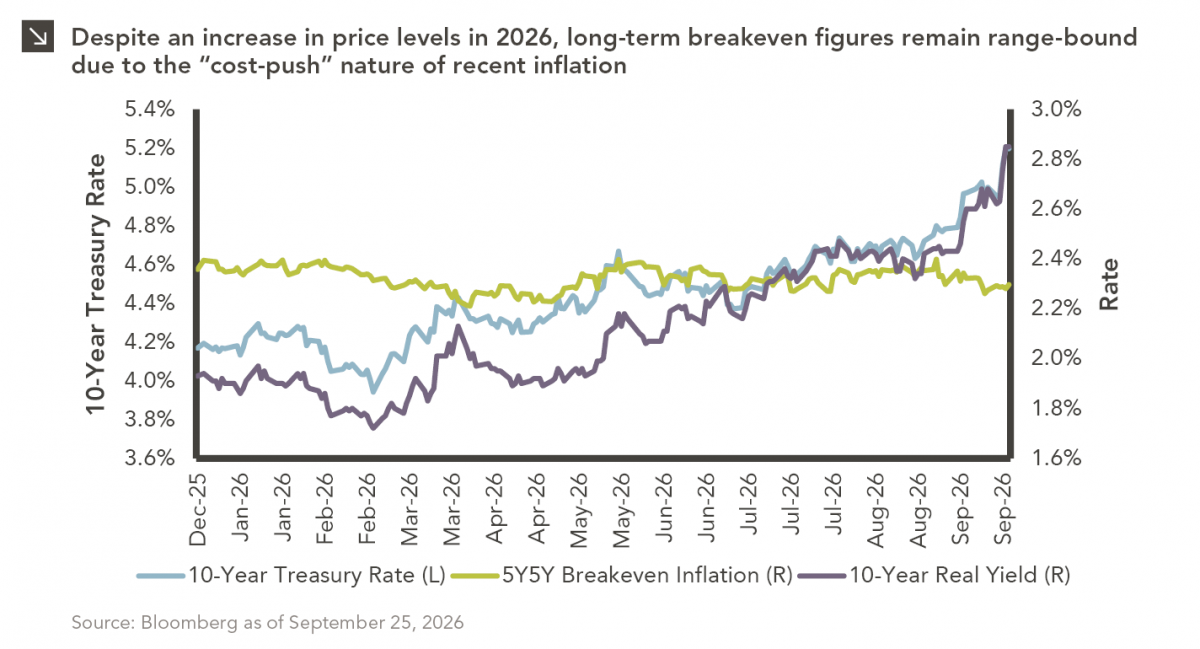
The phrase “expectations of higher inflation” has become a staple in financial news to explain the increase in nominal U.S….
09.21.2026
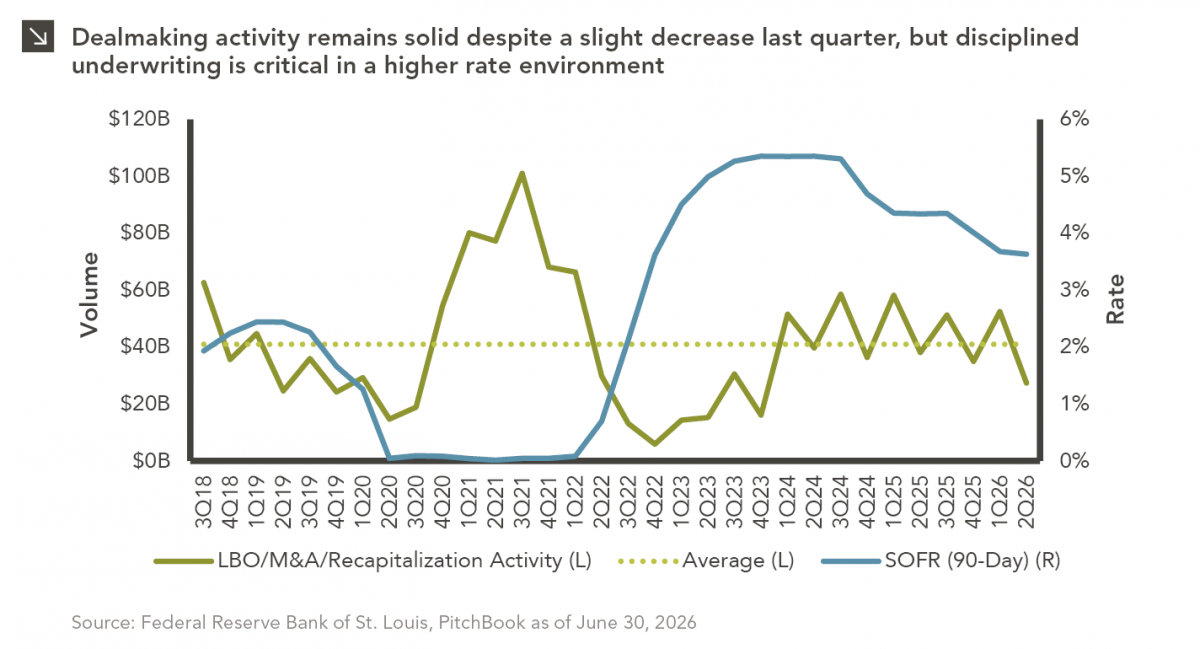
For much of the past several years, the conventional view has been that higher interest rates and stretched valuations would…
09.14.2026
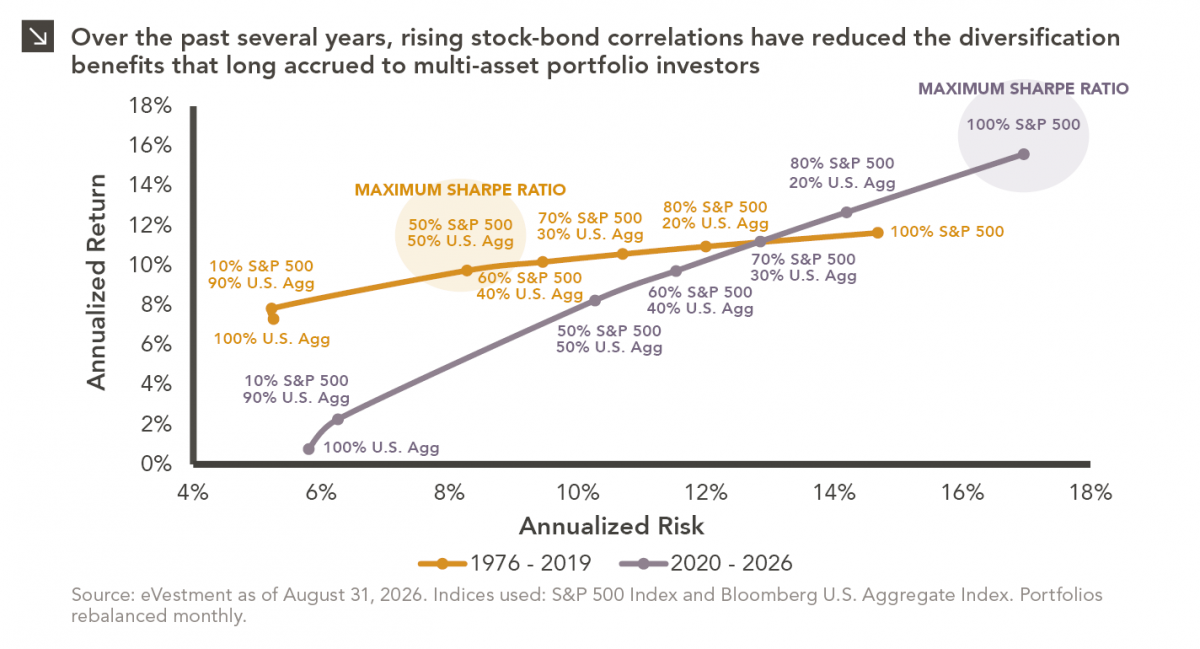
There are many great things about working at Marquette Associates, but “Free Lunch Tuesday” is right at the top of…
09.08.2026
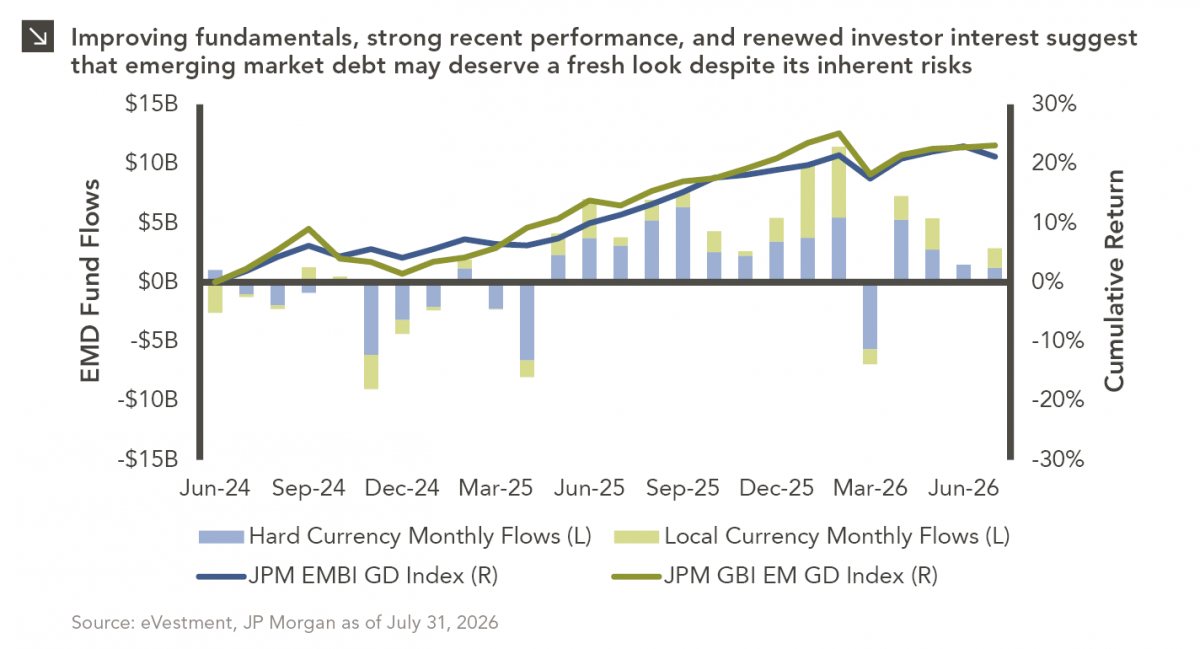
Over the last several years, emerging market debt (EMD) has faced several headwinds, with rising yields across other fixed income…
08.31.2026
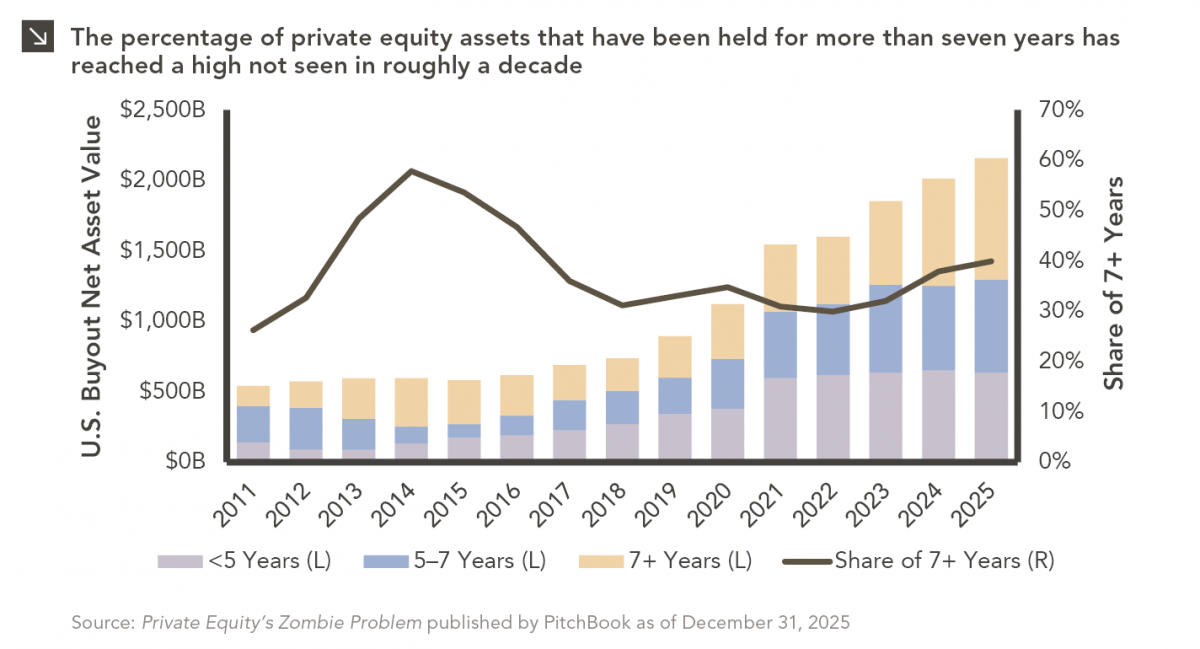
Private equity has always had a few portfolio companies that refused to leave the party. Today, however, the industry appears…
08.24.2026
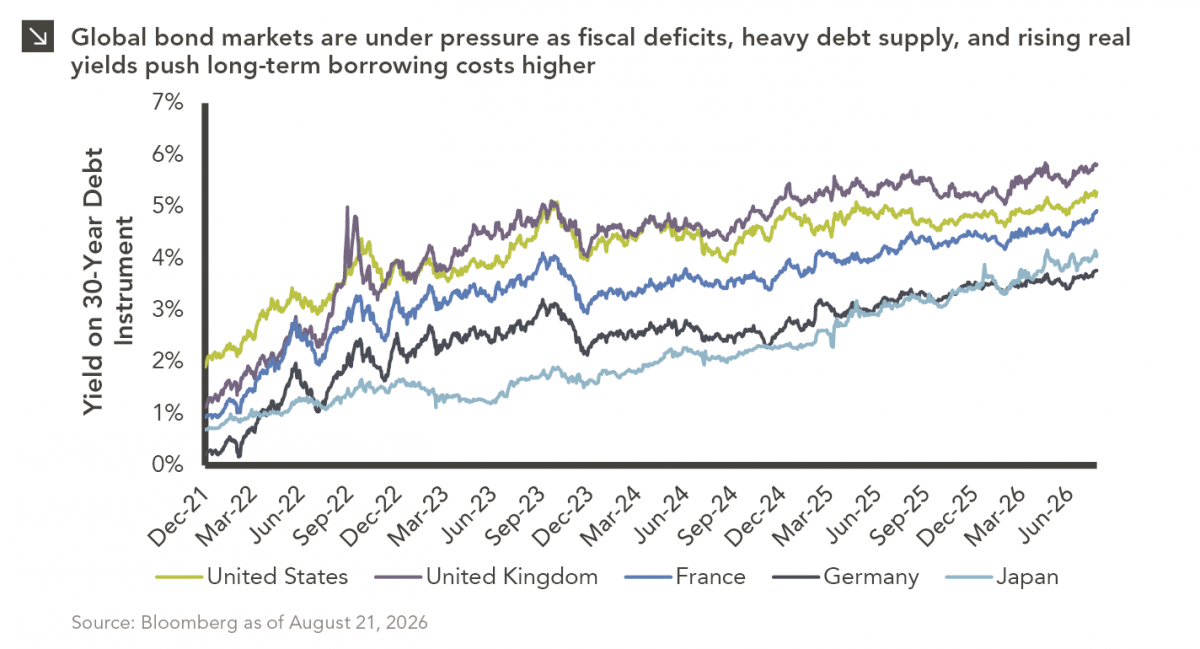
The global bond market is facing renewed pressure as investors demand higher yields to hold long-dated government debt, pushing borrowing…
Research alerts keep you updated on our latest research publications. Simply enter your contact information, choose the research alerts you would like to receive and click Subscribe. Alerts will be sent as research is published.
We respect your privacy. We will never share or sell your information.
If you have questions or need further information, please contact us directly and we will respond to your inquiry within 24 hours.
Contact Us >