10.22.2026
Will Higher Rates Cramp the Markets?
Anyone who has run a marathon knows the last six miles are brutal — no matter how well the first…


In the most recent November employment survey, the unemployment rate fell significantly further than expected, to 8.6%. This seeming improvement, however, masks continued weakness in economic growth. Calls for a U.S. recession now seem premature, but, so too do calls for a return to robust growth. In November, the economy added an estimated 120,000 jobs. This is roughly the number of jobs that must be added each month to simply keep pace with population growth. Thus, the majority of the improvement in the unemployment rate came from a decline in labor force participation, shown in the Labor Force Participation chart.
The labor force participation rate measures the number of people who are employed or seeking employment as a percentage of the total population. Notably, the participation rate has increased over time as more women have joined the workforce. Currently, the labor participation is at the same level as during the double dip recession of the 1980’s. Improvements in the unemployment rate due to a decline in the participation rate imply little relative improvement in a country’s economic condition. Ultimately, either participation stays low, which permanently lowers output potential, or participation increases as the economy improves, which increases the unemployment rate.
Due to the long duration of unemployment after the most recent recession, more workers may continue to drop out of the labor force. This makes the unemployment rate a less relevant measure of the output gap between the economy’s current and potential output. Ideally, for robust growth to take hold, the number of jobs created would have to be in excess of those needed to keep up with population growth. In this scenario, there may or may not be a decrease in the unemployment rate, depending on how the participation rate changes. However, there would be an improvement in the employment to population ratio. This measure, in the Employment to Population Ratio chart, has languished at depressed levels since collapsing during the most recent recession.
The opinions expressed herein are those of Marquette Associates, Inc. (“Marquette”), and are subject to change without notice. This material is not financial advice or an offer to purchase or sell any product. Marquette reserves the right to modify its current investment strategies and techniques based on changing market dynamics or client needs.

10.22.2026
Anyone who has run a marathon knows the last six miles are brutal — no matter how well the first…
10.19.2026
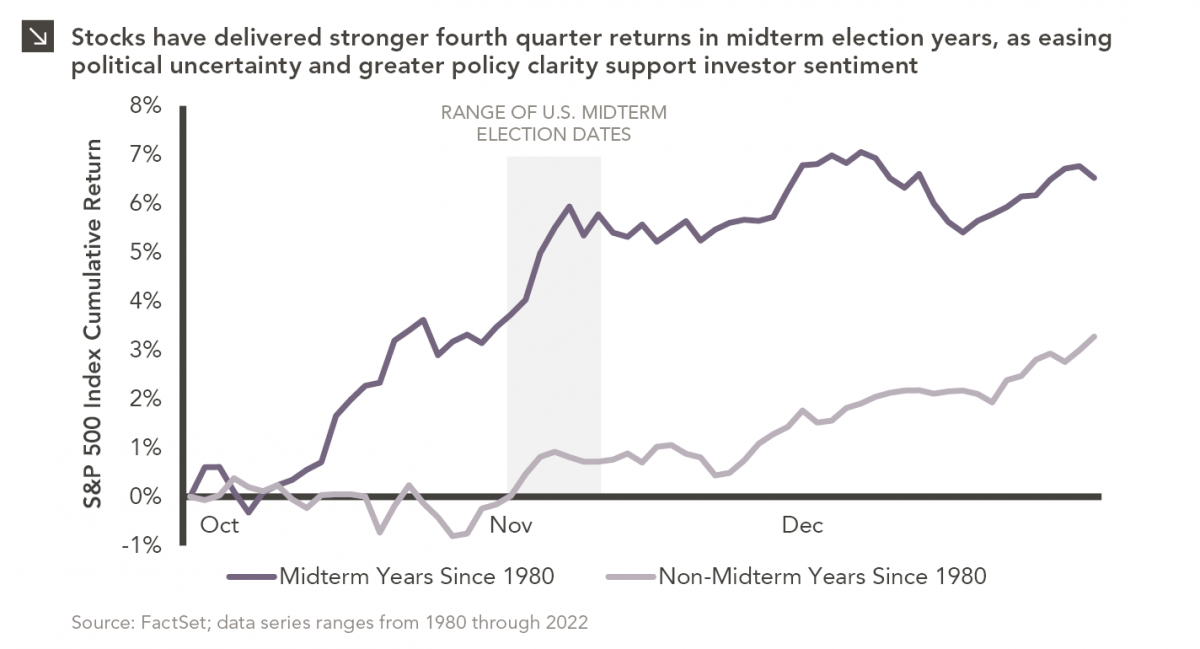
Since 1980, the S&P 500 Index has generally performed well in the weeks surrounding U.S. midterm elections. Specifically, the index…
10.12.2026
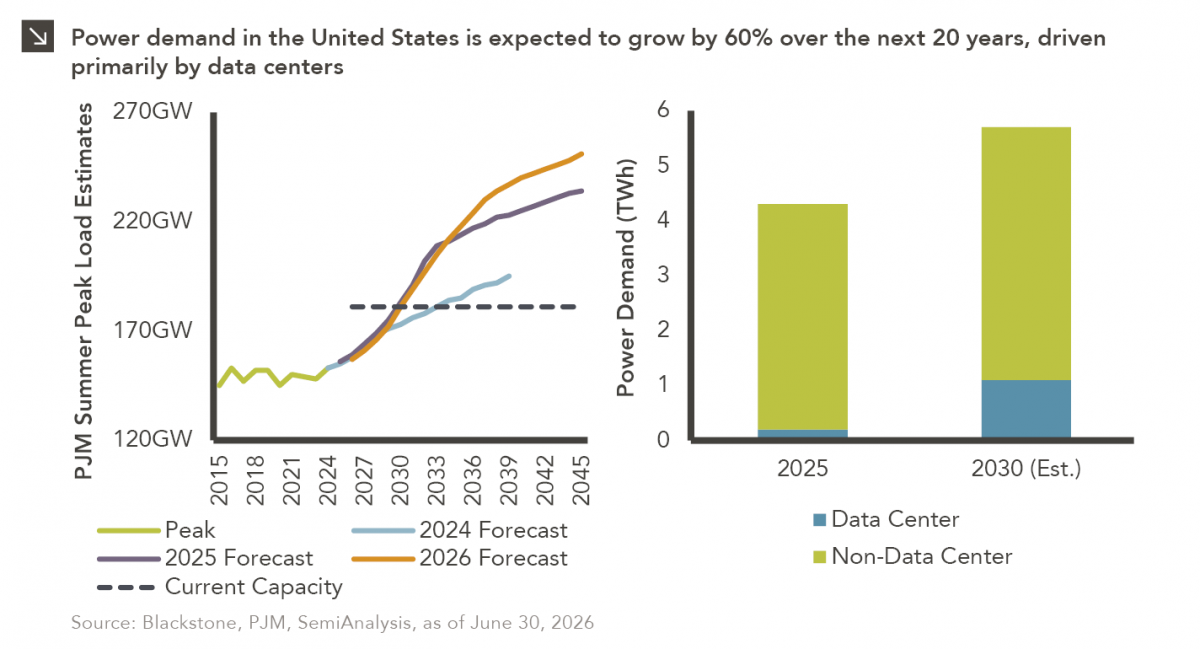
This week’s chart highlights the accelerating growth of electricity demand in the U.S., which has been driven primarily by the…

10.08.2026
LIVE WEBINAR — OCTOBER 22 Please join Marquette’s research team for our 3Q 2026 Market Insights Webinar…
10.05.2026
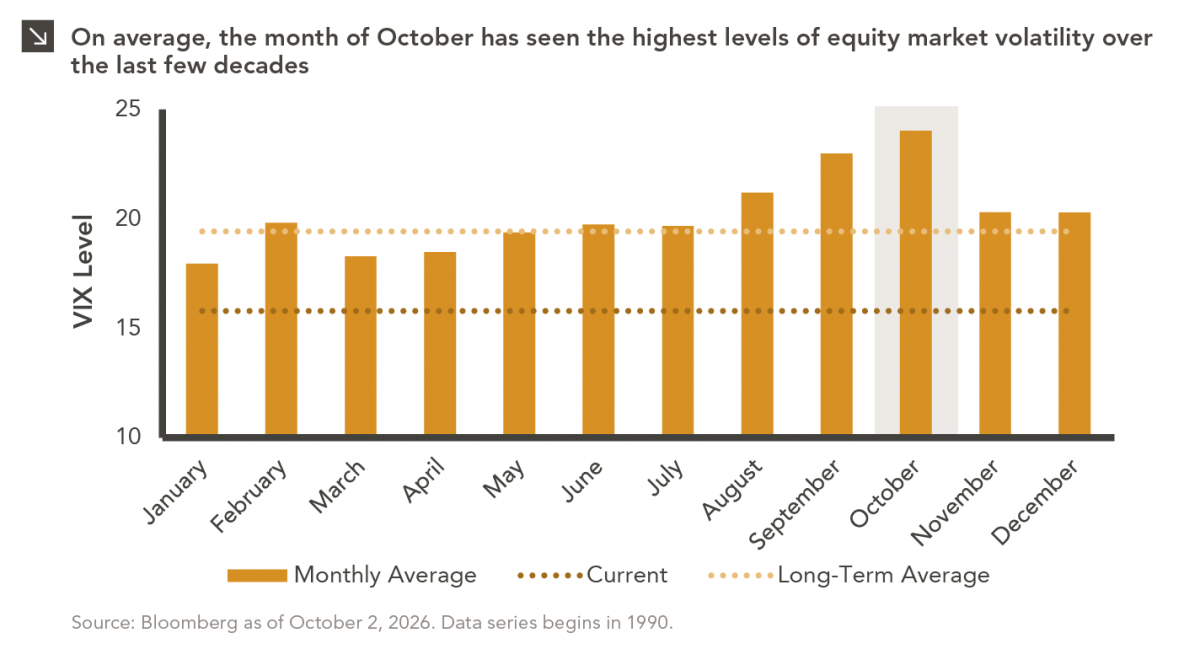
For investors, the spookiest thing about October might not be the ghosts and monsters that are bound to show up…
09.28.2026
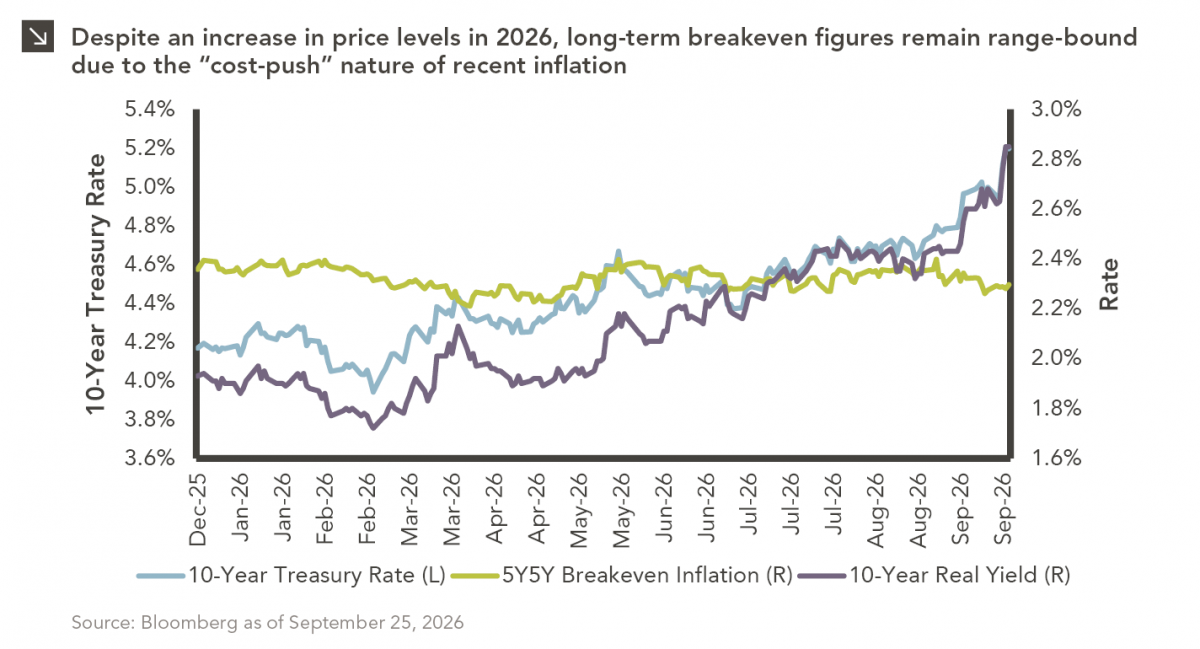
The phrase “expectations of higher inflation” has become a staple in financial news to explain the increase in nominal U.S….
Research alerts keep you updated on our latest research publications. Simply enter your contact information, choose the research alerts you would like to receive and click Subscribe. Alerts will be sent as research is published.
We respect your privacy. We will never share or sell your information.
If you have questions or need further information, please contact us directly and we will respond to your inquiry within 24 hours.
Contact Us >