Frank Valle, CFA, CAIA
Associate Director of Fixed Income


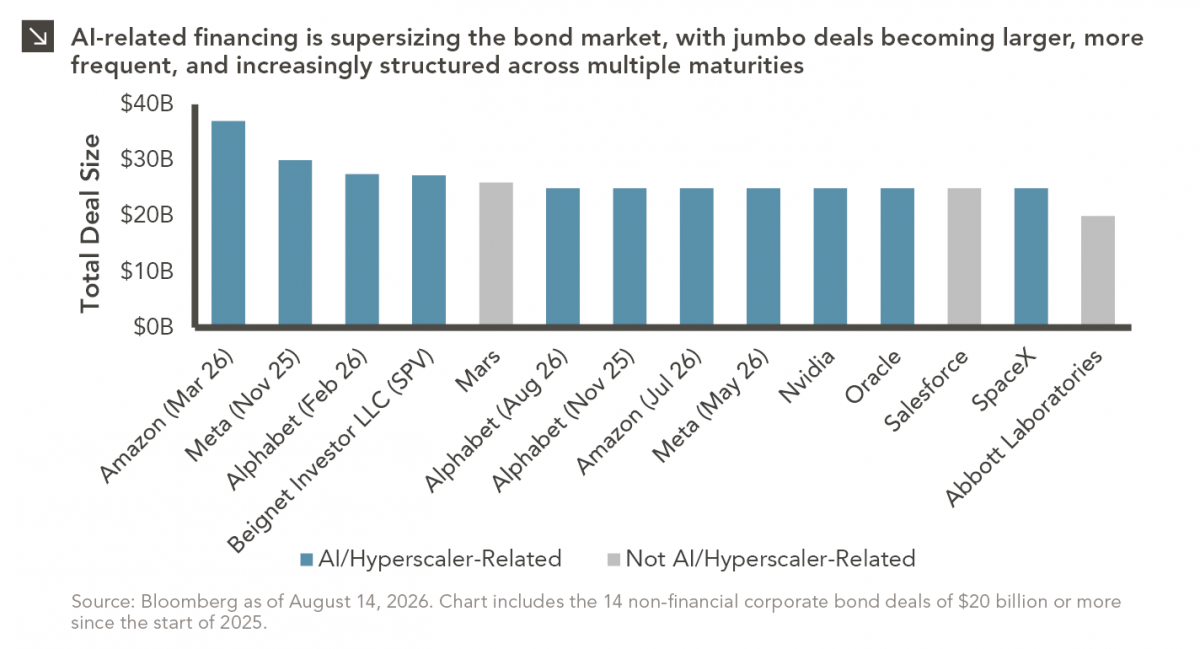
As a college football player struggling to put on mass, the “supersizing” deal at McDonald’s was hard to beat. For just $0.39 extra, I could upgrade to a 7-ounce serving of French fries and a 42-ounce cup of ice-cold Coca-Cola, which would serve as perfect complements to my nightly meal of two Big Macs, a 20-piece Chicken McNuggets, and a large Oreo McFlurry (assuming the ice cream machine was working). While McDonald’s discontinued supersizing its value meals in 2004 (to my eternal dismay), the bond market is experiencing its own supersizing moment today. Jumbo bond transactions, once a rarity, are now becoming increasingly common, and the definition of a “jumbo” deal has changed in recent years. Whereas any transaction above $5 billion was once considered jumbo, a wave of AI and hyperscaler-related deals has moved the goalposts closer to the $20 billion mark.
Since the start of 2025, there have been 14 non-financial corporate bond deals of $20 billion or more. Interestingly, only three of these deals were unrelated to AI or hyperscalers:
Of the remaining 11 deals, Amazon and Meta each issued two jumbo deals, while Alphabet, the parent company of Google, issued three. The pace of jumbo deals has also accelerated, with half of these 14 transactions occurring in 2026 (including five since June alone).
As jumbo deal size and frequency have increased, so too has the number of tranches within each transaction. Historically, investment-grade issuers typically split bonds into just a few tranches, but Amazon’s $37 billion issuance this year included 11 tranches, with maturities ranging from two to 50 years. Other recent jumbo transactions have included as many as eight tranches. Structuring a large transaction across multiple maturities allows companies to better manage borrowing costs while reducing refinancing and maturity concentration risks.
Going forward, the bond market does not appear ready for its own “Morgan Spurlock moment” that would lead to a reduction in these “supersized” deals. Indeed, heavy issuance from large, technology-oriented companies is likely to continue through the remainder of the year, with less than 40% of expected 2026 issuance having occurred through June 30. Investors continue to largely absorb these large transactions, and until that appetite meaningfully changes, companies appear happy to supersize their new issuances.
Print PDF
The opinions expressed herein are those of Marquette Associates, Inc. (“Marquette”), and are subject to change without notice. This material is not financial advice or an offer to purchase or sell any product. Marquette reserves the right to modify its current investment strategies and techniques based on changing market dynamics or client needs.
10.19.2026
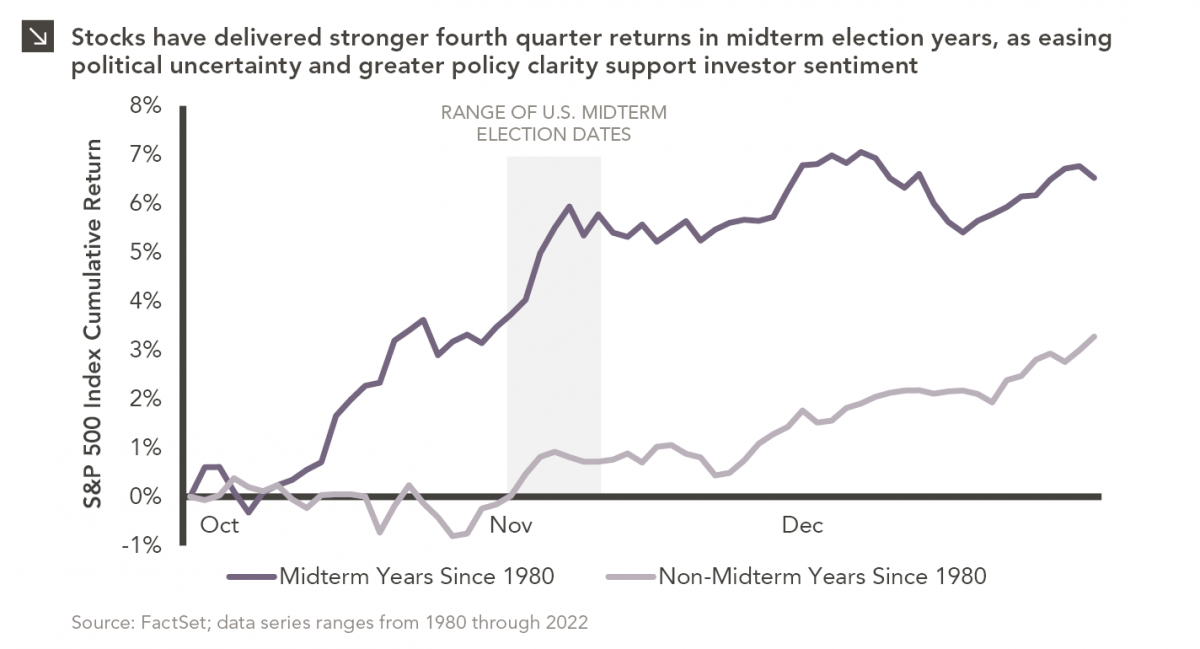
Since 1980, the S&P 500 Index has generally performed well in the weeks surrounding U.S. midterm elections. Specifically, the index…
10.12.2026
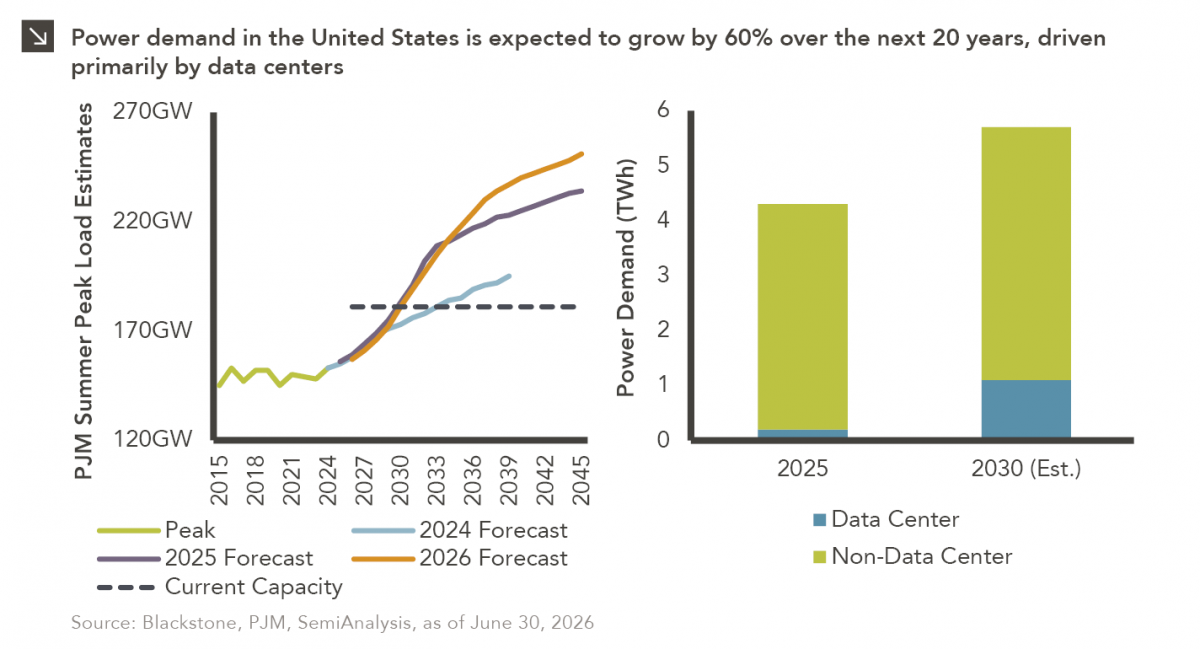
This week’s chart highlights the accelerating growth of electricity demand in the U.S., which has been driven primarily by the…

10.08.2026
LIVE WEBINAR — OCTOBER 22 Please join Marquette’s research team for our 3Q 2026 Market Insights Webinar…
10.05.2026
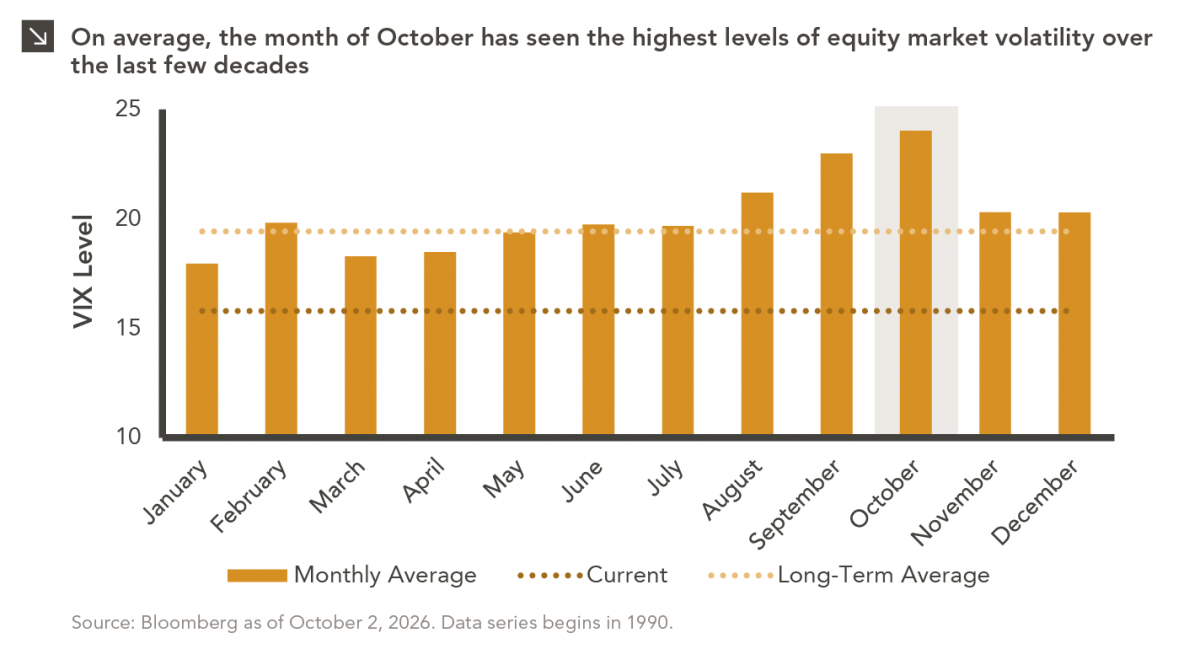
For investors, the spookiest thing about October might not be the ghosts and monsters that are bound to show up…

09.28.2026
The phrase “expectations of higher inflation” has become a staple in financial news to explain the increase in nominal U.S….
09.21.2026
For much of the past several years, the conventional view has been that higher interest rates and stretched valuations would…
Research alerts keep you updated on our latest research publications. Simply enter your contact information, choose the research alerts you would like to receive and click Subscribe. Alerts will be sent as research is published.
We respect your privacy. We will never share or sell your information.
If you have questions or need further information, please contact us directly and we will respond to your inquiry within 24 hours.
Contact Us >